Issue · Housing

Housing (Affordable Housing)

Every housing bill, vote, and legislator stance in United States, automatically classified by Maddy, our AI policy reader.

Total bills
225
119th Congress
Top supporter
Adam B. Schiff
100% support rate
Top opponent
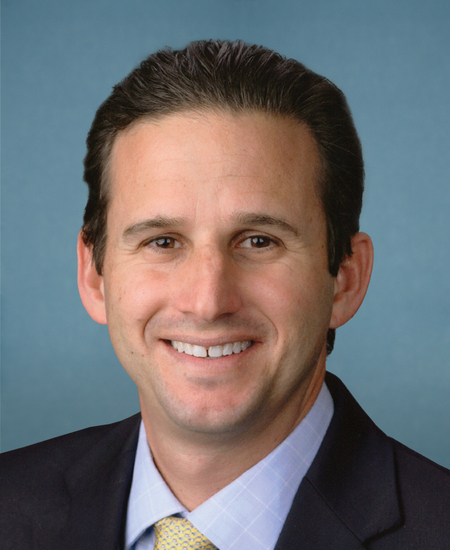
Brian Schatz
0% support rate
Ranked legislators
10
5 support · 5 oppose
Key legislators

Who's moving affordable housing in United States

Legislators moving affordable housing in United States
Legislator Party Stance Support rate Votes
Adam B. Schiff
Adam B. Schiff Senate
D
Strong +
100% 3
Alex Padilla
Alex Padilla Senate
D
Strong +
100% 3
Amy Klobuchar
Amy Klobuchar Senate
D
Strong +
100% 3
Andy Kim
Andy Kim Senate
D
Strong +
100% 3
Angela D. Alsobrooks
Angela D. Alsobrooks Senate
D
Strong +
100% 3
Brian Schatz
Brian Schatz Senate
D
Strong −
0% 3
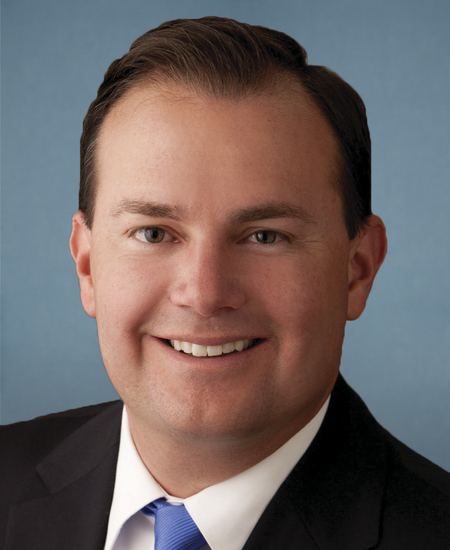
Mike Lee
Mike Lee Senate
R
Strong −
0% 3
Rand Paul
Rand Paul Senate
R
Strong −
0% 3
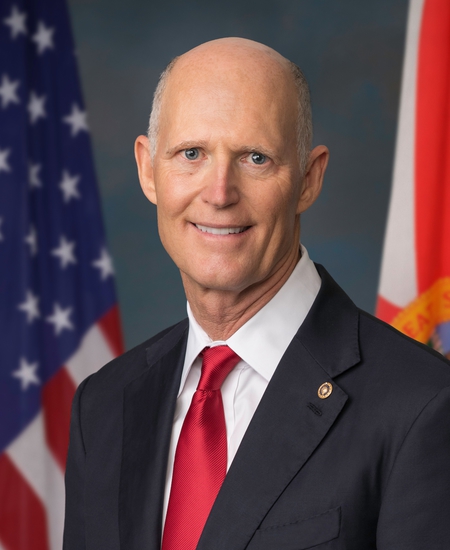
Rick Scott
Rick Scott Senate
R
Strong −
0% 3
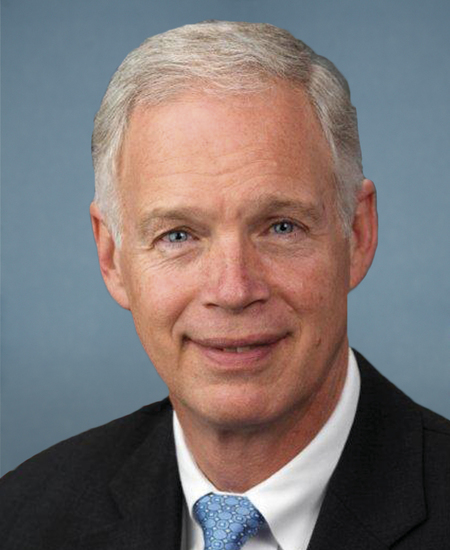
Ron Johnson
Ron Johnson Senate
R
Strong −
0% 3
Showing 161–170 of 225 bills

All housing bills

in committee · United States · House Jun 10, 2025

HRES 493: Expressing the sense of the House of Representatives that the United States must take urgent, coordinated action to address the national housing crisis through preservation and production of affordable housing.

HRES 493 is a non-binding resolution expressing the House of Representatives' view that the U.S. housing crisis requires urgent, coordinated action. It highlights a shortage of over 7 million affordable rental homes, cost-burdened renters (12 million spending over 50% of income on housing), and rising homelessness, disproportionately affecting communities of color, seniors, people with disabilities, and low-income families. The resolution urges federal, state, and local governments to prioritize expanding affordable housing supply, preserving existing units, and strengthening rental assistance programs. It also encourages private and nonprofit partnerships to develop community-responsive housing solutions. This resolution does not create new laws or funding but formally calls for policy alignment across all levels of government to address housing affordability.
in committee · United States · Senate Jan 14, 2026

S 3636: Build HUBS Act

The Build HUBS Act (S 3636) improves federal transportation financing programs to support housing development near transit facilities. It defines "attainable housing" for households earning up to 120% of area median income (with most units affordable to those earning up to 80%), creates alternative credit assessment methods to reduce reliance on investment-grade ratings, and streamlines environmental reviews for certain housing projects. The bill establishes a delegated financing program modeled after HUD's housing system to speed up approvals for transit-oriented development projects. These changes primarily affect local governments, transit agencies, and developers working on housing near transit facilities, aiming to increase housing availability for lower- and middle-income residents.
in committee · United States · Senate Jul 23, 2025

S 2416: Identifying Regulatory Barriers to Housing Supply Act

This bill requires local governments receiving certain federal housing grants to track and report on specific zoning reforms that could increase housing supply. It targets jurisdictions served by recipients of Community Development Block Grants, asking them to document plans for policies like allowing duplexes in single-family zones, reducing parking requirements, or streamlining building permits. The reporting is voluntary - submissions aren't binding, can't be used for enforcement, and don't require actual policy changes. The goal is to identify barriers to affordable housing through data collection, not to mandate specific reforms.
in committee · United States · House May 6, 2025

HR 3214: HOME Act of 2025

The HOME Act of 2025 prohibits landlords and sellers from charging "unconscionably excessive" rental or home sale prices during a federally declared affordable housing crisis. The Secretary of Housing and Urban Development (HUD) must determine crisis periods using metrics like mortgage rates, median home prices, and disaster declarations, with restrictions limiting crisis periods to 30 days (renewable). Violations are enforced by HUD and state attorneys general, with penalties funding affordable housing through the Housing Trust Fund. The law also requires HUD to monitor housing markets, investigate excessive investor purchases, and review anti-competitive practices in rental markets.
in committee · United States · Senate Apr 29, 2025

S 1515: Affordable Housing Credit Improvement Act of 2025

The Affordable Housing Credit Improvement Act of 2025 updates the Low-Income Housing Tax Credit program to increase affordability and accessibility for low-income households. It raises state allocation amounts through revised per capita calculations, modifies income eligibility rules to better serve extremely low-income households, and adds protections for domestic violence victims in housing. The bill expands "difficult development areas" to include rural areas and Indian lands, and changes the program's name from "Low-Income Housing Credit" to "Affordable Housing Credit" to better reflect its purpose. These changes aim to make affordable housing more accessible while improving transparency and accountability in the program's implementation.
in committee · United States · Senate Mar 11, 2025

S 970: Helping More Families Save Act

S 970, the Helping More Families Save Act, creates a 10-year pilot program allowing families receiving Section 8 or 9 housing assistance to save rent increases from earned income in interest-bearing escrow accounts. Covered families (earning under 80% of area median income) must opt-in, with funds becoming accessible after 5 years (or up to 7 years with continued participation) for approved self-sufficiency goals like education or housing. The program ensures these savings don’t reduce eligibility for other benefits, and participants must be fully informed about the opt-in process. The pilot will be evaluated after 8 years to assess its effectiveness in helping families achieve economic independence.
in committee · United States · House Mar 2, 2026

HR 7586: American Families First Act

HR 7586, the American Families First Act, requires federal agencies to issue guidance within 180 days of enactment to prevent large institutional investors from purchasing single-family homes financed by the government that could instead be bought by individual homebuyers. The bill mandates agencies like HUD and the USDA to define "large institutional investors," block such investors from acquiring homes meant for owner-occupants, and restrict transferring government-owned homes to these entities. It also directs agencies to promote sales to individual buyers through policies like first-look rights for homebuyers and disclosure requirements. The guidance includes narrow exceptions for build-to-rent rental communities but focuses on using federal housing programs to support individual homeownership.
in committee · United States · House Oct 24, 2025

HR 5825: Tribal Housing Innovation Act

The Tribal Housing Innovation Act (HR 5825) creates a competitive grant program through the Department of Housing and Urban Development (HUD) to fund sustainable housing on tribal lands. It provides up to $150 million annually for Indian Tribes or tribal housing groups to build new residential units with sustainable features (like solar panels, energy-efficient appliances, or insulation) or add such features to existing units. Grants require that units be rented only to tribal members, and recipients must report on the number of units built/modified, features added, and tenant demographics. The program mandates annual reporting to Congress on national impacts, aiming to improve housing sustainability while prioritizing tribal communities.
Sub-Topics Solar Affordable Housing Homeownership Housing Finance Tags Tribal Nations
in committee · United States · House Jan 23, 2025

HR 646: Build Housing with Care Act of 2025

HR 646, the Build Housing with Care Act of 2025, establishes a HUD grant program to fund the co-location of affordable housing developments with child care facilities. It directly affects housing developers, child care providers, and residents of affordable housing by requiring grants to support projects in "child care deserts" (areas with severe child care shortages), prioritizing low-income, rural, or Head Start-serving providers. Key provisions mandate that projects must not evict residents, include resident engagement plans, and ensure child care providers serve low-income families or dual-language learners. The bill authorizes $100 million annually (2025-2030) and requires annual reports tracking child care slots created, resident usage, and demographic data.
in committee · United States · House Jun 30, 2025

HR 4266: Housing for US Act

This bill establishes a revolving loan fund to increase middle-class housing supply by providing capitalization loans to states using funds from the release of Federal National Mortgage Association and Federal Home Loan Mortgage Corporation. States will create housing revolving loan funds to provide financing to local governments and non-profits for new construction or rehabilitation of housing that meets affordability standards (80-165% of area median income) for middle-income families. The housing must maintain affordability for at least 15 years, and construction must comply with labor requirements including apprenticeship and prevailing wage standards. The fund will be repaid to the Treasury for deficit reduction after 10 years.
Showing 161 to 170 of 225 bills
Previous 1 16 17 18 23 Next