

Issue · Housing
Housing (Affordable Housing)
Every housing bill, vote, and legislator stance in United States, automatically classified by Maddy, our AI policy reader.
Total bills
226
119th Congress
Top supporter
Adam B. Schiff
100% support rate
Top opponent
Brian Schatz
0% support rate
Ranked legislators
10
5 support · 5 oppose
Key legislators
Who's moving affordable housing in United States
| Legislator | Party | Stance | Support rate | Decisive votes |
|---|---|---|---|---|

Adam B. Schiff
Senate
|
D |
Strong +
|
100% | 3 |

Alex Padilla
Senate
|
D |
Strong +
|
100% | 3 |

Amy Klobuchar
Senate
|
D |
Strong +
|
100% | 3 |

Andy Kim
Senate
|
D |
Strong +
|
100% | 3 |

Angela D. Alsobrooks
Senate
|
D |
Strong +
|
100% | 3 |
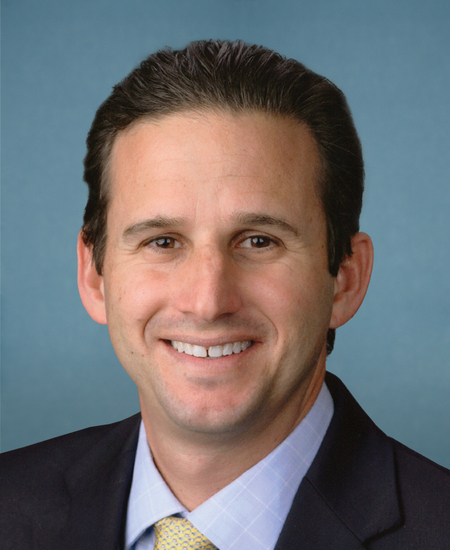
Brian Schatz
Senate
|
D |
Strong −
|
0% | 3 |

Mike Lee
Senate
|
R |
Strong −
|
0% | 3 |

Rand Paul
Senate
|
R |
Strong −
|
0% | 3 |

Rick Scott
Senate
|
R |
Strong −
|
0% | 3 |
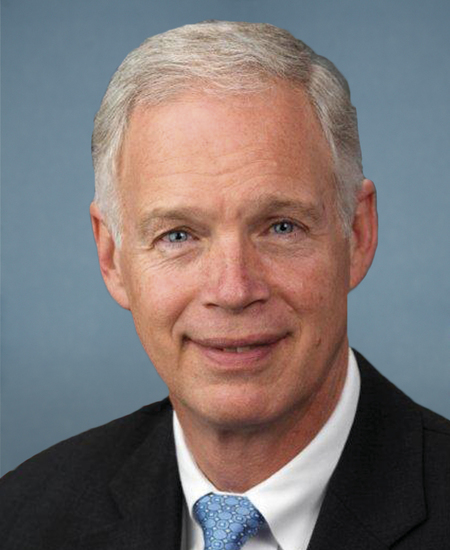
Ron Johnson
Senate
|
R |
Strong −
|
0% | 3 |
Showing 101–110 of 226
bills
All housing bills
HR 2094: HELPER Act of 2025
Topics
✓ EducationSupports EducationBill explicitly provides mortgage assistance to elementary/secondary school teachers, supporting educators as a key beneficiary group.
✓ HousingSupports HousingProvides mortgage assistance with no down payment for teachers, first responders, and law enforcement, directly advancing affordable housing access for specific professions.
HR 2725: Affordable Housing Credit Improvement Act of 2025
Topics
✓ Budget & TaxesSupports Budget & TaxesExpands tax credit program for affordable housing through increased state allocations, simplified rules, and higher income limits, directly advancing fiscal support for housing development.
✓ HousingSupports HousingIncreases tax credits for affordable housing developers, expands tenant eligibility, adds domestic violence protections, and simplifies rural/Native American housing rules.
HR 7160: First Home Affordability Act
Topics
✓ Budget & TaxesSupports Budget & TaxesProvides refundable tax credit for first-time homebuyers, including higher rate for essential workers, targeting middle-income households with income-based caps.
✓ EducationSupports EducationBill provides enhanced tax credits for teachers, childcare workers, and first responders, indirectly supporting education workforce stability and retention
✓ HousingSupports HousingProvides refundable tax credit (up to $25k) for first-time homebuyers, with higher rates for essential workers, directly increasing affordability and targeting housing access.
S 3754: Affordable Housing and Homeownership Protection Act of 2026
Topics
✓ Budget & TaxesSupports Budget & TaxesBill imposes tiered tax on large real estate investors to fund affordable housing programs, directly generating revenue for public services through targeted taxation.
✓ HousingSupports HousingBill taxes large home investors (1-5% tiered) to fund housing, exempts affordable housing entities, and is titled to protect housing access. Revenue allocation supports affordable housing goals.
S 1203: Housing Vouchers Fairness Act
Topics
✓ Budget & TaxesSupports Budget & TaxesBill allocates $2B for housing vouchers, increasing public housing funding - directly advancing essential government spending on housing assistance.
✓ HousingSupports HousingBill allocates $2B annually for rental vouchers in high-growth areas, directly funding affordable housing assistance for public housing agencies.
HR 5650: Weatherization Resilience and Adaptation Program Act
Topics
✓ EnvironmentSupports EnvironmentBill funds $250M annually for climate resilience projects (e.g., natural solutions) in high-risk areas, directly advancing environmental protection and climate adaptation for vulnerable communities.
✓ HousingSupports HousingFunds climate resilience for low-income and affordable housing owners via $250M annual grants, directly advancing affordable housing protections and development.
S 2361: Accelerating Home Building Act of 2025
Topics
✓ Budget & TaxesSupports Budget & TaxesBill allocates $15M annually (2027-2031) for housing grants, directly funding affordable housing development through state budget appropriations.
✓ HousingSupports HousingAuthorizes $15M annual grants for pre-approved mixed-income housing designs, streamlining permitting to accelerate affordable housing development and reduce barriers for developers.
HR 1454: Rural Historic Tax Credit Improvement Act
Topics
✓ Budget & TaxesSupports Budget & TaxesIncreases tax credits (30-40%) for rural historic rehab, offering direct tax relief and transferability, advancing fiscal policy for affordable housing and rural development.
✓ HousingSupports HousingBill provides 40% tax credit for affordable housing rehab projects in rural areas, directly increasing incentives for affordable housing development.
Sub-Topics
Tax Credits
Tax Incentives
Affordable Housing
Historic Preservation
Homeownership
Tags
Rural Communities