Issue · Healthcare

Healthcare

Every healthcare bill, vote, and legislator stance in United States, automatically classified by Maddy, our AI policy reader.

Total bills
2,988
119th Congress
Top supporter
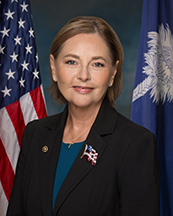
Darline Graham
82% support rate
Top opponent
Rick Scott
19% support rate
Ranked legislators
10
5 support · 5 oppose
Key legislators

Who's moving healthcare in United States

Legislators moving healthcare in United States
Legislator Party Stance Support rate Decisive votes
Darline Graham
Darline Graham Senate
R
Strong +
82% 11
Peter Welch
Peter Welch Senate
D
Strong +
81% 27
Ron Wyden
Ron Wyden Senate
D
Support
78% 27
Alex Padilla
Alex Padilla Senate
D
Support
77% 26
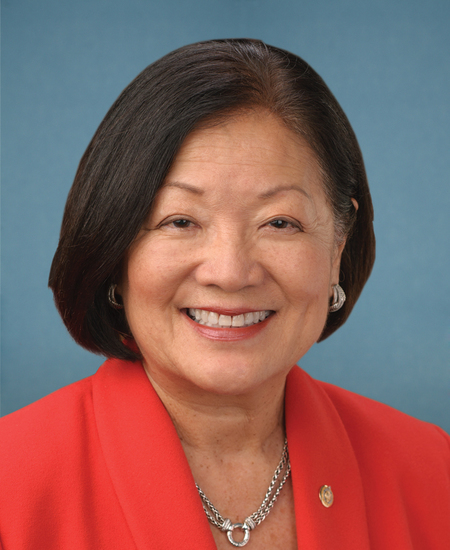
Mazie K. Hirono
Mazie K. Hirono Senate
D
Support
74% 27
Rick Scott
Rick Scott Senate
R
Strong −
19% 27
Ashley Moody
Ashley Moody Senate
R
Oppose
22% 27
Rand Paul
Rand Paul Senate
R
Oppose
22% 27
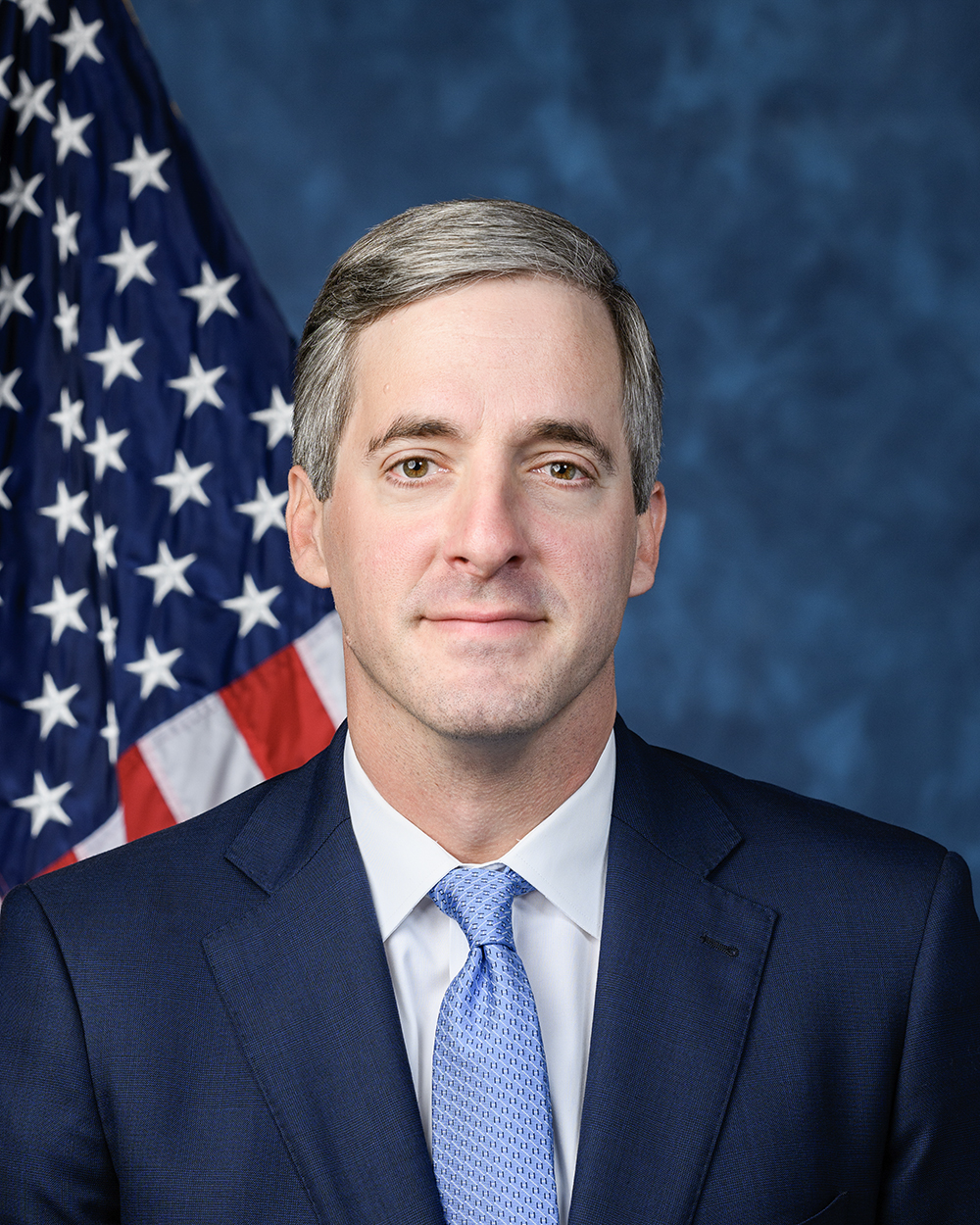
Brad Knott
Brad Knott House · District 13
R
Oppose
28% 18
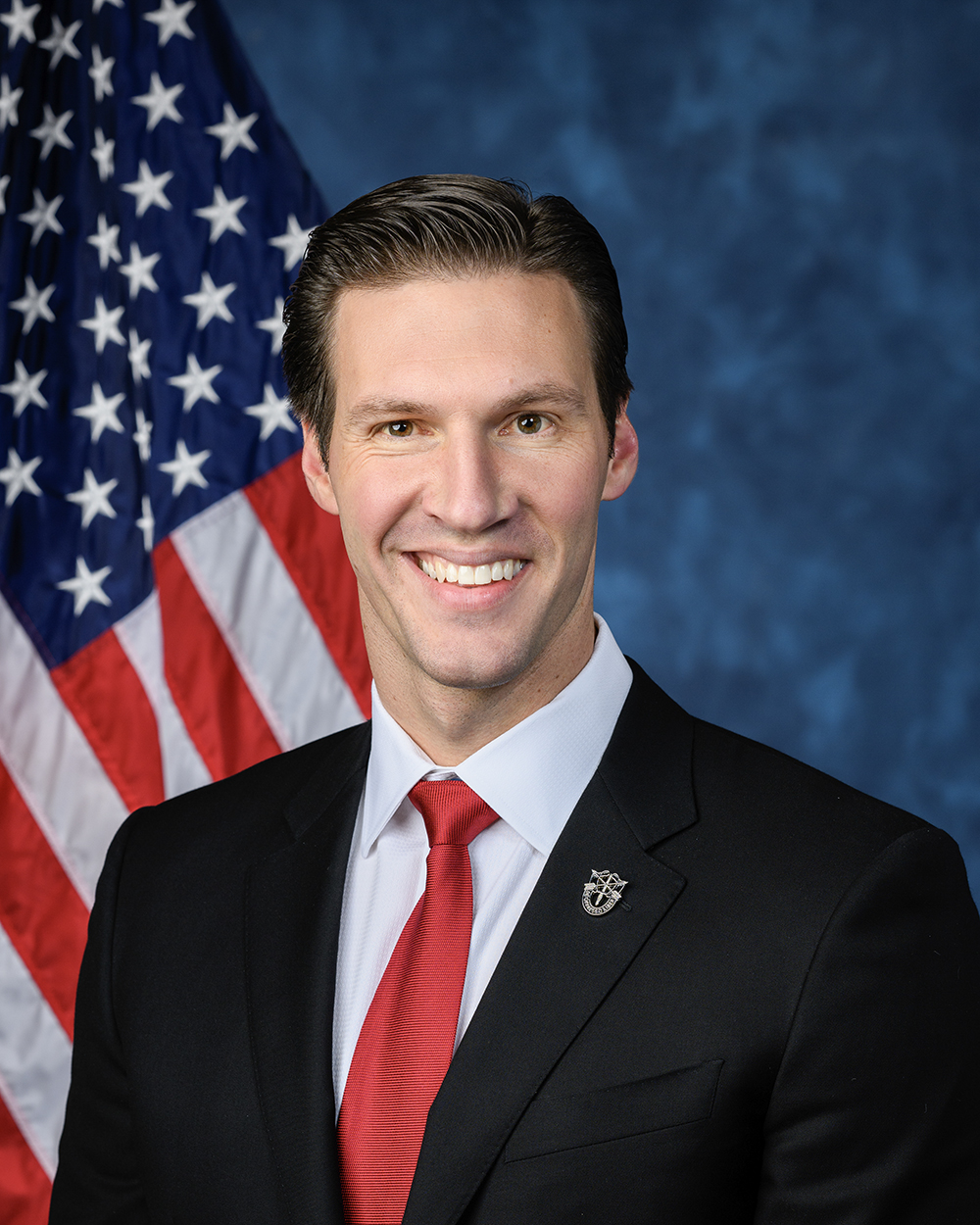
Pat Harrigan
Pat Harrigan House · District 10
R
Oppose
28% 18
Showing 911–920 of 2,988 bills

All healthcare bills

in committee · United States · House Feb 25, 2026

HR 7713: Combating Deceptive Practices in Assistance Programs Act of 2026

This bill, titled the Combating Deceptive Practices in Assistance Programs Act of 2026, modifies Medicaid eligibility requirements for personal care services. It directly affects individuals seeking assistance with daily living activities under the Medicaid program. The key provision adds a specific eligibility criterion requiring applicants to be unable to perform at least three activities of daily living as defined in the Internal Revenue Code. These changes would take effect for medical assistance provided on or after January 12, 2027.
in committee · United States · House Mar 16, 2026

HR 7747: State Veterans Homes Inspection Simplification Act

This bill, known as the State Veterans Homes Inspection Simplification Act, would allow certain State Veterans Homes that are already certified by the Department of Veterans Affairs to be automatically considered compliant with Medicare and Medicaid nursing home standards. Under this proposal, facilities meeting specific VA inspection and certification requirements would not need to undergo separate reviews by the Centers for Medicare & Medicaid Services, reducing duplication of effort. The legislation maintains oversight by requiring the VA to submit its inspection standards for review every two years, allowing CMS to conduct targeted surveys or complaints investigations, and mandating public reporting of inspection data on the Nursing Home Care Compare website. A Government Accountability Office report would be required three years after enactment to evaluate the bill's impact on survey efficiency, enforcement outcomes, and resident care quality.
in committee · United States · House Mar 3, 2026

HR 7778: Medicaid PNA Modernization Act

Medicaid Personal Needs Allowance Modernization Act or the Medicaid PNA Modernization Act This bill increases the minimum monthly personal needs allowance under Medicaid for an institutionalized individual and couple from $30 to $60 and from $60 to $120, respectively. (The personal needs allowance is deducted from an individual's total income when determining the individual's contribution to the cost of institutionalized care under Medicaid.)
in committee · United States · House Mar 26, 2026

HR 8115: Precision Brain Health Research Act of 2026

This bill, the Precision Brain Health Research Act of 2026, expands the Department of Veterans Affairs' existing precision medicine initiative to specifically include research on repetitive low-level blast exposure, dementia, and other brain and mental health conditions affecting veterans. It requires the VA and Department of Defense to establish a data-sharing partnership within one year to combine relevant military health data for research purposes. The legislation mandates specific research studies on blast exposure impacts, including assessments of clinical interventions, implementation studies of proven treatments, and quality improvement efforts to enhance diagnosis and care. Additionally, the bill directs the VA to contract with the National Academies of Sciences, Engineering, and Medicine to validate brain health biomarkers and authorizes $5 million annually through fiscal year 2030 to fund these expanded research efforts.
in committee · United States · Senate Jul 24, 2025

S 2431: Department of the Interior, Environment, and Related Agencies Appropriations Act, 2026

# Summary of the Department of the Interior, Environment, and Related Agencies Appropriations Act, 2026 This comprehensive appropriations bill allocates funding for the Department of the Interior, Environmental Protection Agency, and related agencies for fiscal year 2026. Key provisions include: 1. **Major Funding Allocations**: - Significant funding for the Indian Health Service, National Park System, and environmental programs - Specific allocations for National Endowment for the Arts and Humanities - Funding for the Smithsonian Institution, National Gallery of Art, and other cultural institutions 2. **Key Restrictions and Prohibitions**: - Ban on using funds for activities promoting public support/opposition to pending legislation - Prohibition on using funds for certain types of mineral leasing within National Monuments - Restrictions on using funds for certain environmental regulations (e.g., greenhouse gas reporting from manure management) - Ban on using funds for certain types of ammunition regulation 3. **Program Extensions**: - Extension of various programs through 2026 (e.g., Forest Service Facility Realignment, Tribal Leases, Alaska Native Regional Health Entities) - Extension of the Alaska Native Vietnam Era Veterans Land Allotment Program 4. **Administrative Provisions**: - Requirements for quarterly reporting on fund balances - Restrictions on reprogramming funds without committee approval - Requirements for posting reports on agency websites - Specific guidelines for grant awards and cancellations 5. **Rescissions and Repurposing**: - Permanent rescission of $41 million from Environmental Protection Agency Buildings and Facilities - Permanent rescission of $50 million from John F. Kennedy Center Capital Repair - Repurposing of $764.5 million from unobligated balances for wildland fire management The bill contains numerous specific provisions governing how funds may be used across various programs, with particular attention to environmental protection, cultural institutions, Native American health and land management, and forest management. It includes numerous restrictions on fund usage and specific requirements for reporting and transparency.
in committee · United States · Senate Apr 29, 2026

S 3992: Joint Medical Facilities Fund Act of 2026

This bill establishes a new Joint Medical Facility Fund to support shared healthcare facilities operated by the Department of Defense and the Department of Veterans Affairs. The fund allows both departments to transfer money from their existing budgets and medical collections into a single pool, which can then be used for facility operations, equipment, maintenance, and minor construction projects at designated combined medical sites. The bill requires the two departments to create a joint methodology for determining transfer amounts and to administer the fund through an executive agreement that includes independent review of financial processes. Additionally, the legislation repeals an outdated provision and mandates that the departments submit a report within 180 days identifying which facilities should be designated as combined medical facilities.
Sub-Topics Veteran Healthcare
in committee · United States · House Mar 26, 2026

HR 8095: Ensuring Medicaid Continuity for Children in Foster Care Act of 2026

This bill would allow children in foster care who are placed in qualified residential treatment programs to receive Medicaid coverage for their medical services. It directly affects state child welfare systems and healthcare providers by removing a federal exclusion that currently prevents Medicaid from covering institutional care for these children. The law amends the Social Security Act to exempt these children from the Medicaid Institutional Medicaid Days (IMD) exclusion, which typically denies coverage for services provided in institutions. The change would take effect for services provided on or after October 1, 2026, ensuring continuity of healthcare coverage for this vulnerable population.
Sub-Topics Children's Health Medicaid Tags Children
in committee · United States · Senate Mar 10, 2026

S 4037: Diabetes Act

This bill, known as the DIABETES Act, aims to improve Medicare coverage for diabetes technology and education services. It would require Medicare to continue covering diabetes devices like continuous glucose monitors and insulin pumps when beneficiaries enroll in the program, preventing loss of access during enrollment transitions. The legislation also expands coverage for diabetes self-management training services, removes deductibles for these services, and authorizes virtual training options. Additionally, it directs the government to study barriers to diabetes care access and establish new billing codes for insulin pump training services.
in committee · United States · Senate Mar 18, 2026

S 4132: Maternal Vaccinations Act

The Maternal Vaccinations Act aims to increase vaccination rates among pregnant and postpartum individuals by expanding federal health programs. The bill amends the Public Health Service Act to include pregnant and postpartum people in existing vaccination awareness campaigns and adds new funding of $17 million annually from 2027 to 2031 for these efforts. It also requires health programs to specifically target racial and ethnic minority groups within this population to improve access and equity. These changes apply to federal health initiatives administered under the Public Health Service Act.
in committee · United States · House Mar 12, 2026

HR 7933: To amend title 10, United States Code, to expand the authority to provide a wig and treat traction alopecia under the TRICARE program, and for other purposes.

This bill expands the TRICARE program to cover wigs for service members with traction alopecia, a hair loss condition caused by tight hairstyles. It also adds traction alopecia to the list of covered conditions for wig provision and requires the Secretary of Defense to issue grooming standards and training materials by September 30, 2026. These regulations aim to inform military personnel about health risks associated with tightly gathered hairstyles, dyes, and chemical hair products. The changes directly affect active duty service members enrolled in TRICARE who experience hair loss from styling practices.
Showing 911 to 920 of 2,988 bills
Previous 1 … 91 92 93 … 299 Next