Issue · Healthcare

Healthcare

Every healthcare bill, vote, and legislator stance in United States, automatically classified by Maddy, our AI policy reader.

Total bills
3,150
119th Congress
Top supporter
Darline Graham
100% support rate
Top opponent
Ashley Moody
18% support rate
Ranked legislators
10
5 support · 5 oppose
Key legislators

Who's moving healthcare in United States

Legislators moving healthcare in United States
Legislator Party Stance Support rate Decisive votes
Darline Graham
Darline Graham Senate
R
Strong +
100% 6
AA
Alan Armstrong Senate
R
Strong +
88% 8
Peter Welch
Peter Welch Senate
D
Strong +
82% 22
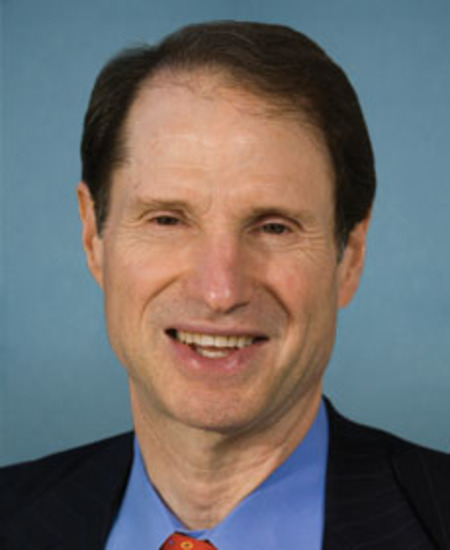
Ron Wyden
Ron Wyden Senate
D
Support
77% 22
Alex Padilla
Alex Padilla Senate
D
Support
76% 21
Ashley Moody
Ashley Moody Senate
R
Strong −
18% 22
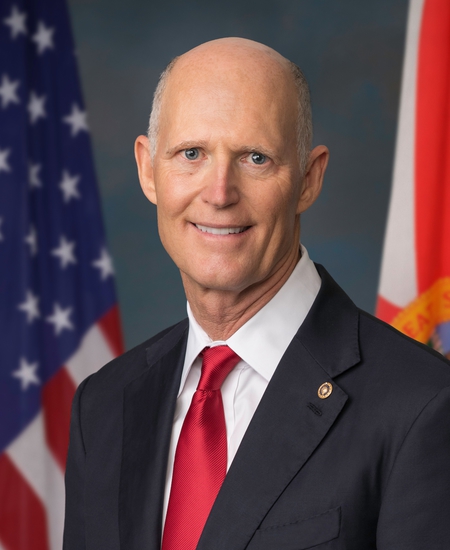
Rick Scott
Rick Scott Senate
R
Strong −
18% 22
Rand Paul
Rand Paul Senate
R
Oppose
23% 22
Brad Knott
Brad Knott House · District 13
R
Oppose
28% 18
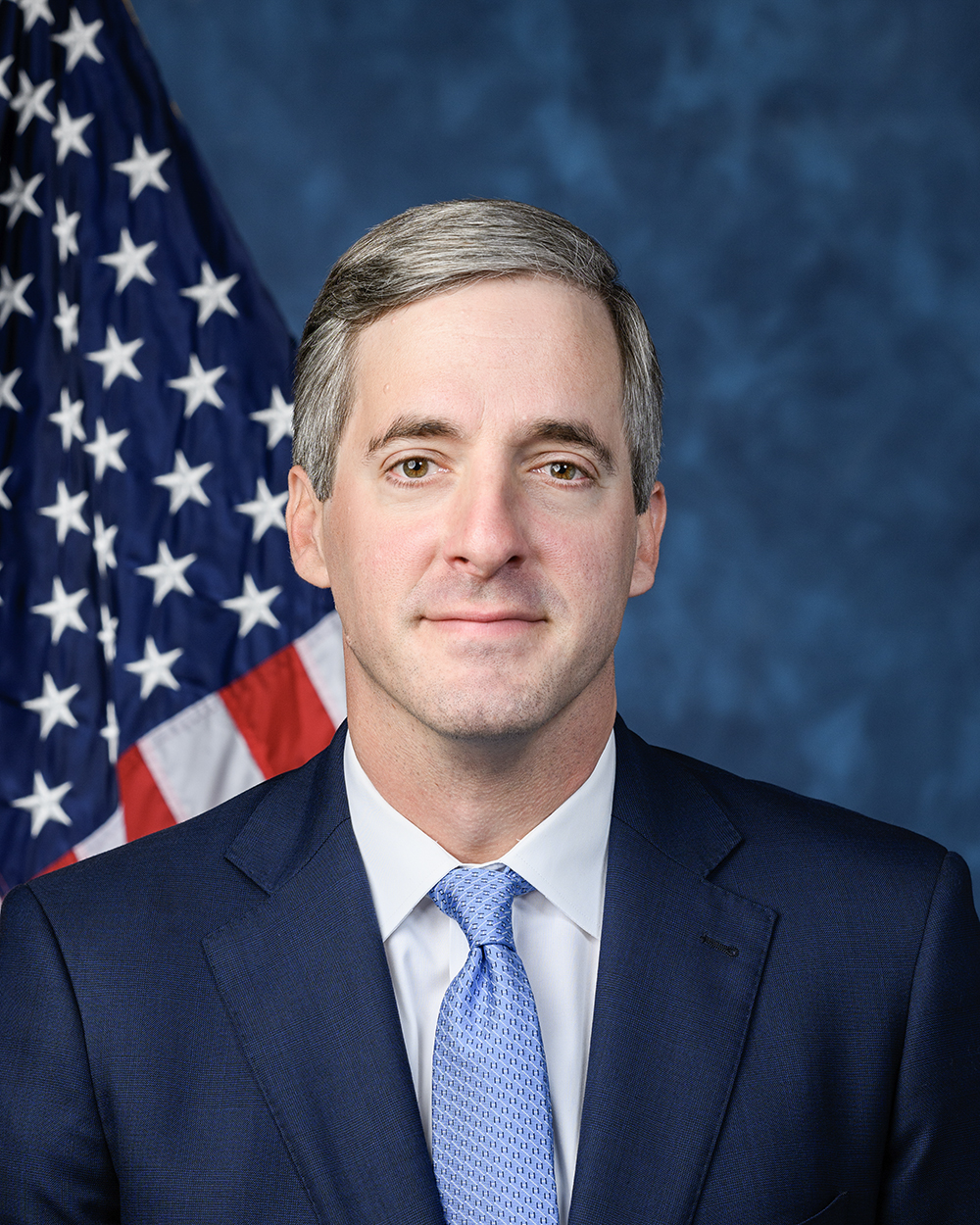
Pat Harrigan
Pat Harrigan House · District 10
R
Oppose
28% 18
Showing 901–910 of 3,150 bills

All healthcare bills

in committee · United States · Senate Mar 26, 2026

SJRES 148: A joint resolution providing for congressional disapproval under chapter 8 of title 5, United States Code, of the rule submitted by the Bureau of Consumer Financial Protection relating to the withdrawal of the rule relating to "Bulletin 2022-01: Medical Debt Collection and Consumer Reporting Requirements in Connection with the No Surprises Act".

This joint resolution seeks to disapprove a Bureau of Consumer Financial Protection rule that would remove previous requirements about medical debt collection and consumer reporting under the No Surprises Act. The bill directly affects the federal agency responsible for consumer financial protection and would prevent the withdrawal of the 2022 bulletin that set specific rules for how medical debt is handled. If passed, the resolution would stop the new rule from taking effect, keeping the existing medical debt collection requirements in place. The measure requires approval from both the Senate and House of Representatives before it can become law.
in committee · United States · House Nov 20, 2025

HRES 902: Providing for consideration of the bill (H.R. 185) to advance responsible policies.

This resolution, HRES 902, sets up the House to consider H.R. 185, known as the Bipartisan Healthcare Optimization, Protection, and Extension Act. The bill extends financial assistance for health insurance through 2027 by adjusting premium tax credits for people earning up to 935% of the poverty line. It also adds stricter rules and penalties for insurance agents and brokers who provide incorrect or fraudulent information during enrollment. The legislation includes consumer protections like verification processes for enrollments, requirements to notify people about their tax credits, and procedures to remove deceased individuals from health plans. Finally, it extends the open enrollment period for 2026 to run from November 1, 2025, to May 15, 2026.
Sub-Topics Insurance
in committee · United States · Senate Apr 29, 2026

S 3988: Veterans STAND Act

This bill requires the Department of Veterans Affairs to provide annual preventative health evaluations to veterans with spinal cord injuries or disorders who choose to participate. These evaluations will assess risks for health complications, chronic pain management, dietary needs, prosthetic equipment functionality, and access to assistive technologies like powered mobility devices and neuromodulation systems. The Secretary of Veterans Affairs must consult with medical specialists and technology manufacturers when developing rules for these evaluations and must report annually to Congress on how many veterans receive these services and what assistive technologies are prescribed.
in committee · United States · Senate May 13, 2026

SJRES 141: A joint resolution providing for congressional disapproval under chapter 8 of title 5, United States Code, of the rule submitted by Bureau of Consumer Financial Protection relating to the withdrawal of the rule relating to "Debt Collection Practices (Regulation F); Deceptive and Unfair Collection of Medical Debt".

This bill seeks to overturn a rule issued by the Bureau of Consumer Financial Protection that would have removed previous restrictions on how medical debt is collected. It directly affects medical debt collectors and consumers by attempting to reinstate earlier regulations that prohibited deceptive and unfair collection practices. The legislation uses a congressional disapproval process to declare the new rule invalid, meaning the previous protections for medical debt collectors would remain in place. If passed, this action would prevent the Bureau from withdrawing the existing guidelines on medical debt collection.
in committee · United States · House Mar 18, 2026

HR 7983: Clean Water for All Life Act

This bill, titled the Clean Water for All Life Act, would amend federal criminal law to prohibit chemical abortions unless a healthcare provider is physically present during the procedure. It directly affects individuals who prescribe, administer, or assist with chemical abortion drugs like mifepristone and misoprostol by making it a federal crime to provide these services without a physical exam and the provider's presence. The law requires that patients receive a catch kit and red bag medical waste container with disposal instructions, and it defines an unborn child as beginning at fertilization. Violations could result in up to five years in prison and a $50,000 fine for each occurrence. The bill does not address other forms of abortion or change existing state laws.
in committee · United States · House Mar 4, 2026

HR 7790: Medical Records Access Fairness Act of 2026

This bill, known as the Medical Records Access Fairness Act of 2026, would require health care providers to give patients free copies of their medical records unless specific exceptions apply. Under the new rules, patients could be charged fees only if they request duplicate records already provided in the same year or a non-electronic version of records already available online. The legislation also allows providers to send medical records to other health care providers in any usable format when requested by the patient. Health care providers would not be required to provide free copies to attorneys representing the patient. The Department of Health and Human Services would have six months to create regulations implementing these changes, with the rules taking effect 180 days after the bill is enacted.
in committee · United States · Senate Mar 12, 2026

S 4076: Removing Medicare Mental Health Inpatient Limitations Act of 2026

This bill proposes to remove the 190-day lifetime limit on inpatient psychiatric hospital services for Medicare beneficiaries. It directly affects older Americans and other eligible individuals who rely on Medicare for mental health care coverage. The key provision amends the Social Security Act to delete the specific restriction that currently caps how many days Medicare will pay for inpatient psychiatric hospital stays. Changes made by this legislation would take effect on January 1, 2027, allowing Medicare to cover these services without the previous daily limit.
in committee · United States · House Mar 3, 2026

HR 7770: Hearing Aid Assistance Tax Credit Act

This bill, known as the Hearing Aid Assistance Tax Credit Act, would create a new tax credit for individuals who purchase hearing aids. It directly affects taxpayers who buy qualified hearing aids and want to reduce their income tax liability. The credit would provide up to $1,000 per year for hearing aid purchases that are not covered by insurance, with income limits set at $300,000 for joint filers and $150,000 for other individuals. The bill also includes a provision preventing taxpayers from claiming this credit more than once every five years and ensures they cannot receive both a deduction and credit for the same expense. These changes would take effect for taxable years beginning after December 31, 2026.
Sub-Topics Income Tax Tax Credits
in committee · United States · House Mar 30, 2026

HRES 1148: Expressing support for the recognition of April as "National Language Access Month".

This resolution expresses support for recognizing April as National Language Access Month to highlight the importance of language services for individuals with limited English proficiency. It directly affects millions of Americans who speak languages other than English at home and rely on translation and interpretation services to access public services. The bill does not create new laws or funding but serves as a symbolic gesture to raise awareness about existing federal requirements for language access in areas like healthcare, employment, and voting. It encourages federal agencies, state and local governments, and community organizations to promote awareness of language access rights and resources during the designated month.
Sub-Topics Immigrant Services
in committee · United States · House Apr 3, 2026

HR 7906: FOOD for Health Act

This bill directs the Secretary of Agriculture to create a pilot grant program that funds Food is Medicine initiatives, which connect community organizations with healthcare providers to help people manage diet-related diseases through nutrition-focused services. The program would provide grants for activities such as medically tailored grocery deliveries, cooking classes, and emergency food operations, with priority given to projects using local foods and involving nutrition professionals. Funding of up to $20 million is authorized for fiscal years 2027 through 2031, and the Secretary must submit reports to Congress on how the program affects participant health outcomes and system costs.
Showing 901 to 910 of 3,150 bills
Previous 1 … 90 91 92 … 315 Next