Issue · Healthcare

Healthcare

Every healthcare bill, vote, and legislator stance in United States, automatically classified by Maddy, our AI policy reader.

Total bills
240
119th Congress
Top supporter
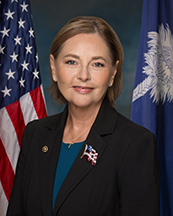
Darline Graham
100% support rate
Top opponent
Ashley Moody
18% support rate
Ranked legislators
10
5 support · 5 oppose
Key legislators

Who's moving healthcare in United States

Legislators moving healthcare in United States
Legislator Party Stance Support rate Decisive votes
Darline Graham
Darline Graham Senate
R
Strong +
100% 6
AA
Alan Armstrong Senate
R
Strong +
88% 8
Peter Welch
Peter Welch Senate
D
Strong +
82% 22
Ron Wyden
Ron Wyden Senate
D
Support
77% 22
Alex Padilla
Alex Padilla Senate
D
Support
76% 21
Ashley Moody
Ashley Moody Senate
R
Strong −
18% 22
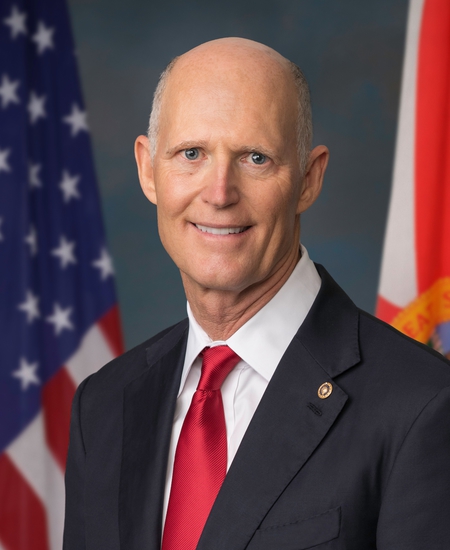
Rick Scott
Rick Scott Senate
R
Strong −
18% 22
Rand Paul
Rand Paul Senate
R
Oppose
23% 22
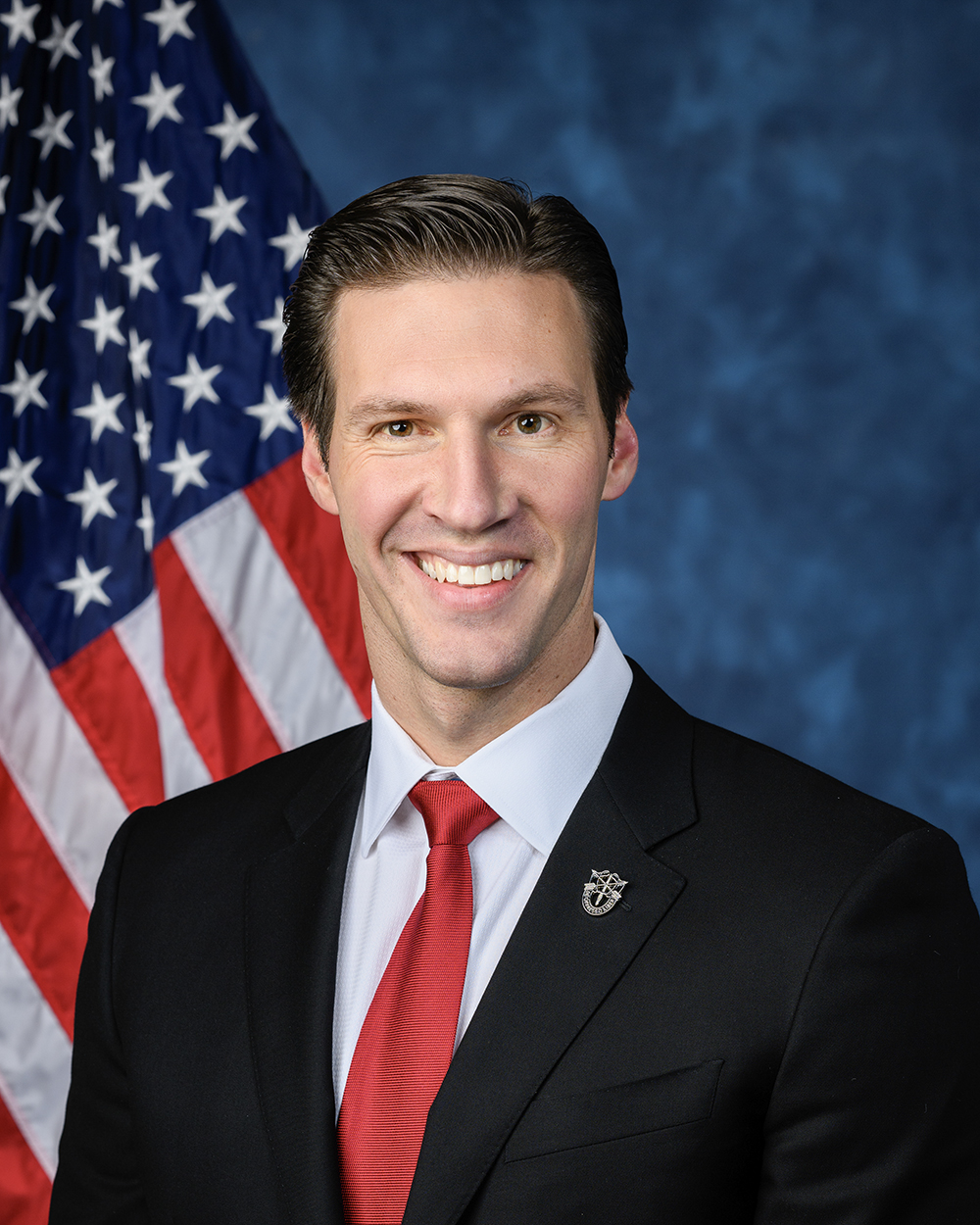
Brad Knott
Brad Knott House · District 13
R
Oppose
28% 18
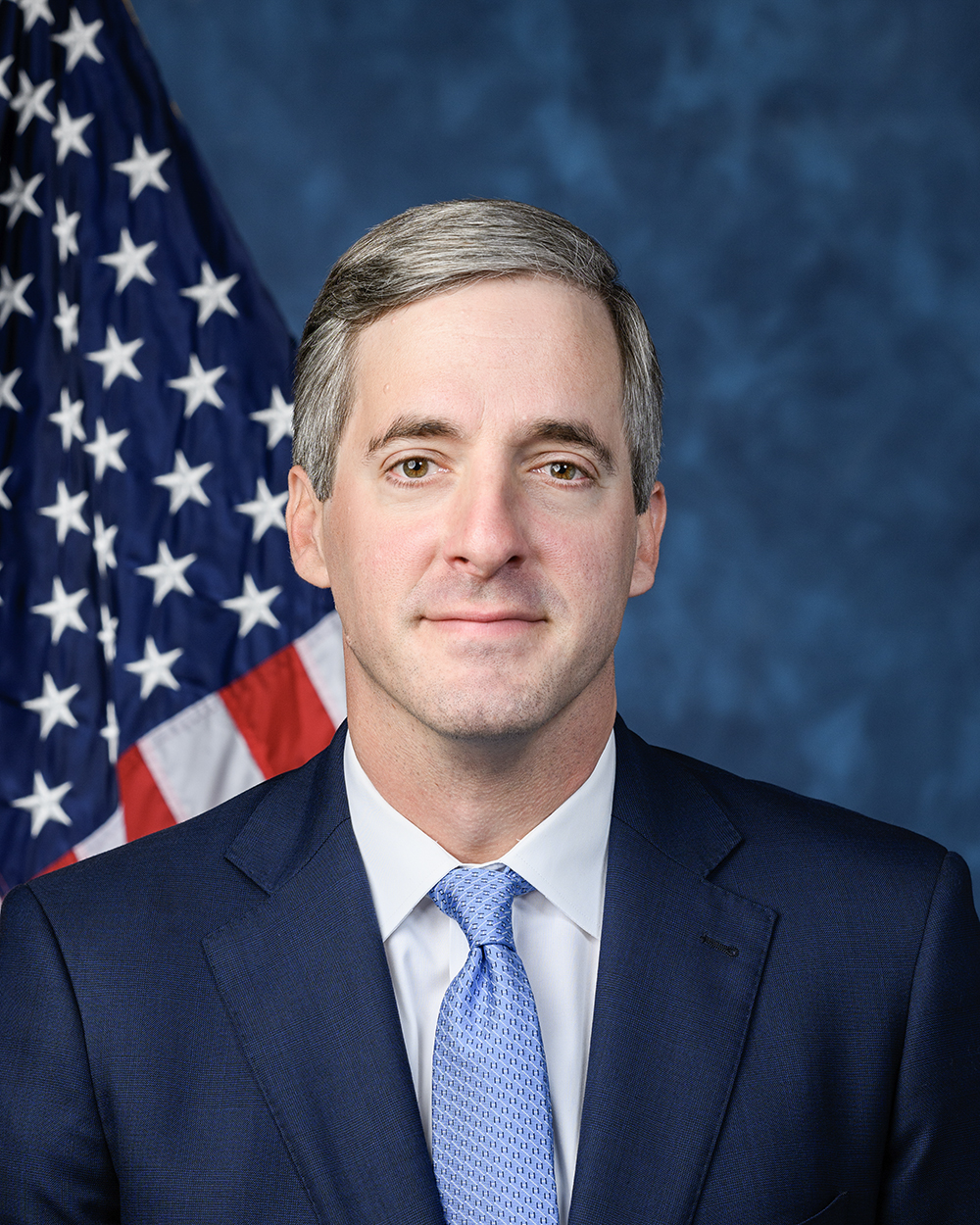
Pat Harrigan
Pat Harrigan House · District 10
R
Oppose
28% 18
Showing 61–70 of 240 bills

All healthcare bills

in committee · United States · Senate Jan 24, 2025

S 250: Protecting Life in Foreign Assistance Act

Protecting Life in Foreign Assistance Act This bill prohibits the provision of funding for purposes outside the United States to certain foreign or domestic organizations that perform or promote abortions, furnish or develop items intended to procure abortions, or provide financial support for an entity that conducts such activities.
passed · United States · House Jan 15, 2026

HR 7006: Financial Services and General Government and National Security, Department of State, and Related Programs Appropriations Act, 2026

# Summary of U.S. Department of State, Foreign Operations, and Related Programs Appropriations Bill This document is a comprehensive federal appropriations bill for the Department of State, foreign operations, and related programs for fiscal year 2026. It contains detailed provisions governing the allocation, use, and reporting requirements for foreign assistance funds. ## Key Provisions 1. **Funding Restrictions**: - Prohibits funding for abortions as a method of family planning or involuntary sterilization - Bans direct assistance to governments of Cuba, North Korea, or Iran - Prohibits assistance to countries that have experienced a military coup d'état - Restricts assistance to countries in default on U.S. loans - Prohibits funding for countries supporting international terrorism 2. **Notification Requirements**: - Mandates 15-day advance notification to Congress for program changes exceeding $1 million or 10% - Requires prior consultation for major program changes or reprogramming - Requires notification for assistance to specific countries including Afghanistan, Iran, Syria, and others 3. **Funding Allocation Rules**: - Specifies minimum funding levels for various programs - Limits deviations from designated amounts to 10% (up to 50% for national security emergencies) - Requires detailed reports on fund allocation at program, project, and activity levels 4. **Prohibited Expenditures**: - Bans first-class travel in contravention of federal regulations - Prohibits use of funds for tobacco promotion - Restricts use of funds for entertainment at recreational events - Requires computer network filters to block sexually explicit websites 5. **Reporting and Transparency**: - Requires posting of reports on public websites within 45 days - Mandates detailed beneficiary feedback collection for assistance programs - Requires impact evaluations of foreign assistance programs - Requires coordination of foreign assistance with Department of State programs 6. **Transfer Authorities**: - Allows limited transfers between appropriations accounts (up to 5%) - Requires prior consultation for significant transfers - Prohibits transfers to other departments without specific authorization This bill represents a comprehensive framework for U.S. foreign assistance, emphasizing accountability, transparency, national security considerations, and restrictions on certain types of funding. It contains numerous specific prohibitions and requirements aimed at ensuring U.S. foreign aid serves American interests while adhering to specific policy constraints.
Sub-Topics Appropriations
in committee · United States · Senate Jan 23, 2025

S 205: Protecting Individuals with Down Syndrome Act

Protecting Individuals with Down Syndrome Act This bill creates new federal crimes related to the performance of an abortion on an unborn child who has Down syndrome. It subjects a violator to criminal penalties—a fine, a prison term of up to five years, or both. It also authorizes civil remedies, including damages and injunctive relief. A woman who undergoes such an abortion may not be prosecuted or held civilly liable.
Sub-Topics Women's Health
in committee · United States · House Jan 3, 2025

HR 54: WHO Withdrawal Act

HR 54, the WHO Withdrawal Act, directs the U.S. President to withdraw the United States from the World Health Organization (WHO) Constitution upon enactment and prohibits all federal funding for U.S. participation in the WHO or any successor organization. The bill repeals the 1948 law that established U.S. membership and funding for WHO participation. This legislation directly affects all federal departments and agencies that handle international health funding and diplomatic engagement, ending U.S. financial and legal ties to the WHO.
in committee · United States · Senate Feb 26, 2025

S 738: Dangerous Viral Gain of Function Research Moratorium Act

This bill prohibits federal funding for institutions conducting specific types of viral research. It bans new federal grants for gain-of-function research involving influenza viruses, coronaviruses (including SARS-CoV-2), or select agents listed by HHS or USDA. The law directly affects universities and research institutes that receive federal research grants and conduct this work. It does not ban the research itself but stops new federal funding for such projects, aiming to prevent potential risks from enhanced viral pathogens.
Sub-Topics Public Health
in committee · United States · House Feb 6, 2025

HR 1085: CARGO Act of 2025

The CARGO Act of 2025 prohibits the National Institutes of Health (NIH) from funding any research involving live animals conducted outside the United States. It directly affects foreign organizations and researchers who previously received NIH grants for animal research abroad, including projects funded under the $2.2 billion in grants from 2011-2021. The key provision amends the Public Health Service Act to ban NIH support for such overseas research, requiring all animal research funded by the NIH to occur within the U.S. (including territories and the District of Columbia). This change aims to address concerns about inadequate oversight of animal welfare in foreign labs where self-reported data may be inaccurate.
Sub-Topics Public Health
in committee · United States · House Jul 21, 2026

HR 7970: STOP Nitazenes Act

This bill, known as the STOP Nitazenes Act, directs the federal government to permanently classify nitazenes and related synthetic opioids as Schedule I controlled substances, placing them in the same legal category as heroin and fentanyl. The legislation specifically targets a broad range of chemical compounds, including etonitazene and other variants, by defining them as 2-benzylbenzimidazole opioids and requiring the Attorney General to publish a list of qualifying substances. Under the bill, any nitazene substance temporarily scheduled under emergency provisions would be made permanently scheduled upon enactment, ensuring long-term federal control. The law also mandates that the Attorney General issue implementing rules within one year, allowing for immediate interim enforcement while providing opportunities for public comment before final regulations are established.
in committee · United States · House Jan 22, 2025

HR 600: WHO is Accountable Act

HR 600, the "WHO is Accountable Act," prohibits U.S. federal funds from supporting the World Health Organization (WHO) until the organization meets eight specific conditions. These include ending perceived Chinese Communist Party influence, ending alleged pandemic cover-ups, granting Taiwan observer status, and halting WHO activities on gender identity, climate change, and abortion access. The bill blocks all U.S. contributions and membership efforts until the State Department certifies WHO compliance. It directly affects U.S. agencies managing international health funding and WHO's operational policies.
in committee · United States · House Aug 29, 2025

HR 5075: GRACE Act

HR 5075, the GRACE Act, requires schools receiving federal education funds to allow religious exemptions from vaccination requirements without requiring documentation. It directly affects K-12 public schools and school agencies that receive federal funding, as they must permit students (or their parents/guardians for minors under 18) to skip vaccinations based on religious belief. The key provision mandates that schools cannot demand proof of a religious belief to grant such exemptions. This changes how schools handle vaccination policies for enrollment, attendance, and school activities when receiving federal education dollars.
Sub-Topics Public Health
in committee · United States · Senate Feb 4, 2025

S 396: Stop GREED Act of 2025

This bill prohibits critical skill pay supplements for Senior Executive Service (SES) employees working at the Department of Veterans Affairs' (VA) Central Office (including Veterans Health Administration, Benefits Administration, and National Cemetery Administration), regardless of where they perform duties. It allows limited exceptions for SES employees primarily working at non-Central Office facilities, requiring incentives to be proportional to time spent at those locations. The bill also mandates annual reports to Congress listing VA SES employees receiving such incentives, starting one year after enactment. The policy directly affects VA senior leadership positions at the Central Office and modifies existing pay incentive rules for these roles.
Showing 61 to 70 of 240 bills
Previous 1 … 6 7 8 … 24 Next