Issue · Healthcare

Healthcare

Every healthcare bill, vote, and legislator stance in United States, automatically classified by Maddy, our AI policy reader.

Total bills
3,150
119th Congress
Top supporter
Darline Graham
100% support rate
Top opponent
Ashley Moody
18% support rate
Ranked legislators
10
5 support · 5 oppose
Key legislators

Who's moving healthcare in United States

Legislators moving healthcare in United States
Legislator Party Stance Support rate Decisive votes
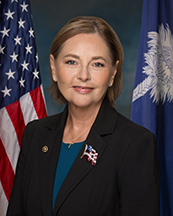
Darline Graham
Darline Graham Senate
R
Strong +
100% 6
AA
Alan Armstrong Senate
R
Strong +
88% 8
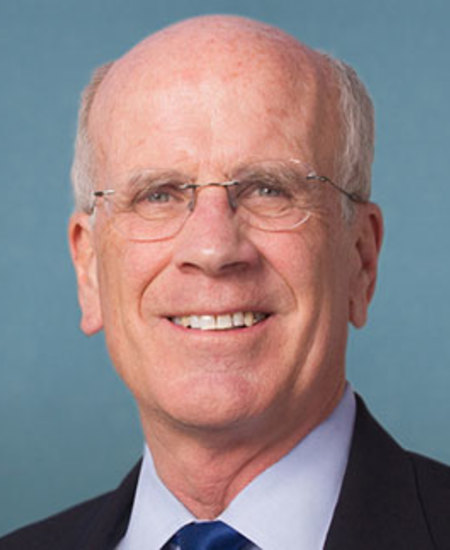
Peter Welch
Peter Welch Senate
D
Strong +
82% 22
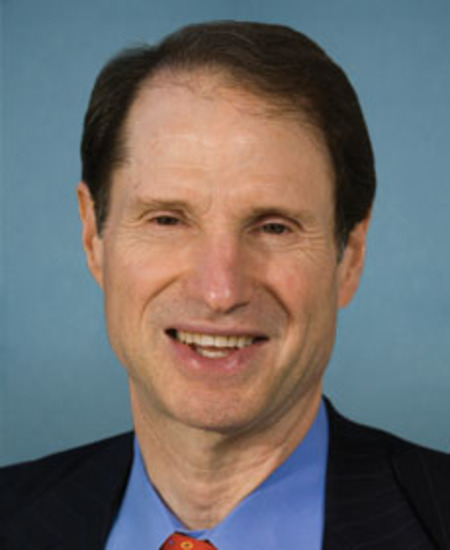
Ron Wyden
Ron Wyden Senate
D
Support
77% 22
Alex Padilla
Alex Padilla Senate
D
Support
76% 21
Ashley Moody
Ashley Moody Senate
R
Strong −
18% 22
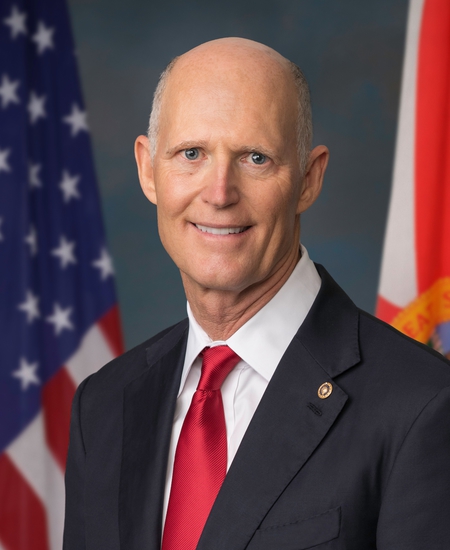
Rick Scott
Rick Scott Senate
R
Strong −
18% 22
Rand Paul
Rand Paul Senate
R
Oppose
23% 22
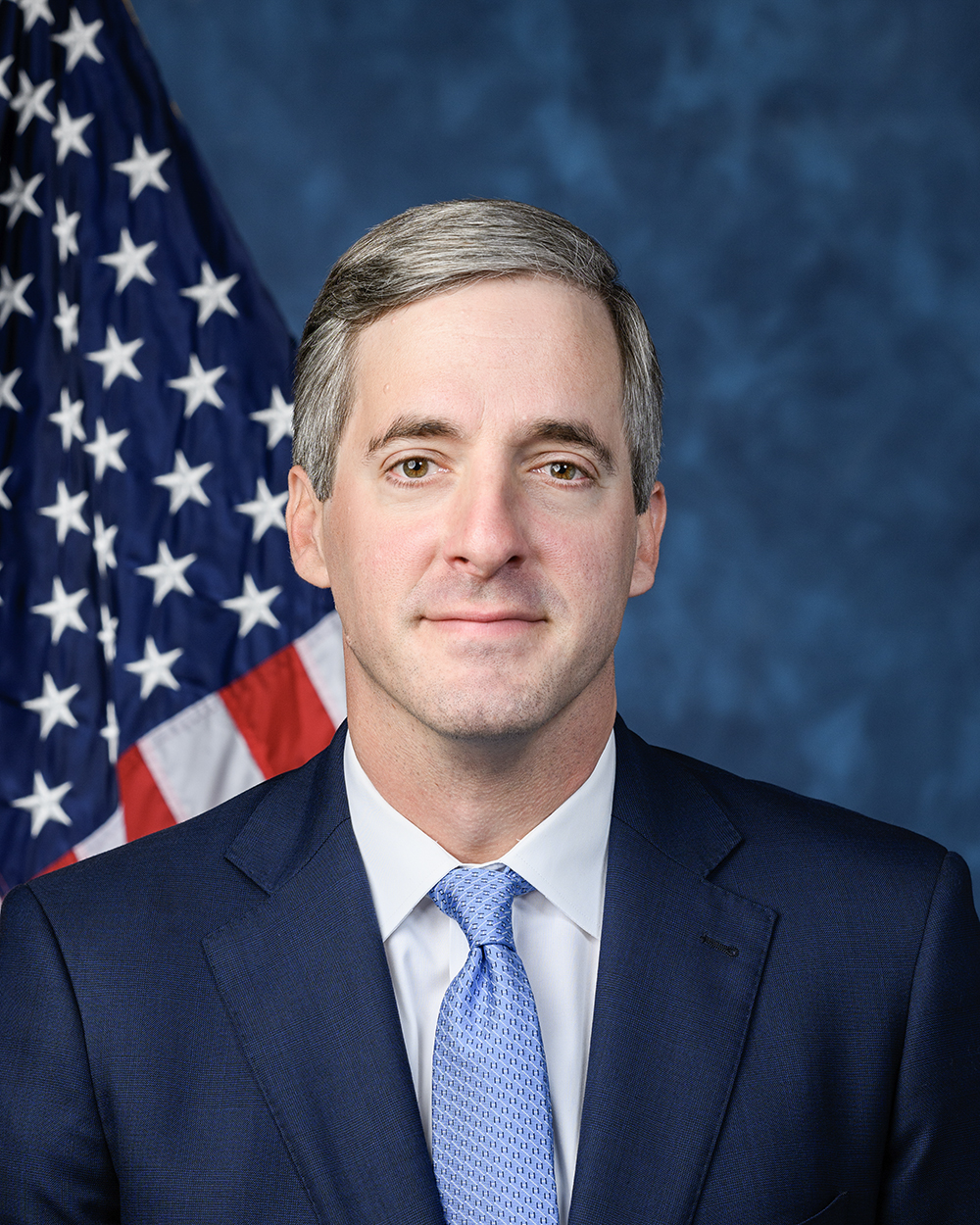
Brad Knott
Brad Knott House · District 13
R
Oppose
28% 18
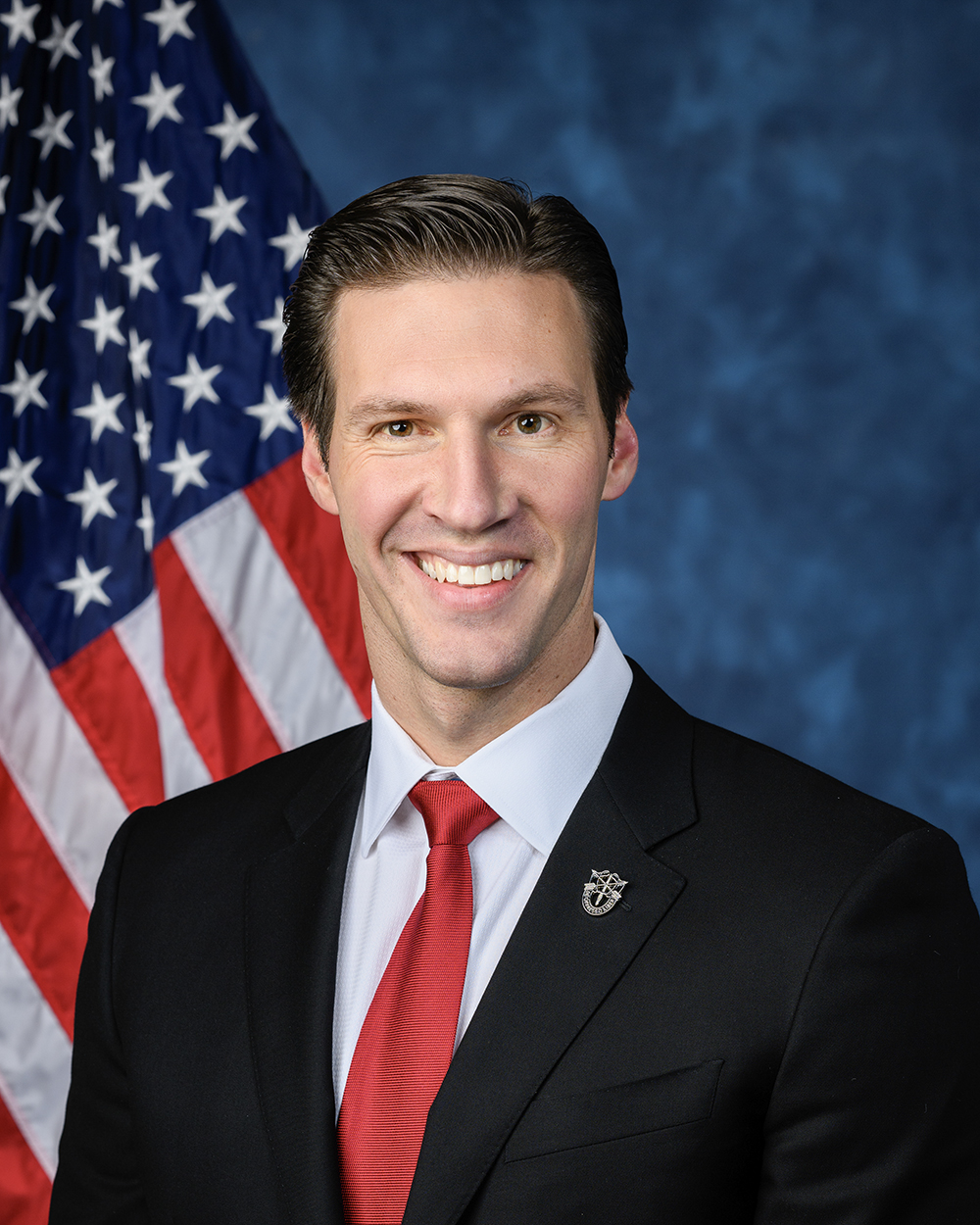
Pat Harrigan
Pat Harrigan House · District 10
R
Oppose
28% 18
Showing 641–650 of 3,150 bills

All healthcare bills

in committee · United States · House Apr 27, 2026

HR 8504: Rural Health Resilience Act of 2026

The Rural Health Resilience Act of 2026 creates a new program to provide loans and loan guarantees to struggling health facilities in rural areas to prevent them from closing or cutting essential services. This assistance is available to various types of rural hospitals, clinics, and behavioral health centers that demonstrate financial distress through metrics like low operating margins or insufficient cash reserves. The funds can be used for facility repairs, covering operational costs such as payroll and supplies, paying down debt, or bridging gaps in insurance reimbursements. Additionally, the program prioritizes support for sole community providers and areas with high poverty rates, and requires the Secretary of Agriculture to report on the program's outcomes to Congress within 18 months.
Sub-Topics Hospitals Mental Health Tags Rural Communities
in committee · United States · House Apr 23, 2026

HR 8484: Hazard Pay for Health Care Heroes Act

The Hazard Pay for Health Care Heroes Act establishes a grant program to provide financial compensation and safety resources to essential health care workers during declared emergencies or disasters. This legislation directly affects medical providers, support staff, and other frontline workers whose jobs cannot be performed remotely, such as orderlies and janitors in health care settings. Under the bill, eligible facilities can receive federal funds to pay workers an additional hourly rate of up to $13 for hazardous duties, with a yearly cap of $25,000 per employee, while also allowing funds for protective equipment and alternative transportation. The program is triggered by various federal or state emergency declarations and authorizes the necessary funding to implement these hazard pay measures.
passed · United States · House Jul 21, 2026

HR 8823: Putting Patients First by Strengthening Provider Accountability in FECA Act

This bill, known as the Putting Patients First by Strengthening Provider Accountability in FECA Act, aims to improve oversight of healthcare providers who receive payments under the Federal Employees Health Benefits program. It directly affects medical service providers, suppliers, and the Department of Labor by introducing a new rule that allows the Secretary of Labor to suspend payments to any provider convicted of fraud in this program, federal health care benefit programs, or similar state programs. The law requires the Secretary to issue regulations to enforce this suspension authority and specifies that the changes will take effect 180 days after the bill is enacted.
Sub-Topics Medicare
in committee · United States · House Apr 28, 2026

HR 8545: Access to Donor Milk Act of 2026

The Access to Donor Milk Act of 2026 expands federal support for nonprofit organizations that collect, test, and distribute pasteurized donor human milk. It amends existing child nutrition laws to allow state agencies to use funds for storing unprocessed milk donations and transferring them to these nonprofit banks. Additionally, the bill authorizes competitive grants to help these banks increase their capacity during declared disasters or public health emergencies. The legislation also requires the Department of Health and Human Services to launch a public awareness campaign educating parents and medical professionals about the benefits and safety of donor milk. Finally, it mandates that the Secretary of Health and Human Services convene a public meeting and issue draft safety standards for the collection and processing of donor human milk within 18 months of enactment.
Sub-Topics Public Health
in committee · United States · Senate Apr 30, 2026

S 4479: ACCESS Act

The ACCESS Act expands Medicaid coverage to include services in assisted living facilities for individuals who currently require nursing home-level care, provided they meet state income and resource limits. This change aims to lower costs by ensuring that the average expense for these residents does not exceed the cost of their care in a hospital or nursing facility. Additionally, the bill allows the Low-Income Housing Tax Credit to be used for projects that reduce long-term medical costs for the elderly by offering care in non-institutional settings. These provisions are scheduled to take effect on January 1, 2027, with a grace period for states needing to update their legislation to comply.
Sub-Topics Tax Credits Hospitals Long-Term Care Medicaid Tags Seniors
in committee · United States · House Apr 27, 2026

HR 8530: Quantum for Health Act

The Quantum for Health Act amends the National Quantum Initiative Act to broaden the scope of federal quantum research and education programs. It explicitly adds "social benefit" as a goal and includes "diverse sectors" alongside existing applications, ensuring that health-related fields are integrated into the national strategy. The bill also expands the oversight committees and advisory groups by adding the Department of Health and Human Services and requiring nonprofit research organizations to be included in coordination efforts. Furthermore, it increases the number of multidisciplinary research centers from five to ten and mandates that these centers focus on quantum information science, engineering, and technology to address health challenges while promoting diversity in STEM education.
Sub-Topics Emerging Technology
in committee · United States · House May 21, 2026

HRES 1318: Expressing support for the designation of the month of May 2026 as "Progressive Supranuclear Palsy and Corticobasal Degeneration Awareness Month".

This resolution expresses support for designating May 2026 as Awareness Month for Progressive Supranuclear Palsy and Corticobasal Degeneration, two rare and complex neurodegenerative diseases. The measure highlights the challenges faced by the approximately 32,000 Americans living with these conditions, including difficulties with diagnosis, limited treatment options, and the significant impact on families and caregivers. By officially recognizing this month, the House aims to encourage increased public awareness, promote research into better treatments and cures, and honor the resilience of the affected community.
in committee · United States · House May 21, 2026

HRES 1311: Expressing support for the designation of May 2026 as "Necrotizing Fasciitis Awareness Month".

This resolution expresses support for designating May 2026 as Necrotizing Fasciitis Awareness Month to highlight a rare and severe bacterial infection. The bill encourages federal, state, and local agencies, healthcare providers, and community organizations to promote public education about the disease's symptoms and risks. By raising awareness, the measure aims to encourage early detection and prompt medical treatment, which are critical for improving patient outcomes and survival rates. Additionally, the resolution offers support to patients, survivors, and their families who face long-term physical and emotional challenges from the infection.
in committee · United States · House Apr 30, 2026

HR 8629: Developing the Community Health Workforce Act of 2026

This bill aims to strengthen the community health workforce by providing financial incentives and new training opportunities for health centers serving underserved areas. It establishes a priority system for assigning federal health professionals to rural clinics and creates a grant program that helps health centers repay student loans for staff who commit to working there. The legislation also expands funding for partnerships between health centers and colleges to train new workers, specifically targeting behavioral health specialists, and allows these centers to participate in medical residency programs. Additionally, the bill broadens Medicare and Medicaid coverage to include services provided by behavioral health consultants and case managers at these facilities.
in committee · United States · House Apr 30, 2026

HR 8620: CARES Hotline Act

This bill establishes a national, toll-free hotline to provide emotional support, information, and referrals to caregivers of individuals with developmental disabilities. The service would be available 24/7 in both voice and text formats, staffed by trained professionals and peer supporters who can connect callers to local and federal resources. To ensure quality and reach, the program would prioritize partnerships with community organizations and include a public awareness campaign alongside a national database of available services. Funding of $10 million per year from 2027 to 2032 is authorized to maintain the hotline and support related training and reporting requirements.
Sub-Topics Mental Health
Showing 641 to 650 of 3,150 bills
Previous 1 … 64 65 66 … 315 Next