Issue · Healthcare

Healthcare

Every healthcare bill, vote, and legislator stance in United States, automatically classified by Maddy, our AI policy reader.

Total bills
3,150
119th Congress
Top supporter
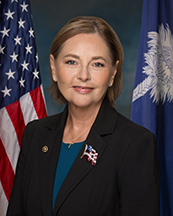
Darline Graham
100% support rate
Top opponent
Ashley Moody
18% support rate
Ranked legislators
10
5 support · 5 oppose
Key legislators

Who's moving healthcare in United States

Legislators moving healthcare in United States
Legislator Party Stance Support rate Decisive votes
Darline Graham
Darline Graham Senate
R
Strong +
100% 6
AA
Alan Armstrong Senate
R
Strong +
88% 8
Peter Welch
Peter Welch Senate
D
Strong +
82% 22
Ron Wyden
Ron Wyden Senate
D
Support
77% 22
Alex Padilla
Alex Padilla Senate
D
Support
76% 21
Ashley Moody
Ashley Moody Senate
R
Strong −
18% 22
Rick Scott
Rick Scott Senate
R
Strong −
18% 22
Rand Paul
Rand Paul Senate
R
Oppose
23% 22
Brad Knott
Brad Knott House · District 13
R
Oppose
28% 18
Pat Harrigan
Pat Harrigan House · District 10
R
Oppose
28% 18
Showing 621–630 of 3,150 bills

All healthcare bills

in committee · United States · House Apr 28, 2026

HRES 1223: Expressing support for the designation of Undiagnosed Awareness Month.

This resolution expresses support for designating April as Undiagnosed Awareness Month to highlight the challenges faced by the approximately 25 million Americans living with rare diseases that have not yet been identified. The bill aims to raise public awareness about the difficulties these patients endure, such as long diagnostic delays, misdiagnoses, and lack of treatment options, while honoring the work of the Undiagnosed Diseases Network and related research efforts. By acknowledging this month, the House intends to promote greater understanding of the need for improved diagnostic tools and equitable access to medical care for individuals with undiagnosed conditions.
in committee · United States · House Apr 23, 2026

HR 8487: Ensuring Excellence in Mental Health Act

The Ensuring Excellence in Mental Health Act expands federal support for certified community behavioral health clinics (CCBHCs) by modifying how these facilities are funded under Medicaid and Medicare. Under the new rules, states and the federal government will use a prospective payment system to pay CCBHCs based on the cost of providing care rather than per-visit fees, while also extending coverage to additional services like primary health care. The legislation establishes a new grant program to help clinics operate and expand, creates a national data system to track clinic performance, and introduces an accreditation requirement to ensure quality standards are met. Additionally, the bill extends liability protections to clinicians working in these clinics and removes certain financial barriers for Medicare patients seeking care at CCBHCs.
in committee · United States · House Apr 28, 2026

HRES 1222: Recognizing the designation of the week of April 24 through April 30 as the annual "National Reentry Week".

This resolution officially designates the week of April 24 through April 30 as the annual "National Reentry Week" to raise awareness about the challenges formerly incarcerated individuals face when returning to society. The bill highlights the need for better support systems, such as access to housing, education, job training, and mental health services, to help reduce recidivism rates. It encourages the Department of Justice and the Bureau of Prisons to coordinate reentry efforts and engage in related events during this designated week. While the measure does not change laws or allocate funding, it serves to focus national attention on policies that promote successful reintegration and public safety.
in committee · United States · House Apr 22, 2026

HR 8447: Protecting America from Seasonal and Pandemic Influenza Act of 2026

The Protecting America from Seasonal and Pandemic Influenza Act of 2026 aims to strengthen the United States' ability to prevent, detect, and respond to flu outbreaks by modernizing vaccine development and securing the domestic supply chain. The bill sets specific national goals, such as delivering pandemic vaccines within 12 weeks of a threat emerging and developing a universal flu vaccine within a decade, while also requiring agencies to create detailed plans to meet these targets. It authorizes significant funding to support research into new diagnostics and treatments, establishes partnerships to reduce reliance on foreign manufacturing, and launches demonstration projects to improve vaccine access for underserved communities. Additionally, the legislation mandates regular reporting on public communication strategies to combat misinformation and ensures that federal stockpiles of antivirals and testing supplies are regularly updated and diversified.
in committee · United States · Senate Apr 15, 2026

S 4304: TRAVEL Act of 2026

The TRAVEL Act of 2026 authorizes the Department of Veterans Affairs to assign physicians to serve as traveling doctors in U.S. territories and possessions, including American Samoa, Guam, Puerto Rico, and the Virgin Islands. These physicians would work for up to one year at approved facilities to provide direct health care to veterans living in these areas. To encourage participation, the bill requires the department to offer relocation or retention bonuses to these traveling physicians. Additionally, the law mandates that these doctors coordinate with local medical providers to ensure high-quality, continuous care for veterans. The legislation also includes minor technical updates to the relevant sections of the U.S. Code to reflect the new program.
in committee · United States · Senate May 19, 2026

S 4568: Nursing is a Professional Degree Act

This bill, titled the Nursing is a Professional Degree Act, updates federal definitions to classify nursing degrees at the master's or doctoral level as professional degrees. By amending the Higher Education Act, it explicitly lists nursing programs such as the Master of Science in Nursing (MSN) and Doctor of Nursing Practice (DNP) alongside other established professions like medicine and law. This change requires nursing degrees to meet specific criteria, including completion of academic requirements for professional practice and demonstration of skills beyond a standard bachelor's degree. The primary effect is to formally recognize nursing as a professional field within federal higher education regulations, which may influence how nursing programs are funded or categorized.
in committee · United States · House May 13, 2026

HR 8779: PBM Act

The Patients Before Monopolies Act aims to break up large health care companies that currently own both insurance or pharmacy benefit management services and physical pharmacies. It directly affects major health care conglomerates by making it illegal for them to own pharmacies while also managing drug pricing or insurance, requiring them to sell off their pharmacy operations within one year. The bill empowers federal agencies like the FTC and the Department of Justice to enforce these rules, impose financial penalties for non-compliance, and block future mergers that would recreate these conflicts of interest.
Sub-Topics Prescription Drugs
in committee · United States · House Apr 28, 2026

HR 8548: One Stop Shop Community Reentry Program Act of 2026

This bill authorizes the Attorney General to create a grant program that funds community-based organizations to establish "One Stop Shop" centers for formerly incarcerated individuals. These centers would provide a single location for comprehensive services, including job training, housing assistance, legal aid, and mental health support, while requiring applicants to develop needs assessments and plans for transportation and stakeholder collaboration. Additionally, the legislation authorizes funding for toll-free, 24/7 hotlines that connect people in need with local reentry resources and offer guidance on navigating the system. The program includes strict requirements for data collection and reporting to Congress to track outcomes such as recidivism rates and employment success, with a preference for hiring formerly incarcerated individuals to run these initiatives.
in committee · United States · House May 19, 2026

HR 8891: Rural MOMS Act of 2026

The Rural MOMS Act of 2026 modifies how Medicare counts hospital beds, specifically excluding labor and delivery rooms from the total number of acute care inpatient beds used to determine if a facility qualifies as a Critical Access Hospital. This change directly affects rural hospitals that provide maternity services by altering the financial thresholds required to maintain their special status under the Medicare program. By removing delivery rooms from the bed count calculation, the bill aims to prevent these facilities from losing their designation solely because they offer childbirth care. The legislation does not change how these hospitals are funded or operated, but rather adjusts the metric used to evaluate their eligibility for critical access benefits.
in committee · United States · Senate May 20, 2026

S 4578: Gateway to Careers Act of 2026

The Gateway to Careers Act of 2026 creates a new grant program to help states fund partnerships between workforce agencies, schools, and employers designed to guide individuals through specific career paths. These partnerships will receive federal funding to develop programs that connect education and training with in-demand jobs, while also providing essential support services like childcare, transportation, and mental health care to help participants complete their training. The bill prioritizes partnerships involving community colleges and those serving people facing barriers to employment, requiring applicants to use evidence-based strategies to improve student outcomes. To ensure accountability, the program mandates regular reporting on participant progress, job placement rates, and earnings, with a portion of funds reserved for independent evaluations of the initiative's effectiveness.
Showing 621 to 630 of 3,150 bills
Previous 1 … 62 63 64 … 315 Next