

Issue · Healthcare
Healthcare
Every healthcare bill, vote, and legislator stance in United States, automatically classified by Maddy, our AI policy reader.
Total bills
240
119th Congress
Top supporter
Darline Graham
100% support rate
Top opponent
Ashley Moody
18% support rate
Ranked legislators
10
5 support · 5 oppose
Key legislators
Who's moving healthcare in United States
| Legislator | Party | Stance | Support rate | Decisive votes |
|---|---|---|---|---|
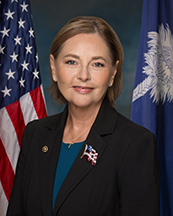
Darline Graham
Senate
|
R |
Strong +
|
100% | 6 |
|
AA
Alan Armstrong
Senate
|
R |
Strong +
|
88% | 8 |

Peter Welch
Senate
|
D |
Strong +
|
82% | 22 |

Ron Wyden
Senate
|
D |
Support
|
77% | 22 |

Alex Padilla
Senate
|
D |
Support
|
76% | 21 |

Ashley Moody
Senate
|
R |
Strong −
|
18% | 22 |

Rick Scott
Senate
|
R |
Strong −
|
18% | 22 |

Rand Paul
Senate
|
R |
Oppose
|
23% | 22 |

Brad Knott
House · District 13
|
R |
Oppose
|
28% | 18 |

Pat Harrigan
House · District 10
|
R |
Oppose
|
28% | 18 |
Showing 51–60 of 240
bills
All healthcare bills
HR 199: Implementing DOGE Act
Topics
✗ Budget & TaxesOpposes Budget & TaxesBill mandates automatic cuts to nonsecurity discretionary programs (education, transportation, environment), defunding essential services per indicators.
✗ EducationOpposes EducationBill mandates across-the-board cuts to nonsecurity discretionary spending, explicitly including education programs, resulting in defunding.
✗ EnvironmentOpposes EnvironmentBill mandates across-the-board spending cuts to nonsecurity federal programs including environmental programs, effectively defunding environmental initiatives.
✗ HealthcareOpposes HealthcareBill mandates across-the-board spending cuts to nonsecurity federal programs, which would likely reduce funding for healthcare services and public health initiatives included in those programs.
✗ TransportationOpposes TransportationBill mandates across-the-board cuts to nonsecurity discretionary programs including transportation, reducing funding by rescinding growth above 1%.
HR 2378: Defining Male and Female Act of 2025
HR 7196: To amend the District of Columbia Home Rule Act to prohibit the Council of the District of Columbia from enacting any law to permit euthanasia and assisted suicide in the District of Columbia, and for other purposes.
S 334: American Values Act
Sub-Topics
Women's Health
HR 4512: TRANS MICE Act
HR 3708: No Place for LGBTQ+ Hate Act
Topics
✗ HealthcareOpposes HealthcareBill reverses policies protecting transgender healthcare access, effectively restricting patient rights and limiting healthcare services for LGBTQ+ individuals.
✓ Labor & EmploymentSupports Labor & EmploymentRepeals executive orders mandating LGBTQ+ employment discrimination, directly advancing workplace equality and non-discrimination protections under Labor & Employment standards.
HR 32: No Bailout for Sanctuary Cities Act
Topics
✗ Budget & TaxesOpposes Budget & TaxesDenies federal funds to sanctuary jurisdictions, blocking funding for immigrant services including healthcare and legal aid, defunding essential programs.
✗ HealthcareOpposes HealthcareBill cuts federal funding for healthcare services provided to undocumented immigrants in sanctuary jurisdictions, restricting access to health services.
✗ ImmigrationOpposes ImmigrationBlocks funding for immigrant services (food, shelter, healthcare) and mandates cooperation with federal detainers, restricting access to aid for undocumented immigrants.
S 707: No Bailout for Sanctuary Cities Act
Topics
✗ Budget & TaxesOpposes Budget & TaxesBill defunds federal services (food, shelter, healthcare) for undocumented immigrants in sanctuary jurisdictions, directly restricting government spending on these programs.
✗ HealthcareOpposes HealthcareBill restricts federal funding for healthcare services to undocumented immigrants in sanctuary jurisdictions, limiting access to essential health services.
✗ HousingOpposes HousingBill prohibits federal funds for shelter services to undocumented immigrants, directly defunding a housing-related assistance program.
✗ ImmigrationOpposes ImmigrationDefunds services for undocumented immigrants in sanctuary jurisdictions, restricting access to aid like shelter and healthcare per bill's prohibition on federal funds.
S 1147: Defining Male and Female Act of 2025
Topics
✗ EducationOpposes EducationBill restricts gender identity recognition in federal contexts, limiting educational access and curriculum inclusivity for transgender and non-binary students in K-12 and higher education settings.
✗ HealthcareOpposes HealthcareBill restricts healthcare access by limiting federal protections for transgender individuals, potentially reducing coverage and services for gender-affirming care.