Issue · Healthcare

Healthcare

Every healthcare bill, vote, and legislator stance in United States, automatically classified by Maddy, our AI policy reader.

Total bills
3,150
119th Congress
Top supporter
Darline Graham
100% support rate
Top opponent
Ashley Moody
18% support rate
Ranked legislators
10
5 support · 5 oppose
Key legislators

Who's moving healthcare in United States

Legislators moving healthcare in United States
Legislator Party Stance Support rate Decisive votes
Darline Graham
Darline Graham Senate
R
Strong +
100% 6
AA
Alan Armstrong Senate
R
Strong +
88% 8
Peter Welch
Peter Welch Senate
D
Strong +
82% 22
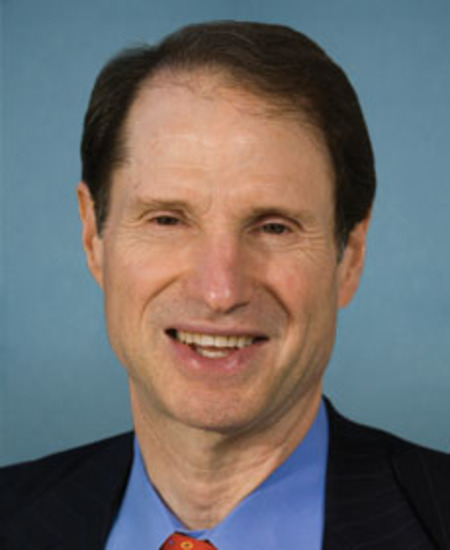
Ron Wyden
Ron Wyden Senate
D
Support
77% 22
Alex Padilla
Alex Padilla Senate
D
Support
76% 21
Ashley Moody
Ashley Moody Senate
R
Strong −
18% 22
Rick Scott
Rick Scott Senate
R
Strong −
18% 22
Rand Paul
Rand Paul Senate
R
Oppose
23% 22
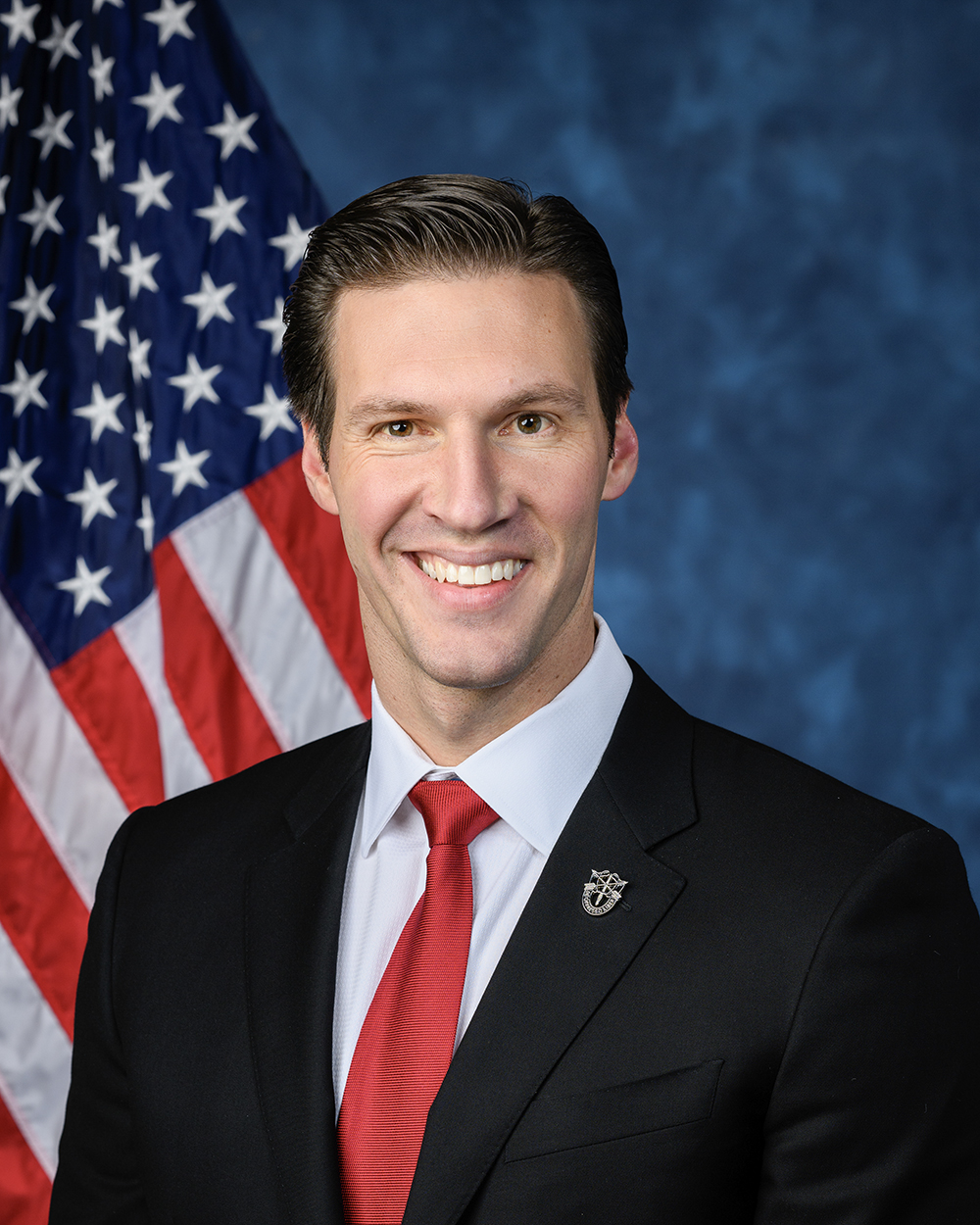
Brad Knott
Brad Knott House · District 13
R
Oppose
28% 18
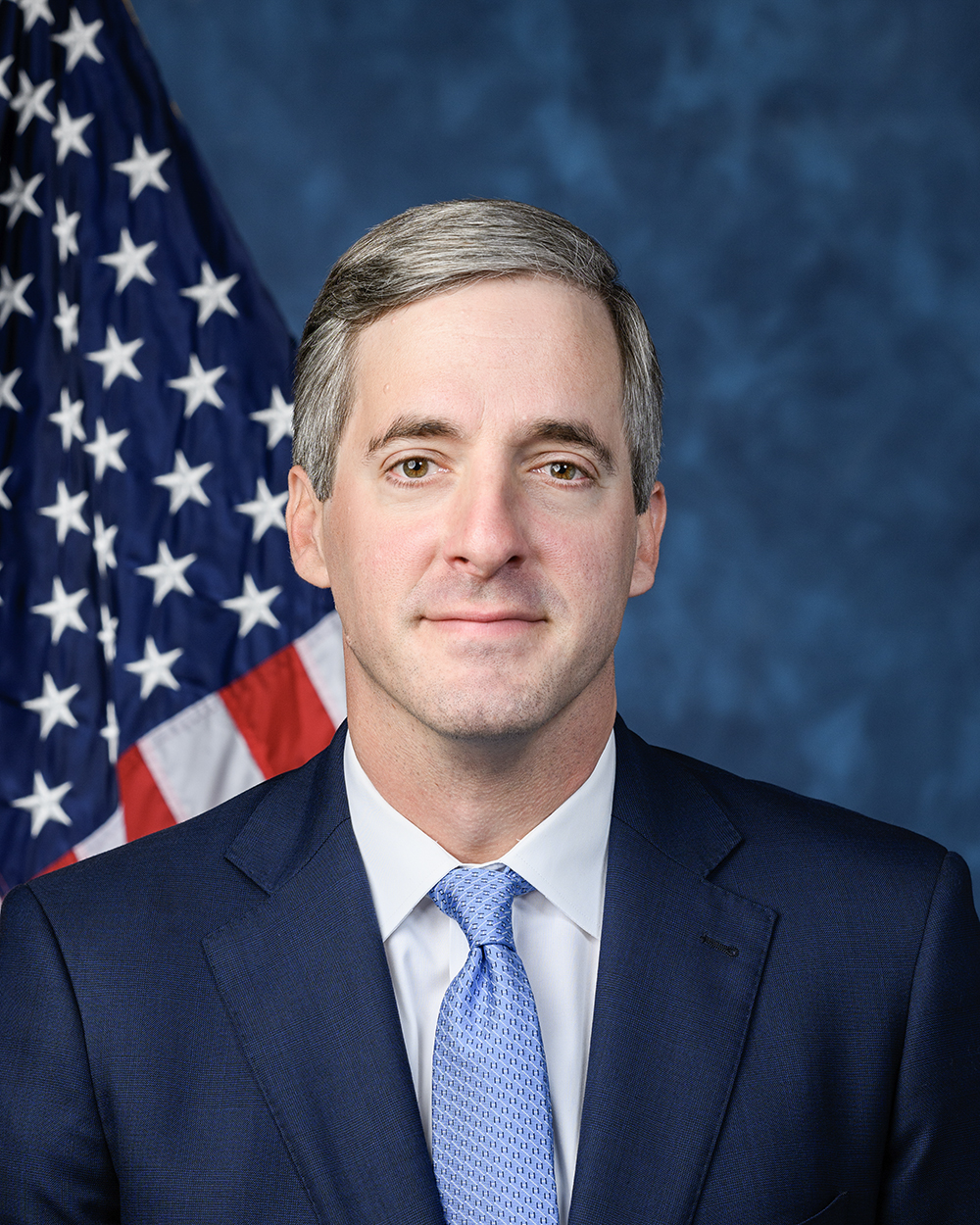
Pat Harrigan
Pat Harrigan House · District 10
R
Oppose
28% 18
Showing 501–510 of 3,150 bills

All healthcare bills

in committee · United States · House Jun 2, 2026

HR 9108: To amend title XVIII of the Social Security Act to adjust the eligibility for the rural emergency hospital designation under the Medicare program.

This bill modifies the Medicare program to update how rural emergency hospitals qualify for a specific designation. It changes the eligibility criteria to include facilities that operated at any time between January 1, 2015, and the present, even if they have changed ownership since then. The amendment ensures that a hospital's national provider identification number does not disqualify it from this status due to a change in ownership. Directly affecting rural emergency hospitals, the measure simplifies the requirements for maintaining their designated status under Medicare.
Sub-Topics Hospitals Medicare
in committee · United States · House May 29, 2026

HR 9048: Celiac Safety Act of 2026

The Celiac Safety Act of 2026 officially classifies gluten-containing grains as a major food allergen under federal law, directly impacting the food industry and individuals with celiac disease or gluten intolerance. This change requires manufacturers to label products containing wheat, rye, barley, or their crossbred hybrids with the same prominence as other major allergens like milk. The new labeling requirements will not take effect until 18 months after the law is enacted, giving businesses time to adjust their packaging and production processes.
in committee · United States · House May 21, 2026

HR 8964: DONOR Milk Act

The DONOR Milk Act establishes new federal regulations to improve the safety and oversight of pasteurized donor human milk, which is milk collected from mothers and given to infants other than their own. This legislation requires facilities that produce or store this milk to undergo annual inspections, including unannounced visits, to ensure they meet food safety standards. To support these facilities in complying with the new rules, the bill authorizes an $8 million grant program to help with equipment upgrades and necessary certifications. These changes directly affect nonprofit organizations and food establishments that manufacture, process, pack, or hold donor human milk.
in committee · United States · House Jun 10, 2026

HRES 1355: Supporting the designation of the week of June 14 through June 21, 2026, as "National Men's Health Week".

This bill is a resolution that formally recognizes the week of June 14 through June 21, 2026, as National Men's Health Week. It does not create new laws or change federal funding but instead encourages the President to issue a proclamation asking the public and organizations to observe the week with awareness events. The measure highlights statistics on men's health disparities, such as lower life expectancy and higher rates of certain diseases, to emphasize the importance of preventive care and early detection. By promoting these health goals, the resolution aims to encourage men to seek medical checkups and adopt healthier lifestyles without altering any existing policies.
Sub-Topics Primary Care
in committee · United States · Senate May 21, 2026

S 4637: Conrad 30 Physician Workforce Optimization Act

This bill, known as the Conrad 30 Physician Workforce Optimization Act, aims to increase the number of available visa slots for foreign-trained doctors in the United States from 10 to 15 per state. It also creates a new online portal to help states and hospitals find these doctors who have applied for work visas but were not initially selected or could not apply due to state limits. Under the new system, states with unused visa slots can review these doctors' credentials during a special 60-day period to fill positions in underserved areas. To ensure fairness, employers using this portal must certify that they have already tried to hire locally and that the facility serves a community with a shortage of healthcare providers.
in committee · United States · House May 26, 2026

HR 9040: Regulate the Price of All Drugs Act

This bill creates a new federal commission to set maximum prices for all approved prescription drugs, including insulin and vaccines, starting in 2027. The commission would determine these "fair prices" by considering manufacturing costs, therapeutic benefits, and prices in other countries, while the Health and Human Services Secretary would publish the final prices that drug makers must charge. Manufacturers that sell drugs above these set prices would face significant fines, and the bill grants the government the authority to bypass patent protections to increase drug production if domestic supply is insufficient.
Sub-Topics Prescription Drugs
in committee · United States · House Jul 16, 2026

HR 9237: Take Care of America’s Veterans Act

The Take Care of America's Veterans Act is a comprehensive legislative bill designed to improve benefits, healthcare access, and administrative efficiency for veterans and their families. The bill directly affects veterans, their surviving spouses, caregivers, and the Department of Veterans Affairs (VA). Key provisions include expanding disability compensation for combat-related retirees, allowing remarried surviving spouses to retain certain survivor benefits, and increasing compensation rates for specific disability conditions like sleep apnea and tinnitus. The legislation also mandates significant healthcare improvements, such as establishing a pilot program to coordinate care between the VA and Medicare, creating a formulary for prosthetic items, and requiring the VA to provide lactation spaces in all medical centers. Additionally, the bill introduces administrative reforms to speed up claims processing, prohibit denying claims solely for missed medical appointments, and enhance oversight of the VA's disability rating system.
in committee · United States · House May 29, 2026

HR 9058: Residential AED and CPR Preparedness Act of 2026

The Residential AED and CPR Preparedness Act of 2026 creates a grant program to help owners or operators of federally assisted multifamily housing improve emergency cardiac care readiness. To receive funding, these housing entities must partner with qualified health care organizations to develop emergency response plans, train residents and staff, and purchase or maintain automated external defibrillators. The bill authorizes $25 million annually from 2027 to 2031 to support these activities in housing projects that serve people with disabilities, the elderly, or other assisted populations. Additionally, the Department of Health and Human Services must consult with various housing and medical agencies while reporting progress to Congress every two years.
in committee · United States · House May 21, 2026

HR 8979: Elementary and Secondary School Counseling Act

This bill creates a new funding program to hire more school counselors, psychologists, and social workers at schools with high numbers of low-income students. It provides federal grants to states, which then distribute money to local school districts to help them meet recommended staffing ratios of 250 students per counselor and 500 students per psychologist. To receive these funds, states must contribute matching money and submit detailed plans showing how they will improve student-to-provider ratios in their highest-need schools. The program is designed to address rising mental health issues among youth by increasing access to professional support directly within the school environment.
in committee · United States · House Apr 29, 2026

HR 8573: STOP Act

The STOP Act prohibits healthcare providers and others from performing gender transition procedures on minors under 18, defining these procedures broadly to include hormone treatments, surgeries, and puberty blockers. The bill allows for exceptions in cases of disorders of sex development, acute physical injuries, or precocious puberty, but imposes federal civil penalties of at least $100,000 for violations. Additionally, the legislation establishes a federal grant program to fund nonprofit organizations that provide detransition services, education, and mental health support to individuals seeking to reverse gender transition procedures.
Sub-Topics Mental Health
Showing 501 to 510 of 3,150 bills
Previous 1 … 50 51 52 … 315 Next