Issue · Healthcare

Healthcare (Medicaid)

Every healthcare bill, vote, and legislator stance in United States, automatically classified by Maddy, our AI policy reader.

Total bills
441
119th Congress
Top supporter
Christopher Murphy
89% support rate
Top opponent
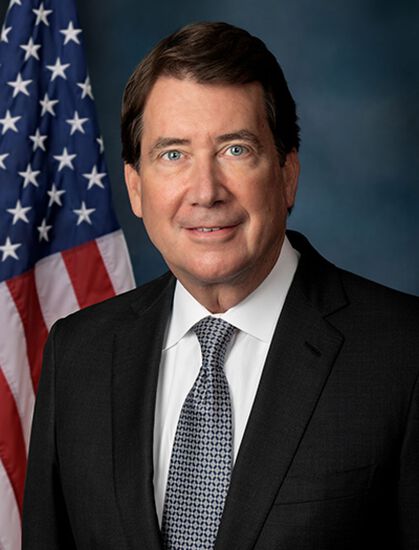
Bill Hagerty
11% support rate
Ranked legislators
10
5 support · 5 oppose
Key legislators

Who's moving medicaid in United States

Legislators moving medicaid in United States
Legislator Party Stance Support rate Decisive votes
Christopher Murphy
Christopher Murphy Senate
D
Strong +
89% 9
Adam B. Schiff
Adam B. Schiff Senate
D
Strong +
80% 10
Alex Padilla
Alex Padilla Senate
D
Strong +
80% 10
Amy Klobuchar
Amy Klobuchar Senate
D
Strong +
80% 10
Andy Kim
Andy Kim Senate
D
Strong +
80% 10
Bill Hagerty
Bill Hagerty Senate
R
Strong −
11% 9
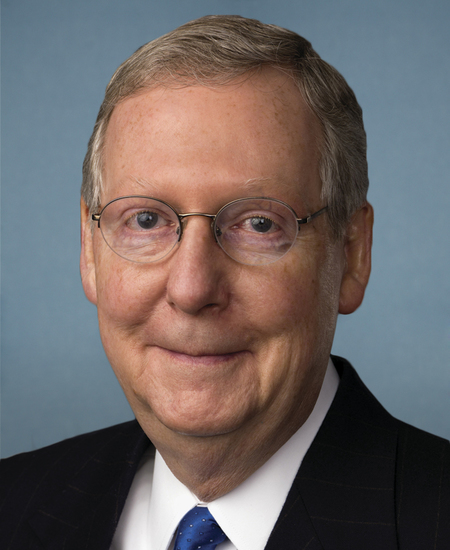
Mitch McConnell
Mitch McConnell Senate
R
Strong −
11% 9
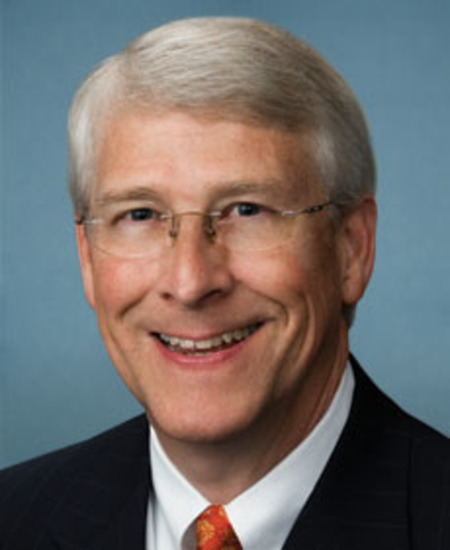
Roger F. Wicker
Roger F. Wicker Senate
R
Strong −
11% 9
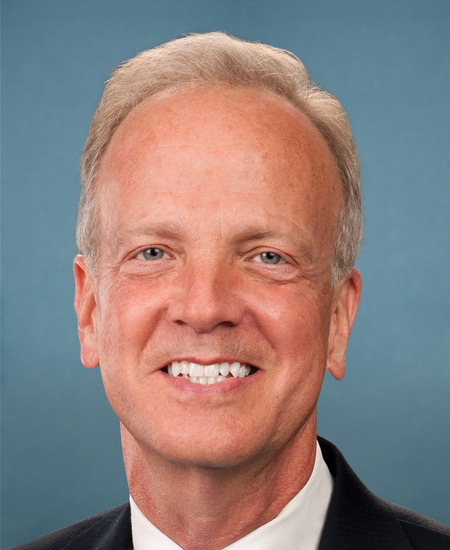
Jerry Moran
Jerry Moran Senate
R
Strong −
12% 8
Ashley Moody
Ashley Moody Senate
R
Strong −
20% 10
Showing 321–330 of 441 bills

All healthcare bills

in committee · United States · Senate Jun 12, 2025

S 2069: Stabilize Medicaid and CHIP Coverage Act

This bill removes an age limit that previously restricted continuous Medicaid and CHIP coverage to children under 19. It changes the rules to apply 12-month continuous enrollment protections to all enrollees, regardless of age, by replacing "child" and age-specific language with "individual" throughout the program rules. The key mechanism is amending federal law to eliminate the requirement that beneficiaries must be under 19 to qualify for uninterrupted coverage. This directly affects all current and future Medicaid and CHIP participants, including adults and older children. The changes take effect in 2026.
in committee · United States · Senate Jun 12, 2025

S 2057: Easy Enrollment in Health Care Act

The Easy Enrollment in Health Care Act (S 2057) creates a system that allows taxpayers to use their federal tax returns to determine eligibility for health insurance programs and automatically enroll household members in coverage with no out-of-pocket costs (zero net premium) if eligible. The bill establishes a process where taxpayers can consent to sharing tax return information (with privacy protections) with health insurance exchanges to determine eligibility for Medicaid, CHIP, or subsidized marketplace plans, eliminating the need for separate applications. It creates a "single, streamlined application" that minimizes the information needed from taxpayers by leveraging existing tax data for eligibility determinations, with procedures for error correction and privacy safeguards. The program is designed to simplify enrollment in health insurance programs by using tax return information, with implementation required by January 1, 2028.
in committee · United States · House Mar 10, 2025

HR 2002: MATCH IT Act of 2025

The MATCH IT Act of 2025 establishes national standards to improve patient matching accuracy in healthcare, directly affecting hospitals, clinics, health IT vendors, and federal agencies like CMS and HHS. It requires the Secretary of Health and Human Services to develop a uniform definition for measuring patient match rates within 180 days, accounting for duplicate records, overlaid records, and mismatch rates. The bill mandates health IT vendors to incorporate a standardized data set into their systems to support 99.9% matching accuracy, with Medicare providers earning voluntary bonus payments for achieving at least 90% matching accuracy through anonymous reporting. This aims to reduce medical errors, prevent unnecessary tests, and cut costs linked to patient misidentification, which currently cost the healthcare system over $6.7 billion annually.
Sub-Topics Medicaid Medicare
in committee · United States · Senate Jun 11, 2025

S 2024: ENROLL Act of 2025

The ENROLL Act of 2025 amends the Affordable Care Act to strengthen the navigator program that helps people enroll in health insurance. It requires state and federal exchanges to award grants to navigators based on their capacity to provide services, not whether they cover non-qualified health plans, and mandates annual grants to community-focused nonprofits. Navigators must now provide information about Medicaid and CHIP programs in plain language and maintain physical presence in their states for in-person assistance. The bill allocates $100 million annually from health insurer user fees to fund federal exchange navigators starting in fiscal year 2026. These changes directly affect navigators, state/federal health insurance exchanges, and consumers seeking coverage.
in committee · United States · House Jan 3, 2025

HR 114: Responsible Path to Full Obamacare Repeal Act

HR 114, the "Responsible Path to Full Obamacare Repeal Act," would repeal the Patient Protection and Affordable Care Act (ACA) and the Health Care and Education Reconciliation Act of 2010, effective October 1, 2025. This bill directly affects all Americans covered by the ACA's provisions, including those using health insurance marketplaces, Medicaid expansions, and essential health benefits. The key mechanism is the complete removal of these laws, restoring pre-2010 health care regulations as if the ACA had never been enacted. The bill does not introduce new rules but eliminates the existing framework governing health insurance coverage and subsidies.
Sub-Topics Insurance Medicaid
in committee · United States · Senate Jan 7, 2026

S 3593: Punishing Health Care Fraudsters Act

S 3593, the "Punishing Health Care Fraudsters Act," increases penalties for healthcare fraud committed against federal programs like Medicare and Medicaid. It raises maximum prison sentences under federal law from 10 to 25 years and 20 to 30 years, and boosts fines from $100,000 to $250,000 per violation. The bill also requires the U.S. Sentencing Commission to update guidelines to better reflect the severity of fraud, considering factors like victim harm, financial loss, and privacy violations. This directly affects individuals or entities committing healthcare fraud, aiming to strengthen deterrence through harsher consequences.
in committee · United States · Senate Sep 17, 2025

S 2847: Occupational Therapy Mental Health Parity Act

This bill requires the Secretary of Health and Human Services to provide education and outreach about existing Medicare coverage for occupational therapy services. Specifically, it mandates that within one year of enactment, the Secretary must clarify how Medicare covers occupational therapy for mental health and substance use disorder treatment using specific HCPCS codes. The bill directly affects Medicare beneficiaries seeking these services and healthcare providers billing under those codes. It does not change coverage rules but ensures stakeholders understand current policy.
in committee · United States · House May 8, 2025

HR 3288: Access to Prescription Digital Therapeutics Act of 2025

Access to Prescription Digital Therapeutics Act of 2025 This bill provides for Medicare and Medicaid coverage of prescription digital therapeutics (i.e., software applications that are used to prevent, manage, or treat medical conditions). The Centers for Medicare & Medicaid Services must establish a Medicare payment methodology for payments to manufacturers that takes into account certain factors (e.g., ongoing use); manufacturers must report specified information about private payors, subject to civil penalties.
in committee · United States · Senate Nov 20, 2025

S 3274: Healthy MOM Act

The Healthy MOM Act (S 3274) would require health insurance plans to provide a special enrollment period for pregnant individuals beginning when pregnancy is reported to the insurer. It mandates that group health plans cover maternity care for dependents regardless of age, including labor and delivery, and extends Medicaid eligibility during pregnancy and postpartum. The bill requires 12 months of continuous coverage for pregnant and postpartum individuals under Medicaid and CHIP, replacing the current 60-day postpartum coverage period. These provisions aim to improve access to maternity care for women, particularly those from communities disproportionately affected by maternal mortality, such as Black and American Indian/Alaska Native women. The changes would apply to plan years beginning January 1, 2027, with some provisions having earlier effective dates for certain programs.
in committee · United States · Senate Jul 31, 2025

S 2587: Departments of Labor, Health and Human Services, and Education, and Related Agencies Appropriations Act, 2026

# Summary of the Departments of Labor, Health and Human Services, and Education, and Related Agencies Appropriations Act, 2026 This comprehensive appropriations bill allocates funding for the fiscal year 2026 to the Department of Labor, Department of Health and Human Services (HHS), Department of Education, and several related agencies. The bill contains numerous specific funding allocations, restrictions, and procedural requirements. Key elements include: 1. **Major Funding Areas**: - HHS receives significant funding for programs including Medicaid, CHIP, Social Security, and public health initiatives - Education receives substantial funding for student financial assistance, career and technical education, and research - Related agencies receive funding for programs like the Corporation for National and Community Service and the Social Security Administration 2. **Key Restrictions**: - Prohibits using funds for abortions except in cases of rape, incest, or to save a woman's life (Section 506-507) - Bans funding for embryonic research or creation of human embryos for research (Section 508) - Prohibits funding for advocacy of drug legalization (Section 509) - Requires transparency in reporting how federal funds are used (Section 505) - Prohibits using funds for propaganda or political activities (Section 503) 3. **Specific Provisions**: - Requires detailed reporting to Congress about fund usage (Sections 516-517) - Mandates notification to Congress before reprogramming funds (Section 514) - Includes numerous rescission provisions that cancel previously appropriated funds - Contains specific requirements for managing federal contracts and grants - Establishes restrictions on using funds for certain types of research or activities 4. **Notable Funding Amounts**: - $24.6 billion for Student Financial Assistance - $49.4 billion for the Supplemental Security Income Program - $14.7 billion for Social Security Administration administrative expenses - $3.2 billion for Higher Education programs - $2.1 billion for Career, Technical, and Adult Education The bill represents a comprehensive funding package with specific constraints on how funds may be used, reflecting ongoing policy debates about government spending priorities in health, education, and social services.
Showing 321 to 330 of 441 bills
Previous 1 … 32 33 34 … 45 Next