Issue · Healthcare

Healthcare

Every healthcare bill, vote, and legislator stance in United States, automatically classified by Maddy, our AI policy reader.

Total bills
3,118
119th Congress
Top supporter
Alan Armstrong
83% support rate
Top opponent
Ashley Moody
20% support rate
Ranked legislators
10
5 support · 5 oppose
Key legislators

Who's moving healthcare in United States

Legislators moving healthcare in United States
Legislator Party Stance Support rate Decisive votes
AA
Alan Armstrong Senate
R
Strong +
83% 6
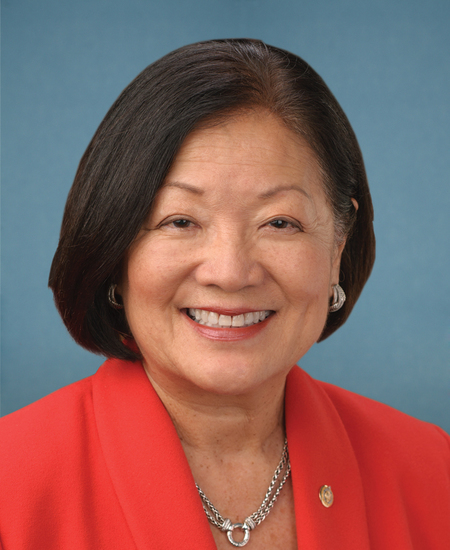
Mazie K. Hirono
Mazie K. Hirono Senate
D
Strong +
80% 20
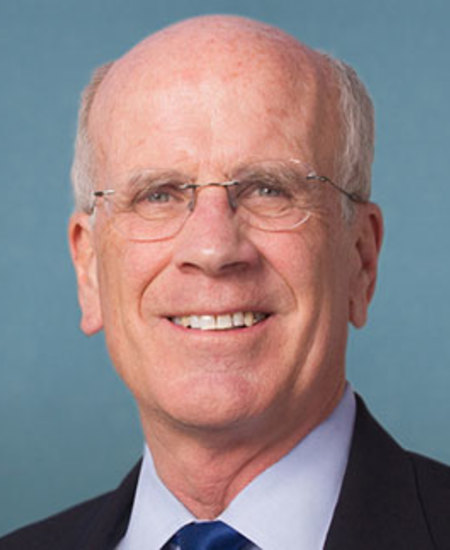
Peter Welch
Peter Welch Senate
D
Strong +
80% 20
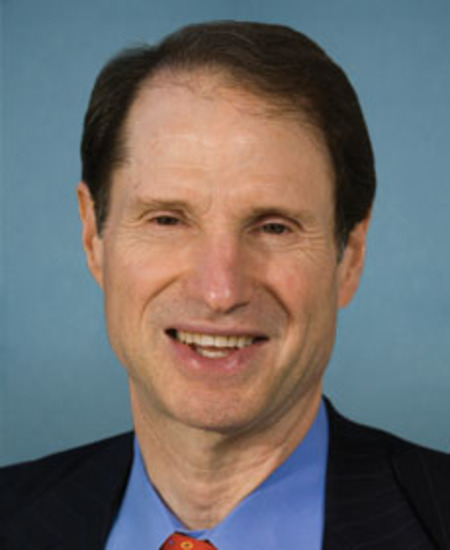
Ron Wyden
Ron Wyden Senate
D
Strong +
80% 20
Alex Padilla
Alex Padilla Senate
D
Support
74% 19
Ashley Moody
Ashley Moody Senate
R
Strong −
20% 20
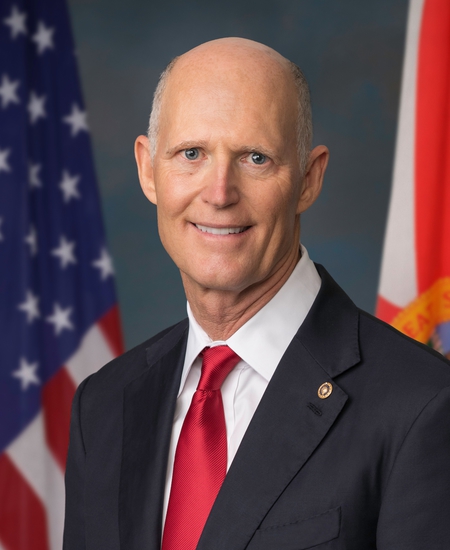
Rick Scott
Rick Scott Senate
R
Strong −
20% 20
Rand Paul
Rand Paul Senate
R
Oppose
25% 20
Tommy Tuberville
Tommy Tuberville Senate
R
Oppose
26% 19
Bill Hagerty
Bill Hagerty Senate
R
Oppose
28% 18
Showing 291–300 of 3,118 bills

All healthcare bills

in committee · United States · House Jul 14, 2026

HR 9670: Medical Bankruptcy Fairness Act of 2026

The Medical Bankruptcy Fairness Act of 2026 creates a special legal category for individuals overwhelmed by medical bills, allowing them to receive more favorable treatment in bankruptcy court. To qualify as a "medically distressed debtor," a person must have incurred significant unpaid medical costs or lost income due to illness, injury, or caregiving within the last three years. The bill grants these individuals an additional $250,000 exemption for their primary home or burial plot, waives certain financial tests required to file for Chapter 7 bankruptcy, and prevents their bankruptcy records from appearing on credit reports. Furthermore, the law makes it easier for medically distressed debtors to discharge student loans and simplifies the paperwork they must submit to the court. These changes aim to provide relief specifically for those whose financial hardship stems directly from medical issues.
in committee · United States · House Jul 14, 2026

HR 9664: K–9 Hero Act of 2026

The K-9 Hero Act of 2026 establishes a grant program to help cover medical costs for retired federal working dogs, directly affecting nonprofit organizations that provide care or financial aid to their owners. Starting in fiscal year 2027, the Secretaries of Defense and Homeland Security will jointly award grants to eligible nonprofits, with a maximum of $1 million per organization per year, to pay for veterinary treatment, surgeries, and necessary health supplies. To ensure accountability, recipients must submit annual reports on how the funds are used, and any unspent money will reduce the grant amount for the following year. The legislation authorizes $5 million annually for four years and requires the agencies to track health outcomes and report their findings to Congress every year until 2031.
in committee · United States · House Jul 13, 2026

HR 9656: Illegal Alien Patient Reporting Act

This bill requires hospitals that receive federal health care funding to ask patients about their immigration status during admission and report the results to government agencies. Under the law, hospitals must include a specific statement on intake forms assuring patients that their answers will not affect their medical care or lead to a law enforcement report unless the patient is suspected of certain crimes. Hospitals must also submit quarterly reports detailing how many patients are citizens, lawful residents, or undocumented, along with the number of individuals who refused to answer or failed to provide proof of their legal status. The legislation prohibits hospitals from sharing personal identifying information with the government while allowing them to exclude non-compliant facilities from federal programs. Additionally, the bill mandates an annual report to Congress analyzing the costs of uncompensated care for undocumented patients and its impact on hospital services.
in committee · United States · House Jul 15, 2026

HR 9645: Health Care Price Certainty for All Americans Act

This bill requires hospitals, laboratories, imaging centers, and ambulatory surgical centers to publicly post detailed price lists for their services, including standard charges, negotiated rates, and discounted cash prices, starting in 2027. It also mandates that private health insurance plans provide consumers with cost-sharing estimates and publish quarterly data on payment rates to doctors and pharmacies beginning in 2029. Additionally, the legislation requires Medicare Advantage and prescription drug plan sponsors to report ownership details for providers and pharmacies they control, while establishing civil penalties for entities that fail to comply with these transparency rules.
in committee · United States · House Jul 15, 2026

HR 9642: Medicare Access to Rural Anesthesiology Act

The Medicare Access to Rural Anesthesiology Act changes how Medicare pays for anesthesia services at specific small rural hospitals and critical access hospitals. To qualify for these changes, a hospital must be located in a rural area, have fewer than 800 surgeries requiring anesthesia, and employ or contract with no more than one full-time anesthesiologist who agrees not to bill Medicare separately for those services. Once a hospital meets these criteria, anesthesia care provided by an anesthesiologist there will be paid based on the hospital's actual costs rather than a fixed fee, and it will be classified as part of the hospital's inpatient services instead of a separate billable service. The law also requires the Department of Health and Human Services to update its regulations to reflect these new payment rules.
Sub-Topics Hospitals Medicare
in committee · United States · House Jul 9, 2026

HR 9635: Getting Innovations to Patients During Shutdowns Act

This bill, known as the Getting Innovations to Patients During Shutdowns Act, allows the Food and Drug Administration to continue reviewing applications for new drugs and medical devices even if the government funding for these programs lapses. Under the new rules, the FDA may accept incomplete applications that are missing only fee payments and will automatically extend the deadline to pay those fees by seven days after the funding gap ends. If the required fees are not paid by this extended deadline, the application will be treated as rejected and cannot be approved until the payment is made. The legislation aims to prevent government shutdowns from halting the evaluation of critical medical products while ensuring that necessary fees are still collected.
in committee · United States · House Jun 24, 2026

HR 9421: Ban Abortion by Mail Act

This bill, titled the Ban Abortion by Mail Act, aims to restrict how abortion medications like mifepristone are prescribed by requiring an in-person visit between the patient and the doctor. It directly affects health care providers who are currently certified by the FDA to dispense these drugs, threatening their certification status if they prescribe them without a physical examination or to patients living in states where the provider lacks a medical license. The legislation mandates that the FDA report annually to Congress on any providers who lose this certification due to violations or unsafe prescribing practices. By enforcing these specific conditions, the bill seeks to ensure that all prescriptions for abortion drugs are administered under strict supervision and within the legal boundaries of the patient's state.
in committee · United States · House Jun 30, 2026

HR 9547: Veterans and Servicemembers PTSD Emerging Treatment Review Act of 2026

This bill directs the Department of Defense to review clinical trial data on psilocybin treatment for veterans and servicemembers with treatment-resistant PTSD. It requires the Assistant Secretary of Defense for Health Affairs to submit a report within 180 days analyzing the safety, dosing, and feasibility of these findings for military personnel, including those transitioning to civilian life. The report must also assess legal requirements for expanded access to the substance and outline plans for future pilot programs or research starting in fiscal year 2027. Additionally, the legislation mandates coordination with the Department of Veterans Affairs and other federal agencies to ensure continuity of care and appropriate regulatory oversight.
in committee · United States · Senate Jun 24, 2026

S 4927: Rural Hospital Emergency Room Guarantee Act

The Rural Hospital Emergency Room Guarantee Act creates a new funding program to support rural hospitals by establishing a dedicated Treasury fund that will provide annual payments to eligible facilities. To qualify for these funds, a hospital must be located in a rural area, participate in federal health programs, and operate a 24-hour emergency department, while also agreeing not to be owned by private equity or venture capital firms. The money received can only be used for normal operating expenses and staffing of the emergency department, with strict rules prohibiting transfers to other facilities or payments to executives. Additionally, the bill includes a special provision allowing for emergency payments of up to $250,000 if a hospital's emergency department is at risk of closing within two weeks.
Sub-Topics Hospitals
in committee · United States · House Jun 30, 2026

HR 9542: Protecting Health Care and Lowering Costs Act of 2026

This bill, titled the Protecting Health Care and Lowering Costs Act of 2026, directly affects individuals and entities impacted by previous Medicaid funding changes. Its primary mechanism is to repeal specific provisions from a 2024 reconciliation law that altered Medicaid funding rules, effectively restoring the program to its state before those changes were enacted. By removing these amendments, the legislation aims to reverse recent policy shifts regarding federal support for Medicaid without introducing new requirements or altering other parts of the healthcare system.
Sub-Topics Medicaid
Showing 291 to 300 of 3,118 bills
Previous 1 … 29 30 31 … 312 Next