

Issue · Healthcare
Healthcare
Every healthcare bill, vote, and legislator stance in United States, automatically classified by Maddy, our AI policy reader.
Total bills
3,096
119th Congress
Top supporter
Alan Armstrong
83% support rate
Top opponent
Ashley Moody
20% support rate
Ranked legislators
10
5 support · 5 oppose
Key legislators
Who's moving healthcare in United States
| Legislator | Party | Stance | Support rate | Decisive votes |
|---|---|---|---|---|
|
AA
Alan Armstrong
Senate
|
R |
Strong +
|
83% | 6 |
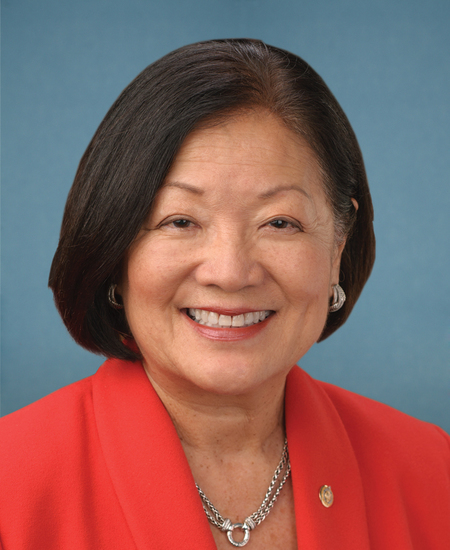
Mazie K. Hirono
Senate
|
D |
Strong +
|
80% | 20 |
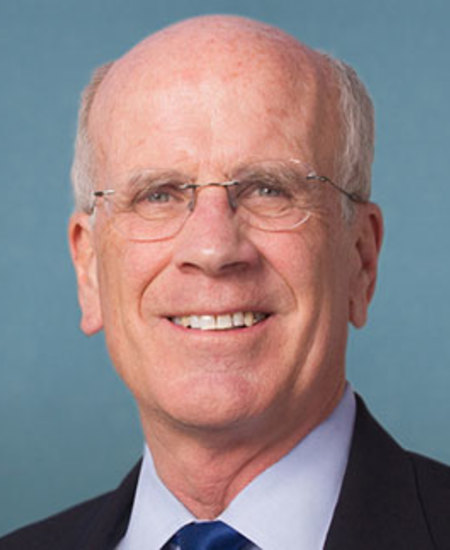
Peter Welch
Senate
|
D |
Strong +
|
80% | 20 |
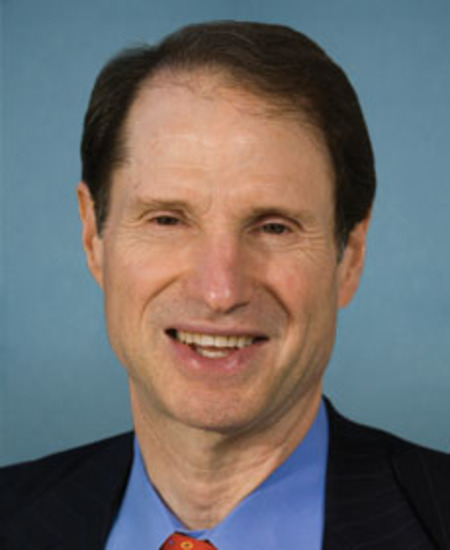
Ron Wyden
Senate
|
D |
Strong +
|
80% | 20 |

Alex Padilla
Senate
|
D |
Support
|
74% | 19 |

Ashley Moody
Senate
|
R |
Strong −
|
20% | 20 |
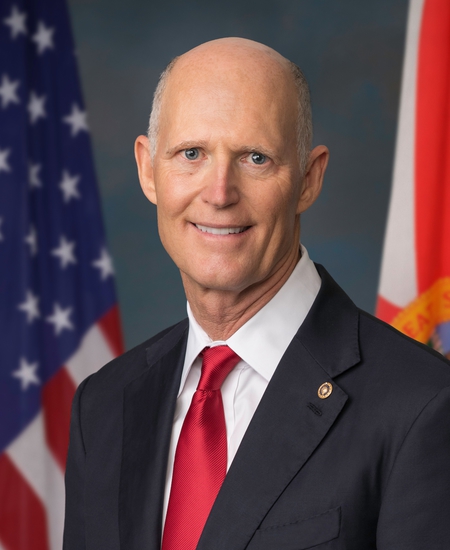
Rick Scott
Senate
|
R |
Strong −
|
20% | 20 |

Rand Paul
Senate
|
R |
Oppose
|
25% | 20 |
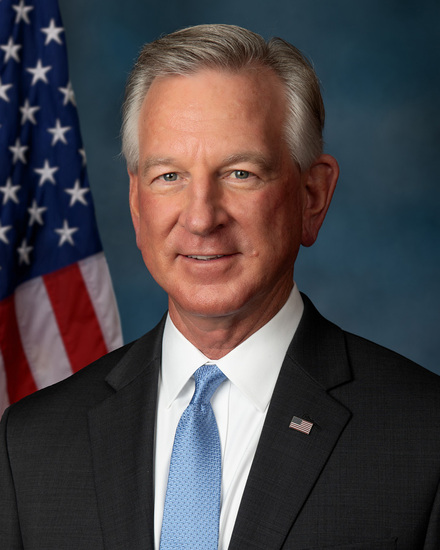
Tommy Tuberville
Senate
|
R |
Oppose
|
26% | 19 |

Bill Hagerty
Senate
|
R |
Oppose
|
28% | 18 |
Showing 2,951–2,960 of 3,096
bills
All healthcare bills
SRES 604: A resolution recognizing that it is the duty of the Federal Government to develop and implement a Transgender Bill of Rights to protect and codify the rights of transgender and nonbinary people under the law and ensure their access to medical care, shelter, safety, and economic security.
Topics
✓ Criminal JusticeSupports Criminal JusticeResolution explicitly calls for safety improvements for transgender people in custody, directly addressing corrections within criminal justice reform.
✓ HealthcareSupports HealthcareExplicitly calls for equal access to healthcare, including gender-affirming care, to protect transgender and nonbinary people's medical rights and safety.
✓ HousingSupports HousingExplicitly calls for anti-discrimination housing protections, aligning with tenant rights and equal access under the resolution's housing-related goals.
✓ Labor & EmploymentSupports Labor & EmploymentResolution explicitly demands anti-discrimination protections in employment for transgender/nonbinary people, directly advancing workers' rights under Labor & Employment policy.
Sub-Topics
Civil Rights
S 3869: Healthy Families Act
Topics
✓ HealthcareSupports HealthcareMandates paid sick time for health needs and family care, directly improving healthcare access and supporting patient rights as defined in the topic.
✓ Labor & EmploymentSupports Labor & EmploymentMandates paid sick leave (56 hrs/yr), expanding worker benefits and protecting health-related needs per bill requirements.
HR 2085: Mental Health Research Accelerator Act of 2025
Topics
✓ Budget & TaxesSupports Budget & TaxesBill creates 25% tax credit for mental health/neurodegenerative research with $2B annual funding limit (2027-2030), directly using tax policy to fund research through budgeted tax expenditure.
✓ HealthcareSupports HealthcareProvides 25% tax credits for mental health research on psychiatric/neurodegenerative conditions, directly funding and advancing mental health services through research incentives.
SRES 492: A resolution recognizing community care as an essential tool for meeting the health care needs of the veterans of the United States.
Topics
✓ HealthcareSupports HealthcareResolves to recognize community care as essential for veterans' health, complements VA services per MISSION Act, and urges full implementation to improve access to care without restricting or defunding existing programs.
✓ VeteransSupports VeteransBill explicitly recognizes community care as essential for veterans' healthcare, urges full MISSION Act implementation to ensure timely access, and affirms it complements VA services.
HRES 419: Expressing support for the designation of May 17, 2025, as "DIPG Awareness Day" to raise awareness and encourage research into cures for diffuse intrinsic pontine glioma (DIPG) and pediatric cancers in general.
Sub-Topics
Children's Health
S 474: Fair Funding for Rural Hospitals Act
Topics
✓ Budget & TaxesSupports Budget & TaxesBill mandates minimum $20M annual DSH funding for rural hospitals, preventing state cuts and ensuring consistent Medicaid spending on essential healthcare programs.
✓ HealthcareSupports HealthcareBill mandates minimum Medicaid DSH funding to prevent cuts, ensuring rural hospital financial stability and continued patient access to care.
HR 6538: More Affordable Care Act
HR 5553: CTE Student Mental Health and Wellness Act
Topics
✓ EducationSupports EducationExpands mental health services access for CTE students by including career schools in federal funding, enhancing student wellness programs in education.
✓ HealthcareSupports HealthcareExpands federal mental health services access for CTE students by including career schools under Perkins Act, directly supporting mental health services as per bill summary.
HR 1407: Permanent Telehealth from Home Act
Topics
✓ HealthcareSupports HealthcareMakes Medicare telehealth permanent, removes geographic restrictions, and expands access for rural patients, improving healthcare access and strengthening coverage.
✓ TechnologySupports TechnologyBill removes pandemic-era restrictions on telehealth, making technology-enabled healthcare permanently accessible without geographic limits, advancing technology adoption in healthcare.