Issue · Healthcare

Healthcare

Every healthcare bill, vote, and legislator stance in United States, automatically classified by Maddy, our AI policy reader.

Total bills
3,118
119th Congress
Top supporter
Alan Armstrong
83% support rate
Top opponent
Ashley Moody
20% support rate
Ranked legislators
10
5 support · 5 oppose
Key legislators

Who's moving healthcare in United States

Legislators moving healthcare in United States
Legislator Party Stance Support rate Decisive votes
AA
Alan Armstrong Senate
R
Strong +
83% 6
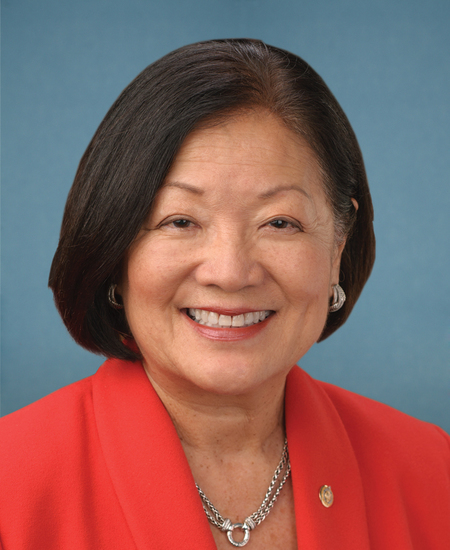
Mazie K. Hirono
Mazie K. Hirono Senate
D
Strong +
80% 20
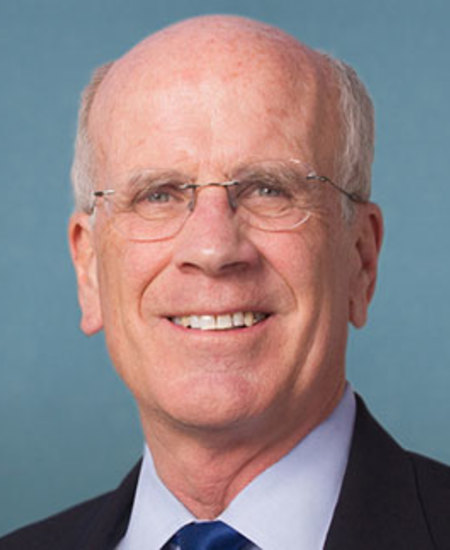
Peter Welch
Peter Welch Senate
D
Strong +
80% 20
Ron Wyden
Ron Wyden Senate
D
Strong +
80% 20
Alex Padilla
Alex Padilla Senate
D
Support
74% 19
Ashley Moody
Ashley Moody Senate
R
Strong −
20% 20
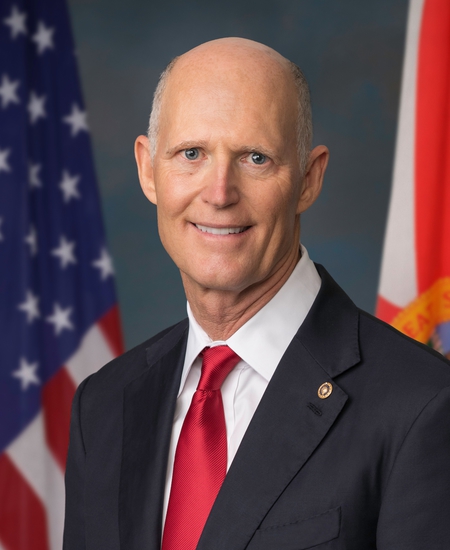
Rick Scott
Rick Scott Senate
R
Strong −
20% 20
Rand Paul
Rand Paul Senate
R
Oppose
25% 20
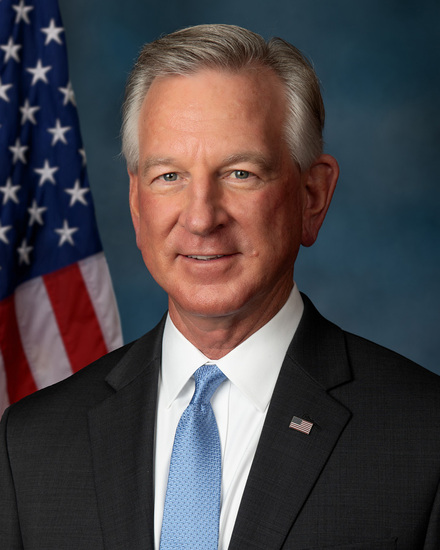
Tommy Tuberville
Tommy Tuberville Senate
R
Oppose
26% 19
Bill Hagerty
Bill Hagerty Senate
R
Oppose
28% 18
Showing 2,901–2,910 of 3,118 bills

All healthcare bills

in committee · United States · House Sep 8, 2025

HR 5199: Modernizing Rural Physician Assistant and Nurse Practitioner Utilization Act of 2025

This bill changes federal rules for rural healthcare facilities that employ physician assistants (PAs) and nurse practitioners (NPs). It requires these facilities (not run by a physician) to have arrangements consistent with state laws governing PA/NP practice, ensuring services follow state regulations. The policy directly affects rural clinics and hospitals seeking federal reimbursement for PA/NP services. The changes take effect January 1, 2027, aligning federal requirements with existing state oversight of these healthcare providers.
Sub-Topics Healthcare Workforce Hospitals Telehealth Tags Rural Communities
in committee · United States · House Jun 12, 2025

HR 3995: State Public Option Act

This bill creates a new Medicaid buy-in program allowing certain individuals to purchase Medicaid coverage starting January 1, 2026. It directly affects state residents who are not enrolled in other health insurance plans and meet income requirements, with premiums limited to 8.5% of household income. Key provisions include allowing individuals to use premium tax credits, providing states with enhanced federal funding (90% match) for administrative costs, and requiring states to update quality measures by 2030. The program would be structured similarly to private Marketplace insurance, with cost-sharing aligned with the Affordable Care Act. States would also be required to cover comprehensive sexual and reproductive health services as part of this Medicaid buy-in program.
in committee · United States · Senate Dec 9, 2025

S 3402: Ensuring Excellence in Mental Health Act

This bill establishes a new payment system for certified community behavioral health clinics (CCBHCs) under Medicaid, creating a prospective payment system that will pay based on actual clinic costs starting in 2026. It expands Medicare coverage for CCBHC services beginning in 2027 and creates a new grant program to help community behavioral health clinics meet CCBHC certification standards, including funding $552.5 million annually from 2026-2030. The bill also provides liability protection for clinicians in CCBHCs under the Federal Tort Claims Act and requires states to coordinate Medicaid-certified community behavioral health services with existing community behavioral health clinics. These changes aim to improve access to comprehensive mental health services, particularly for veterans, rural residents, and other underserved populations.
in committee · United States · Senate Dec 4, 2025

S 3368: Restoring Patient Protections and Affordability Act of 2025

The Restoring Patient Protections and Affordability Act of 2025 extends enhanced premium tax credits through 2028, making health insurance more affordable for lower- and middle-income individuals. It extends the 2026 open enrollment period through May 1, 2026, and restores funding for navigator programs that help people enroll in health insurance plans. The bill requires health insurance issuers to notify enrollees about changes to premium assistance and establishes $1,000 daily penalties for failing to comply with these notification requirements. Additionally, it limits surprise premium increases for people with household incomes below 400% of the poverty line and prevents premium spikes for those with ACA or employer coverage. These changes directly affect millions of people enrolled in health insurance plans through the Affordable Care Act marketplaces.
Sub-Topics Insurance
in committee · United States · Senate Jun 11, 2025

S 2032: Choose Medicare Act

The Choose Medicare Act would create a new Medicare Part E public health plan available in the individual, small group, and large group insurance markets. This plan would provide gold-level coverage with essential health benefits, including reproductive services, and would be offered through health insurance exchanges. The bill establishes premium rates based on market type and geographic area, and creates annual out-of-pocket cost limits starting in 2027 (initially set at $6,700 for 2027). It would directly affect individuals and employers seeking health coverage, particularly those currently in the individual market or small/large group plans who may choose this new public option.
in committee · United States · House Feb 14, 2025

HR 1396: PILLS Act

The PILLS Act creates tax credits to encourage domestic production of generic drugs and biosimilars in the United States. It offers a production credit of 30% (increasing to 35% for final drug production) with an additional bonus for components made with U.S. materials, phasing out after 2033. The bill also provides a separate 25% investment credit for facilities building or expanding production of these drugs, ending for construction after December 31, 2028. To qualify, manufacturers must produce drugs in the U.S., meet FDA compliance requirements, and not be foreign entities of concern. These provisions primarily affect U.S.-based pharmaceutical companies producing generic drugs and biosimilars.
Sub-Topics Prescription Drugs
in committee · United States · Senate Dec 9, 2025

S 3389: Lowering Health Care Costs for Americans Act

The Lowering Health Care Costs for Americans Act (S 3389) creates Healthcare Affordability Accounts that would receive premium tax credits instead of direct payments to consumers, with income-based limits on premium assistance ranging from $10 to $40 per month depending on income level. The bill prohibits coverage of gender transition procedures and abortion services under qualified health plans, while requiring detailed price transparency for hospitals, clinical diagnostic laboratories, imaging services, and ambulatory surgical centers to help consumers compare costs. It also mandates itemized bills for healthcare providers, including plain language descriptions of services, billing codes, and payment details, to improve consumer understanding of healthcare costs. The provisions apply to plan years beginning after 2026, with implementation timelines varying by section.
in committee · United States · Senate Jul 31, 2025

S 2575: Healthcare for Our Troops Act

S 2575, the Healthcare for Our Troops Act, eliminates individual premiums for members of the Selected Reserve in the Armed Forces under the TRICARE Reserve Select military health plan. It establishes a uniform 28% monthly premium for family coverage (based on actuarial costs), replaces enrollment fees, and requires the Department of Defense to develop new forms for civilian providers to track reserve members' medical readiness and deployment fitness. The bill directly affects Selected Reserve service members and their immediate families, with changes taking effect one year after enactment. These provisions aim to reduce out-of-pocket costs for reserve members while standardizing family coverage costs.
in committee · United States · House Feb 4, 2026

HRES 1002: Recognizing the value of the Older Americans Act of 1965 nutrition program in addressing hunger, malnutrition, and isolation, and improving the health and quality of life for millions of our Nations seniors each year.

HRES 1002 is a symbolic House resolution recognizing the Older Americans Act (OAA) nutrition program, which provides meals and social services to seniors aged 60+. It directly affects millions of older adults - particularly those who are homebound, isolated, or facing hunger, malnutrition, or chronic health conditions - by highlighting how the program reduces hospital visits, lowers healthcare costs, and improves quality of life. Key provisions include acknowledging the program’s role in preventing falls and institutionalization, emphasizing volunteer support as its "backbone," and urging Congress to secure sustained federal funding. As a non-binding resolution, it does not change policy but formally endorses the program’s value and calls for community and legislative support.
Sub-Topics Hospitals Tags Seniors
in committee · United States · House Oct 28, 2025

HRES 835: Declaring gun violence a public health crisis.

HRES 835 is a symbolic resolution declaring gun violence a public health crisis in the United States. It urges federal agencies, particularly the Centers for Disease Control and Prevention (CDC), to apply a public health framework - including data collection, prevention research, and coordinated government action - to address gun violence. The resolution supports similar declarations already made by states and cities, and calls for the Surgeon General to issue a report on firearm violence prevention. As a non-binding resolution, it does not create new laws or allocate funding but aims to shift the national approach to gun violence as a preventable health issue.
Sub-Topics Public Health
Showing 2,901 to 2,910 of 3,118 bills