Issue · Healthcare

Healthcare

Every healthcare bill, vote, and legislator stance in United States, automatically classified by Maddy, our AI policy reader.

Total bills
3,150
119th Congress
Top supporter
Darline Graham
100% support rate
Top opponent
Ashley Moody
18% support rate
Ranked legislators
10
5 support · 5 oppose
Key legislators

Who's moving healthcare in United States

Legislators moving healthcare in United States
Legislator Party Stance Support rate Decisive votes
Darline Graham
Darline Graham Senate
R
Strong +
100% 6
AA
Alan Armstrong Senate
R
Strong +
88% 8
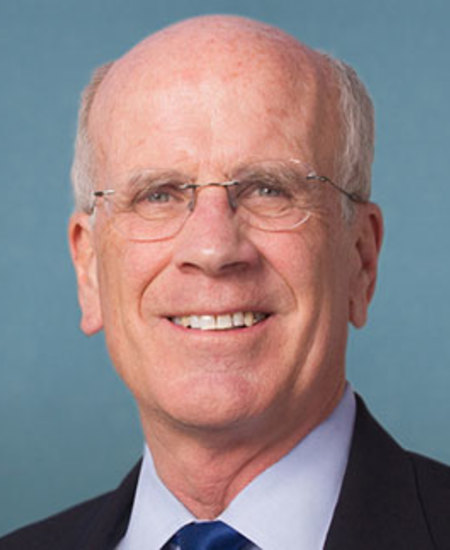
Peter Welch
Peter Welch Senate
D
Strong +
82% 22
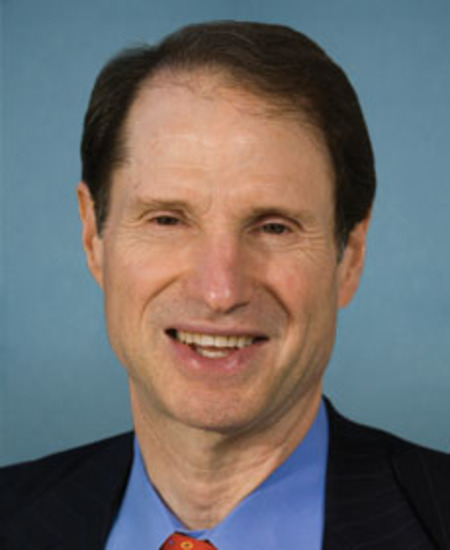
Ron Wyden
Ron Wyden Senate
D
Support
77% 22
Alex Padilla
Alex Padilla Senate
D
Support
76% 21
Ashley Moody
Ashley Moody Senate
R
Strong −
18% 22
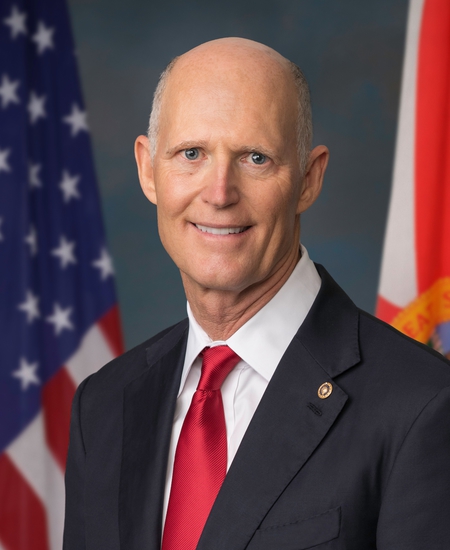
Rick Scott
Rick Scott Senate
R
Strong −
18% 22
Rand Paul
Rand Paul Senate
R
Oppose
23% 22
Brad Knott
Brad Knott House · District 13
R
Oppose
28% 18
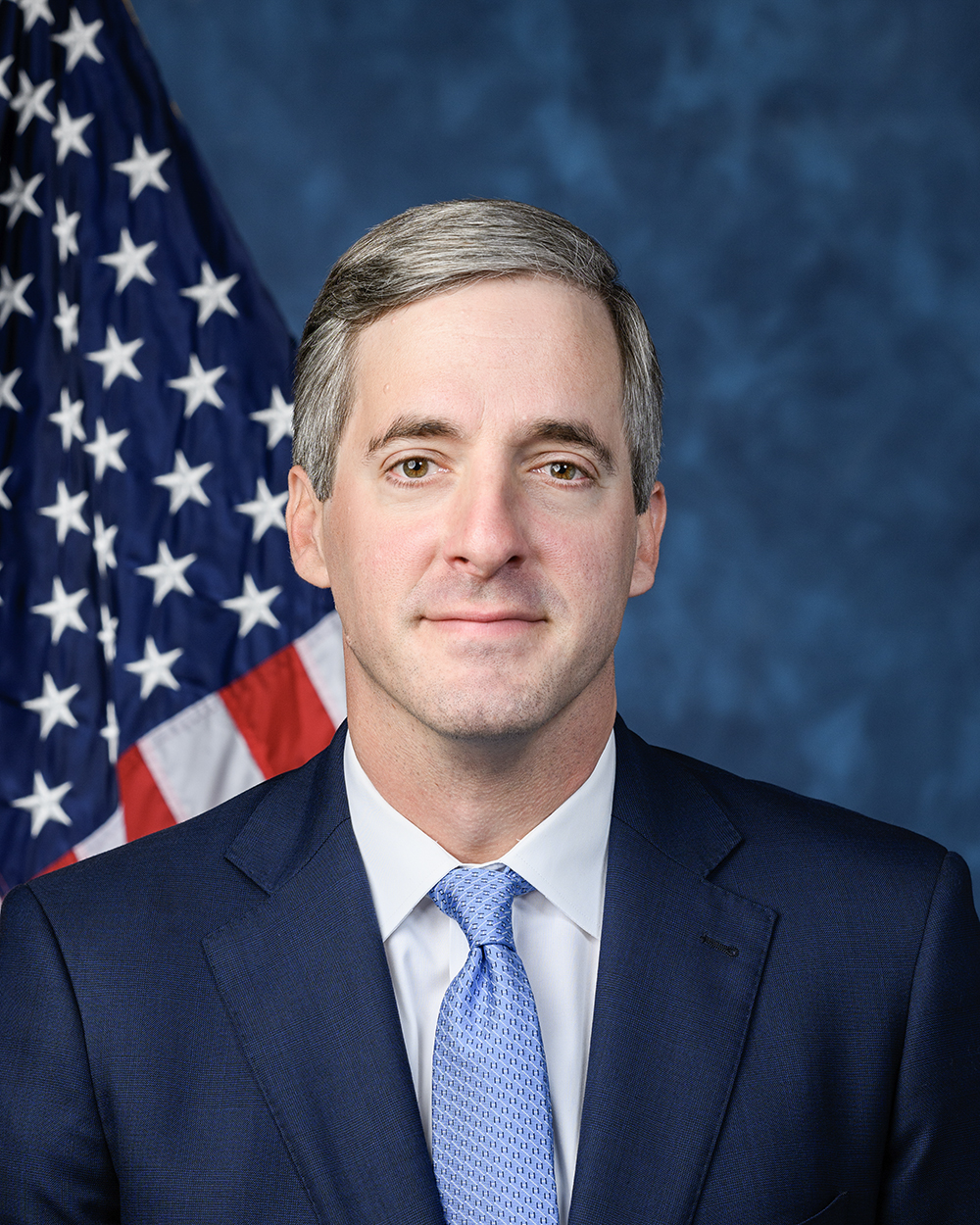
Pat Harrigan
Pat Harrigan House · District 10
R
Oppose
28% 18
Showing 2,791–2,800 of 3,150 bills

All healthcare bills

in committee · United States · House Jun 17, 2025

HRES 522: Recognizing that Adriana Smith and her family's prolonged ordeal without their consent is the direct result of the Black maternal health crisis, the danger of laws that give rights to fetuses and take them away from pregnant people, and anti-abortion laws that continue to harm people who can become pregnant.

HRES 522 is a congressional resolution recognizing Adriana Smith, a Black nurse who became brain dead at 9 weeks pregnant, as a case directly resulting from systemic issues in maternal healthcare and restrictive abortion laws. It specifically condemns laws that grant legal rights to fetuses while stripping pregnant people of medical autonomy, and highlights how Georgia’s anti-abortion laws (like the LIFE Act) create dangerous uncertainty for medical decisions. The resolution urges states to repeal abortion bans, protect advance directives for pregnant patients, and clarify that medical care must prioritize the health of the pregnant person. It does not create new law but calls for policy changes to prevent similar cases where families are denied consent over life support decisions. The resolution focuses on the intersection of racial disparities in maternal care, fetal rights legislation, and the chilling effect of vague anti-abortion laws on healthcare access.
in committee · United States · Senate Jul 24, 2025

S 2433: Neonatal Care Transparency Act of 2025

This bill requires hospitals and obstetric providers to disclose policies on providing life-saving care to premature infants, directly affecting parents expecting premature births and healthcare facilities. Hospitals must publicly state if they have a minimum gestational age for treatment, whether care decisions are case-by-case, and transfer plans for infants needing higher-level care. Obstetric providers must share these policies with patients during the first prenatal visit. Non-compliant hospitals and providers risk losing federal Medicaid and CHIP funding starting January 2026. The law aims to ensure transparency about neonatal care options before delivery.
in committee · United States · Senate Mar 12, 2025

S 975: Expanding Medical Education Act

The Expanding Medical Education Act provides federal grants to establish or expand medical and osteopathic medicine schools in underserved areas, directly benefiting institutions in medically underserved communities or health professional shortage areas. It prioritizes new schools in regions without existing medical schools, especially minority-serving institutions, and requires grantees to recruit students from underrepresented racial/ethnic groups, rural/underserved areas, low-income backgrounds, and first-generation college students. Funds can also support curriculum development for underserved care, infrastructure improvements, faculty hiring, and accreditation efforts. The bill mandates annual reports from grantees and detailed five-year evaluations to Congress on student demographics, workforce impacts, and healthcare access outcomes.
in committee · United States · House Sep 10, 2025

HR 5283: Healthcare Workforce Resilience Act

The Healthcare Workforce Resilience Act (HR 5283) increases U.S. immigration visas for healthcare workers by recapturing unused employment-based visas from 1992-2024. It directly affects foreign nurses and physicians who filed petitions before 2027 (three years after enactment), reserving 25,000 visas for nurses and 15,000 for physicians. Key provisions include exempting these visas from country caps, requiring labor attestations to ensure no U.S. worker displacement, and establishing fee-free premium processing for applications. The bill aims to address healthcare staffing shortages by making these visas immediately available to qualifying professionals and their families.
in committee · United States · Senate Dec 16, 2025

S 3492: Essential Caregivers Act of 2025

Essential Caregivers Act of 2025   This bill prohibits certain health care facilities from limiting the access of essential caregivers to residents of those facilities, including during designated emergency periods.   Specifically, the bill generally prohibits Medicare skilled nursing facilities, Medicaid nursing facilities, Medicaid intermediate care facilities, and associated inpatient rehabilitation facilities from restricting the access of essential caregivers to residents of the facilities, including during emergency periods in which visitation rights are otherwise restricted. During emergency periods, facilities may restrict access for an initial period of up to seven days and for one additional maximum seven-day period (if the additional period is approved by the state health department). Facilities may restrict access for a total of 7 days (or 14 days with the approval of the state health department) during an emergency period. Essential caregivers must agree to comply with any safety protocols set by the facility, which may be no more stringent for caregivers compared to those for staff. Caregivers who fail to comply with these requirements may be denied access, subject to an appeals process.
in committee · United States · Senate Jun 5, 2025

S 1973: Treat and Reduce Obesity Act of 2025

Treat and Reduce Obesity Act of 2025 This bill expands Medicare coverage of intensive behavioral therapy for obesity. Specifically, the bill allows coverage for therapy that is provided by (1) a physician who is not a primary care physician; or (2) other health care providers (e.g., physician assistants and nurse practitioners) and approved counseling programs, if provided upon a referral from, and in coordination with, a physician or primary care practitioner. Currently, such therapy is covered only if provided by a primary care practitioner. The bill also allows coverage under Medicare's prescription drug benefit of drugs used for the treatment of obesity or for weight loss management for individuals who are overweight.
in committee · United States · Senate May 19, 2025

S 1800: Rural Health Sustainability Act of 2025

The Rural Health Sustainability Act of 2025 modifies Medicare rules to change how hospitals qualify as "rural emergency hospitals." It adds a new requirement that hospitals must first have been designated as rural by the Health Resources and Services Administration's Office of Rural Health Policy. This change affects hospitals seeking this specific Medicare designation, which is needed to receive certain reimbursement rates for rural emergency services. The bill also adjusts the effective date of existing criteria to January 1, 2014, but the key new provision focuses on the HRSA designation requirement.
Sub-Topics Hospitals Medicare Tags Rural Communities
in committee · United States · House Nov 7, 2025

HR 5944: Restoring Inpatient Mental Health Access Act of 2025

HR 5944, the Restoring Inpatient Mental Health Access Act of 2025, removes a longstanding Medicaid coverage barrier for inpatient mental health services. It amends the Social Security Act to allow federal Medicaid funding for care provided in mental health facilities (previously excluded as "institutions for mental diseases") for services furnished on or after January 1, 2027. This change directly affects Medicaid beneficiaries requiring inpatient mental health treatment by enabling federal financial support for those services. The bill does not create new programs but updates existing Medicaid rules to expand coverage for this critical care. The policy change takes effect January 1, 2027, with no retroactive application.
in committee · United States · House Sep 10, 2025

HR 4709: Newborn Screening Saves Lives Reauthorization Act of 2025

This bill reauthorizes and updates federal programs for newborn screening, primarily affecting infants, children with genetic conditions, and their families. It increases annual funding for screening programs to $20.8 million (2026-2030) and research to $22.25 million, requiring states to develop parent education materials on screening follow-up and treatment. Key provisions include creating a public clearinghouse for screening data, improving coordination between state health programs, and mandating that research on genetic testing must consult with state health departments. The bill also updates deadlines for advisory committee work and technical assistance for screening panels through 2030.
Sub-Topics Children's Health
in committee · United States · Senate Jan 8, 2026

S 3598: Better Care for PFAS Patients Act of 2026

This bill requires the Agency for Toxic Substances and Disease Registry (ATSDR) to partner with the National Academies to assess PFAS health effects and create clinical recommendations within two years of enactment. It mandates that this assessment include input from PFAS-exposed communities and be updated every five years. The ATSDR must then issue and publicly post updated clinical guidance for healthcare providers on treating PFAS-related health effects within five years, with subsequent updates every five years. This directly affects individuals exposed to PFAS chemicals (found in water, food, and consumer products) and healthcare providers treating them.
Showing 2,791 to 2,800 of 3,150 bills