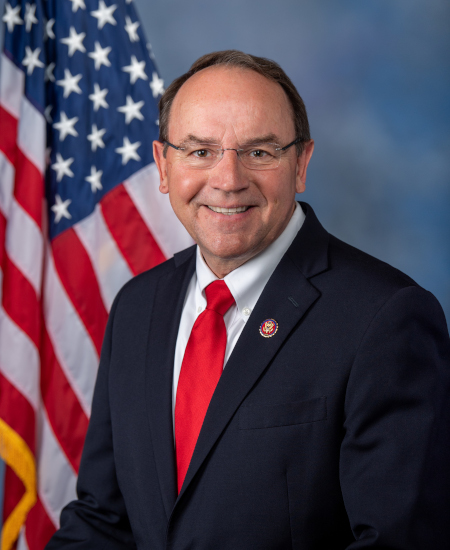
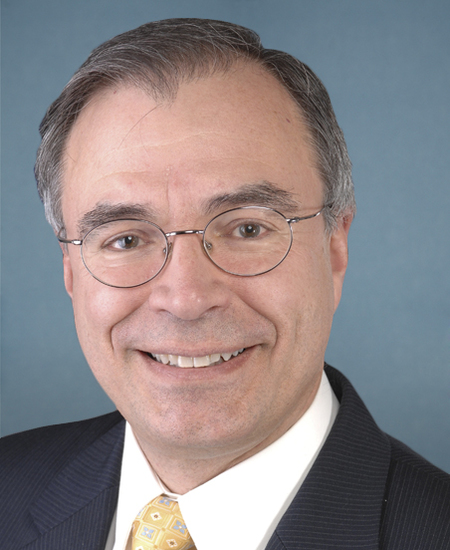
This bill establishes the Law Enforcement Mental Health and Wellness Program within the Department of Homeland Security (DHS) to address suicide prevention and mental health support for DHS law enforcement personnel. It directly affects officers and agents in DHS components like U.S. Customs and Border Protection, Immigration and Customs Enforcement, the Secret Service, and Transportation Security Administration. Key provisions require confidential data collection on mental health and suicides, mandatory annual suicide prevention training for officers (including during hiring, promotions, and transitions), peer support programs, and policies prohibiting retaliation for seeking mental health assistance. The program also mandates annual reports to Congress and requires DHS components to improve access to confidential counseling resources and support for officers’ families.
This bill establishes a new federal research initiative at the National Institutes of Health (NIH) to coordinate youth mental health studies. Led by the National Institute of Mental Health (NIMH), it requires collaboration with two other NIH institutes to focus on two key areas: building community resilience to support at-risk youth, and improving mental health interventions in settings where youth live, learn, and work. The bill authorizes $100 million annually from 2025 through 2030 specifically for this initiative. It directly affects NIH research programs and aims to advance practical, community-focused mental health solutions for young people.
The Community Mental Wellness and Resilience Act of 2025 establishes federal grant programs to fund community-led mental wellness initiatives. It provides planning grants (up to $250,000) for organizations to form resilience networks and assess community needs, followed by program grants (up to $500,000 annually for 4 years) to implement evidence-based programs. At least 20% of funds must support rural areas, requiring networks to include representatives from at least five community sectors (e.g., schools, faith groups, health services). The bill mandates a community-wide "public health approach" focused on strengthening protective factors, addressing risk factors, and developing strategic plans using culturally appropriate methods to build collective resilience.
The RAYS Act (HR 7092) requires secondary schools to include suicide prevention contact information on student identification cards or, if cards aren't issued, on school websites and student-accessible online platforms. Schools must list the 988 Suicide and Crisis Lifeline, Crisis Text Line, and a local suicide prevention hotline. The bill also allows schools to optionally add more mental health resources and mandates federal outreach to inform students, parents, and staff about these services. It takes effect one year after enactment for physical ID cards and 60 days later for digital methods.
This bill requires the Department of Defense to assign mental health professionals with necessary security clearances to all Cyber Command duty locations by 2025. It directly affects Cyber Mission Force personnel by ensuring they have access to cleared providers for treatment of work-related stress and behavioral health challenges. Key provisions mandate annual congressional briefings on implementation progress, clearance validation, clinical workload, and efforts to increase awareness of available mental health services. The law focuses on improving access to care through staffing requirements and transparency, without altering existing benefits or funding mechanisms.
HR 1410 expands access to mental health care for 9/11 responders and survivors by allowing licensed mental health providers (not just physicians) to conduct initial health evaluations and certifications under the World Trade Center Health Program. It adjusts the program’s funding formula to account for changing enrollment numbers by linking annual funding to the previous year’s enrollment ratio, and clarifies that deceased individuals are excluded from enrollment counts. The bill also extends the timeframe for adding new health conditions to the program’s list and requires a 2028 report assessing long-term funding needs through 2090. These changes aim to streamline eligibility, improve care access, and ensure sustainable funding for the program.
HR 6672 creates a federal loan repayment program for mental health professionals working in designated shortage areas. It allows eligible individuals (such as psychologists, social workers, or counselors with qualifying student loans) to have up to $250,000 in federal education debt repaid over six years in exchange for full-time service in a shortage area. The program covers loans including federal student loans for mental health degrees and Direct Stafford/PLUS loans, with payments structured as 1/6 of the debt per year for the first five years and the remainder in the sixth year. The bill authorizes $25 million annually from 2026 to 2035 to fund this initiative, targeting areas with critical mental health provider shortages.
HR 3260 extends the funding period for mental health education grants under Section 756(f) of the Public Health Service Act from fiscal years 2023-2027 to 2026-2030. This procedural change directly affects existing grant recipients and administrators of federal mental health education programs. The bill modifies the grant authorization timeline but does not alter the program's scope or eligibility. It focuses solely on extending the current grant funding period without adding new requirements or benefits.
HR 6764, the Veterans Affairs Advisory Committee Oversight Act of 2025, establishes four new advisory committees within the Department of Veterans Affairs to provide expert input on specific veteran needs. The bill creates a Veterans Health Advisory Committee focusing on prosthetics, mental health, and environmental exposures; a Veterans Economic Opportunity Committee addressing education and employment transitions; an Advisory Committee on Veterans Special Populations for underserved groups including women, tribal veterans, and those from outlying areas; and an Advisory Committee on Former Prisoners of War covering compensation and memorial affairs. Each committee must submit annual reports to VA leadership and Congress, with all committees set to terminate by September 30, 2028 unless renewed. The bill also terminates several existing advisory committees by September 30, 2026, streamlining the VA's advisory structure. This legislation does not create new benefits but establishes formal mechanisms for gathering expert input on existing VA programs.
The Pursuing Equity in Mental Health Act (S 1448) modifies federal grant programs to prioritize organizations serving racial and ethnic minority communities for mental health funding, increasing annual grant allocations from $60 million to $80 million starting in 2026. It mandates a National Institutes of Health study within 9 months of enactment to identify mental health disparities in minority groups, assessing impacts of trauma and bias, and requires a report with specific recommendations. The bill also establishes new training requirements for health professionals (including social workers, psychologists, and counselors) to develop culturally competent practices addressing mental health disparities. Additionally, it authorizes $20 million annually for 2026-2031 to fund a public outreach strategy reducing stigma and promoting culturally appropriate mental health services, alongside $150 million yearly for NIH clinical research on health disparities.