Issue · Healthcare

Healthcare

Every healthcare bill, vote, and legislator stance in United States, automatically classified by Maddy, our AI policy reader.

Total bills
2,910
119th Congress
Top supporter
Darline Graham
100% support rate
Top opponent
Ashley Moody
18% support rate
Ranked legislators
10
5 support · 5 oppose
Key legislators

Who's moving healthcare in United States

Legislators moving healthcare in United States
Legislator Party Stance Support rate Decisive votes
Darline Graham
Darline Graham Senate
R
Strong +
100% 6
AA
Alan Armstrong Senate
R
Strong +
88% 8
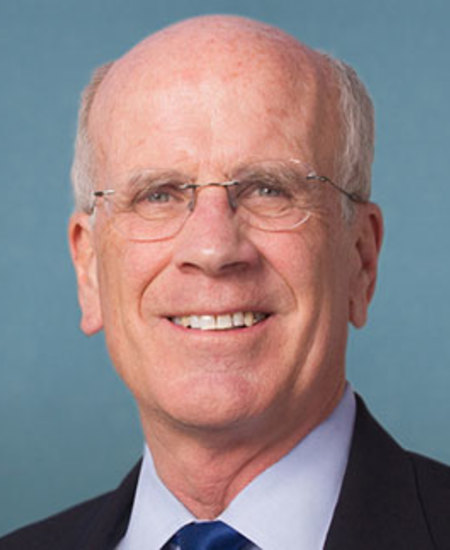
Peter Welch
Peter Welch Senate
D
Strong +
82% 22
Ron Wyden
Ron Wyden Senate
D
Support
77% 22
Alex Padilla
Alex Padilla Senate
D
Support
76% 21
Ashley Moody
Ashley Moody Senate
R
Strong −
18% 22
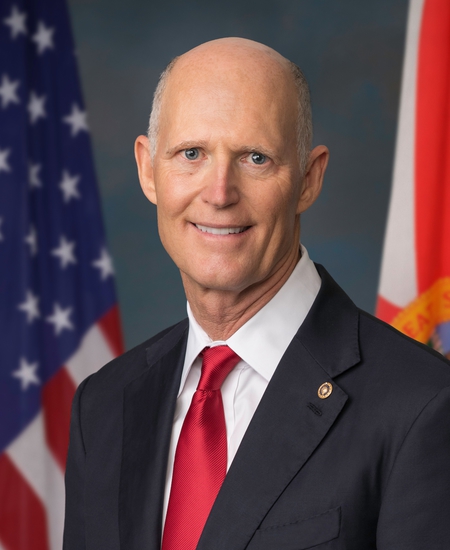
Rick Scott
Rick Scott Senate
R
Strong −
18% 22
Rand Paul
Rand Paul Senate
R
Oppose
23% 22
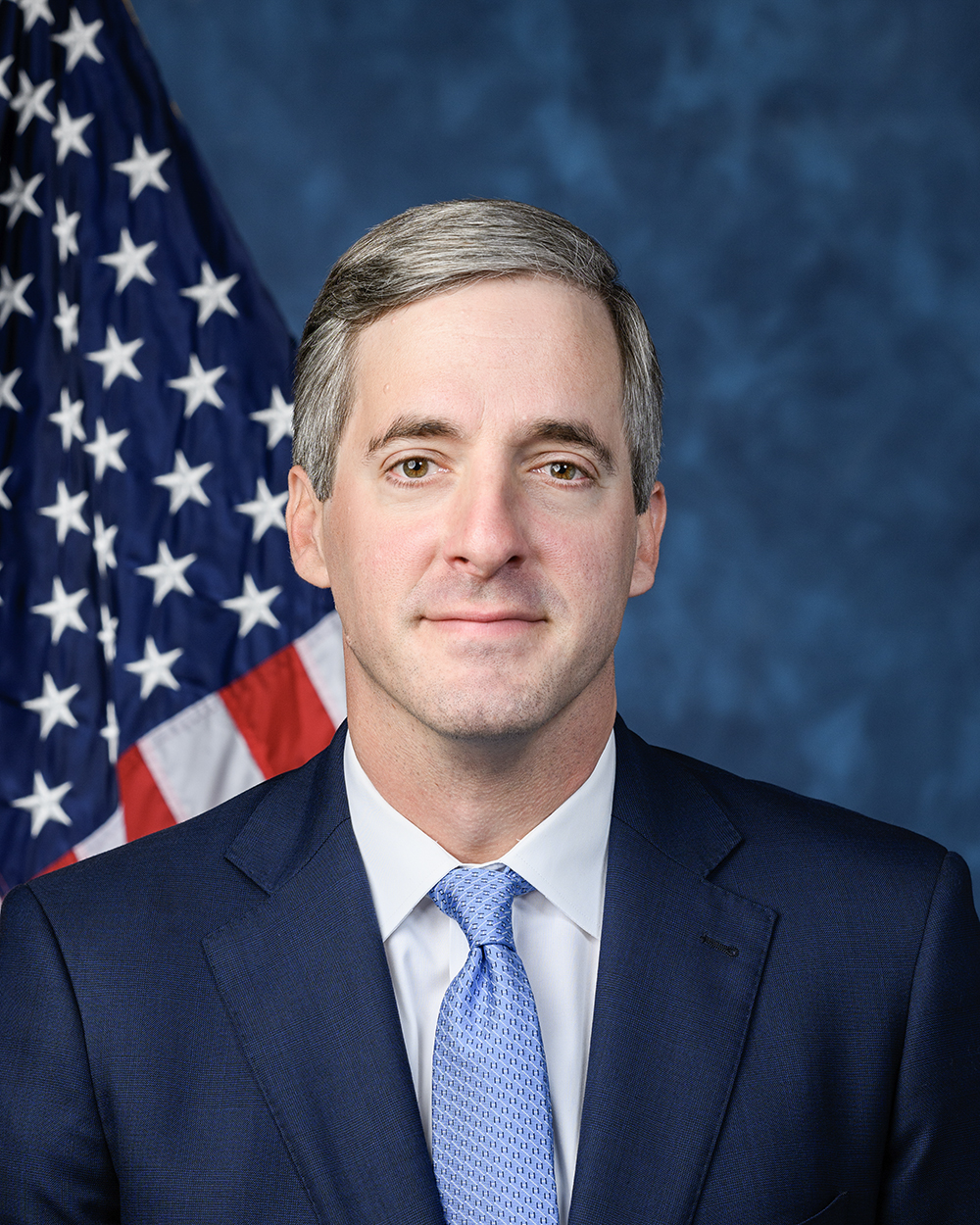
Brad Knott
Brad Knott House · District 13
R
Oppose
28% 18
Pat Harrigan
Pat Harrigan House · District 10
R
Oppose
28% 18
Showing 2,611–2,620 of 2,910 bills

All healthcare bills

in committee · United States · House Mar 21, 2025

HRES 238: Expressing the sense of the House of Representatives that every person has the basic right to emergency health care, including abortion care.

HRES 238 is a non-binding House resolution expressing the House's position that every person has the basic right to emergency health care, including abortion care during medical emergencies. It does not create new laws or alter existing regulations but formally states the House's view that abortion restrictions in emergencies endanger patients' health and lives. The resolution specifically highlights how current abortion bans put pregnant people at risk during life-threatening conditions like hemorrhage or infection, disproportionately impacting Black, Indigenous, people of color, immigrants, and low-income individuals. It serves as a symbolic statement opposing policies that restrict emergency reproductive care access.
in committee · United States · Senate Dec 4, 2025

S 3369: Medicare-X Choice Act of 2025

The Medicare-X Choice Act of 2025 would establish a new public health insurance option called the "Medicare Exchange health plan" available through health insurance exchanges starting in 2028 for eligible individuals who are not enrolled in traditional Medicare. The plan would offer silver and gold coverage levels with no cost-sharing for primary care services, and would reimburse healthcare providers at Medicare rates. Healthcare providers enrolled in Medicare or Medicaid would be required to participate in this public plan, and the bill includes provisions to collect data addressing health disparities and improve care coordination. The plan would be funded through $1 billion in appropriations for each of two funds to establish and administer the program, while maintaining existing Medicare benefits and trust funds.
in committee · United States · Senate Jun 3, 2025

S 1930: Small Biotech Innovation Act

The Small Biotech Innovation Act exempts qualifying drugs from Medicare's drug price negotiation program starting in 2029 for small biotech manufacturers that meet specific R&D investment thresholds. To qualify, a company must have five or fewer single-source drugs and spend 30% to 70% of its net revenue on research and development (based on the number of drugs), while not being controlled by a foreign government. Manufacturers must apply annually with financial data and certification of R&D spending, and the exemption ends if the company is acquired by a non-qualifying entity after 2029. This directly affects small U.S.-based biotech firms developing innovative drugs, allowing them to avoid price negotiations under Medicare.
in committee · United States · House Jul 23, 2025

HR 4745: Medicaid Bump Act

This bill increases federal Medicaid funding for states that expand spending on behavioral health services (mental health and substance use treatment). It creates a new 90% federal reimbursement rate for the *increase* in quarterly state spending on these services compared to the 2019 baseline, provided states use the funds to supplement existing state funding and improve service delivery (e.g., raising provider payment rates). States must report annually to Congress on payment rates, rationale, and service utilization for these programs. The policy directly affects all 50 states administering Medicaid and the providers delivering behavioral health services within those programs. The changes take effect January 1, 2025, following enactment.
in committee · United States · Senate Feb 11, 2026

S 3853: End the Vaccine Carveout Act

The End the Vaccine Carveout Act would amend the National Vaccine Injury Compensation Program to allow individuals to directly file civil lawsuits against vaccine manufacturers or administrators for vaccine-related injuries or deaths, removing the previous requirement to first pursue compensation through the federal program. It repeals provisions that forced people to choose between the compensation program and a lawsuit, and specifically excludes COVID-19 vaccines from the definition of "covered countermeasure" under emergency use authorities. This change would directly affect vaccine manufacturers and individuals harmed by vaccines, as it eliminates a legal barrier to holding manufacturers accountable in court. The bill does not alter the compensation program's operation for non-COVID-19 vaccines but ends the special liability protection for COVID-19 vaccines under emergency use designations.
in committee · United States · Senate Jan 29, 2026

S 3739: Veterans Hearing Aid Improvement Act of 2026

This bill establishes a two-year demonstration project to test whether the VA should cover FDA-cleared over-the-counter hearing aids (like those sold in stores without a prescription) for eligible veterans. It directly affects veterans with mild-to-moderate hearing loss who are enrolled in VA care, have a clinical evaluation confirming medical need, no contraindications, and access to smartphone technology. The project compares outcomes and costs between veterans using FDA-approved OTC hearing aids and those using professionally fitted prescription aids across multiple VA facilities. The results will inform whether the VA should permanently cover OTC hearing aids under existing law, measuring both health benefits and fiscal impact.
in committee · United States · Senate Jan 27, 2026

S 3692: PREVENT DIABETES Act

This bill expands Medicare's Diabetes Prevention Program (MDPP) by allowing virtual delivery of services starting in 2026. It directly affects Medicare beneficiaries at risk for diabetes and healthcare providers offering virtual diabetes prevention programs. Key provisions remove state location restrictions for online services (so beneficiaries can receive care remotely from any state) and eliminate limits on how many times an individual can enroll in the program. The changes apply to MDPP services delivered via distance learning or online platforms, ensuring coverage for virtual participation regardless of beneficiary or provider location.
Sub-Topics Medicare Telehealth
in committee · United States · Senate Sep 14, 2026

S 3618: No Fentanyl on Social Media Act of 2026

This bill requires the Federal Trade Commission (FTC) to produce a report within one year of enactment, analyzing how minors access fentanyl (including fake pills) through social media platforms. The report must cover the prevalence of this access, health and safety risks to minors, how sellers use platform features to market drugs, and current measures by platforms and law enforcement. It also mandates consultation with stakeholders like parents, platforms, and medical experts before publishing. The bill does not create new laws or penalties but focuses on gathering data to inform future policy decisions.
in committee · United States · Senate Sep 18, 2025

S 2857: Protecting Free Vaccines Act of 2025

The Protecting Free Vaccines Act of 2025 requires health insurance plans, Medicare, Medicaid, and the Children's Health Insurance Program (CHIP) to cover recommended vaccines without cost-sharing (like copays or deductibles). It mandates coverage for vaccines recommended by the federal Advisory Committee on Immunization Practices (ACIP) as of October 25, 2024, including any updated versions approved under existing rules. This coverage requirement applies until December 31, 2029 for Medicaid and CHIP, and until January 1, 2030 for other plans. The law does not apply to vaccines given during the minimum interval between doses for that specific vaccine.
in committee · United States · House May 20, 2026

HR 4114: EVEST Act

HR 4114, the EVEST Act, automatically enrolls recently separated veterans into the VA healthcare system. It requires the VA to enroll eligible veterans (discharged or separated on or after 90 days before the bill's enactment) within 60 days of receiving discharge information from the military. The VA must provide notice via mail and electronic methods (including texts) with clear opt-out instructions and instructions for later enrollment. By August 2026, veterans must also be able to access an electronic certificate of eligibility and opt-out mechanism online. The bill also mandates reports on implementation challenges and best practices for notice delivery.
Showing 2,611 to 2,620 of 2,910 bills