Issue · Healthcare

Healthcare

Every healthcare bill, vote, and legislator stance in United States, automatically classified by Maddy, our AI policy reader.

Total bills
2,910
119th Congress
Top supporter
Darline Graham
100% support rate
Top opponent
Ashley Moody
18% support rate
Ranked legislators
10
5 support · 5 oppose
Key legislators

Who's moving healthcare in United States

Legislators moving healthcare in United States
Legislator Party Stance Support rate Decisive votes
Darline Graham
Darline Graham Senate
R
Strong +
100% 6
AA
Alan Armstrong Senate
R
Strong +
88% 8
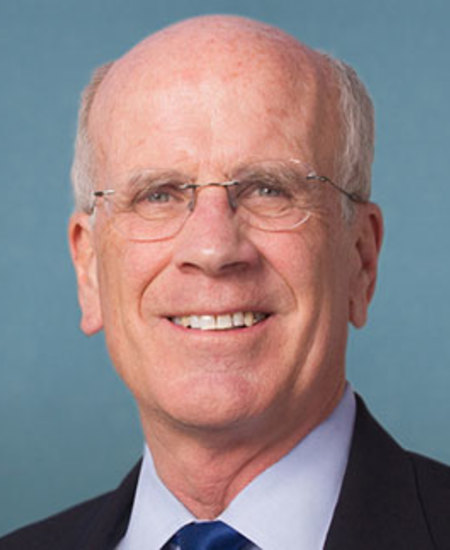
Peter Welch
Peter Welch Senate
D
Strong +
82% 22
Ron Wyden
Ron Wyden Senate
D
Support
77% 22
Alex Padilla
Alex Padilla Senate
D
Support
76% 21
Ashley Moody
Ashley Moody Senate
R
Strong −
18% 22
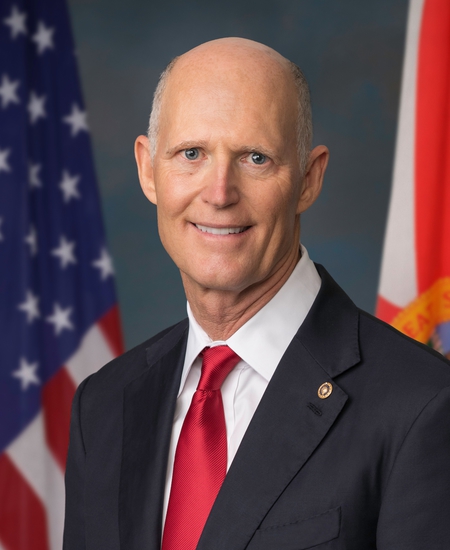
Rick Scott
Rick Scott Senate
R
Strong −
18% 22
Rand Paul
Rand Paul Senate
R
Oppose
23% 22
Brad Knott
Brad Knott House · District 13
R
Oppose
28% 18
Pat Harrigan
Pat Harrigan House · District 10
R
Oppose
28% 18
Showing 2,501–2,510 of 2,910 bills

All healthcare bills

in committee · United States · House Apr 3, 2025

HR 2636: Making Insulin Affordable for All Children Act

This bill requires private health insurance plans to cover insulin for people under age 26 without deductibles, capping out-of-pocket costs at $35 per 30-day supply or 25% of the negotiated price (whichever is lower). It mandates coverage of multiple insulin types and formulations (like rapid-acting, long-acting, and premixed) to ensure access to various treatment options. The rule applies to employer-sponsored plans, ACA marketplace plans, and similar coverage starting in 2026. It directly affects young adults (up to age 26) managing diabetes who rely on private insurance for insulin.
in committee · United States · House Feb 13, 2025

HR 1358: No Patient Left Alone Act of 2025

This bill requires healthcare facilities to create written policies about patient visitation rights under the Social Security Act. It mandates that facilities inform patients of their right to choose visitors (including spouses, family, or friends) and withdraw consent anytime, while prohibiting restrictions based on race, disability, or other protected characteristics. Facilities must also clearly explain any clinical restrictions on visitation and ensure equal privileges for all visitors. The law directly affects patients in healthcare institutions and the facilities providing their care.
in committee · United States · Senate Nov 7, 2025

S 3157: School Meals for Healthy Kids Act of 2025

This bill codifies existing practices for school meal programs under the National School Lunch Act. It allows states to continue using Medicaid data to automatically certify children for free or reduced-price school meals beyond the 2024 school year, maintaining current eligibility conditions. It also establishes a fixed 1.6 multiplier for determining school eligibility under the community eligibility provision, replacing prior variable calculations. The bill directly affects public schools and low-income children participating in federal meal programs, ensuring continuity of current certification and eligibility rules without introducing new benefits or funding.
in committee · United States · Senate Jul 31, 2025

S 2625: Independent BROKERS TIME Act of 2025

The Independent BROKERS TIME Act of 2025 requires the Health and Human Services Secretary to update Medicare regulations defining third-party marketing organizations (TPMOs), clarifying distinctions between TPMOs and independent agents/brokers - particularly addressing call centers outside the U.S. and lead-generation revenue models. It mandates rulemaking to create a reward for reporting Medicare marketing scams, establish a standardized registration process for independent agents to reduce regulatory burdens, and eliminate a 48-hour waiting period before agents meet with Medicare beneficiaries. Additionally, it directs the Inspector General to review predatory call center practices and report findings to Congress within one year. The bill directly affects Medicare agents, brokers, and TPMOs by reshaping regulatory oversight and enforcement.
Sub-Topics Medicare
in committee · United States · Senate Sep 4, 2025

S 2709: Telehealth Modernization Act

The Telehealth Modernization Act extends Medicare telehealth flexibilities through 2027, allowing more patients to access care remotely without geographic restrictions. It expands who can provide telehealth services (including audio-only visits), extends telehealth use for hospice recertification, and updates coverage for in-home cardiopulmonary rehabilitation. The bill also extends "acute hospital care at home" program flexibilities through 2030 and requires a study on this program's effectiveness. Additionally, it includes provisions to improve telehealth access for patients with limited English proficiency and enhances Medicare coverage for virtual diabetes prevention programs. These changes primarily affect Medicare beneficiaries, healthcare providers, and telehealth service companies.
in committee · United States · Senate Mar 19, 2026

S 1380: SPARC Act

The SPARC Act creates a federal loan repayment program to address specialty healthcare shortages in rural areas. It provides up to $250,000 in repayment for specialty physicians (non-primary care doctors) and non-physician providers (like nurse practitioners) who commit to six years of full-time work in underserved rural communities. Eligible loans include federal education debts like Stafford and Perkins loans, with participants required to serve in designated shortage areas to receive benefits. The program prevents double-benefits with other federal loan forgiveness programs and requires annual reporting on program impact through 2033.
in committee · United States · House Jul 15, 2025

HR 4395: Stephanie Tubbs Jones Uterine Fibroid Research and Education Act of 2025

This bill directs the Department of Health and Human Services to significantly increase federal research funding for uterine fibroids ($30 million annually from 2026-2030), expand coordination of NIH research, and establish a Medicaid data system to track treatment access and costs. It mandates public education on fibroid symptoms, prevalence (especially among Black women, who face higher risk and severity), and non-hysterectomy treatment options. The bill also requires disseminating evidence-based provider resources on managing fibroids while preserving fertility. These provisions directly affect the estimated 26 million U.S. women with fibroids - particularly women of color - and aim to address the current lack of research and treatment data.
in committee · United States · Senate Dec 2, 2025

S 3304: Medical Foods and Formulas Access Act of 2025

The Medical Foods and Formulas Access Act of 2025 would require Medicare, Medicaid, CHIP, and the Federal Employees Health Benefits Program to cover medically necessary food for people with specific digestive and metabolic disorders. This includes specialized formulas and nutrients prescribed by healthcare providers for conditions like inherited metabolic disorders, inflammatory bowel disease, and food protein allergies. The bill defines "medically necessary food" to include items such as amino acid preparations, low protein modified foods, and vitamins specifically designed for these conditions, along with necessary medical equipment for administration. Coverage would apply to federal health programs with different effective dates (1-3 years from enactment) and encourages private health insurance plans to provide similar coverage for these life-sustaining treatments.
in committee · United States · Senate Aug 4, 2026

S 3097: Health Information Privacy Reform Act

S 3097, the Health Information Privacy Reform Act, updates privacy rules for health data by requiring new federal regulations that harmonize with existing HIPAA and HITECH standards. It directly affects healthcare providers, insurers, and technology companies handling health information by mandating clearer privacy rules, stricter breach notifications, and new requirements for patient access to records. Key provisions include requiring written consent for selling health data, banning HIPAA protections for wellness app data (like step counts), and clarifying when health data can be shared without patient permission. The bill also establishes standardized rules for de-identifying health data and requires companies to notify patients if their health data is no longer protected under HIPAA. These changes aim to strengthen patient control over health information while aligning with modern data practices.
in committee · United States · Senate Sep 18, 2025

S 2858: SHINE for Autumn Act of 2025

This bill provides $5 million annually (2026-2030) to states for improving stillbirth data collection and research, directly affecting state health departments and public health officials. It requires states to collect deidentified stillbirth data - including risk factors - using existing systems like fetal mortality reviews, while ensuring strict privacy compliance. The bill also allocates $1 million yearly to develop standardized data collection guidelines and public educational materials about stillbirths, with input from medical professionals and bereavement organizations. It mandates a public HHS report within five years containing these guidelines and educational resources to improve data consistency and awareness. The legislation focuses on enhancing data quality for research and public health, without altering medical care or insurance coverage.
Showing 2,501 to 2,510 of 2,910 bills