Issue · Healthcare

Healthcare

Every healthcare bill, vote, and legislator stance in United States, automatically classified by Maddy, our AI policy reader.

Total bills
3,150
119th Congress
Top supporter
Darline Graham
100% support rate
Top opponent
Ashley Moody
18% support rate
Ranked legislators
10
5 support · 5 oppose
Key legislators

Who's moving healthcare in United States

Legislators moving healthcare in United States
Legislator Party Stance Support rate Decisive votes
Darline Graham
Darline Graham Senate
R
Strong +
100% 6
AA
Alan Armstrong Senate
R
Strong +
88% 8
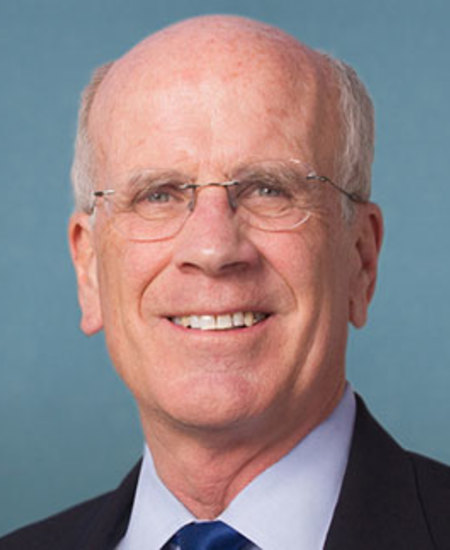
Peter Welch
Peter Welch Senate
D
Strong +
82% 22
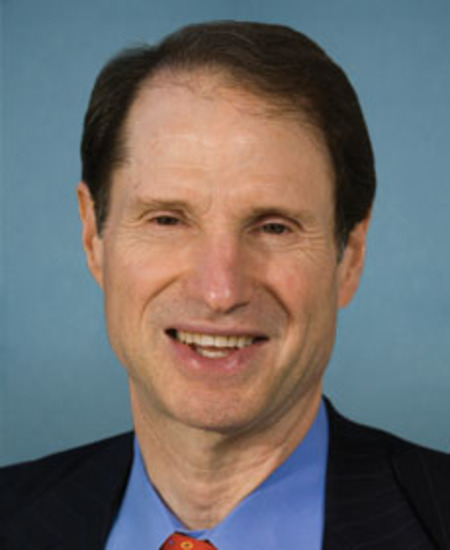
Ron Wyden
Ron Wyden Senate
D
Support
77% 22
Alex Padilla
Alex Padilla Senate
D
Support
76% 21
Ashley Moody
Ashley Moody Senate
R
Strong −
18% 22
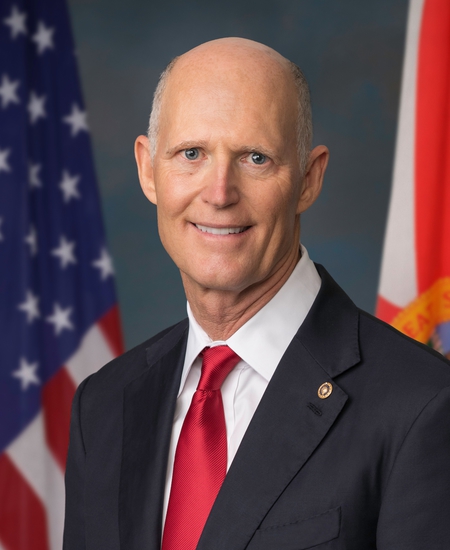
Rick Scott
Rick Scott Senate
R
Strong −
18% 22
Rand Paul
Rand Paul Senate
R
Oppose
23% 22
Brad Knott
Brad Knott House · District 13
R
Oppose
28% 18
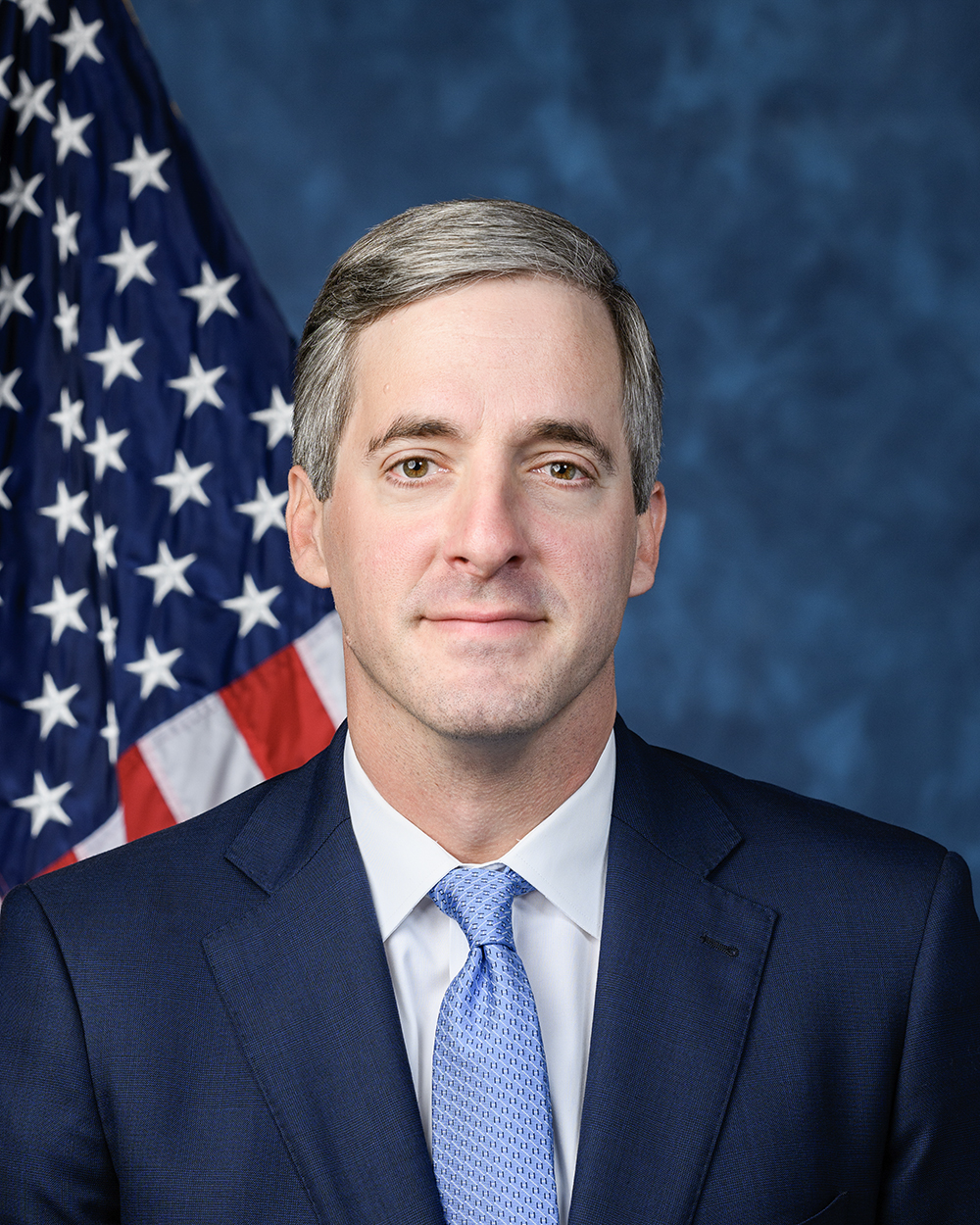
Pat Harrigan
Pat Harrigan House · District 10
R
Oppose
28% 18
Showing 2,441–2,450 of 3,150 bills

All healthcare bills

in committee · United States · Senate Jul 30, 2025

S 2529: A bill to increase the clarity and predictability of the process for developing applications for Rx-to-nonprescription switches.

This bill (S 2529) clarifies the process for switching prescription drugs to over-the-counter (OTC) status. It requires the FDA to hold meetings with drug manufacturers to develop application plans, issue new guidance within 18 months on evidence standards (including how to use medical literature and demonstrate consumer understanding), and create a public stakeholder engagement plan. The bill directly affects drug manufacturers seeking to switch products and the FDA’s review process. Key provisions define "full" (same use conditions) and "partial" (limited conditions) switches and set clear expectations for supporting evidence, aiming to make the approval process more predictable.
in committee · United States · Senate Apr 2, 2025

S 1248: EASE Act

The EASE Act (S 1248) creates a new Medicare and Medicaid model to improve access to specialty health care for beneficiaries in rural or underserved areas. It requires the Centers for Medicare & Medicaid Services to partner with nonprofit provider networks (comprising at least 50 rural clinics or health centers) to deliver specialty care via telehealth and remote technologies, coordinated with primary care providers. Eligible individuals include Medicare Part B beneficiaries or Medicaid/CHIP enrollees living in designated rural or underserved areas. The model mandates that selected provider networks must have proven experience serving rural communities and the capacity to track health data for evaluation.
Sub-Topics Hospitals Medicare Telehealth Tags Rural Communities
in committee · United States · House Jun 27, 2025

HR 4243: Homecare for Seniors Act

This bill allows seniors to use tax-free health savings account (HSA) funds for qualified home care services. It defines "qualified home care" as contracts providing three or more specific personal care services (like assistance with bathing, dressing, or medication) from state-licensed providers. The policy change directly affects seniors needing home care who use HSAs, excluding family-provided care and requiring state licensing compliance. A public awareness campaign will also inform seniors about eligible services.
Sub-Topics Sales Tax Long-Term Care Tags Seniors
in committee · United States · Senate Dec 4, 2025

S 3362: Health Marketplace and Savings Accounts for All Act

This bill, the Health Marketplace and Savings Accounts for All Act, makes significant changes to Health Savings Accounts (HSAs) and creates a new framework for health marketplace pools. It increases HSA contribution limits, allows rollovers to children or parents, and expands qualifying expenses to include vitamins, dietary supplements, gym memberships, and wearable fitness trackers. The bill establishes health marketplace pools that can function as employers to offer group health plans, with requirements to prevent health status discrimination in membership and enrollment. These pools can offer coverage that includes only drug benefits as a primary offering, while maintaining consistent enrollment rules that don't consider health status. The legislation aims to increase flexibility and accessibility of health savings options while creating new structures for health coverage.
in committee · United States · Senate Nov 20, 2025

S 3271: In-Home CARE Act

S 3271, the In-Home CARE Act, establishes a federal grant program to support family caregivers of individuals with chronic health conditions, disabilities, or functional limitations who receive care at home. The bill authorizes 3-year competitive grants for eligible organizations (like local agencies, healthcare entities, or nonprofits) to provide home visiting services that assess caregivers' needs, offer evidence-based education (e.g., on medication management, fall prevention, or mental health support), and connect caregivers to resources like respite care or home modifications. These grants require grantees to conduct initial assessments, deliver targeted training, and coordinate with existing programs like the National Family Caregiver Support Program. The goal is to help caregivers better support their loved ones at home, potentially reducing hospitalizations and institutional care while improving quality of life for both caregivers and care recipients.
in committee · United States · Senate Jan 24, 2025

S 253: Abortion Is Not Health Care Act of 2025

This bill changes U.S. tax law by removing abortion expenses from the list of medical costs taxpayers can deduct. It specifically states that amounts paid for abortions cannot be counted toward medical expense deductions on federal tax returns, affecting individuals who pay for abortions and might have claimed them as deductible medical expenses. Exceptions apply for abortions needed to treat life-endangering physical conditions related to pregnancy, or in cases of rape or incest, as certified by a physician. The law would take effect for tax years beginning after its enactment. This is a tax policy change, not a restriction on abortion access.
Sub-Topics Women's Health
in committee · United States · Senate Jan 23, 2025

S 207: Protecting Life on College Campus Act of 2025

This bill prohibits federal funding (directly or indirectly) for colleges and universities that host or are affiliated with campus health clinics providing abortion drugs or abortions to students or staff. Institutions must submit annual reports certifying no such services are offered to remain eligible for federal funds. The law also prevents states from penalizing schools for complying with this funding restriction. It specifically defines "abortion drugs" and "school-based service sites" (excluding hospitals) to clarify coverage.
in committee · United States · House Dec 19, 2025

HR 4837: Written Informed Consent Act

HR 4837, the Written Informed Consent Act, requires the Veterans Health Administration (VHA) to update its existing directive on informed consent to include additional medication classes. Specifically, it mandates that written informed consent must be obtained before prescribing antipsychotics, stimulants, antidepressants, anti-anxiety medications (anxiolytics), and narcotics (opioids) to veterans. This expansion directly affects veterans receiving these medications through the VA system, ensuring they are informed about specific treatment risks and alternatives. The key mechanism is amending VHA Directive 1005 to broaden its application beyond long-term opioid therapy to cover the newly listed medication types.
in committee · United States · Senate Dec 16, 2025

S 3505: Relief for Survivors of Miners Act of 2025

S 3505, the Relief for Survivors of Miners Act of 2025, simplifies benefit claims for survivors of miners who died from black lung disease (pneumoconiosis). It creates new rebuttable presumptions making it easier to prove a miner's death was caused by the disease, and restores pre-1981 rules for survivors of miners who were totally disabled by the disease. The bill also establishes a program to cover legal fees and unreimbursed medical costs (up to $4,500 total per claim) for contested claims pending over a year. Additionally, it requires a Government Accountability Office report examining interim payments, benefit adequacy, and potential claim filing changes under the Black Lung Benefits Act. This legislation directly affects survivors of coal miners and their legal representatives handling benefit claims.
in committee · United States · Senate Jun 3, 2025

S 1936: Improving Access to Transfusion Care for Hospice Patients Act of 2025

S 1936 would test a new payment model for Medicare hospice care, allowing blood transfusions to be paid separately from the standard hospice all-inclusive payment. This change would directly affect hospice patients requiring transfusions and Medicare hospice providers, altering how these services are reimbursed. The bill requires the Center for Medicare and Medicaid Innovation (CMI) to establish this model within one year, setting transfusion payments at the standard Medicare rate (not the bundled hospice rate). CMI must then evaluate the model by comparing key metrics like hospital visits, transfusion frequency, and hospice care duration between patients in the new model and similar patients not in the model. The goal is to assess whether separate payment improves access to necessary transfusions without increasing overall costs.
Showing 2,441 to 2,450 of 3,150 bills