Issue · Healthcare

Healthcare

Every healthcare bill, vote, and legislator stance in United States, automatically classified by Maddy, our AI policy reader.

Total bills
3,150
119th Congress
Top supporter
Darline Graham
100% support rate
Top opponent
Ashley Moody
18% support rate
Ranked legislators
10
5 support · 5 oppose
Key legislators

Who's moving healthcare in United States

Legislators moving healthcare in United States
Legislator Party Stance Support rate Decisive votes
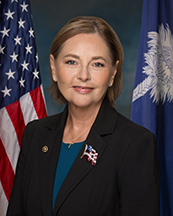
Darline Graham
Darline Graham Senate
R
Strong +
100% 6
AA
Alan Armstrong Senate
R
Strong +
88% 8
Peter Welch
Peter Welch Senate
D
Strong +
82% 22
Ron Wyden
Ron Wyden Senate
D
Support
77% 22
Alex Padilla
Alex Padilla Senate
D
Support
76% 21
Ashley Moody
Ashley Moody Senate
R
Strong −
18% 22
Rick Scott
Rick Scott Senate
R
Strong −
18% 22
Rand Paul
Rand Paul Senate
R
Oppose
23% 22
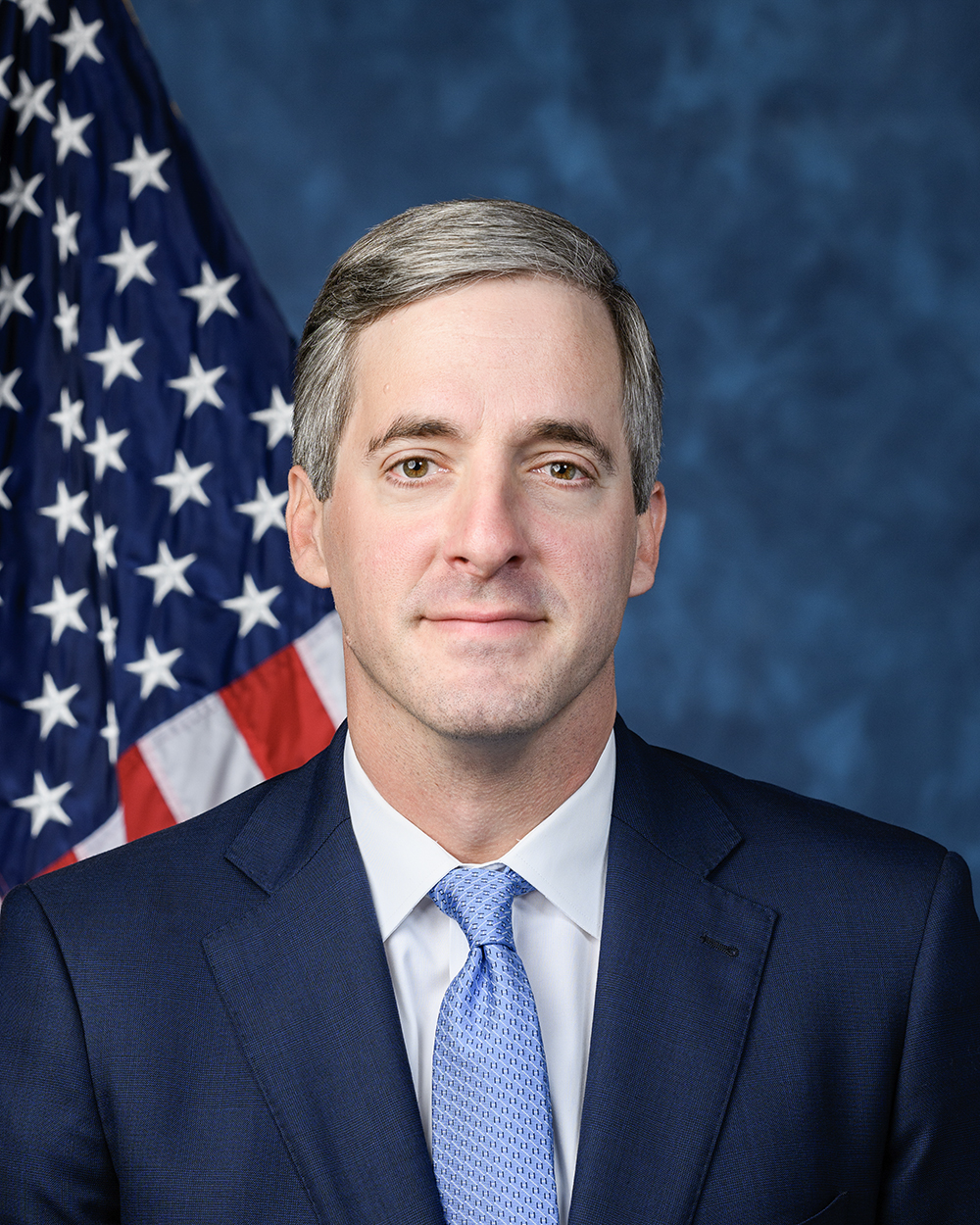
Brad Knott
Brad Knott House · District 13
R
Oppose
28% 18
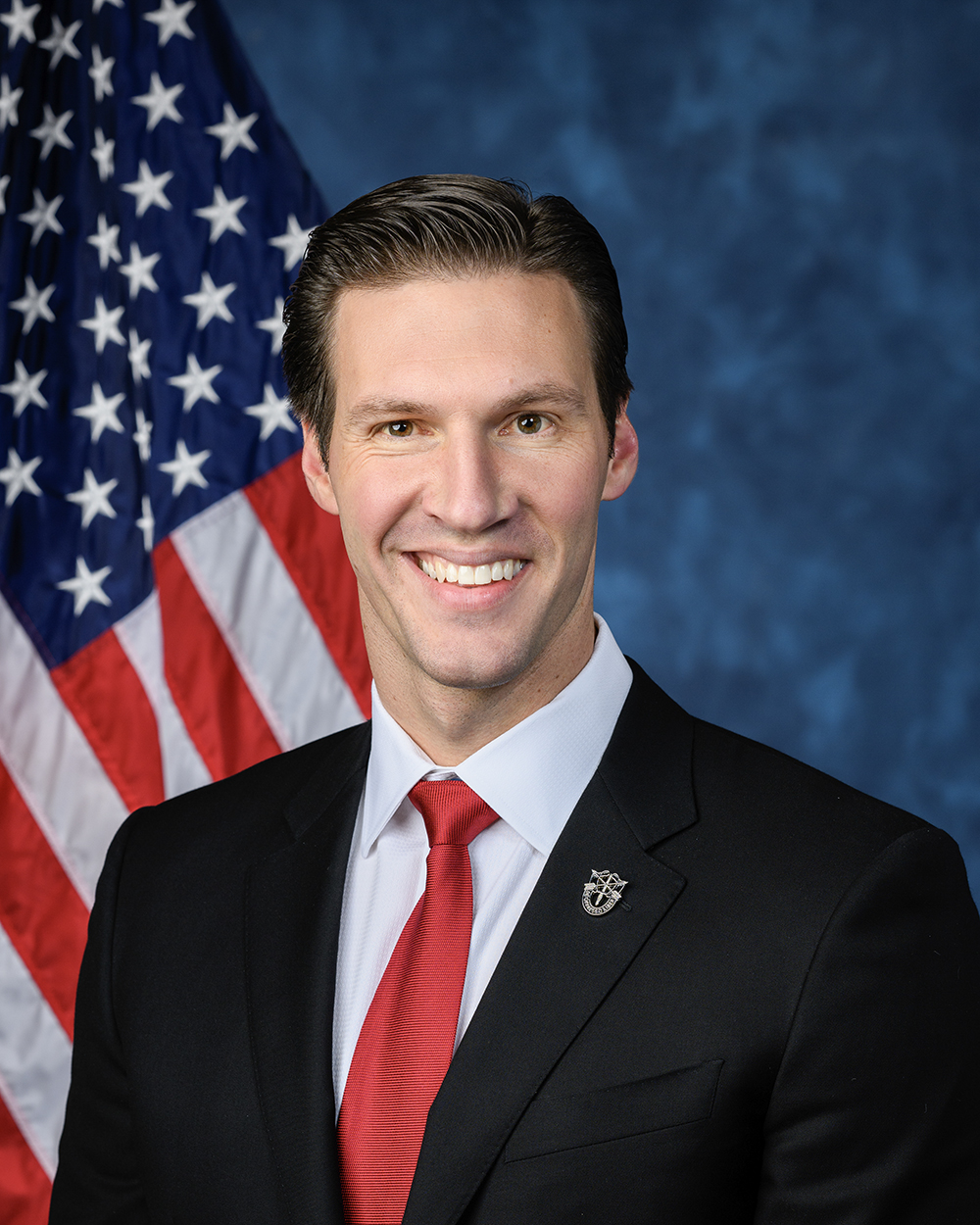
Pat Harrigan
Pat Harrigan House · District 10
R
Oppose
28% 18
Showing 2,421–2,430 of 3,150 bills

All healthcare bills

in committee · United States · Senate Mar 12, 2025

S 998: Medical Supply Chain Resiliency Act

The Medical Supply Chain Resiliency Act (S 998) aims to strengthen U.S. access to critical medical goods by creating "trusted trade partner agreements" with foreign countries that meet specific criteria, such as maintaining open trade during health emergencies and protecting intellectual property. It directly affects the U.S. Trade Representative, foreign governments, and medical manufacturers by reducing tariffs and trade barriers for medical devices and pharmaceuticals with these partners. Key mechanisms include establishing a framework to diversify supplier networks, harmonize regulatory standards, and expedite cross-border movement of medical goods during crises. The bill requires the President to submit regular reports to Congress and mandates that agreements must be approved by Congress before taking effect.
Sub-Topics Public Health
in committee · United States · Senate Jul 16, 2025

S 2303: Promoting Physical Activity for Americans Act

This bill requires the Secretary of Health and Human Services to publish regular physical activity recommendations for the public every 10 years, starting by December 2029. Each report must be based on current scientific evidence and include specific guidance for groups like children and people with disabilities. Federal agencies must consider these reports when developing their own physical activity guidelines. The bill does not create any mandatory fitness standards for individuals.
in committee · United States · House Nov 18, 2025

HR 6114: To prohibit funds made available to the Department of Health and Human Services by previous Appropriations Acts from being used for any activity that makes Medicare Advantage the default under the Medicare program.

HR 6114 prohibits using federal funds from previous appropriations to the Department of Health and Human Services for any activity that automatically enrolls Medicare beneficiaries in Medicare Advantage (MA) plans without their active choice. Specifically, it blocks the use of these funds to implement a system where individuals who fail to select a plan are deemed enrolled in MA by default. This directly affects Medicare beneficiaries who might otherwise be automatically enrolled in MA plans without actively choosing them. The bill’s key mechanism is a funding restriction that prevents HHS from using appropriated money to operate this default enrollment process under Medicare Part C. The policy change ensures beneficiaries must actively elect an MA plan to enroll, rather than being enrolled automatically.
Sub-Topics Medicare
in committee · United States · Senate Jul 30, 2025

S 2532: Safe Response Act

The Safe Response Act (S 2532) amends the Public Health Service Act to update first responder training requirements for overdose response. It broadens training to cover "opioid, heroin, and other drug" overdoses (replacing previous opioid-specific language) and updates product terminology to include "approved, cleared, or otherwise legally marketed" medical devices. The bill also adjusts funding, increasing annual support for the program from $36 million (2019-2023) to $57 million (2026-2030). These changes directly affect first responders and tribal programs receiving federal training funds, ensuring training aligns with current drug use patterns and medical product standards.
Sub-Topics Public Health Substance Abuse Tags Emergency Management Public Safety
in committee · United States · Senate Mar 13, 2025

S 1044: Physicians for Underserved Areas Act

This bill amends Medicare's residency slot redistribution rules when hospitals close. It changes the criteria hospitals must meet to qualify for redistributed residency positions, requiring them to demonstrate a likelihood of both starting to use the positions within 2 years and filling them within 5 years. The change applies only to hospitals closing on or after the bill's enactment date. It does not create new physician programs or funding, but modifies how existing Medicare residency slots are allocated to better target underserved areas.
in committee · United States · House Dec 11, 2025

HR 6607: FAAN Act

The FAAN Act (HR 6607) creates a $1 billion grant program to support nursing schools in underserved areas. It provides funding to increase faculty and student enrollment, modernize facilities (like simulation labs), expand clinical partnerships, and prioritize recruitment of underrepresented students and faculty. The bill directly affects nursing schools located in medically underserved areas, health professional shortage areas, rural communities, or those serving historically underrepresented populations. Grants must focus on addressing nursing workforce shortages and improving readiness for public health emergencies, with schools required to report on outcomes like student diversity and infrastructure upgrades.
in committee · United States · Senate Jul 29, 2025

S 2514: Gun Violence Prevention Research Act of 2025

This bill authorizes $50 million annually from 2026 through 2031 for the Centers for Disease Control and Prevention (CDC) to fund research on firearms safety and gun violence prevention. It directly affects the CDC and researchers by providing dedicated funding to study these topics under the Public Health Service Act. The key mechanism is a specific annual funding allocation, added to existing resources, to support new or ongoing research initiatives. The bill does not create new regulations or restrict gun ownership but focuses solely on enabling evidence-based research. This is a funding measure, not a policy change affecting the public directly.
Sub-Topics Public Health
in committee · United States · Senate May 6, 2025

S 1630: MOMS Act

The MOMS Act establishes a federal website called pregnancy.gov that will connect pregnant and postpartum women with local resources for healthcare, housing, childcare, and other support services. It creates grant programs for nonprofits that assist women in carrying pregnancies to term, with restrictions prohibiting these organizations from providing or referring for abortion services. The bill also amends child support laws to allow for child support obligations to begin at conception for unborn children, with payment amounts determined by courts based on the best interests of the mother and child. Additionally, it provides grants for telehealth equipment to improve prenatal and postnatal care access in rural and medically underserved areas.
in committee · United States · House Oct 24, 2025

HR 5821: Rural Hospital Fairness Act

HR 5821, the Rural Hospital Fairness Act, preserves Medicare critical access hospital (CAH) status for specific rural facilities that lost certification due to location changes. It directly affects hospitals designated as CAHs before 2002, certified as of December 31, 2024, and located in counties with no other hospitals at the time of their certification loss. The bill's key provision "deems" these facilities as still certified under Medicare, allowing them to maintain eligibility for CAH funding despite not meeting the standard location requirement. This change prevents certain rural hospitals from losing vital Medicare reimbursement due to geographic shifts in their service area. The policy change applies only to qualifying facilities meeting all other CAH criteria.
Sub-Topics Hospitals Medicare Tags Rural Communities
in committee · United States · House Mar 3, 2025

HR 1776: New Health Options Act of 2025

The New Health Options Act of 2025 establishes a federal reinsurance program to lower premiums for certain individual health insurance plans. It provides payments to insurers covering "eligible individuals" enrolled in specific off-Exchange plans, with a $110,000 attachment point and 90% coverage up to $300,000 per claim, funded by $50 per member-month (capped at $6 billion annually). The bill also allows insurers to opt out of the standard risk pool (affecting how premiums are calculated) and removes limits on age-based premium variations for some plans, while maintaining a 3:1 age ratio for others. Additionally, it requires insurers to apply out-of-network costs to deductibles and mandates health care providers to disclose price comparisons for covered services.
Sub-Topics Insurance
Showing 2,421 to 2,430 of 3,150 bills