Issue · Healthcare

Healthcare

Every healthcare bill, vote, and legislator stance in United States, automatically classified by Maddy, our AI policy reader.

Total bills
3,150
119th Congress
Top supporter
Darline Graham
82% support rate
Top opponent
Rick Scott
19% support rate
Ranked legislators
10
5 support · 5 oppose
Key legislators

Who's moving healthcare in United States

Legislators moving healthcare in United States
Legislator Party Stance Support rate Decisive votes
Darline Graham
Darline Graham Senate
R
Strong +
82% 11
Peter Welch
Peter Welch Senate
D
Strong +
81% 27
Ron Wyden
Ron Wyden Senate
D
Support
78% 27
Alex Padilla
Alex Padilla Senate
D
Support
77% 26
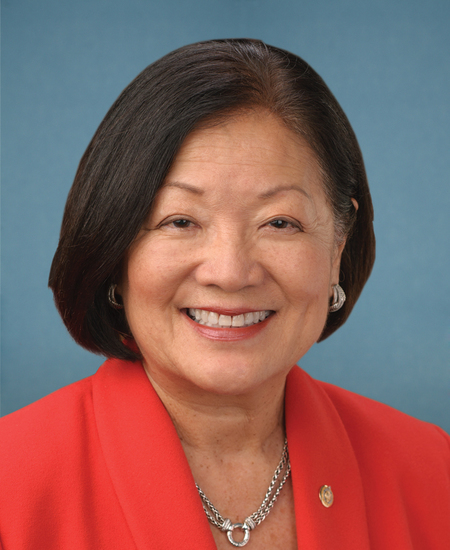
Mazie K. Hirono
Mazie K. Hirono Senate
D
Support
74% 27
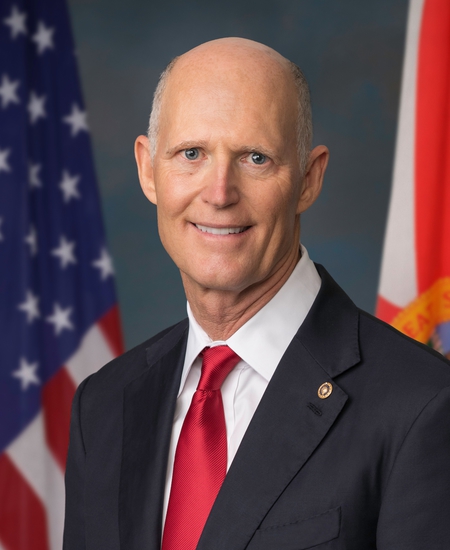
Rick Scott
Rick Scott Senate
R
Strong −
19% 27
Ashley Moody
Ashley Moody Senate
R
Oppose
22% 27
Rand Paul
Rand Paul Senate
R
Oppose
22% 27
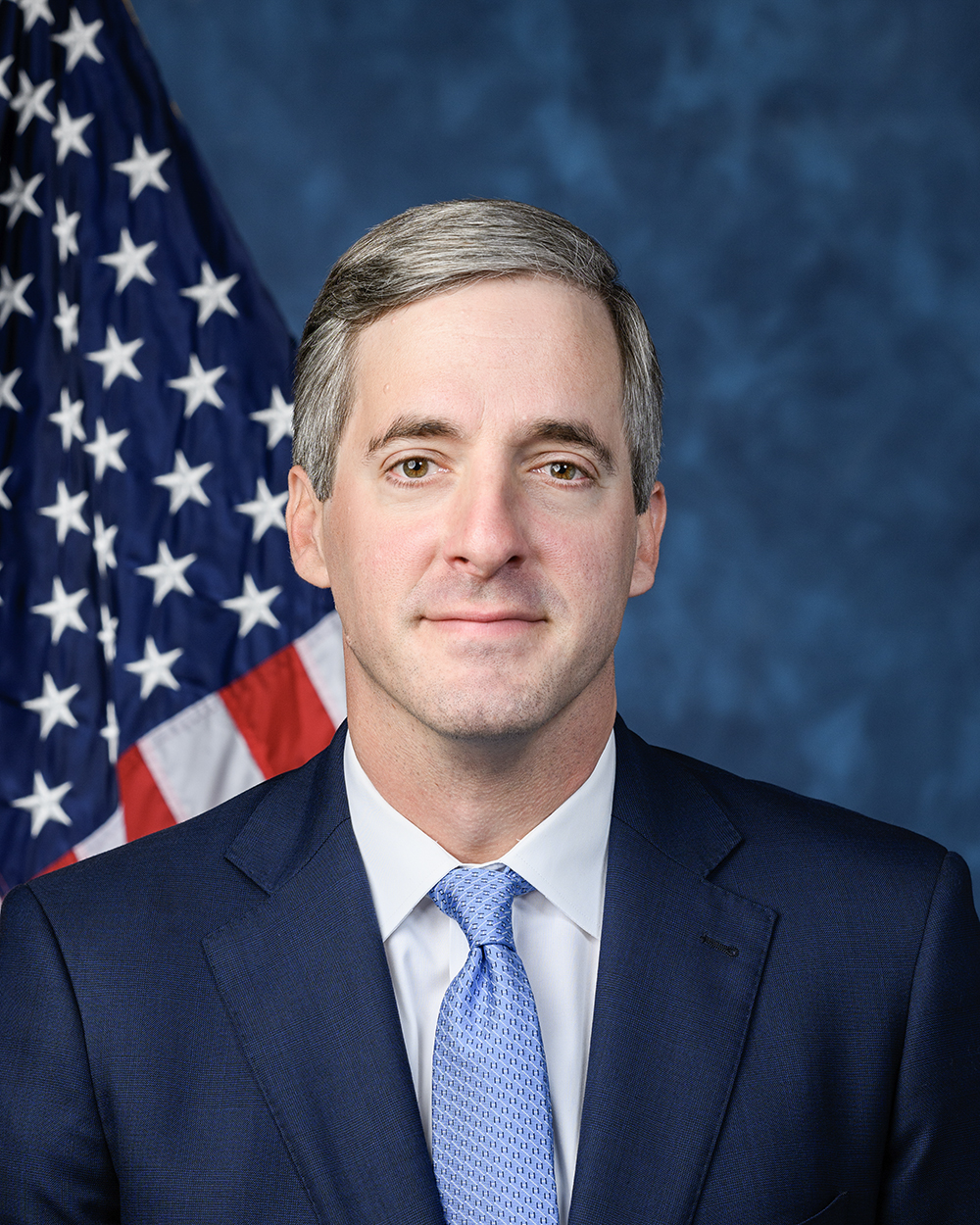
Brad Knott
Brad Knott House · District 13
R
Oppose
28% 18
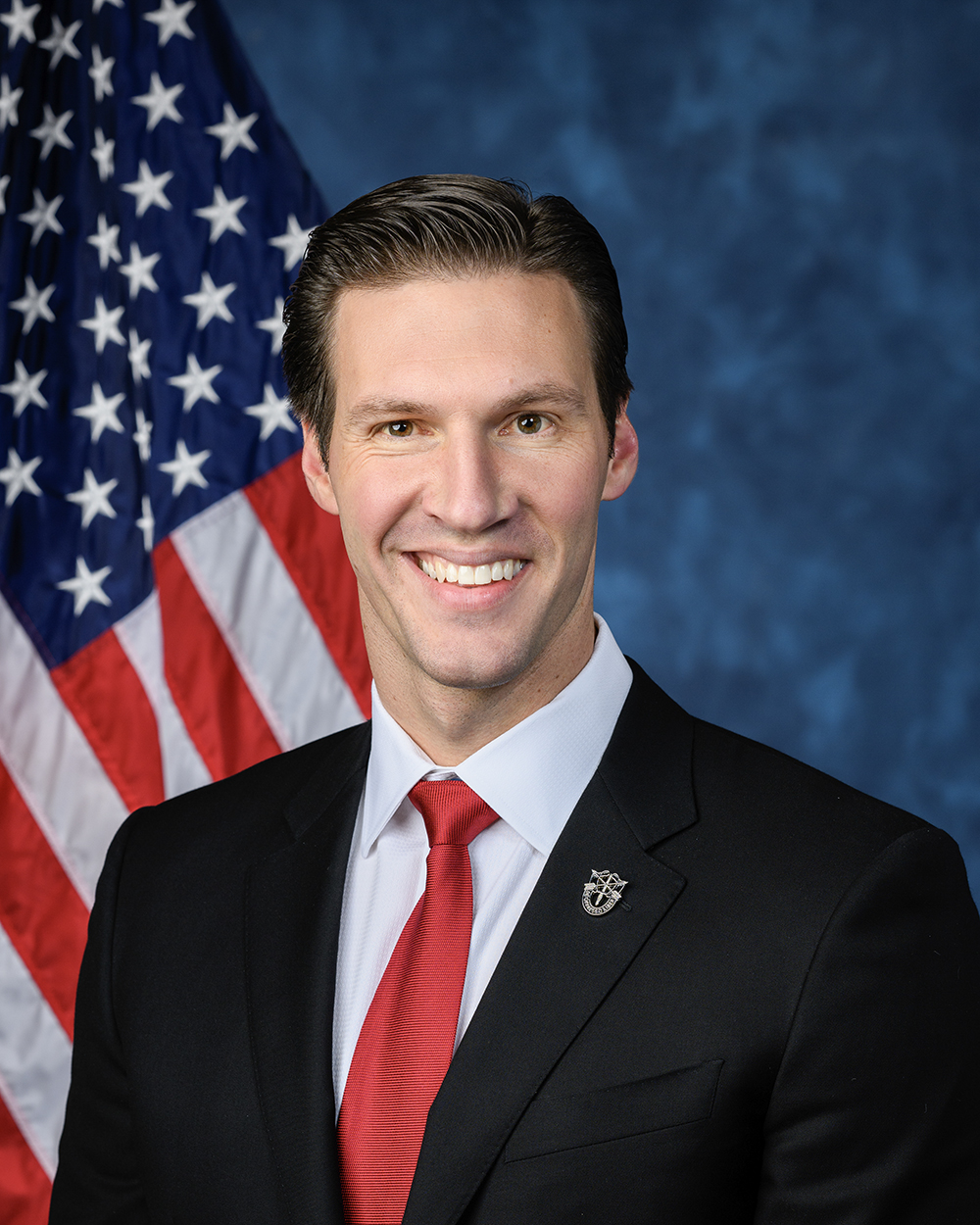
Pat Harrigan
Pat Harrigan House · District 10
R
Oppose
28% 18
Showing 2,231–2,240 of 3,150 bills

All healthcare bills

in committee · United States · House Nov 21, 2025

HR 6283: FOSTER Act

The FOSTER Act (HR 6283) creates a new federal grant program to fund opioid abuse prevention and treatment services specifically for children and caregivers in kinship care settings. It directs states and local agencies to use these funds for workforce training, health care services, and recruiting foster/adoptive parents to support kinship caregivers - defined as relatives (by blood, marriage, or adoption) raising children when biological parents cannot. The bill authorizes $255 million annually from 2028 through 2033, with 1% of funds dedicated to these services. This policy directly affects state/local agencies and kinship caregivers across the U.S., focusing on improving support systems for children in these arrangements.
Sub-Topics Substance Abuse Tags Children
in committee · United States · House Sep 11, 2025

HR 5314: Randy Susen Visitation Rights Act of 2025

This bill requires skilled nursing facilities participating in Medicare and Medicaid to permit immediate visitation by any individual designated by a resident, with no restrictions beyond the resident's right to revoke consent at any time. It directly affects nursing home residents (who gain greater control over visitor access) and the facilities themselves (which must comply with this new rule). The key provision adds a specific requirement to both Medicare and Medicaid regulations, mandating that facilities allow access to at least one designated visitor without any additional limitations. The law does not impose new costs or alter facility operations beyond this visitation standard.
in committee · United States · House Jan 9, 2025

HR 271: Defund Planned Parenthood Act of 2025

This bill blocks federal funding for Planned Parenthood Federation of America and its clinics for one year unless they certify they won't perform abortions. Exceptions apply for pregnancies resulting from rape or incest, or when a woman's life is in danger due to a medical condition. The bill redirects the redirected funds to community health centers and other providers serving women's health needs, authorizing $235 million for this purpose. It explicitly states this will not reduce overall federal funding for women's health services. The policy change directly affects Planned Parenthood clinics receiving federal funds, requiring them to certify abortion restrictions or lose funding.
Sub-Topics Women's Health
in committee · United States · House Feb 10, 2026

HR 7478: Patient Debt Relief Act

The Patient Debt Relief Act (HR 7478) requires Medicare-participating hospitals to implement new financial assistance and debt collection standards starting January 1, 2028. It prohibits hospitals from garnishing wages, placing home liens, or selling medical debt to collectors without offering income-based repayment plans (capping payments at 4% of monthly income) and providing clear eligibility information with bills. Hospitals failing to comply face civil penalties up to $1 million per violation, with annual audits and a public portal for patients to report noncompliance. The bill also creates a $100 million grant program to discharge medical debt for individuals meeting income thresholds (5% of income or household income ≤400% of poverty line). These changes directly affect hospitals and patients burdened by medical debt, aiming to standardize fair collection practices.
Sub-Topics Hospitals Medicare
in committee · United States · House Jan 31, 2025

HR 890: Stopping Pharma’s Ripoffs and Drug Savings For All Act

This bill targets pharmaceutical companies that extend patent protection for the same drug through multiple overlapping patents, a practice sometimes called "evergreening." It creates a presumption that companies must disclaim patent term for subsequent patents covering the same drug after the first patent expires, unless they prove the patents cover truly distinct inventions. The bill also requires the U.S. Patent Office to review its processes to prevent issuing such overlapping patents and report findings within a year. This directly affects pharmaceutical companies holding multiple patents for single drugs and aims to reduce artificial extensions of drug exclusivity, potentially lowering costs for consumers and insurers.
Sub-Topics Prescription Drugs
signed · United States · Senate Jun 9, 2026

S 2393: Fiscal Year 2025 Veterans Affairs Major Medical Facility Authorization Act

This bill authorizes the Department of Veterans Affairs to construct a major medical facility project in St. Louis, Missouri, during fiscal year 2026. It specifically funds a new bed tower, expanded clinical buildings, a consolidated administrative building, warehouse, utility plant, and parking garages, with a maximum funding limit of $1,762,668,000. The bill directly affects veterans receiving care at the St. Louis VA medical facility by enabling physical infrastructure upgrades. It does not change existing VA benefits or policies but provides the necessary funding authorization for these construction projects. The authorization is for fiscal year 2026, not fiscal year 2025 as referenced in the bill's title.
Sub-Topics Veteran Healthcare
in committee · United States · Senate May 7, 2025

S 1656: Vieques Recovery and Redevelopment Act

S 1656 establishes a compensation program for Vieques residents (in Puerto Rico) who developed specific illnesses - like cancer, diabetes, or heavy metal poisoning - due to 60+ years of U.S. military activity on the island. It awards $50,000 to $110,000 per qualifying illness based on the number of diseases, processed by a Special Master appointed by the Attorney General. The bill also mandates funding to build a new level-3 trauma medical facility with cancer and renal care, including interim services like air transport and telemedicine until the facility opens. All compensation and facility costs are capped at $1 billion, with claims needing to be filed within 15 years of the bill’s enactment.
in committee · United States · House Jun 3, 2025

HRES 465: Expressing the sense of the House of Representatives that the Congress should enact the Older Americans Bill of Rights to establish that older Americans should have the right to live with dignity and with independence.

HRES 465 is a resolution expressing the House of Representatives' support for Congress to enact the Older Americans Bill of Rights. It calls for future legislation establishing specific rights for older Americans, including access to dignified healthcare (like affordable prescriptions and caregiver support), financial security (such as strengthened Social Security), and community participation (like accessible housing and voting). The resolution itself does not create new laws but urges Congress to draft such a bill. It directly addresses older Americans, particularly those facing poverty, health disparities, or isolation, based on cited statistics about their challenges.
Sub-Topics Long-Term Care Tags Seniors
in committee · United States · House Jan 8, 2026

HR 6974: Improving MA SNP Act of 2026

HR 6974 amends Medicare accreditation rules for Special Needs Plans (SNPs) serving individuals with disabilities or chronic conditions. Starting in 2026, these plans may use any private accrediting organization approved by the Secretary of Health and Human Services, replacing the current requirement for exclusive NCQA approval. This change directly affects SNP providers who must now meet updated accreditation standards under the new framework. The bill focuses on expanding certification options while maintaining federal oversight through the Secretary’s approval process.
Sub-Topics Medicare
in committee · United States · House Mar 5, 2025

HR 1843: To amend the Federal Food, Drug, and Cosmetic Act to increase transparency in generic drug applications.

This bill requires the FDA to disclose whether a generic drug's inactive ingredients match those in the brand-name reference drug. It mandates that, upon request from a generic drug applicant, the FDA must confirm if the drugs are "qualitatively and quantitatively the same" in inactive ingredients or specify which ingredients differ and by how much. The policy directly affects generic drug manufacturers seeking FDA approval for their products. This change increases transparency in the drug approval process by providing clear, specific information to applicants about ingredient equivalence.
Sub-Topics Prescription Drugs
Showing 2,231 to 2,240 of 3,150 bills