Issue · Healthcare

Healthcare

Every healthcare bill, vote, and legislator stance in United States, automatically classified by Maddy, our AI policy reader.

Total bills
2,910
119th Congress
Top supporter
Darline Graham
82% support rate
Top opponent
Rick Scott
19% support rate
Ranked legislators
10
5 support · 5 oppose
Key legislators

Who's moving healthcare in United States

Legislators moving healthcare in United States
Legislator Party Stance Support rate Decisive votes
Darline Graham
Darline Graham Senate
R
Strong +
82% 11
Peter Welch
Peter Welch Senate
D
Strong +
81% 27
Ron Wyden
Ron Wyden Senate
D
Support
78% 27
Alex Padilla
Alex Padilla Senate
D
Support
77% 26
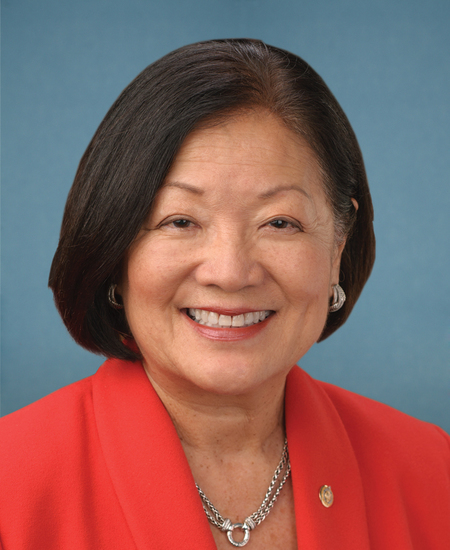
Mazie K. Hirono
Mazie K. Hirono Senate
D
Support
74% 27
Rick Scott
Rick Scott Senate
R
Strong −
19% 27
Ashley Moody
Ashley Moody Senate
R
Oppose
22% 27
Rand Paul
Rand Paul Senate
R
Oppose
22% 27
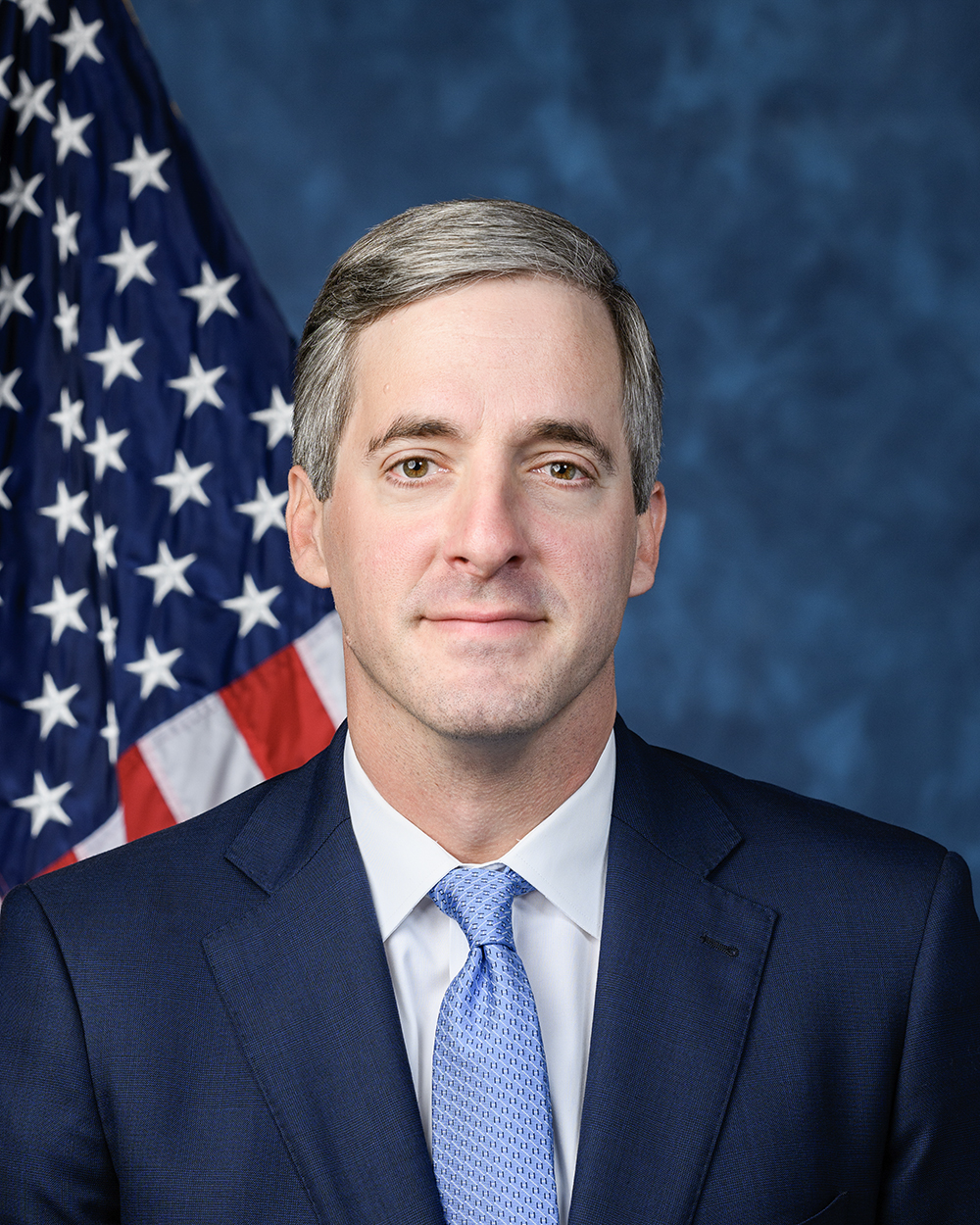
Brad Knott
Brad Knott House · District 13
R
Oppose
28% 18
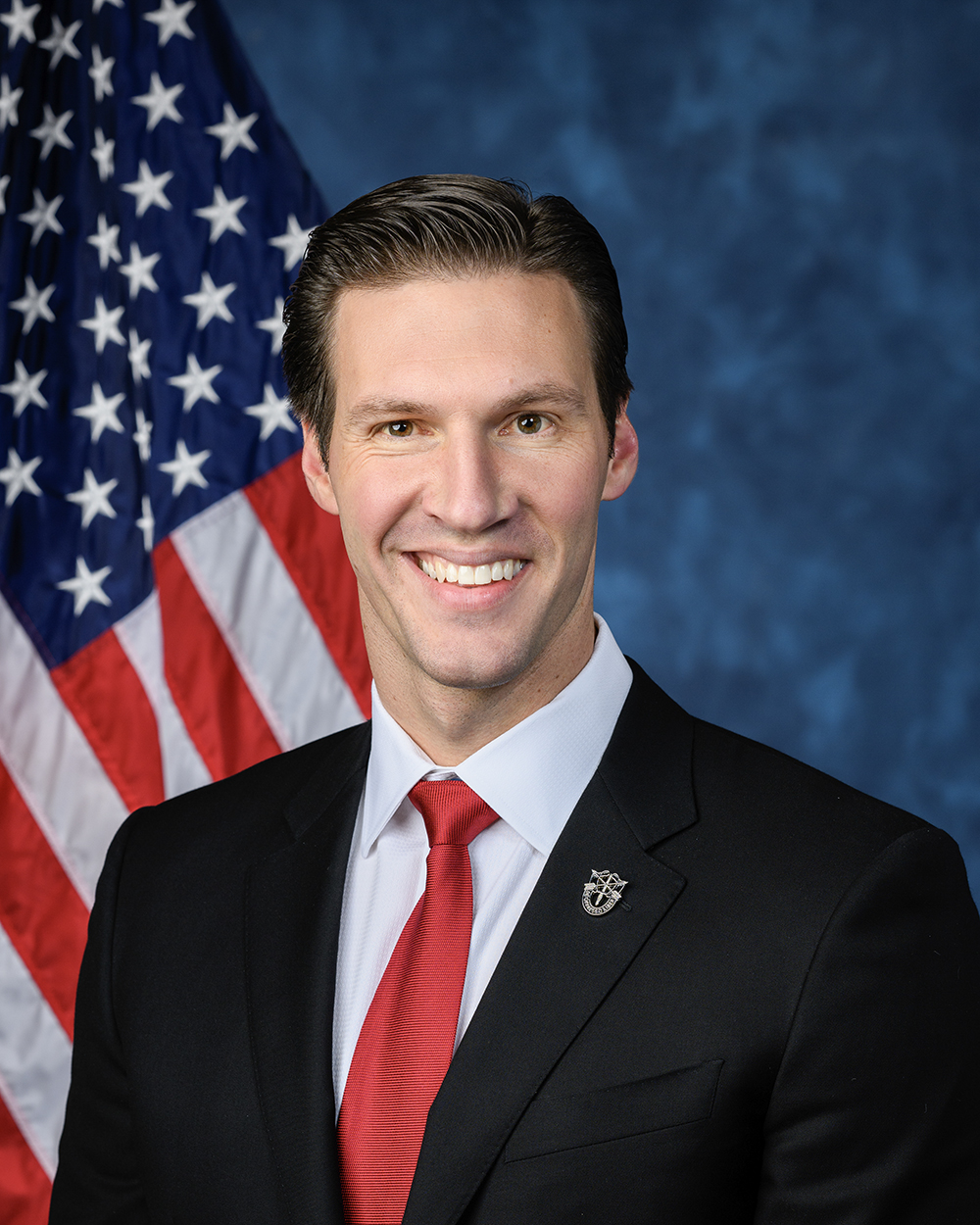
Pat Harrigan
Pat Harrigan House · District 10
R
Oppose
28% 18
Showing 2,221–2,230 of 2,910 bills

All healthcare bills

in committee · United States · Senate Apr 10, 2025

S 1418: Improving Law Enforcement Officer Safety and Wellness Through Data Act

S 1418 requires federal agencies to produce three reports analyzing data on threats to law enforcement officers and their well-being. The bill mandates a report on violent attacks (including ambushes) against officers, current training programs, and gaps in gear distribution; a report on adding a new category for non-criminal aggressive incidents against officers; and a report on mental health impacts and available support resources. These reports, due 270 days after enactment, will assess data collection systems, resource effectiveness, and disparities in reporting. The bill directly affects federal, state, and local law enforcement agencies by requiring them to contribute data and shape future safety policies. Its goal is to inform better resource allocation and training based on comprehensive data, not to mandate immediate changes.
Sub-Topics Mental Health Tags Data Reporting
in committee · United States · Senate Apr 1, 2025

S 1231: IVF for Military Families Act

S 1231, the IVF for Military Families Act, requires TRICARE to cover fertility treatments - including in vitro fertilization (IVF) - for active-duty military members and their dependents starting October 1, 2027. The bill limits IVF to three completed egg retrievals per patient but allows unlimited embryo transfers per medical guidelines. It also establishes a new program to coordinate fertility care, training providers on military families' unique needs. This policy directly affects military families seeking assisted reproductive services by mandating coverage for IVF and related treatments under TRICARE Prime and Select.
in committee · United States · Senate Apr 1, 2025

S 1236: FISCAL Act

Freedom in School Cafeterias and Lunches Act or the FISCAL Act This bill revises requirements for milk provided by the National School Lunch Program of the Department of Agriculture (USDA) to require that schools offer plant-based milk. Under current law, schools must provide a substitute for fluid milk for students whose disability restricts their diet (on receipt of a written statement from a licensed physician). Schools may also substitute a nondairy beverage for fluid milk for students who have an identified medical or other special dietary need (on receipt of a written statement from a medical authority or a student's parent or legal guardian). The bill eliminates the exceptions and documentation requirements. Instead, schools participating in the school lunch program must offer all students a plant-based milk option that is consistent with (1) the most recent U.S. Dietary Guidelines, or (2) USDA-established nutritional standards if the milk is not included under those guidelines.
Sub-Topics Student Health
in committee · United States · Senate Dec 17, 2025

SRES 563: A resolution affirming that the Federal Government should support school district investment in clean school buses.

SRES 563 is a non-binding Senate resolution affirming that the federal government should support school districts in replacing diesel school buses with cleaner alternatives like electric models. It highlights that diesel exhaust - harmful pollutants linked to asthma, missed school days, and long-term health risks for children - directly affects over 30% of U.S. students who ride school buses. The resolution cites bipartisan past efforts, including funding in the Infrastructure Investment and Jobs Act, to support this transition but does not create new funding or mandates. It serves as a statement of policy preference, not a legislative action.
in committee · United States · House Jan 22, 2026

HRES 1017: Recognizing the threat of air pollution and extreme heat to maternal and infant health, and expressing the sense of the House of Representatives that meaningful interventions must be rapidly and equitably developed and deployed to address the unique vulnerabilities of pregnancy in Latino communities.

HRES 1017 is a non-binding congressional resolution recognizing that air pollution and extreme heat pose significant health risks to pregnant women and infants, particularly in Latino communities. It highlights that Latina mothers face higher exposure to pollution, double the risk of heat-related birth complications compared to White mothers, and systemic barriers like language gaps and healthcare inequities. The resolution expresses the House's support for specific actions, including bilingual public alerts, air quality monitoring in Latino neighborhoods, improved heat guidelines at health facilities, and community-based programs to reduce exposure. It does not create new laws but calls for equitable interventions and policy considerations to address these vulnerabilities.
in committee · United States · House Aug 26, 2025

HRES 662: Expressing support for the designation of the week of August 25 through August 31, 2025, as "Black Breastfeeding Week".

This resolution expresses the House's symbolic support for designating August 25-31, 2025, as "Black Breastfeeding Week." It highlights systemic barriers Black mothers face in breastfeeding, such as inadequate workplace support and racial health disparities, while referencing statistics showing lower breastfeeding rates and higher infant mortality among Black communities. The resolution urges Congress to address these inequities through policies like paid parental leave and better workplace accommodations for breastfeeding. As a non-binding resolution, it does not create new laws but aims to raise awareness about racial disparities in maternal and infant health.
in committee · United States · Senate Sep 10, 2025

S 2756: Affordable Inhalers and Nebulizers Act of 2025

This bill, S 2756 (Affordable Inhalers and Nebulizers Act of 2025), sets a $15 monthly cost cap for specified inhaler products used to treat asthma and COPD under private insurance, Medicare Part B, and Medicare Part D plans. It requires insurers to cover these products without deductibles and counts any cost-sharing toward the annual out-of-pocket maximum. The bill also creates a new program to pay for these products for uninsured individuals starting in 2026, with providers agreeing not to bill patients more than $15 per month. It directly affects patients with asthma or COPD who rely on prescribed inhalers or nebulizers, ensuring predictable, low-cost access to these essential treatments.
in committee · United States · Senate Feb 12, 2025

S 551: Ensuring Outpatient Quality for Rural States Act

The Ensuring Outpatient Quality for Rural States Act (S 551) adjusts Medicare payments for outpatient hospital services in Alaska and Hawaii to address their higher operating costs. Starting in 2026, it allows the government to modify the non-labor portion of payment rates (covering expenses like rent and equipment) for these states, similar to adjustments made elsewhere. The bill specifies these changes should not be budget neutral, meaning they won’t be offset by cuts to other Medicare payments. It directly affects Medicare-certified hospitals in Alaska and Hawaii providing outpatient care.
Sub-Topics Hospitals Medicare
in committee · United States · Senate Jan 16, 2025

S 141: Connected MOM Act

S 141, the Connected MOM Act, requires the U.S. Health and Human Services Secretary to report to Congress within 18 months on Medicaid coverage of remote health monitoring devices (like pulse oximeters and blood pressure cuffs) for pregnant and postpartum women. The report must identify barriers to coverage under state Medicaid programs and assess their impact on maternal and child health outcomes. Six months after the report is submitted, HHS must update state Medicaid resources, such as telehealth toolkits, to align with the report's recommendations. This bill directly affects Medicaid-enrolled pregnant and postpartum women by aiming to improve access to remote health monitoring. It focuses on gathering data and updating state resources, not on direct funding or new coverage mandates.
in committee · United States · House Jan 15, 2026

HR 7106: Enhancing Skilled Nursing Facilities Act

HR 7106, the Enhancing Skilled Nursing Facilities Act, modifies Medicare and Medicaid rules to expand which healthcare providers can deliver services in skilled nursing facilities (SNFs) without direct physician supervision. The bill updates existing law to allow nurse practitioners, physician assistants, and clinical nurse specialists (working under state law) to perform roles previously restricted to physicians, such as certifying care, supervising residents, and maintaining clinical records. This directly affects SNFs, Medicaid/Medicare providers, and state licensing authorities, as it changes certification and supervision requirements for facility services. The key mechanism is replacing "physician" with broader provider categories in multiple sections of the Social Security Act, while requiring compliance with state practice laws.
Showing 2,221 to 2,230 of 2,910 bills