Issue · Healthcare

Healthcare

Every healthcare bill, vote, and legislator stance in United States, automatically classified by Maddy, our AI policy reader.

Total bills
2,910
119th Congress
Top supporter
Darline Graham
82% support rate
Top opponent
Rick Scott
19% support rate
Ranked legislators
10
5 support · 5 oppose
Key legislators

Who's moving healthcare in United States

Legislators moving healthcare in United States
Legislator Party Stance Support rate Decisive votes
Darline Graham
Darline Graham Senate
R
Strong +
82% 11
Peter Welch
Peter Welch Senate
D
Strong +
81% 27
Ron Wyden
Ron Wyden Senate
D
Support
78% 27
Alex Padilla
Alex Padilla Senate
D
Support
77% 26
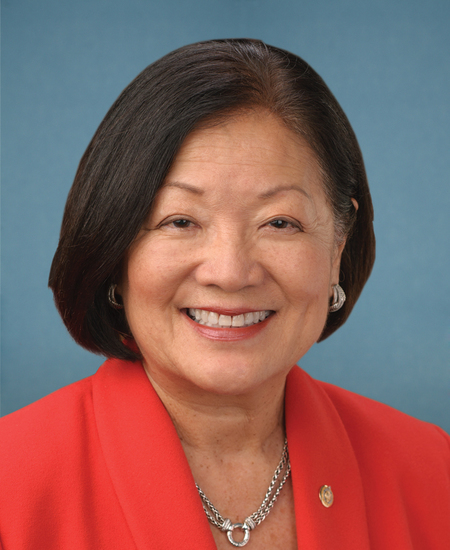
Mazie K. Hirono
Mazie K. Hirono Senate
D
Support
74% 27
Rick Scott
Rick Scott Senate
R
Strong −
19% 27
Ashley Moody
Ashley Moody Senate
R
Oppose
22% 27
Rand Paul
Rand Paul Senate
R
Oppose
22% 27
Brad Knott
Brad Knott House · District 13
R
Oppose
28% 18
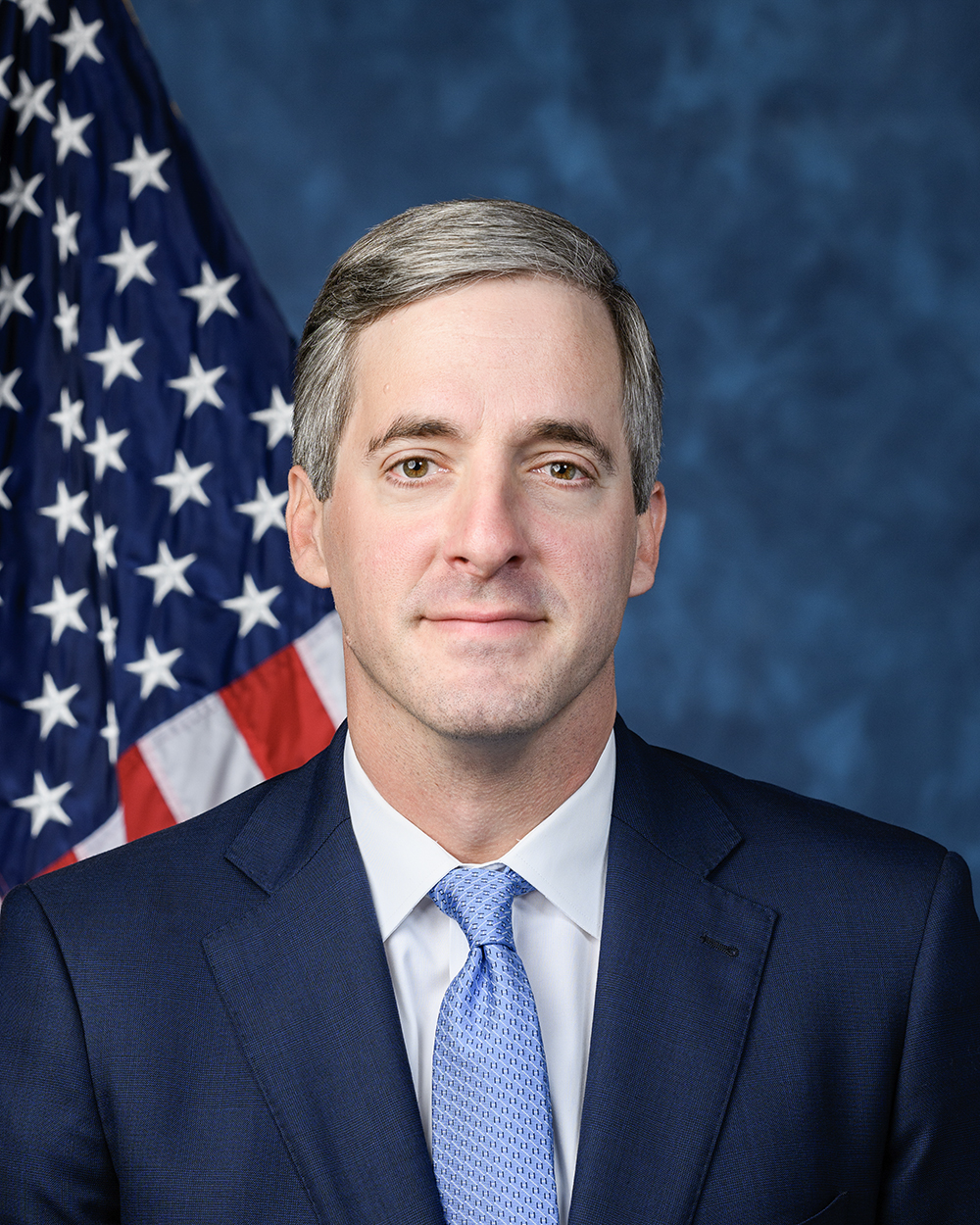
Pat Harrigan
Pat Harrigan House · District 10
R
Oppose
28% 18
Showing 2,031–2,040 of 2,910 bills

All healthcare bills

in committee · United States · Senate Jan 28, 2026

S 3714: Family-to-Family Reauthorization Act of 2026

This bill extends funding for family-to-family health information centers that support families navigating health systems, particularly for individuals with disabilities or chronic conditions. It authorizes two specific funding periods: partial funding for the last eight months of 2026 ($6 million annually) and $6 million each year from 2027 through 2030. The bill amends existing Social Security Act provisions to formalize these funding levels without creating new requirements or eligibility rules. It directly affects the 50+ centers currently receiving federal support under this program. The change ensures continued operation of these centers through 2030 without altering their core services.
in committee · United States · Senate May 21, 2025

S 585: Servicemember to Veteran Health Care Connection Act of 2025

S 585, the Servicemember to Veteran Health Care Connection Act of 2025, creates an automated pre-registration system to streamline health care enrollment for service members transitioning to veterans. It requires the VA to automatically register service members 180 days before separation into a pre-transition system, followed by outreach (via email, mail, or phone) to explain enrollment steps and available services, including initial appointment scheduling. The bill mandates the VA to simplify enrollment processes, improve coordination with the Department of Defense, and report annually on registration and enrollment outcomes. This directly affects all service members anticipating separation from the Armed Forces who may seek VA health care, aiming to reduce transition barriers and improve access to care.
in committee · United States · Senate Feb 5, 2025

S 403: Rural Health Focus Act

The Rural Health Focus Act (S 403) creates a new Office of Rural Health within the CDC, headed by a director appointed by the CDC Director. This office will directly serve rural communities by coordinating CDC research on rural health challenges, developing policies to improve care (including telehealth), and awarding grants to support rural health initiatives. Key mechanisms include acting as the CDC’s main contact for rural health issues, identifying healthcare disparities in rural areas, and collaborating with other federal health offices to avoid duplication. The bill aims to address specific health access and outcomes gaps faced by people living in rural populations through targeted federal coordination and support.
Sub-Topics Primary Care Public Health Telehealth Tags Rural Communities
in committee · United States · House Jul 23, 2025

HR 4723: Mental Health for Latinos Act of 2025

HR 4723, the Mental Health for Latinos Act of 2025, requires the U.S. Department of Health and Human Services to create a new outreach strategy specifically for Hispanic and Latino communities to improve mental health access and reduce stigma. The strategy must address cultural and language needs, provide information on culturally appropriate treatments, and involve community members in its development. It mandates annual reports to Congress on the strategy’s impact on mental health outcomes and allocates $1 million for fiscal year 2026 to fund implementation. This bill directly affects Hispanic and Latino individuals facing barriers to mental health care due to cultural, linguistic, or systemic factors.
Sub-Topics Mental Health
in committee · United States · Senate Mar 18, 2026

S 3303: LINC VA Act

The LINC VA Act (S 3303) establishes a pilot program to create or enhance a community integration platform at VA medical facilities, helping veterans access coordinated support services like housing, healthcare, job training, and mental health care through partnerships with community organizations. The platform must connect existing local services, use standardized health screening tools (based on ICD-10 codes for social determinants), and track referral outcomes to improve service coordination. It requires the VA to implement this at five or more diverse VA facilities - including rural and under-resourced sites - within one year of enactment. The program collects veteran data on social needs to better align VA care with community resources, with a report due to Congress within three years.
in committee · United States · Senate Mar 18, 2026

S 1657: Review Every Veteran’s Claim Act of 2025

Review Every Veteran's Claim Act of 2025 This bill prohibits the Department of Veterans Affairs (VA) from denying a claim for benefits on the sole basis that a veteran failed to appear for a medical examination provided by the VA in conjunction with the claim for benefits.
in committee · United States · Senate Feb 12, 2025

S 553: SOLES Act

S 553, the SOLES Act, requires increased Medicare payments for sole community hospitals in Alaska and Hawaii. If a hospital's payment under Medicare's outpatient system is less than 94% of its reasonable costs, the payment must be raised to cover the shortfall. This directly affects the 11 sole community hospitals in these states that are the only providers of acute care in their communities. The bill mandates that these extra payments don't count toward budget neutrality rules or affect patient copayments, and requires the Secretary to issue implementing regulations within six months of enactment.
Sub-Topics Hospitals Medicare
in committee · United States · Senate Jun 10, 2025

S 2006: Fit to Serve Act

S 2006, the Fit to Serve Act, prohibits the U.S. military from discriminating against service members or applicants based on gender identity. It directly affects all current and prospective members of the Armed Forces by banning specific discriminatory actions, including denying medically necessary health care, requiring service in a sex assigned at birth, or separating members due to gender identity (including gender dysphoria diagnosis). The bill amends Title 10 of the U.S. Code to add new protections, explicitly stating that the military cannot deny service, reenlistment, or health coverage based on gender identity. These changes apply uniformly across all branches and service statuses, ensuring equal treatment under military policy.
in committee · United States · House Feb 6, 2025

HR 211: Equal Access to Contraception for Veterans Act

HR 211, the Equal Access to Contraception for Veterans Act, eliminates out-of-pocket costs for specific contraceptives for veterans using VA healthcare. It amends Section 1722A of Title 38 to prohibit the VA from charging veterans copayments for contraceptive items that must be covered without cost-sharing under federal law (as required by Section 2713(a)(4) of the Public Health Service Act). This means veterans will not pay any amount for contraceptives covered by the federal mandate, such as birth control pills or IUDs, when obtained through the VA system. The bill directly affects veterans enrolled in VA healthcare seeking contraceptive services, ensuring no additional costs beyond what is already mandated for these items.
in committee · United States · Senate May 5, 2025

S 1587: Fair Prescription Drug Prices for Americans Act

The Fair Prescription Drug Prices for Americans Act would cap the U.S. list price for prescription drugs and biological products at the average price in Canada, France, Germany, Italy, Japan, and the United Kingdom. Drug manufacturers must annually report U.S. and international prices to the Health and Human Services Secretary, who calculates the six-country average. If a U.S. price exceeds this average, manufacturers face a civil penalty of 10 times the price difference per unit sold. The bill directly targets drug pricing practices without altering drug approval processes or insurance coverage.
Showing 2,031 to 2,040 of 2,910 bills