Issue · Healthcare

Healthcare

Every healthcare bill, vote, and legislator stance in United States, automatically classified by Maddy, our AI policy reader.

Total bills
3,150
119th Congress
Top supporter
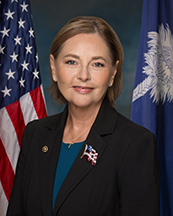
Darline Graham
82% support rate
Top opponent
Rick Scott
19% support rate
Ranked legislators
10
5 support · 5 oppose
Key legislators

Who's moving healthcare in United States

Legislators moving healthcare in United States
Legislator Party Stance Support rate Decisive votes
Darline Graham
Darline Graham Senate
R
Strong +
82% 11
Peter Welch
Peter Welch Senate
D
Strong +
81% 27
Ron Wyden
Ron Wyden Senate
D
Support
78% 27
Alex Padilla
Alex Padilla Senate
D
Support
77% 26
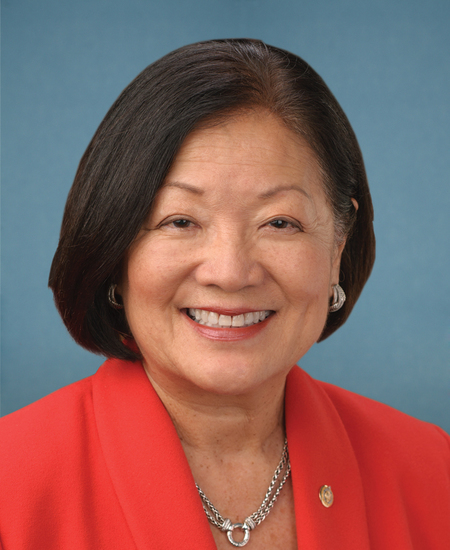
Mazie K. Hirono
Mazie K. Hirono Senate
D
Support
74% 27
Rick Scott
Rick Scott Senate
R
Strong −
19% 27
Ashley Moody
Ashley Moody Senate
R
Oppose
22% 27
Rand Paul
Rand Paul Senate
R
Oppose
22% 27
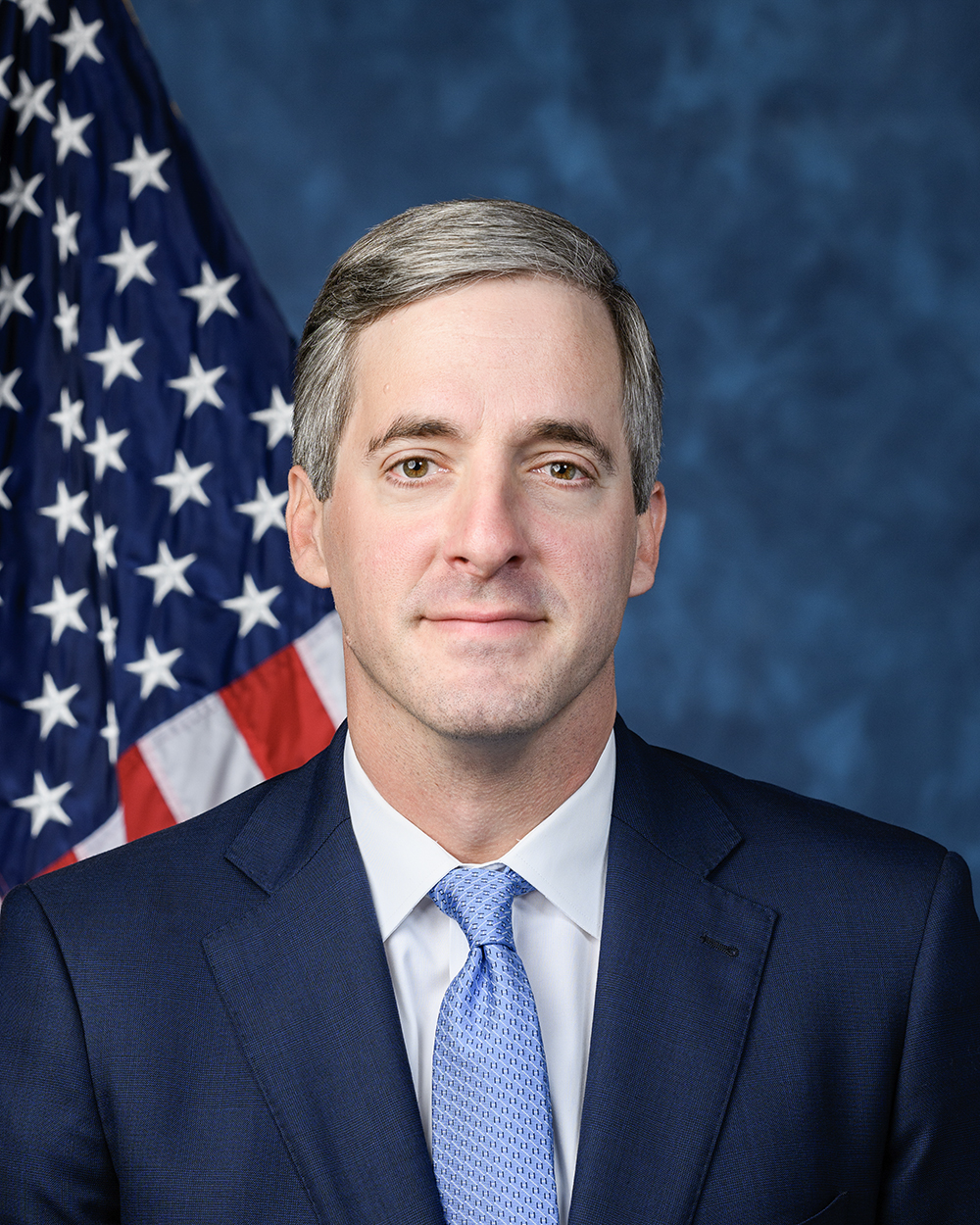
Brad Knott
Brad Knott House · District 13
R
Oppose
28% 18
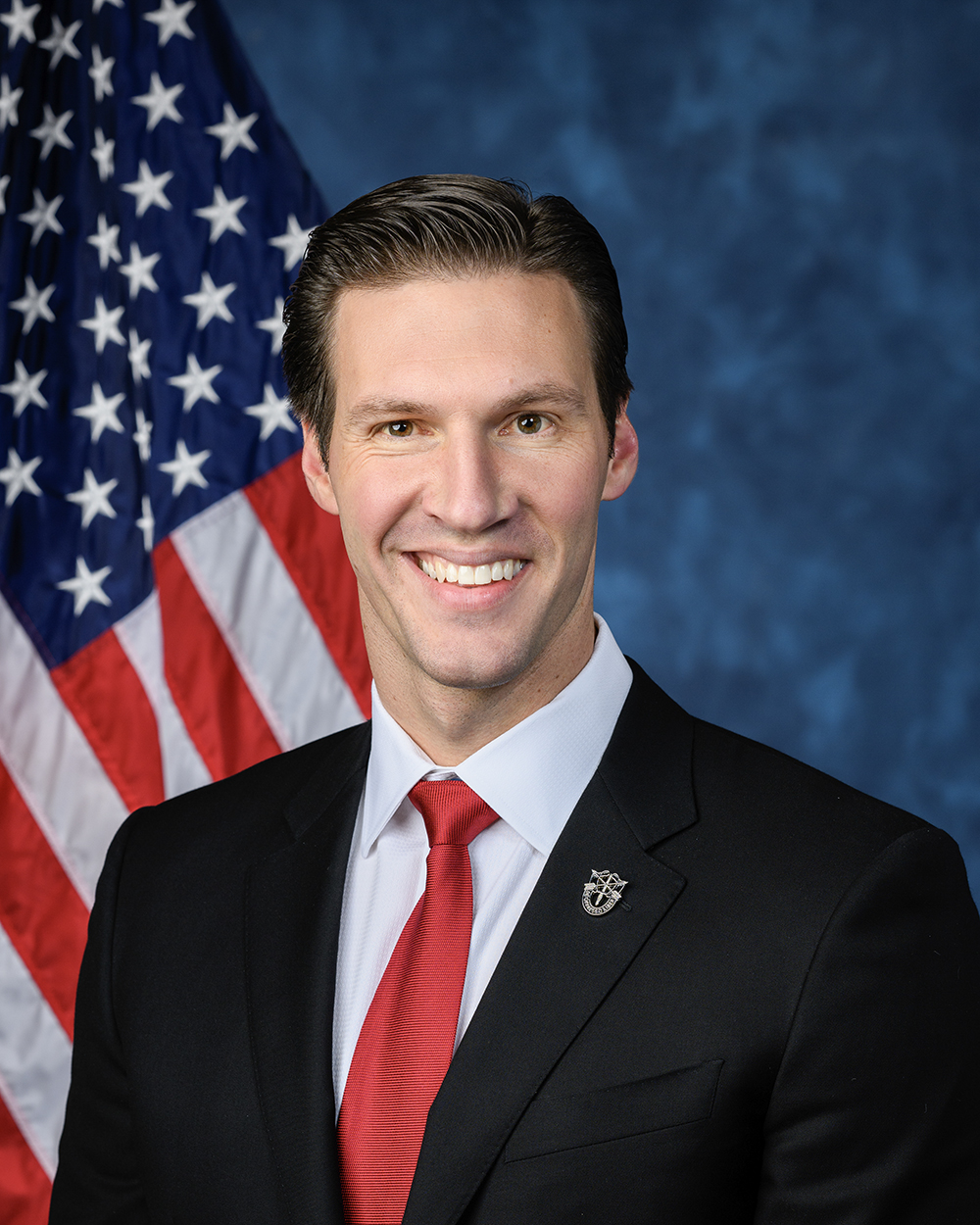
Pat Harrigan
Pat Harrigan House · District 10
R
Oppose
28% 18
Showing 2,021–2,030 of 3,150 bills

All healthcare bills

in committee · United States · Senate Feb 13, 2025

S 600: Supporting Adopted Children and Families Act

The Supporting Adopted Children and Families Act amends the Social Security Act to provide enhanced pre- and post-adoption support services for adopted children and their families. It establishes a $20 million annual federal grant program (2026-2029) to fund mental health services, counseling, peer support groups, and crisis intervention for adopted children under 21. The bill requires states to collect detailed data on adoption disruptions and dissolutions to better understand causes and develop prevention strategies. These provisions directly affect adopted children, their adoptive families, and state child welfare agencies that administer adoption services.
Sub-Topics Mental Health
in committee · United States · House Feb 5, 2026

HR 7407: Prohibiting Tianeptine and Other Dangerous Products Act of 2026

This bill amends the Federal Food, Drug, and Cosmetic Act to prohibit specific dietary supplement practices. It directly affects supplement manufacturers and sellers by banning products marketed as dietary supplements that don't meet the legal definition (section 201(ff)) and prohibiting supplements prepared with help from individuals debarred under other laws. Key mechanisms include adding new prohibited acts (sections 301(jjj) and 301(kkk)) to strengthen import restrictions and seizure authorities for violative products. The law aims to enhance FDA enforcement against unsafe supplement practices without specifying outcomes or advocating for policy positions.
in committee · United States · House Jan 15, 2026

HR 7118: Genomic Answers for Children’s Health Act of 2026

HR 7118, the Genomic Answers for Children’s Health Act of 2026, requires Medicaid to cover whole genome and whole exome sequencing for Medicaid-eligible children with specific medical needs, including genetic disorders, rare diseases, congenital anomalies, developmental delays, or intellectual disabilities. It mandates that this testing be ordered as a first-tier test by a physician and paid separately, not bundled with other services. The bill also requires the Department of Health and Human Services to convene stakeholders, conduct outreach to raise awareness, and publish a report within two years detailing state payment rates and usage data. Additionally, it directs a Comptroller General report assessing implementation barriers, workforce challenges, and payment alignment with market costs. The changes take effect January 1, 2027.
in committee · United States · House Nov 20, 2025

HR 6211: Medical Professional Access Act

HR 6211, the Medical Professional Access Act, allows health care professionals working under federal contracts to provide services across state lines during federally declared emergencies without needing separate state licenses. It directly affects doctors, nurses, and other licensed health care workers who serve under federal agreements in response to crises like natural disasters or pandemics. The key provision overrides state licensing laws when services are provided during emergencies certified by the President, HHS Secretary, or other federal authorities, as long as the care stays within the scope of the federal contract. This streamlines access to medical help in urgent situations without requiring professionals to navigate varying state licensing rules. The bill does not change routine practice or apply outside of federally declared emergency contexts.
Sub-Topics Healthcare Workforce Medical Licensing Tags Licensing
in committee · United States · House May 20, 2026

HR 5203: To direct the Secretary of Veterans Affairs to update directives of the Department of Veterans Affairs regarding the management of acute sexual assault, and for other purposes.

HR 5203 requires the Department of Veterans Affairs (VA) to update its policies for managing acute sexual assault cases involving veterans within 72 hours of the incident at VA facilities. It mandates that VA medical facilities must have access to certified sexual assault forensic examiners (SAFE/SANE providers), maintain rape kits, offer preventive care for STIs and pregnancy, and provide mental health referrals. The bill also requires annual staff training on these protocols and clear guidelines for VA police regarding reporting to local law enforcement while protecting veteran confidentiality. This directly affects veterans seeking care at VA facilities for recent sexual assault, ensuring standardized, trauma-informed care.
in committee · United States · House Mar 28, 2025

HR 1906: Rural Wellness Act

HR 1906, the Rural Wellness Act, extends a deadline for rural development funding to 2029 and requires that 17% of funds prioritize projects offering behavioral and mental health services like prevention, treatment, and recovery. It directs grant administrators to give preference to rural community facilities providing these services and employing staff trained in mental health care. The law applies to programs under the Consolidated Farm and Rural Development Act and the Rural Development Act of 1972. This affects rural communities seeking health facility grants and changes how funding is allocated to address mental health needs.
Sub-Topics Mental Health Substance Abuse Telehealth Tags Rural Communities
in committee · United States · House Dec 16, 2025

HR 6765: Safe Passages Act of 2025

HR 6765, the Safe Passages Act of 2025, establishes a global program to reduce maternal and child mortality in low- and lower-middle-income countries by funding life-affirming health interventions. The bill directs $400 million annually to train local providers (including midwives and community health workers) in preventing/treating leading causes of maternal death (like hemorrhage and preeclampsia), provide medical resources, support father involvement, and deliver nutrition care during the first 1,000 days of life. It explicitly prohibits funding for abortion services and requires programs to promote natural fertility awareness methods and "life-affirming care" aligned with respect for life from conception. The Act mandates annual reporting on training outcomes, facility upgrades, mortality data comparisons, and compliance with its restrictions.
Sub-Topics Women's Health
in committee · United States · House Feb 2, 2026

HR 6601: CARE for First Responders Act

The CARE for First Responders Act (HR 6601) provides mental health support specifically for first responders, including emergency personnel and 911 operators (defined as "qualified emergency response providers"). It requires the creation of a 24/7 confidential hotline via the 988 Suicide Lifeline, peer support programs staffed by trained responders, and mobile crisis units that offer on-site mental health services during major disasters. The bill mandates trauma-informed, culturally appropriate care and education to reduce stigma around mental health, with a focus on helping responders and their families adjust after disaster work. It authorizes $5 million annually (2026-2030) for these services through grants to state/local health entities.
Sub-Topics Mental Health Tags Emergency Management Public Safety
in committee · United States · House Jan 5, 2026

HR 6585: To direct the Secretary of Veterans Affairs to temporarily extend the period during which certain individuals may file claims for medical care under the CHAMPVA program of the Department of Veterans Affairs, and for other purposes.

This bill extends the deadline for certain veterans' dependents to file claims for medical care under the CHAMPVA program. It applies to individuals already eligible for CHAMPVA benefits who also have Medicare Part A hospital coverage. The key change ensures that after receiving official approval for retroactive care, these individuals have a full 365 days (not earlier than one year) to file their claim. The extension applies from the bill's enactment date until September 30, 2027.
in committee · United States · Senate Sep 9, 2025

S 2739: Reducing Obesity in Youth Act of 2025

The Reducing Obesity in Youth Act of 2025 establishes a grant program to improve healthy eating and physical activity for children ages birth through 5 in childcare, Head Start, and early education settings. It authorizes $5 million annually (2026-2030) for competitive grants to nonprofits, schools, or consortia to train childcare providers, link programs to nutrition resources, and engage families - prioritizing diverse rural and urban communities. Grantees must address food insecurity and implement evidence-based approaches, with a national evaluator tracking outcomes and reporting results to Congress. The bill also allocates $1.7 million for monitoring state progress on obesity prevention policies and food security in these settings.
Showing 2,021 to 2,030 of 3,150 bills