Issue · Healthcare

Healthcare

Every healthcare bill, vote, and legislator stance in United States, automatically classified by Maddy, our AI policy reader.

Total bills
3,150
119th Congress
Top supporter
Darline Graham
82% support rate
Top opponent
Rick Scott
19% support rate
Ranked legislators
10
5 support · 5 oppose
Key legislators

Who's moving healthcare in United States

Legislators moving healthcare in United States
Legislator Party Stance Support rate Decisive votes
Darline Graham
Darline Graham Senate
R
Strong +
82% 11
Peter Welch
Peter Welch Senate
D
Strong +
81% 27
Ron Wyden
Ron Wyden Senate
D
Support
78% 27
Alex Padilla
Alex Padilla Senate
D
Support
77% 26
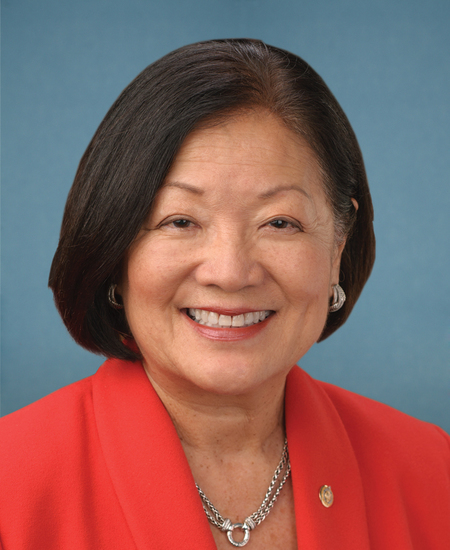
Mazie K. Hirono
Mazie K. Hirono Senate
D
Support
74% 27
Rick Scott
Rick Scott Senate
R
Strong −
19% 27
Ashley Moody
Ashley Moody Senate
R
Oppose
22% 27
Rand Paul
Rand Paul Senate
R
Oppose
22% 27
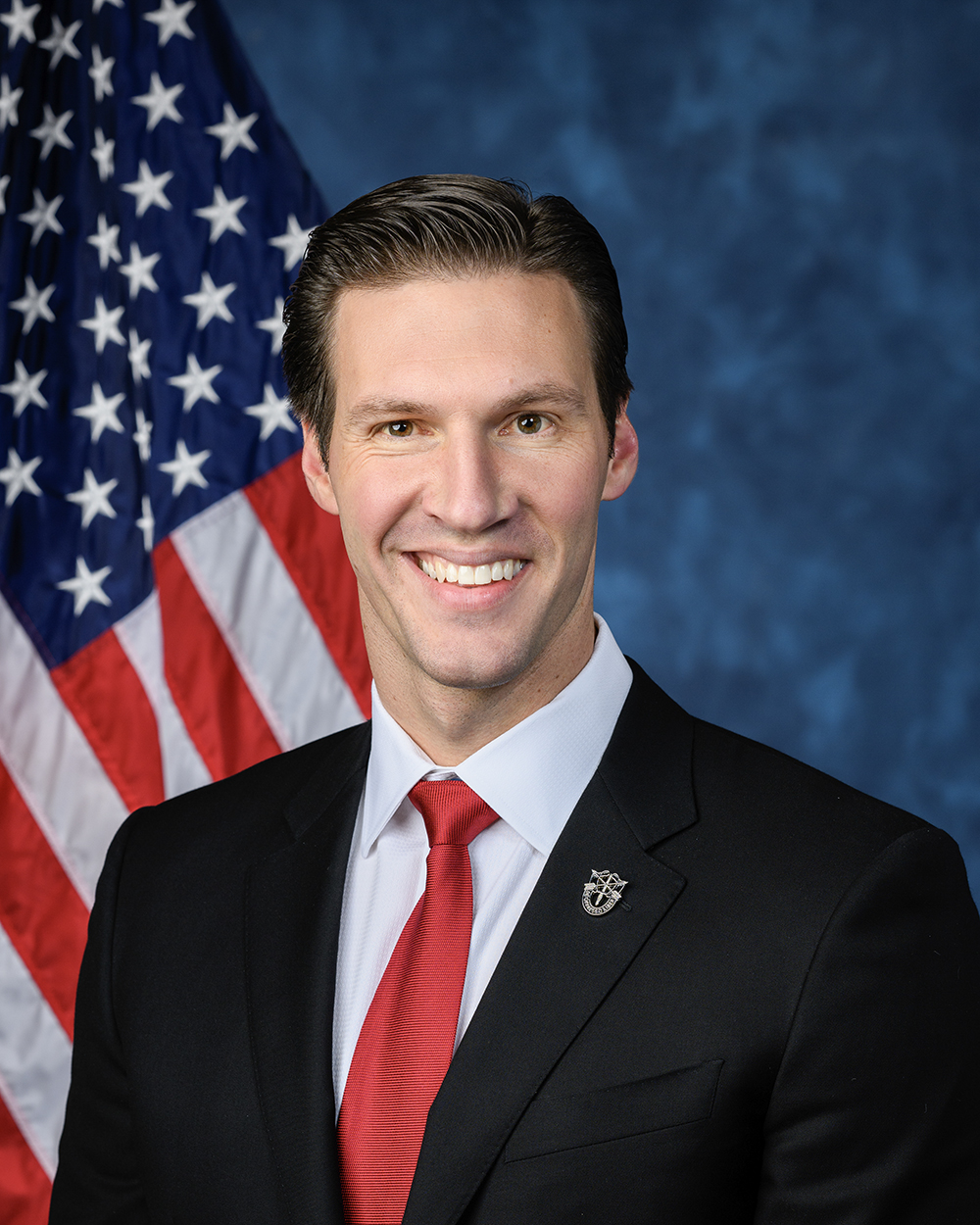
Brad Knott
Brad Knott House · District 13
R
Oppose
28% 18
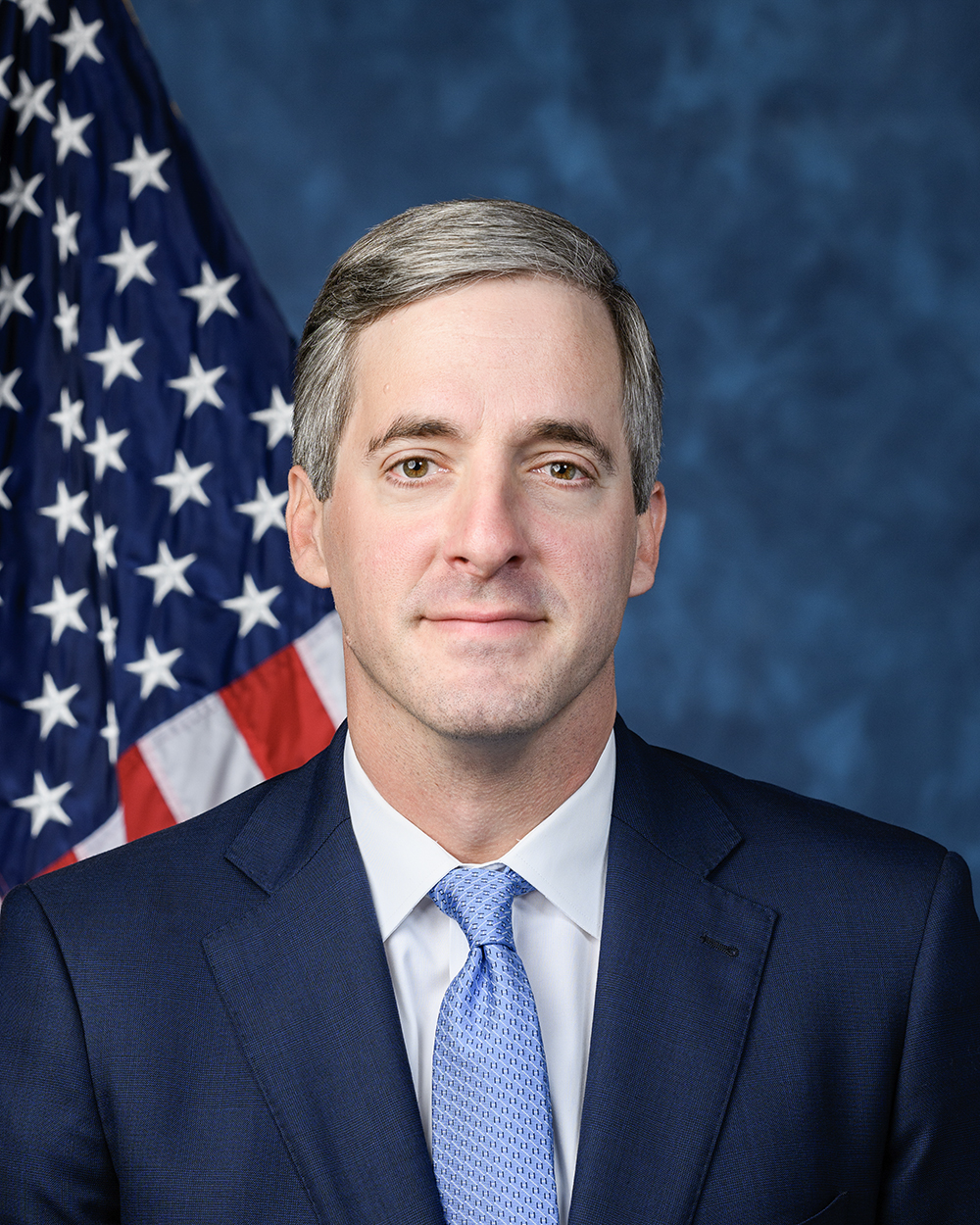
Pat Harrigan
Pat Harrigan House · District 10
R
Oppose
28% 18
Showing 2,001–2,010 of 3,150 bills

All healthcare bills

in committee · United States · House Dec 11, 2025

HR 6609: Pharmacists Fight Back in Medicare and Medicaid Act

This bill establishes new requirements for pharmacy benefit managers (PBMs) working with Medicare Part D prescription drug plans and Medicaid programs. It mandates that PBMs pay pharmacies a specific reimbursement amount based on drug acquisition costs plus a fixed fee, pass through manufacturer rebates directly to beneficiaries at the point of sale, and prohibits steering practices that direct patients to specific pharmacies. The bill applies to Medicare Part D plans and Medicaid managed care organizations beginning January 1, 2027, affecting how PBMs interact with pharmacies and handle drug rebates. Violations could result in criminal penalties of up to $1 million or 10 years in prison for willful noncompliance. The bill aims to increase transparency and fairness in pharmacy drug pricing for Medicare and Medicaid beneficiaries.
in committee · United States · House Jan 30, 2026

HR 7277: Emergency Medical Services Reimbursement for On-Scene and Support Act

HR 7277, the Emergency Medical Services Reimbursement for On-Scene and Support Act, expands Medicare reimbursement to ambulance providers for non-transport emergency medical services. It amends the Social Security Act to allow reimbursement for on-scene care (like medical treatment at the location) provided on or after January 1, 2026, regardless of whether transport was offered. This directly affects ambulance service providers who currently may not receive payment for non-transport care. The bill requires reimbursement for these on-scene services to be comparable to transport reimbursement rates, ensuring consistent payment for similar care. The policy change takes effect in 2026, addressing a gap in coverage for emergency care delivered without patient transport.
Sub-Topics Medicare
in committee · United States · House Dec 3, 2025

HR 6370: Baby Changing in Health Centers Act

This bill requires federally funded health centers to install safe, sanitary baby changing tables in public restrooms as a condition of receiving certain grants. It applies to health centers under Section 330 of the Public Health Service Act, with exceptions for facilities not open to the public, those with clear signage directing to nearby restrooms with tables, or where installation costs are unfeasible. The bill also allocates $5 million in funding to help health centers cover the costs of installing tables and signs. It does not override stricter state or local laws requiring changing tables.
in committee · United States · House Oct 3, 2025

HR 842: Nancy Gardner Sewell Medicare Multi-Cancer Early Detection Screening Coverage Act

This bill adds Medicare coverage for multi-cancer early detection screening tests (blood or biological tests analyzing cell-free DNA) starting January 1, 2028. It directly affects Medicare beneficiaries aged 68 and older (starting in 2028, with the age limit increasing by 1 year annually), requiring tests to be FDA-cleared and deemed reasonable/necessary by the Secretary for early cancer detection across multiple organ sites. Payment will initially match current stool DNA test rates before 2031, then shift to a lower rate or new payment system after 2031, with limits preventing more than one test per year. The bill explicitly states it does not alter coverage for existing cancer screenings like breast, colorectal, or prostate cancer tests.
Sub-Topics Medicaid Medicare
in committee · United States · Senate May 8, 2025

S 1448: Pursuing Equity in Mental Health Act

The Pursuing Equity in Mental Health Act (S 1448) modifies federal grant programs to prioritize organizations serving racial and ethnic minority communities for mental health funding, increasing annual grant allocations from $60 million to $80 million starting in 2026. It mandates a National Institutes of Health study within 9 months of enactment to identify mental health disparities in minority groups, assessing impacts of trauma and bias, and requires a report with specific recommendations. The bill also establishes new training requirements for health professionals (including social workers, psychologists, and counselors) to develop culturally competent practices addressing mental health disparities. Additionally, it authorizes $20 million annually for 2026-2031 to fund a public outreach strategy reducing stigma and promoting culturally appropriate mental health services, alongside $150 million yearly for NIH clinical research on health disparities.
Sub-Topics Mental Health
in committee · United States · House Feb 25, 2026

HR 7685: Healthy Hair Act

HR 7685, the Healthy Hair Act, amends the Federal Food, Drug, and Cosmetic Act to classify hair straightening or smoothing products containing formaldehyde (or formaldehyde-releasing substances) as "adulterated" when sold across state lines after an 180-day grace period. It directly affects hair product manufacturers, salons, and workers who use or handle these products. The bill mandates a two-part study by the FDA and NIOSH on health impacts like cancer and respiratory issues for salon workers exposed to formaldehyde, requiring an initial report within one year and a final report within two years and two months. The study will inform future regulatory actions but does not ban formaldehyde products immediately.
in committee · United States · House Dec 11, 2025

HR 6626: PFAS Accountability Act of 2025

This bill creates a federal legal claim for individuals significantly exposed to PFAS chemicals (linked to cancer, immune harm, and other health issues) to sue manufacturers or users who foresaw exposure risks. It establishes a "presumption of exposure" if people live near PFAS-producing facilities for over a year or have detectable PFAS in blood tests, shifting costs for medical monitoring (regular health checkups to detect PFAS-related diseases) from affected individuals to responsible companies. Companies must cover testing costs if they challenge exposure claims, and courts can order new research on PFAS health effects when data is lacking. The law does not replace state legal claims but adds a federal remedy for those harmed by PFAS exposure.
Sub-Topics Drinking Water
in committee · United States · Senate Mar 4, 2025

S 830: Lifespan Respite Care Reauthorization Act of 2025

The Lifespan Respite Care Reauthorization Act of 2025 extends funding for the federal respite care program that supports family caregivers. It updates the definition of "family caregiver" to "unpaid individual" (replacing "unpaid adult") to clarify eligibility, and reauthorizes program funding for fiscal years 2025 through 2030. This bill directly affects unpaid caregivers and their family members who rely on respite care services to manage caregiving responsibilities. The key changes ensure the program continues operating with a revised eligibility definition and a new funding period.
in committee · United States · House Jul 23, 2025

HR 4710: No Surprises Act Enforcement Act

HR 4710, the No Surprises Act Enforcement Act, increases penalties for health insurance plans and issuers that violate balance billing protections, which prevent surprise medical bills. The bill raises fines from $100 to $10,000 per violation for specific balance billing rule violations and adds a new penalty of three times the difference between initial payment and out-of-network rates for late payments after Independent Dispute Resolution decisions. It requires health plans and nonparticipating providers to make timely payments within 30 days of a payment determination, with interest accruing on late payments. The bill also establishes new transparency reporting requirements for the Secretary to submit regular reports to Congress about audits, enforcement actions, and penalties. These provisions directly affect health insurance issuers, group health plans, and nonparticipating healthcare providers.
Sub-Topics Insurance
in committee · United States · Senate Feb 24, 2025

S 694: PLASMA Act

The PLASMA Act (S 694) modifies Medicare Part D drug discount rules for plasma-derived products - biological drugs made from human blood plasma. It establishes a phased reduction in the discount rate these drugs must offer to Medicare beneficiaries, starting at 99% of the negotiated price in 2026 and gradually decreasing to 80% by 2032. This affects manufacturers of plasma-derived drugs covered under Medicare Part D and beneficiaries who meet specific out-of-pocket cost thresholds. The bill excludes certain low-income beneficiaries and small manufacturers from these provisions. The policy change directly alters how drug costs are calculated for these specific medications under Medicare.
Showing 2,001 to 2,010 of 3,150 bills