Issue · Healthcare

Healthcare (Medicare)

Every healthcare bill, vote, and legislator stance in United States, automatically classified by Maddy, our AI policy reader.

Total bills
579
119th Congress
Top supporter
Christopher Murphy
88% support rate
Top opponent
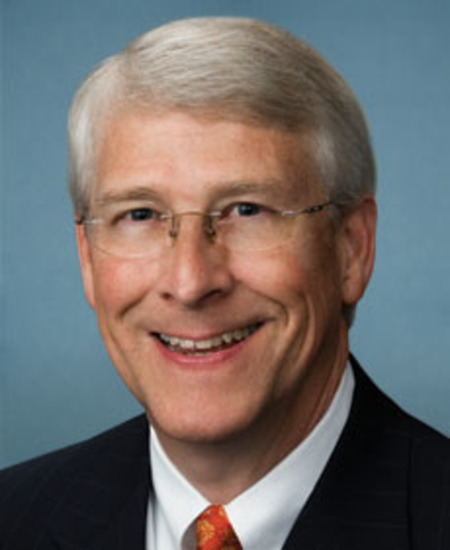
Bill Hagerty
12% support rate
Ranked legislators
10
5 support · 5 oppose
Key legislators

Who's moving medicare in United States

Legislators moving medicare in United States
Legislator Party Stance Support rate Votes
Christopher Murphy
Christopher Murphy Senate
D
Strong +
88% 8
Adam B. Schiff
Adam B. Schiff Senate
D
Support
78% 9
Alex Padilla
Alex Padilla Senate
D
Support
78% 9
Amy Klobuchar
Amy Klobuchar Senate
D
Support
78% 9
Andy Kim
Andy Kim Senate
D
Support
78% 9
Bill Hagerty
Bill Hagerty Senate
R
Strong −
12% 8
Mitch McConnell
Mitch McConnell Senate
R
Strong −
12% 8
Roger F. Wicker
Roger F. Wicker Senate
R
Strong −
12% 8
Jerry Moran
Jerry Moran Senate
R
Strong −
14% 7
Ashley Moody
Ashley Moody Senate
R
Oppose
22% 9
Showing 11–20 of 579 bills

All healthcare bills

in committee · United States · House Aug 10, 2026

HR 10072: Hardworking Seniors Act

The Hardworking Seniors Act would allow individuals who are eligible for Medicare Part A hospital insurance based on their age to contribute to Health Savings Accounts (HSAs). Currently, these individuals are generally prohibited from making HSA contributions once they become entitled to any form of Medicare. The bill modifies the Internal Revenue Code to exclude age-based Medicare Part A entitlement from the definition of conditions that disqualify a person from contributing to an HSA. This change would take effect for taxable months beginning after December 31, 2026.
Sub-Topics Hospitals Medicare Tags Seniors
in committee · United States · Senate Aug 6, 2026

S 5326: Health Care Fraud Prevention and Enforcement Act

The Health Care Fraud Prevention and Enforcement Act mandates increased funding for federal agencies, including the Department of Justice, the Department of Health and Human Services, and the Federal Bureau of Investigation, to combat health care fraud and abuse starting in fiscal year 2027. The bill expands the investigative authority of the HHS Office of Inspector General to cover programs established under the Affordable Care Act and includes the State Children's Health Insurance Program in Medicare-Medicaid data matching efforts. Additionally, it requires the Government Accountability Office to conduct a study on the program's performance and effectiveness, with results due to Congress within 16 months of enactment.
in committee · United States · Senate Aug 5, 2026

S 5258: PREFERRED Screening Act

The PREFERRED Screening Act directs the Secretary of Health and Human Services to implement a seven-year payment model that reimburses healthcare providers for conducting comprehensive breast cancer risk assessments and creating personalized screening plans for Medicare beneficiaries aged 40 to 75. These assessments combine genetic testing, family history, and lifestyle factors to categorize patients by risk level, which then guides specific recommendations for screening frequency, imaging types, and preventive medications. The model prioritizes participation from providers in rural areas, medically underserved communities, and states with high breast cancer mortality rates, while allowing services to be delivered through both in-person visits and remote methods such as mailed genetic testing kits. Throughout the program, the government will evaluate whether this approach changes patient behavior, affects healthcare costs, and improves early detection of breast cancer before deciding if the model should be expanded or made permanent.
Sub-Topics Medicare
in committee · United States · Senate Aug 5, 2026

S 5269: Pay PCPs Act of 2026

The Pay PCPs Act of 2026 authorizes the Secretary of Health and Human Services to implement a hybrid payment model for Medicare primary care providers, combining predictable monthly payments with traditional fee-for-service reimbursements. This new structure aims to fund activities that are currently difficult to bill individually, such as patient communications and team-based care coordination, while allowing providers to opt into the program voluntarily. Additionally, the bill reduces beneficiary out-of-pocket costs by 50% for covered primary care services when patients designate a specific provider as their usual source of care. To support these changes, the legislation appropriates $10 billion over five years and establishes a temporary technical advisory committee to review and improve how Medicare values physician services.
Sub-Topics Medicare Primary Care
in committee · United States · Senate Aug 5, 2026

S 5270: Medicare at Home Act

The Medicare at Home Act would add a new benefit to Medicare Part B that covers up to 20 hours per week of in-home personal care for beneficiaries who require assistance with daily living activities. To qualify, individuals must be certified by a physician as needing help with at least two basic or instrumental tasks, such as bathing, dressing, or meal preparation. The bill mandates that payment rates for these services reflect a reasonable wage floor for home care workers and requires the Centers for Medicare & Medicaid Services to adjust monthly premiums to cover the cost of the new benefit. Implementation is scheduled to begin more than two years after enactment, following the development of regulations regarding worker qualifications and agency enrollment.
in committee · United States · Senate Jul 30, 2026

S 5180: Provider Reimbursement Stability Act of 2026

The Provider Reimbursement Stability Act of 2026 aims to create more predictable payment amounts for physicians by modifying how the Centers for Medicare & Medicaid Services calculates fee schedules. It raises the financial threshold for certain budget adjustments from $20 million to $57.64 million starting in 2028 and requires these amounts to be adjusted every five years based on inflation data. The bill also mandates that the government update the costs of staff wages and medical supplies used to calculate payments at least once every five years and limits how much the overall payment rate can change from one year to the next to no more than 2.5 percent. These changes directly affect doctors and healthcare providers who receive Medicare payments, ensuring their reimbursement rates remain more stable and better aligned with actual costs.
Sub-Topics Medicaid Medicare
in committee · United States · House Aug 3, 2026

HR 10024: Health Insurance Transparency for Patients Act

The Health Insurance Transparency for Patients Act requires health insurance companies and Medicare Advantage organizations to publicly report detailed data on how they handle coverage requests. Starting with plan years after the law is passed, these providers must annually submit and display online information about the number and percentage of claims denied versus approved, along with the specific reasons for denials. The report must also break down data by the review method used, such as automated systems or human reviewers, and include the time it took to reach a decision. Additionally, the bill mandates that these organizations list all services requiring prior authorization and publish this information in a simple, easy-to-understand format. The Department of Health and Human Services will also make this data available on its own website to ensure public access.
Sub-Topics Insurance Medicare Tags Government Transparency
in committee · United States · House Jul 27, 2026

HR 9962: Green New Deal for Health Act

The Green New Deal for Health Act establishes a comprehensive federal framework to address the health impacts of climate change by creating new offices, expanding funding, and mandating specific actions across the health care sector. It directly affects hospitals, medical facilities, health care workers, and communities, with a specific focus on protecting environmental justice and low-income populations from climate-related health risks. Key provisions include the creation of an Office of Climate Change and Health Equity to develop a national strategic plan, requirements for hospitals to provide extended notice before closing or reducing essential services, and significant grants to upgrade medical facilities for climate resilience. The bill also mandates that the health care sector reduce its own carbon emissions through new disclosure rules for medical supplies and grants for green manufacturing, while simultaneously funding education to train health professionals on climate-related health threats. Additionally, the legislation authorizes Medicare coverage for home resiliency services, such as heat pumps and solar batteries, for individuals at risk during climate disasters, and allocates billions of dollars to expand the community health workforce and support mental health resilience programs.
in committee · United States · House Jul 30, 2026

HR 10012: Veterans Medicare Premium Transparency Act

The Veterans Medicare Premium Transparency Act requires Medicare to clearly explain how a veteran's enrollment in the Department of Veterans Affairs patient enrollment system affects their monthly insurance premiums. Under this bill, annual notices sent to Medicare beneficiaries will explicitly state that time spent in the VA system counts toward premium calculations and qualifies as valid prescription drug coverage. Additionally, the Secretary of Health and Human Services must post this explanation on the Medicare website and submit a report to Congress within 180 days detailing the updates and estimating how many veterans were previously paying higher premiums due to this lack of clarity.
in committee · United States · Senate Jul 23, 2026

S 5120: Increasing Mental Health Options Act of 2026

The Increasing Mental Health Options Act of 2026 expands Medicare coverage for clinical psychologists by introducing financial incentives and removing certain administrative barriers. Starting in 2028, clinical psychologists working in designated rural and underserved areas will receive an additional 10 percent payment for services provided to Medicare beneficiaries. The bill also allows clinical psychologists to provide care or supervision in various settings, including outpatient rehabilitation, skilled nursing facilities, and home health services, as long as state laws permit it. These changes aim to increase access to mental health services by formally recognizing the role of clinical psychologists in Medicare-covered care.
Showing 11 to 20 of 579 bills