Issue · Healthcare

Healthcare

Every healthcare bill, vote, and legislator stance in United States, automatically classified by Maddy, our AI policy reader.

Total bills
2,988
119th Congress
Top supporter
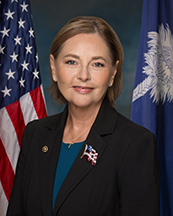
Darline Graham
82% support rate
Top opponent
Rick Scott
19% support rate
Ranked legislators
10
5 support · 5 oppose
Key legislators

Who's moving healthcare in United States

Legislators moving healthcare in United States
Legislator Party Stance Support rate Decisive votes
Darline Graham
Darline Graham Senate
R
Strong +
82% 11
Peter Welch
Peter Welch Senate
D
Strong +
81% 27
Ron Wyden
Ron Wyden Senate
D
Support
78% 27
Alex Padilla
Alex Padilla Senate
D
Support
77% 26
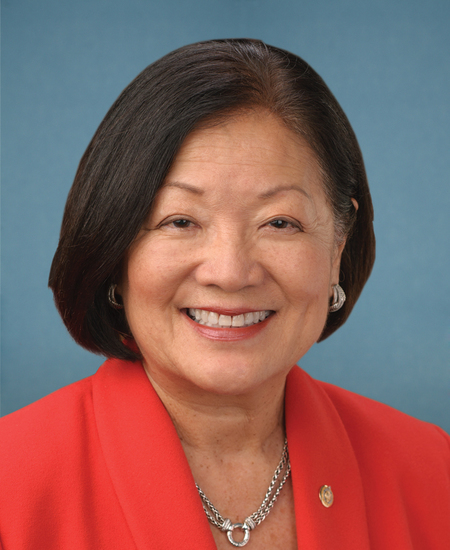
Mazie K. Hirono
Mazie K. Hirono Senate
D
Support
74% 27
Rick Scott
Rick Scott Senate
R
Strong −
19% 27
Ashley Moody
Ashley Moody Senate
R
Oppose
22% 27
Rand Paul
Rand Paul Senate
R
Oppose
22% 27
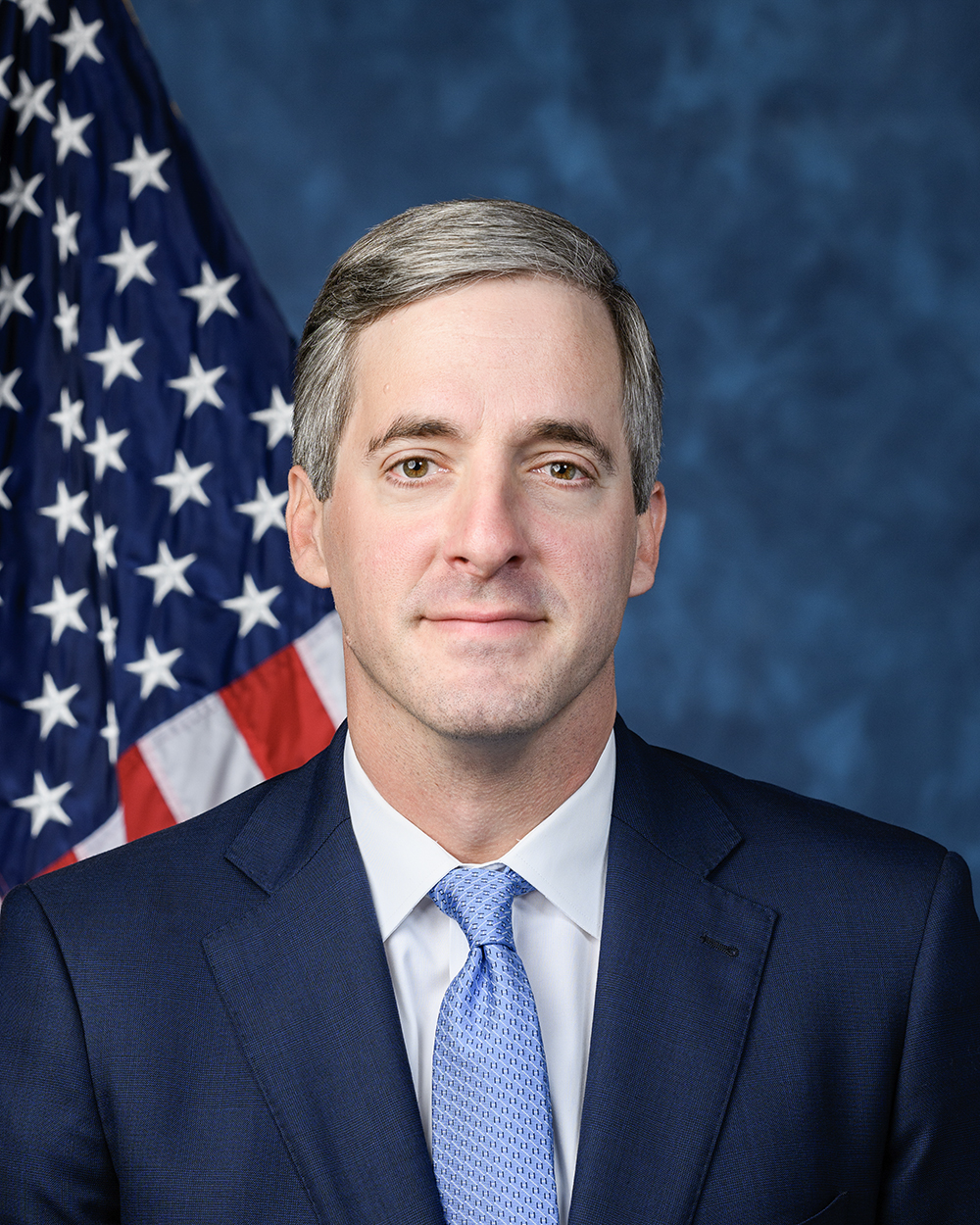
Brad Knott
Brad Knott House · District 13
R
Oppose
28% 18
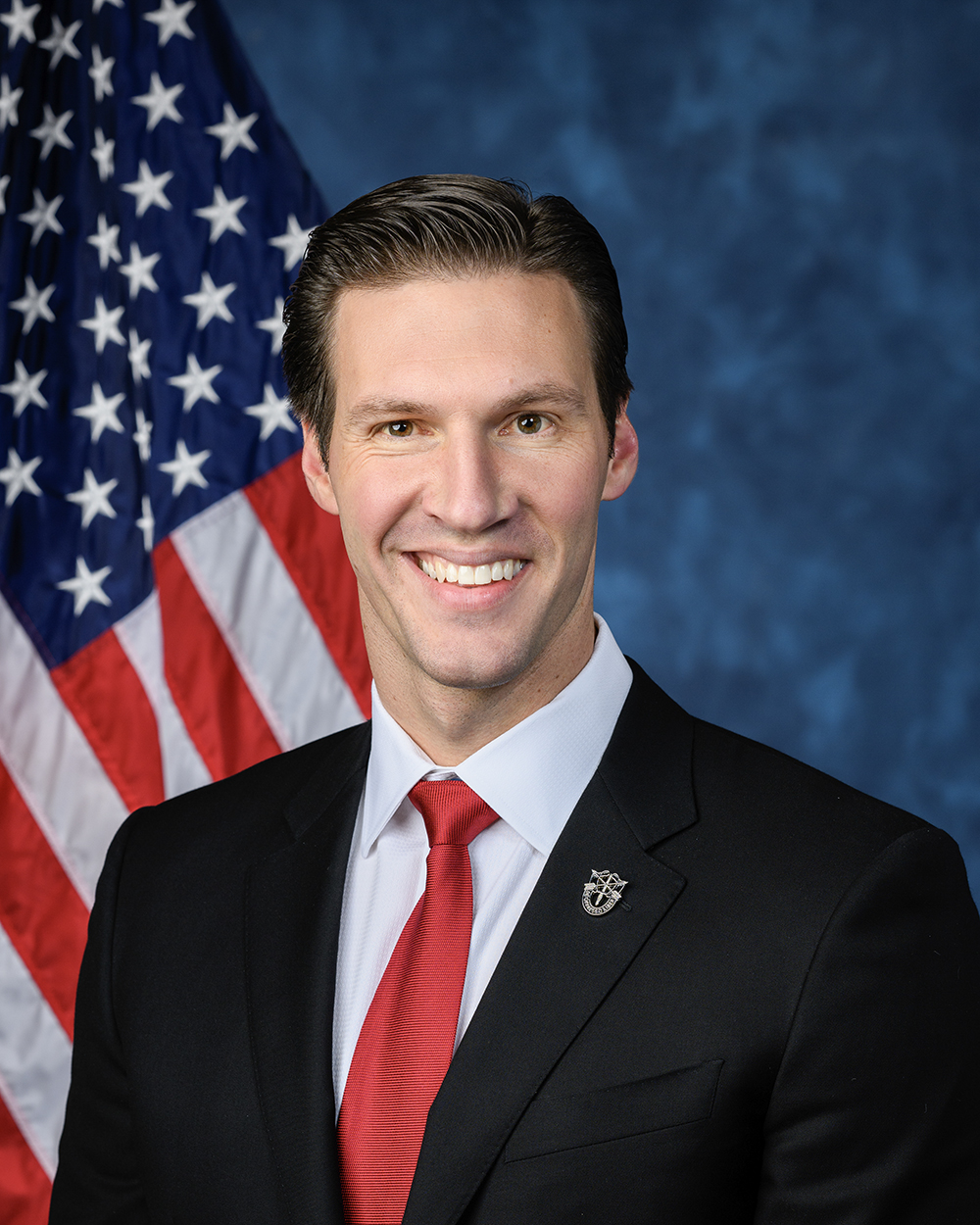
Pat Harrigan
Pat Harrigan House · District 10
R
Oppose
28% 18
Showing 1,921–1,930 of 2,988 bills

All healthcare bills

in committee · United States · House Dec 18, 2025

HR 6844: Tobacco TRACE Act

The Tobacco TRACE Act requires the U.S. Food and Drug Administration (FDA) to establish a national tracking system for tobacco products by June 1, 2026. This system will monitor tobacco products throughout the supply chain - from manufacturers to retailers - to improve regulatory oversight. Tobacco manufacturers, distributors, and retailers will be directly affected, as they must provide product-level tracking data under the new system. The key provision mandates the FDA to implement this tracking framework to enhance enforcement of tobacco regulations.
in committee · United States · House May 20, 2026

HR 6764: Veterans Affairs Advisory Committee Oversight Act of 2025

HR 6764, the Veterans Affairs Advisory Committee Oversight Act of 2025, establishes four new advisory committees within the Department of Veterans Affairs to provide expert input on specific veteran needs. The bill creates a Veterans Health Advisory Committee focusing on prosthetics, mental health, and environmental exposures; a Veterans Economic Opportunity Committee addressing education and employment transitions; an Advisory Committee on Veterans Special Populations for underserved groups including women, tribal veterans, and those from outlying areas; and an Advisory Committee on Former Prisoners of War covering compensation and memorial affairs. Each committee must submit annual reports to VA leadership and Congress, with all committees set to terminate by September 30, 2028 unless renewed. The bill also terminates several existing advisory committees by September 30, 2026, streamlining the VA's advisory structure. This legislation does not create new benefits but establishes formal mechanisms for gathering expert input on existing VA programs.
in committee · United States · House Dec 5, 2025

HR 6494: Territories Health Equity Act of 2025

Territories Health Equity Act of 2025 This bill alters provisions relating to the treatment of U.S. territories under Medicaid, Medicare, and Medicare Advantage. For example, the bill eliminates Medicaid funding limitations for U.S. territories beginning in FY2026, exempts an individual from late-enrollment penalties for Medicare medical services if the individual resided in Puerto Rico as of the date of eligibility and the individual enrolls within five years of such date, and establishes minimum criteria for certain elements used in Medicare Advantage payment calculations for areas within U.S. territories. The bill also allows residents of U.S. territories who are unable to obtain health insurance through their employer or a health insurance exchange to instead obtain coverage that is at least as broad as the coverage available to Members of Congress and their staff through the District of Columbia exchange.
in committee · United States · House Dec 3, 2025

HR 6396: Kid PROOF Act of 2025

This bill amends the SUPPORT for Patients and Communities Act to expand substance abuse and suicide prevention services for children, adolescents, and young adults (up to age 25). It requires eligible providers - like pediatric specialists, emergency departments, and children’s hospitals - to offer parents or guardians counseling on preventing overdose/suicide and provide supplies to reduce access to lethal means (e.g., safe storage containers). The bill allocates at least $2 million annually in grants to fund these prevention programs through eligible entities, with funding authorized for fiscal years 2026-2030. It directly affects young people at risk of substance misuse or self-harm and their caregivers.
in committee · United States · Senate Mar 11, 2025

S 925: Credit for Caring Act of 2025

S. 925 (Credit for Caring Act of 2025) creates a 30% tax credit for eligible family caregivers incurring qualified expenses to care for a certified relative with long-term care needs. It directly affects caregivers who earn over $7,500 annually and pay expenses exceeding $2,000 per year for care recipients certified by a healthcare professional as needing at least 180 days of care during the tax year. The credit covers costs like human assistance, home modifications, transportation, and respite care, with a maximum annual credit of $5,000 (adjusted for inflation). The credit phases out for taxpayers with modified adjusted gross income above $75,000 ($150,000 for joint filers). The bill applies to taxable years beginning after December 31, 2024.
in committee · United States · House Jun 23, 2025

HR 4084: Access to Birth Control Act

HR 4084, the Access to Birth Control Act, requires pharmacies that stock contraception to provide it without delay when requested by a customer. If a requested method is out of stock, pharmacies must immediately offer referrals to nearby pharmacies or expedite an order. The bill prohibits pharmacists from intimidating customers, misrepresenting availability, breaching confidentiality, or refusing to fill valid prescriptions for contraception. It directly affects pharmacies nationwide, addressing reported refusals to provide birth control - particularly after the *Dobbs* decision - and ensures access to FDA-approved contraceptive methods without cost-sharing barriers.
Sub-Topics Women's Health
in committee · United States · House Dec 11, 2025

HR 6609: Pharmacists Fight Back in Medicare and Medicaid Act

This bill establishes new requirements for pharmacy benefit managers (PBMs) working with Medicare Part D prescription drug plans and Medicaid programs. It mandates that PBMs pay pharmacies a specific reimbursement amount based on drug acquisition costs plus a fixed fee, pass through manufacturer rebates directly to beneficiaries at the point of sale, and prohibits steering practices that direct patients to specific pharmacies. The bill applies to Medicare Part D plans and Medicaid managed care organizations beginning January 1, 2027, affecting how PBMs interact with pharmacies and handle drug rebates. Violations could result in criminal penalties of up to $1 million or 10 years in prison for willful noncompliance. The bill aims to increase transparency and fairness in pharmacy drug pricing for Medicare and Medicaid beneficiaries.
in committee · United States · House Jan 30, 2026

HR 7277: Emergency Medical Services Reimbursement for On-Scene and Support Act

HR 7277, the Emergency Medical Services Reimbursement for On-Scene and Support Act, expands Medicare reimbursement to ambulance providers for non-transport emergency medical services. It amends the Social Security Act to allow reimbursement for on-scene care (like medical treatment at the location) provided on or after January 1, 2026, regardless of whether transport was offered. This directly affects ambulance service providers who currently may not receive payment for non-transport care. The bill requires reimbursement for these on-scene services to be comparable to transport reimbursement rates, ensuring consistent payment for similar care. The policy change takes effect in 2026, addressing a gap in coverage for emergency care delivered without patient transport.
Sub-Topics Medicare
in committee · United States · House Dec 3, 2025

HR 6370: Baby Changing in Health Centers Act

This bill requires federally funded health centers to install safe, sanitary baby changing tables in public restrooms as a condition of receiving certain grants. It applies to health centers under Section 330 of the Public Health Service Act, with exceptions for facilities not open to the public, those with clear signage directing to nearby restrooms with tables, or where installation costs are unfeasible. The bill also allocates $5 million in funding to help health centers cover the costs of installing tables and signs. It does not override stricter state or local laws requiring changing tables.
in committee · United States · House Oct 3, 2025

HR 842: Nancy Gardner Sewell Medicare Multi-Cancer Early Detection Screening Coverage Act

This bill adds Medicare coverage for multi-cancer early detection screening tests (blood or biological tests analyzing cell-free DNA) starting January 1, 2028. It directly affects Medicare beneficiaries aged 68 and older (starting in 2028, with the age limit increasing by 1 year annually), requiring tests to be FDA-cleared and deemed reasonable/necessary by the Secretary for early cancer detection across multiple organ sites. Payment will initially match current stool DNA test rates before 2031, then shift to a lower rate or new payment system after 2031, with limits preventing more than one test per year. The bill explicitly states it does not alter coverage for existing cancer screenings like breast, colorectal, or prostate cancer tests.
Sub-Topics Medicaid Medicare
Showing 1,921 to 1,930 of 2,988 bills