Issue · Healthcare

Healthcare

Every healthcare bill, vote, and legislator stance in United States, automatically classified by Maddy, our AI policy reader.

Total bills
3,230
119th Congress
Top supporter
Darline Graham
82% support rate
Top opponent
Rick Scott
19% support rate
Ranked legislators
10
5 support · 5 oppose
Key legislators

Who's moving healthcare in United States

Legislators moving healthcare in United States
Legislator Party Stance Support rate Decisive votes
Darline Graham
Darline Graham Senate
R
Strong +
82% 11
Peter Welch
Peter Welch Senate
D
Strong +
81% 27
Ron Wyden
Ron Wyden Senate
D
Support
78% 27
Alex Padilla
Alex Padilla Senate
D
Support
77% 26
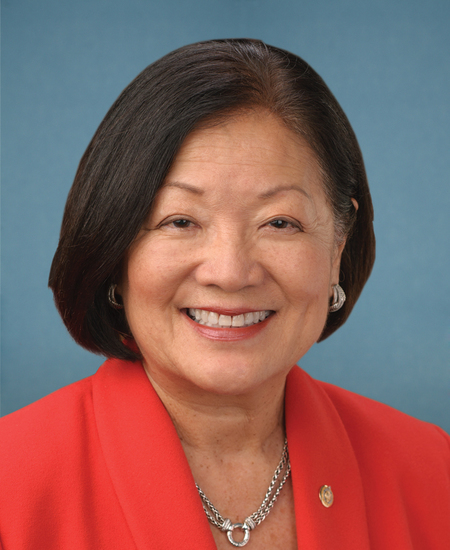
Mazie K. Hirono
Mazie K. Hirono Senate
D
Support
74% 27
Rick Scott
Rick Scott Senate
R
Strong −
19% 27
Ashley Moody
Ashley Moody Senate
R
Oppose
22% 27
Rand Paul
Rand Paul Senate
R
Oppose
22% 27
Brad Knott
Brad Knott House · District 13
R
Oppose
28% 18
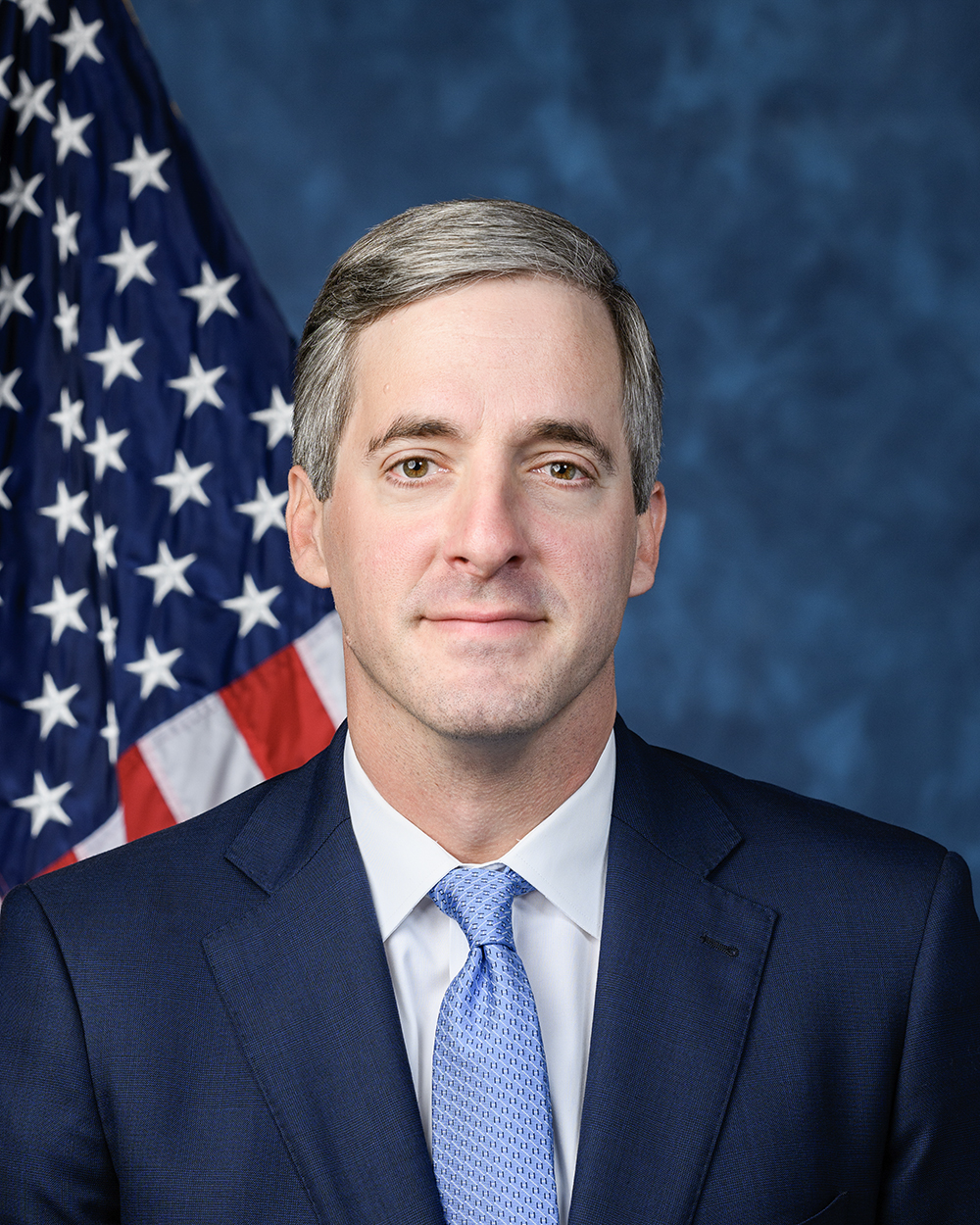
Pat Harrigan
Pat Harrigan House · District 10
R
Oppose
28% 18
Showing 1,901–1,910 of 3,230 bills

All healthcare bills

in committee · United States · House Dec 10, 2025

HR 6561: PREVENT HPV Cancers Act of 2025

The PREVENT HPV Cancers Act of 2025 creates a national public awareness campaign to boost HPV vaccination rates and combat misinformation, targeting communities disproportionately affected by HPV-related cancers (including Black and Hispanic women, rural populations, and men facing higher oropharyngeal cancer risks). It authorizes $5 million annually from 2026-2030 for evidence-based media, culturally tailored materials, and partnerships with health providers, schools, and community organizations to increase vaccination completion among adolescents (9-12 years old, the optimal age group). The bill also increases annual funding for the Breast and Cervical Cancer Early Detection Program to $300 million starting in 2026, coordinating vaccination efforts with existing screening initiatives. It requires the CDC to consult with health experts and community groups to develop effective messaging about vaccine safety, benefits, and recommended age ranges. The campaign aims to address current gaps, such as the 63% HPV vaccine completion rate among teens and disparities in cancer outcomes.
Sub-Topics Public Health
in committee · United States · Senate Mar 4, 2025

S 832: EPIC Act of 2025

The EPIC Act of 2025 extends the required time period for negotiating drug prices under the federal program for biologic drugs. It changes the rule so that biologic drug manufacturers must wait at least 11 years after FDA approval before their drug can be included in price negotiations, starting with the 2028 initial price applicability year. This specifically affects biologic drug manufacturers, as the change applies only to biologics (not small-molecule drugs, which already have different rules). The bill modifies Section 1192(e)(1)(A)(ii) of the Social Security Act to implement this longer waiting period. This is a concrete policy change to the timing of drug price negotiations, not a new program or broader policy shift.
in committee · United States · House Jun 23, 2025

HR 4074: Optimizing Postpartum Outcomes Act of 2025

HR 4074, the Optimizing Postpartum Outcomes Act of 2025, requires the Health and Human Services Secretary to issue guidance within one year on improving Medicaid and CHIP coverage for pelvic health services during pregnancy and the postpartum period (defined as up to 6 months after birth or during lactation). The bill directs the GAO to study coverage gaps for these services and mandates a new CDC-led education campaign to train healthcare providers and inform postpartum women about pelvic floor exams and physical therapy. Key provisions include standardizing terminology for pelvic health conditions, sharing state best practices for payment models, and authorizing $2 million annually for the education program through 2030. This bill directly affects postpartum women covered by Medicaid or CHIP by aiming to increase access to evidence-based pelvic health care.
in committee · United States · Senate Dec 10, 2025

S 668: SAFE STEPS for Veterans Act of 2025

The SAFE STEPS for Veterans Act of 2025 establishes a new Office of Falls Prevention within the Veterans Health Administration to coordinate and improve falls prevention efforts for veterans. The Office will develop standards for falls prevention care, monitor implementation across VA facilities, and provide technical assistance to medical centers and home programs. The bill requires annual falls risk assessments by licensed therapists for veterans in nursing homes, mandates biennial staff training on safe patient handling, and creates a pilot program for home modifications to prevent falls. It also directs research on medication management as a fall risk factor and requires a report on current falls prevention initiatives within the VA. This legislation primarily affects veterans at risk of falls, particularly older veterans and those with mobility challenges.
in committee · United States · House Mar 11, 2025

HR 2041: Hidden Fee Disclosure Act of 2025

The Hidden Fee Disclosure Act of 2025 requires pharmacy benefit managers and third-party administrators providing services to employee benefit plans to disclose detailed information about their compensation structures. Covered service providers must annually report all fees, rebates, discounts, and other financial arrangements they receive, including how much is retained versus passed through to the plan. This includes specific details about spread pricing, rebate handling, and compensation from drug manufacturers. The bill applies to all contracts entered into on or after January 1, 2026, and aims to increase transparency for plan fiduciaries managing employee health benefits.
Sub-Topics Prescription Drugs
in committee · United States · House Apr 24, 2025

HR 3019: Holding Nonprofit Hospitals Accountable Act

HR 3019, the Holding Nonprofit Hospitals Accountable Act, requires nonprofit hospitals receiving tax exemptions to meet new community benefit standards. It mandates these hospitals to have community-elected boards, treat patients using public programs (like Medicare/Medicaid) without limiting numbers, and spend at least 100% of their annual tax exemptions on specific community services - including patient care training, facility upgrades, and free/discounted care. The bill also requires hospitals to follow Medicare billing rates for financial assistance and establishes annual reviews by the Treasury Inspector General and GAO to monitor compliance and enforcement. These changes apply to taxable years beginning after December 31, 2025, directly affecting nonprofit hospitals that operate under IRS 501(c)(3) status.
in committee · United States · House Dec 4, 2025

HR 6434: Freedom to Heal Act of 2025

The Freedom to Heal Act of 2025 creates a new federal registration process for physicians to directly administer Schedule I investigational drugs under the "Right to Try" framework. It requires physicians to apply to the Attorney General with evidence of state compliance, manufacturer agreements, and training, and limits the amount of drugs they may possess based on approved applications. The bill mandates the Attorney General to issue interim rules within 240 days and final rules within two years covering drug delivery, storage, recordkeeping, and registration management. This affects physicians treating eligible patients with Schedule I drugs under federal Right to Try provisions, not the patients themselves.
passed · United States · House Dec 18, 2025

HR 6703: Lower Health Care Premiums for All Americans Act

The Lower Health Care Premiums for All Americans Act (HR 6703) requires large health plans (with at least 100 average participants) and pharmacy benefit managers to submit detailed reports every six months on drug spending, rebates, and out-of-pocket costs. These reports include specific information on drug costs, rebates received, pricing structures, and spending patterns, making this information available to plan sponsors and participants. The bill also establishes new rules for association health plans and health reimbursement arrangements to expand affordable coverage options for workers and self-employed individuals. The primary goal of these reporting requirements is to increase transparency around health care costs, allowing consumers and employers to make more informed decisions about health coverage. The bill does not directly set or reduce premiums but provides data that could inform future premium negotiations and decisions.
in committee · United States · House Jan 16, 2025

HR 500: Medicare Hearing Aid Coverage Act of 2025

HR 500, the Medicare Hearing Aid Coverage Act of 2025, removes Medicare's longstanding exclusion of hearing aids and related examinations from coverage. This change would directly affect Medicare beneficiaries with hearing loss by allowing them to receive coverage for hearing aids starting January 1, 2026. The bill amends the Social Security Act to eliminate the specific exclusion, making hearing aid coverage a standard Medicare benefit. Additionally, it requires the Government Accountability Office (GAO) to study existing hearing aid programs and submit a report with recommendations to Congress within 18 months of the effective date.
Sub-Topics Medicare
in committee · United States · House Mar 18, 2025

HR 2178: Cerebral Palsy Research Program Authorization Act of 2025

This bill authorizes $5 million annually (2026-2031) for the CDC to establish a research program focused on cerebral palsy. It directs the CDC to study diagnosis, treatment, prevention factors, health costs, and public health surveillance related to cerebral palsy, including evaluating impacts across different populations. The program aims to address gaps in understanding the condition - where 80% of causes are unknown - and support better care for the estimated 1 million Americans affected. This research funding directly benefits the CDC and researchers, with potential long-term benefits for people with cerebral palsy and their families.
Sub-Topics Public Health
Showing 1,901 to 1,910 of 3,230 bills