Issue · Healthcare

Healthcare (Women's Health)

Every healthcare bill, vote, and legislator stance in United States, automatically classified by Maddy, our AI policy reader.

Total bills
302
119th Congress
Top supporter
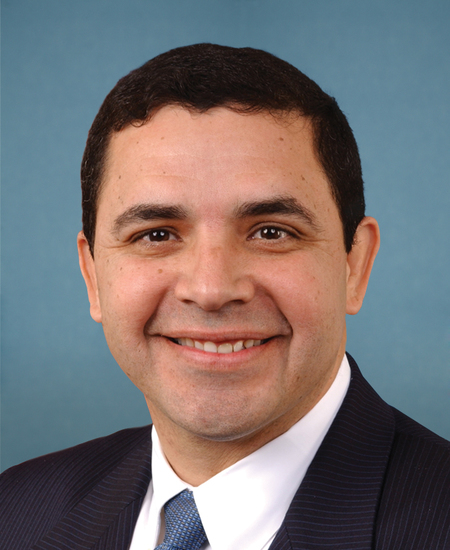
Henry Cuellar
100% support rate
Top opponent
John Garamendi
33% support rate
Ranked legislators
6
5 support · 1 oppose
Key legislators

Who's moving women's health in United States

Legislators moving women's health in United States
Legislator Party Stance Support rate Decisive votes
Henry Cuellar
Henry Cuellar House · District 28
D
Strong +
100% 4
Marcy Kaptur
Marcy Kaptur House · District 9
D
Support
67% 3
Mike Haridopolos
Mike Haridopolos House · District 8
R
Support
67% 3
Aaron Bean
Aaron Bean House · District 4
R
Mixed
50% 4
Abraham J. Hamadeh
Abraham J. Hamadeh House · District 8
R
Mixed
50% 4
John Garamendi
John Garamendi House · District 8
D
Oppose
33% 3
Showing 181–190 of 302 bills

All healthcare bills

passed · United States · House Jul 21, 2026

HR 6238: NIH IMPROVE Act

The NIH IMPROVE Act (HR 6238) establishes a new NIH research initiative focused on improving maternal health outcomes in the U.S. It directly affects pregnant and postpartum women, particularly those in communities experiencing health disparities linked to higher maternal mortality and severe maternal morbidity. The bill authorizes $73.4 million annually (2026-2031) for NIH to fund research targeting preventable causes of maternal deaths, reduce health disparities, and evaluate community-based interventions. Key provisions require NIH to advance evidence-based solutions through grants and studies on biological, behavioral, and regional factors affecting maternal health before, during, and after pregnancy.
Sub-Topics Women's Health
in committee · United States · House Nov 20, 2025

HR 6191: No Taxpayer Funded Abortion Travel for Illegal Aliens Act

This bill prohibits federal funds from being used to cover any abortion-related expenses for individuals classified as "illegal aliens" under immigration law. It specifically blocks taxpayer money from paying for travel, lodging, meals, childcare, translation, doula care, or patient education services connected to abortion access. The law directly affects non-citizens who are inadmissible or deportable under specific immigration statutes (as defined in the Immigration and Nationality Act). It applies to all federal programs and funds, restricting assistance for abortion services beyond the procedure itself.
Sub-Topics Women's Health
in committee · United States · Senate Mar 12, 2025

S 987: Protecting Life and Integrity in Research Act of 2025

This bill prohibits federal agencies from funding, supporting, or conducting research using human fetal tissue obtained from induced abortions. It allows federal research on tissue from miscarriages or stillbirths (defined as loss before 20 weeks or at 20+ weeks, respectively) and permits development of new cell lines not derived from abortion tissue. The bill amends the Public Health Service Act to restrict permissible tissue sources to miscarriage/stillbirth and revises definitions accordingly. It also repeals a prior provision allowing research on abortion-derived tissue and adds new restrictions on soliciting or accepting such tissue.
in committee · United States · Senate May 6, 2025

S 1631: Restoring Safeguards for Dangerous Abortion Drugs Act

This bill would require the FDA to replace current regulations for mifepristone (the drug sold as Mifeprex) with the 2011 risk management plan, reversing recent changes. It bans the importation of mifepristone into the U.S. (including by mail) and creates a federal civil liability for entities that illegally import or transport the drug, allowing individuals harmed by the drug to sue for damages. The law directly affects drug manufacturers, importers, telehealth providers, and pharmacies that handle mifepristone, and would make it illegal to import the drug regardless of state laws. It does not change how the drug is prescribed or dispensed within the U.S. but targets its importation and imposes new legal consequences for violations.
in committee · United States · House Jan 28, 2025

HR 795: Pregnancy Is Not an Illness Act of 2025

This bill prohibits the Department of Health and Human Services (HHS) and the Food and Drug Administration (FDA) from treating pregnancy as an illness when approving or regulating abortion drugs. It specifically bans using this framework for approvals under the Federal Food, Drug, and Cosmetic Act or for risk management strategies. The bill also nullifies existing approvals of abortion drugs (like mifepristone) that relied on treating pregnancy as an illness. This directly affects how the FDA regulates abortion medications, changing the basis for their safety and efficacy evaluations.
Sub-Topics Women's Health
in committee · United States · House Dec 11, 2025

HR 6682: Endometriosis CARE Act

HR 6682, the Endometriosis CARE Act, requires federal agencies to advance research, improve treatment access, and increase awareness for people with endometriosis - a chronic condition causing pelvic pain and fertility challenges affecting an estimated 10% of reproductive-age individuals. The bill mandates $50 million annually for NIH research on endometriosis treatments and cures, directs HHS to analyze barriers like insurance coverage and provider shortages in accessing care, and funds public education campaigns targeting underserved racial, ethnic, and minority groups. It also requires HHS to develop provider training materials on diagnosis and care, and to commission a National Academies study on disparities in endometriosis treatment across race, geography, and insurance status. The legislation focuses on data collection, education, and research rather than altering existing insurance coverage or treatment protocols.
in committee · United States · House Jan 30, 2026

HR 7286: To amend the Internal Revenue Code of 1986 to revoke the tax-exempt status of organizations that provide, or provide funding for, abortion.

This bill would revoke the tax-exempt status of nonprofit organizations (like charities or health groups) that provide or fund abortions, except in specific cases. It directly affects organizations currently classified under Section 501(c)(3) of the tax code, such as some healthcare providers or advocacy groups. Key provisions define "abortion" as intentionally terminating a pregnancy (excluding cases where the mother’s life is at risk, or the pregnancy resulted from rape or incest), and deny tax exemption to groups meeting this definition. The change would take effect for tax years starting after the bill’s enactment date.
in committee · United States · House Jun 5, 2025

HR 3749: HER Act

HR 3749, the HER Act, directs the U.S. Department of Health and Human Services to fund research on how endocrine-disrupting chemicals (chemicals that interfere with hormones) in personal care products affect women’s reproductive health. It provides federal grants for scientific research and requires states to receive funding for investigating these chemicals and running public awareness campaigns about safer alternatives. Every five years, the Department must publish reports detailing research findings, listing safe/harmful products, and suggesting ways to expand FDA regulation of harmful ingredients. This bill directly affects women’s health researchers, state health agencies, and consumers seeking safer personal care products, while aiming to inform future regulatory action.
Sub-Topics Women's Health
in committee · United States · House Jun 11, 2025

HR 3916: My Body, My Data Act of 2025

This bill, HR 3916 (My Body, My Data Act of 2025), requires businesses and other "regulated entities" to minimize collection and sharing of personal reproductive or sexual health data - such as pregnancy status, contraceptive use, or abortion-related information - and gives individuals specific rights. It mandates that entities provide individuals with easy access to their data, the ability to correct inaccuracies, and the right to request deletion of such information within 15 days. The law also requires clear privacy policies detailing data practices and prohibits retaliation against individuals who exercise these rights, such as charging higher prices or denying services. It applies broadly to most businesses (excluding HIPAA-covered healthcare providers) and is enforced by the FTC with private lawsuits allowed for violations.
in committee · United States · House Jan 23, 2025

HR 685: SAVE Moms and Babies Act of 2025

HR 685, the SAVE Moms and Babies Act of 2025, prohibits the FDA from approving new abortion drugs or allowing investigational use of existing ones. It restricts existing abortion drugs to in-person administration by certified healthcare providers in clinics or hospitals (not pharmacies), limits use to pregnancies under 70 days gestation, and requires providers to certify they can handle complications like severe bleeding or ectopic pregnancies. The bill mandates reporting of adverse events (such as hospitalizations or infections) to the FDA without patient identifiers and defines "abortion drug" broadly as any drug intended to terminate pregnancy, excluding specific medical exceptions. This directly affects FDA approval processes, healthcare providers prescribing these drugs, and drug manufacturers.
Sub-Topics Women's Health
Showing 181 to 190 of 302 bills
Previous 1 … 18 19 20 … 31 Next