Issue · Healthcare

Healthcare

Every healthcare bill, vote, and legislator stance in United States, automatically classified by Maddy, our AI policy reader.

Total bills
3,230
119th Congress
Top supporter
Darline Graham
82% support rate
Top opponent
Rick Scott
19% support rate
Ranked legislators
10
5 support · 5 oppose
Key legislators

Who's moving healthcare in United States

Legislators moving healthcare in United States
Legislator Party Stance Support rate Decisive votes
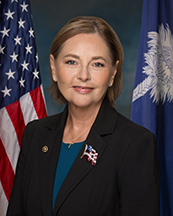
Darline Graham
Darline Graham Senate
R
Strong +
82% 11
Peter Welch
Peter Welch Senate
D
Strong +
81% 27
Ron Wyden
Ron Wyden Senate
D
Support
78% 27
Alex Padilla
Alex Padilla Senate
D
Support
77% 26
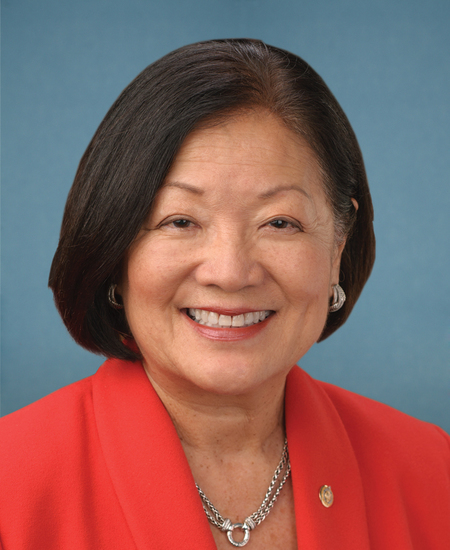
Mazie K. Hirono
Mazie K. Hirono Senate
D
Support
74% 27
Rick Scott
Rick Scott Senate
R
Strong −
19% 27
Ashley Moody
Ashley Moody Senate
R
Oppose
22% 27
Rand Paul
Rand Paul Senate
R
Oppose
22% 27
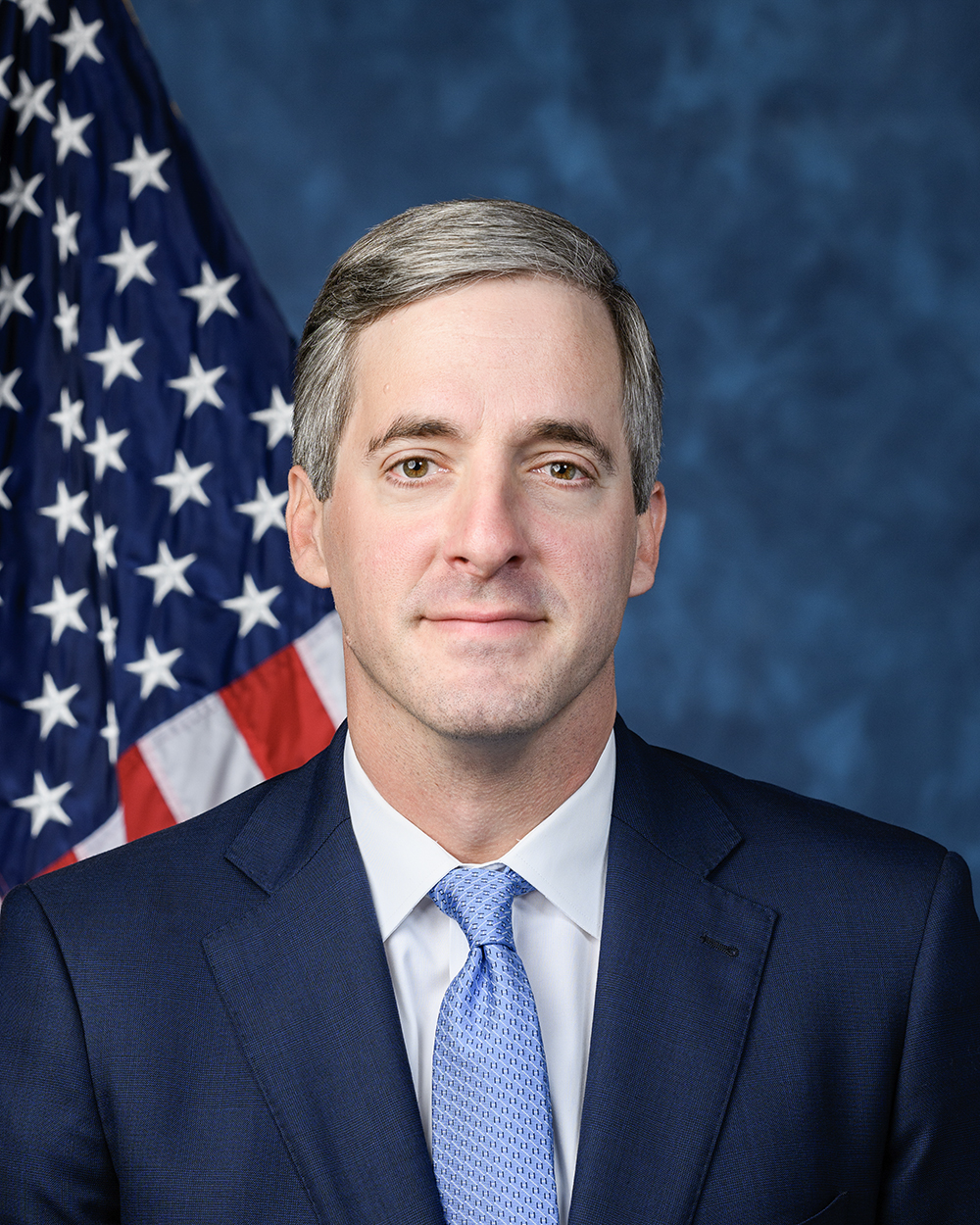
Brad Knott
Brad Knott House · District 13
R
Oppose
28% 18
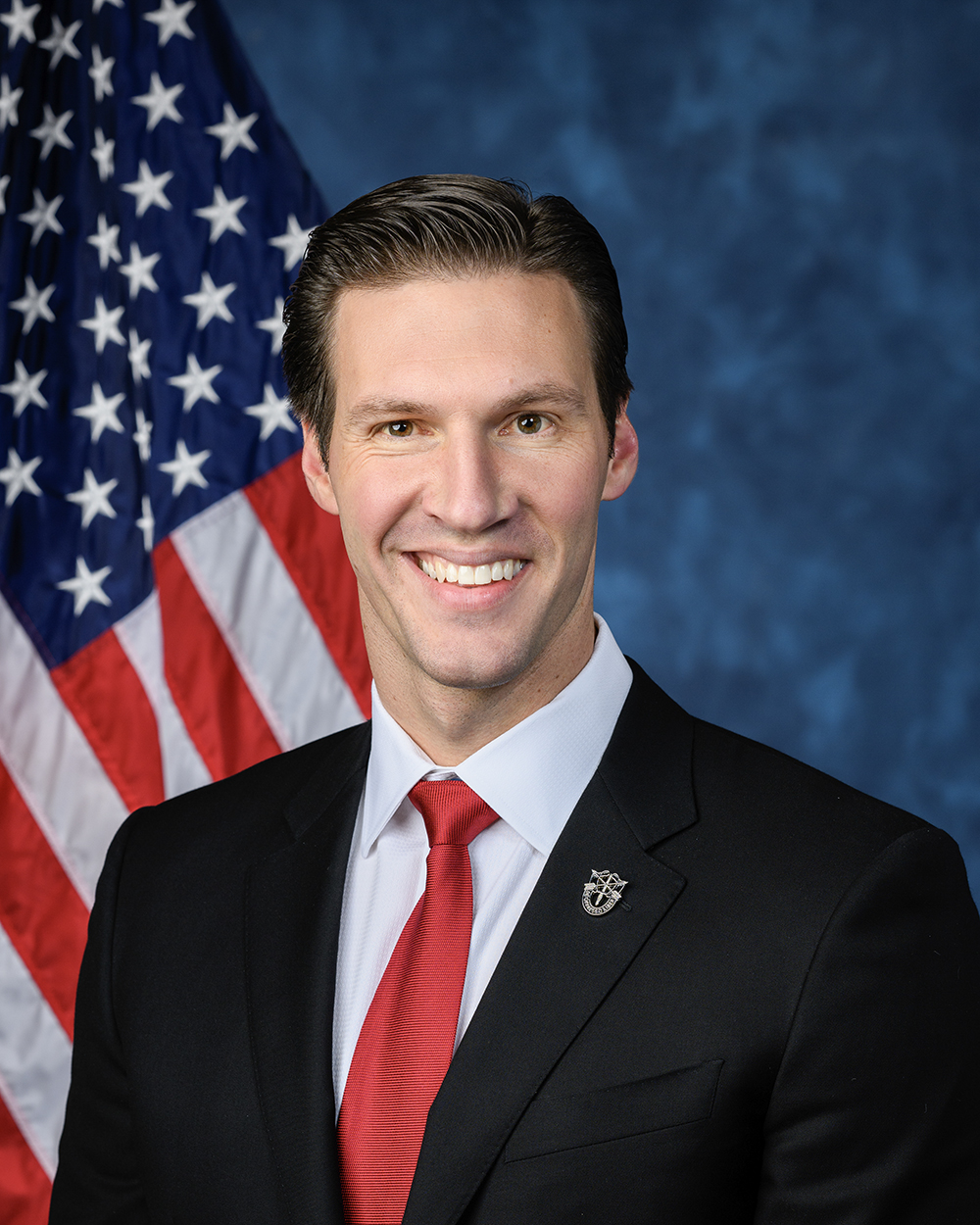
Pat Harrigan
Pat Harrigan House · District 10
R
Oppose
28% 18
Showing 1,841–1,850 of 3,230 bills

All healthcare bills

in committee · United States · House Jul 21, 2025

HR 4559: Prompt and Fair Pay Act

HR 4559, the Prompt and Fair Pay Act, requires Medicare Advantage (MA) plans to pay healthcare providers the same amount as original Medicare (fee-for-service) for covered services starting in 2027, directly affecting MA plans and providers who treat Medicare patients. It mandates that MA plans pay "clean claims" (claims with no missing information) within 14 days for electronic submissions or 30 days for paper claims, with interest penalties for late payments based on Treasury rates. The bill also requires MA plans to clearly explain claim denials and provide timely notifications about missing information, improving transparency and reducing payment delays. These changes aim to standardize payments between MA plans and traditional Medicare while ensuring providers receive timely compensation.
Sub-Topics Medicare
in committee · United States · House Sep 30, 2025

HR 5622: National Gun Violence Research Act of 2025

This bill repeals longstanding restrictions on federal funding for gun violence research that have been in place since 1996. It establishes a National Gun Violence Research Program coordinated by the Office of Science and Technology Policy, authorizing $200 million over six years ($200,000 annually from 2026-2031) to fund research across multiple agencies including the National Institutes of Health, Centers for Disease Control, and National Institute of Justice. The bill requires sharing of gun trace data with researchers and creates an interagency working group and advisory committee to guide the research program. This legislation focuses on enabling research into the causes and prevention of gun violence without making changes to gun laws or regulations.
Sub-Topics Firearms
in committee · United States · House Feb 21, 2025

HR 1463: To prohibit the use of Federal funds to implement, administer, or enforce a final rule of the Food and Drug Administration relating to "Medical Devices; Laboratory Developed Tests", and for other purposes.

HR 1463 prohibits the use of federal funds to implement, administer, or enforce a specific FDA rule about medical devices known as "laboratory developed tests" (LDTs), published in the Federal Register on May 6, 2024 (89 Fed. Reg. 37286). The bill directly affects the Food and Drug Administration (FDA), preventing it from using taxpayer money to carry out this regulation. Its key mechanism is a straightforward funding ban on the specified rule and any substantially similar future rule. This is a procedural restriction focused solely on blocking financial support for the FDA's LDT regulatory approach.
in committee · United States · Senate Jun 12, 2025

S 2055: Veterans’ Caregiver Appeals Modernization Act of 2025

S 2055, the Veterans’ Caregiver Appeals Modernization Act of 2025, updates the process for family caregivers of veterans seeking support services. It requires the VA to create a single digital system so all relevant application documents are accessible to staff handling caregiver appeals, and adds a rule ensuring caregivers retain eligibility for monthly stipends if the veteran dies during an appeal. The bill also mandates standardized training for VA employees reviewing these cases, aligning it with existing disability compensation procedures. This directly affects family caregivers of veterans enrolled in the VA’s caregiver support program, streamlining appeals and protecting ongoing benefits.
in committee · United States · House Mar 18, 2025

HR 2214: DRUG Act

This bill prohibits pharmacy benefit managers (PBMs) from receiving payments tied to prescription drug prices or rebates starting January 1, 2027. Instead, PBMs may only charge flat, itemized fees for actual services performed (e.g., claim processing), not based on drug costs or discounts. It directly affects PBMs and health insurance plans by requiring compensation to be decoupled from drug pricing, while allowing rebates to be passed through to lower net drug costs. The law aims to reduce conflicts of interest in PBM operations without changing drug pricing itself.
in committee · United States · House Mar 10, 2025

HR 2008: Infant Formula Made in America Act of 2025

The Infant Formula Made in America Act of 2025 creates two tax credits to incentivize domestic infant formula production. It offers a 30% investment credit for manufacturers who build or expand facilities to make U.S.-made infant formula (with a total credit cap of $750 million), plus a $2 per pound production credit for formula sold in the U.S. (capped at 18 million pounds annually). The credits are limited to manufacturers with global revenue under $750 million and require at least 50% of formula produced with the investment credit to be sold within the U.S. within one year. The bill includes recapture provisions if manufacturers fail to meet these requirements, and applies to facilities starting construction after the bill's enactment.
in committee · United States · House Feb 13, 2025

HR 1279: To amend title XIX of the Social Security Act to establish a community engagement requirement for certain individuals under the Medicaid program.

HR 1279 would require certain Medicaid recipients (excluding those under 18, over 65, pregnant, caregivers, or in education/health programs) to complete 80 hours monthly of work, community service, or approved work programs to maintain Medicaid eligibility. This applies to individuals who fail to meet this "community engagement requirement" for three consecutive months, triggering a loss of federal Medicaid funding for that month. States would verify compliance using existing databases (like payroll records) before requesting additional proof. The bill does not change Medicaid eligibility criteria but ties federal funding to this new activity requirement for qualifying individuals.
Sub-Topics Medicaid
in committee · United States · House Aug 5, 2025

HR 4905: Energy Workers Health Improvement and Compensation Fund Act

HR 4905 creates a federal trust fund to reimburse oil and gas workers and their families for medical expenses related to specific health conditions linked to industry exposure. Oil companies with over $50 million in annual revenue must pay into the fund based on the compensation of their top 10 executives each year, with penalties for underpayment. The fund covers costs for asthma, heat illness, and other respiratory/cardiovascular diseases tied to methane emissions, smog, particulate matter, and volatile organic compounds. Eligible workers (or family members living within 20 miles of extraction sites for at least a year) receive reimbursements in the order claims are submitted. The bill also establishes a commission of health and labor experts to study worker health outcomes and submit recommendations to Congress within 18 months.
in committee · United States · House Feb 5, 2026

HR 7347: Stop Inhumane Conditions in ICE Detention Act of 2026

HR 7347, the *Stop Inhumane Conditions in ICE Detention Act of 2026*, requires all facilities detaining noncitizens under U.S. immigration law - including contracted facilities - to implement real-time health reporting systems for medical, dental, and mental health conditions. It mandates anonymous, multilingual complaint systems for detainees with anti-retaliation protections, annual DHS audits of health conditions (including gender-specific care), and full-time health liaisons at each facility. The bill triggers contract reviews for facilities with three verified health complaints and requires quarterly public reports on conditions and complaints to Congress. These provisions directly affect ICE detention facilities, detainees, and DHS oversight processes, focusing on transparency and accountability in health care.
in committee · United States · House Jun 30, 2025

HR 4265: Reproductive Health Travel Fund Act of 2025

HR 4265, the Reproductive Health Travel Fund Act of 2025, would provide $350 million annually (2026-2030) in federal grants to cover travel and logistical costs for people seeking abortion care in states with bans or severe restrictions. The bill directly affects individuals who must travel across state lines for abortion services, particularly those facing systemic barriers like Black, Indigenous, and low-income people. Grants can cover round-trip travel, lodging, childcare, meals, translation, and lost wages, but cannot fund the abortion procedure itself. Eligible recipients are community-based abortion funds meeting specific criteria, with priority given to organizations serving those impacted by state abortion bans.
Sub-Topics Women's Health
Showing 1,841 to 1,850 of 3,230 bills