Issue · Healthcare

Healthcare (Medicaid)

Every healthcare bill, vote, and legislator stance in United States, automatically classified by Maddy, our AI policy reader.

Total bills
441
119th Congress
Top supporter
Christopher Murphy
89% support rate
Top opponent
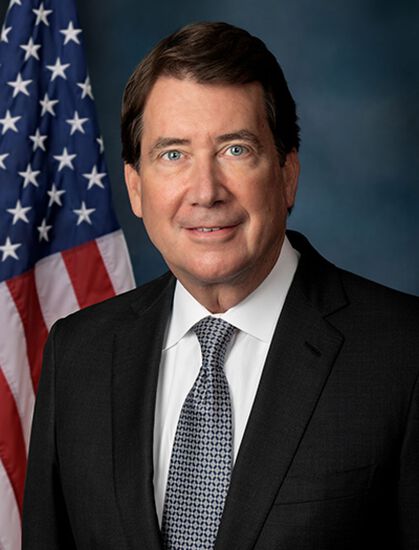
Bill Hagerty
11% support rate
Ranked legislators
10
5 support · 5 oppose
Key legislators

Who's moving medicaid in United States

Legislators moving medicaid in United States
Legislator Party Stance Support rate Decisive votes
Christopher Murphy
Christopher Murphy Senate
D
Strong +
89% 9
Adam B. Schiff
Adam B. Schiff Senate
D
Strong +
80% 10
Alex Padilla
Alex Padilla Senate
D
Strong +
80% 10
Amy Klobuchar
Amy Klobuchar Senate
D
Strong +
80% 10
Andy Kim
Andy Kim Senate
D
Strong +
80% 10
Bill Hagerty
Bill Hagerty Senate
R
Strong −
11% 9
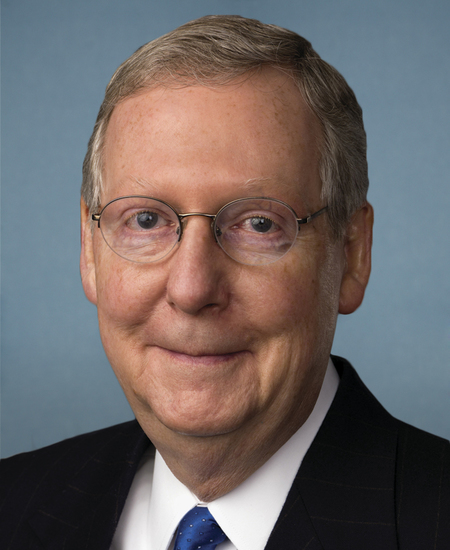
Mitch McConnell
Mitch McConnell Senate
R
Strong −
11% 9
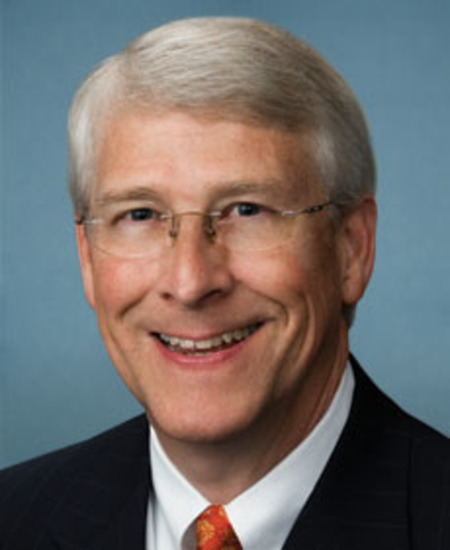
Roger F. Wicker
Roger F. Wicker Senate
R
Strong −
11% 9
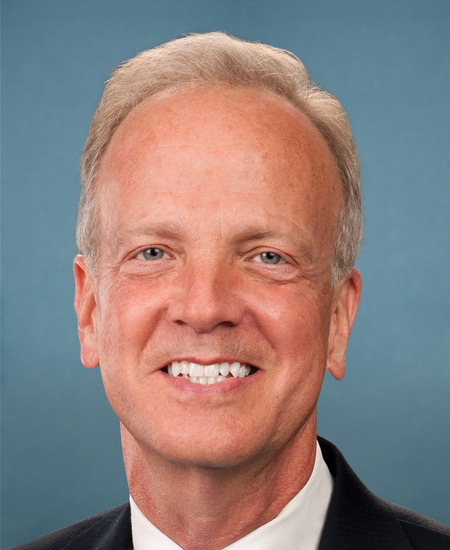
Jerry Moran
Jerry Moran Senate
R
Strong −
12% 8
Ashley Moody
Ashley Moody Senate
R
Strong −
20% 10
Showing 151–160 of 441 bills

All healthcare bills

in committee · United States · House Nov 19, 2025

HR 6147: Expanding Health Care Options for First Responders Act

This bill creates a new Medicare buy-in option for eligible retired or disabled first responders aged 50-64. It directly affects qualified law enforcement officers, certain emergency medical personnel, and federal firefighters who have separated from service due to retirement or disability. Key provisions include establishing a premium calculated based on Medicare's average costs, coordinating enrollment periods with the Affordable Care Act marketplace, and ensuring coverage counts as "minimum essential coverage" for tax purposes. The bill also prohibits Medicaid beneficiaries from using this option and requires outreach efforts (2027-2029) to help eligible individuals enroll.
in committee · United States · House Mar 31, 2025

HR 2491: ABC Act

The ABC Act (HR 2491) requires the Centers for Medicare & Medicaid Services and the Social Security Administration to review and simplify eligibility processes, forms, and communications for Medicare, Medicaid, CHIP, and Social Security programs. It specifically aims to reduce duplicate paperwork for family caregivers - defined as individuals supporting people with disabilities or health needs - and improve accessibility through features like ADA-compliant websites, translation services, and reduced call wait times. The agencies must gather input from caregivers and organizations, then implement changes to streamline interactions. Within two years, they must report findings and proposed actions to Congress, with follow-up reports every two years. This procedural bill focuses on administrative improvements, not new benefits.
in committee · United States · House Oct 24, 2025

HR 5815: District of Columbia Medicaid Fairness Act

HR 5815, the District of Columbia Medicaid Fairness Act, adjusts federal Medicaid funding for Washington D.C. by setting a specific Federal Medical Assistance Percentage (FMAP) for the district. It directly affects D.C. residents enrolled in Medicaid by guaranteeing a minimum federal funding share: 70% for fiscal years before 2027, gradually decreasing to 55% by 2029. For fiscal years 2030 and beyond, D.C. will receive the standard FMAP rate calculated under the Social Security Act, without the special adjustment. This change ensures D.C. receives a higher federal share than it would under the standard formula until 2029, after which it aligns with other states. The bill modifies Section 1905 of the Social Security Act to implement these funding adjustments.
Sub-Topics Medicaid
in committee · United States · House Apr 10, 2025

HR 2902: SOAR Act of 2025

Supplemental Oxygen Access Reform Act of 2025 or the SOAR Act of 2025 This bill establishes certain requirements with respect to the payment and provision of supplemental oxygen and related services under Medicare. For example, the bill provides for separate payments, indexed to inflation, of oxygen and related equipment, supplies, and services under Medicare (rather than under the competitive acquisition program). It also specifically covers services that are provided by respiratory therapists under Medicare and provides for an additional payment adjustment for these services. Additionally, the bill (1) requires the Centers for Medicare & Medicaid Services to develop an electronic template for providers to use when prescribing oxygen and related equipment, supplies, and services; and (2) establishes certain rights for beneficiaries receiving these items and services, such as the right to choose their suppliers and to receive clear communications and be informed about the services provided.
Sub-Topics Medicaid Medicare
in committee · United States · House May 29, 2025

HR 3644: Menstrual Equity For All Act of 2025

The Menstrual Equity For All Act of 2025 requires schools, colleges, correctional facilities, and federal buildings to provide free menstrual products to those who need them. It makes menstrual products covered by Medicaid, prohibits states from taxing these products, and creates grant programs to support low-income individuals. Key provisions include mandating free products in educational settings, requiring employers with 100+ employees to provide them, and expanding Medicaid coverage for these items. The bill directly affects students, incarcerated individuals, homeless people, Medicaid beneficiaries, and low-income families by addressing period poverty through concrete access requirements.
in committee · United States · House Jul 22, 2025

HR 4623: Plain Prescription Prices Act

HR 4623, the Plain Prescription Prices Act, requires drug companies to include the current list price for a typical 30-day supply or treatment course in all direct-to-consumer television ads for prescription drugs covered by Medicare (Part D) or Medicaid. This applies to ads aired on broadcast, cable, streaming, or satellite TV. The bill mandates that the displayed price must be truthful and reflect the list price as of the first day of the quarter the ad runs. The goal is to provide consumers with clear, upfront pricing information when viewing drug advertisements.
in committee · United States · House Sep 26, 2025

HR 5612: Cost-of-Living Fairness Act

This bill allows individuals applying for government benefits to deduct certain insurance costs from their reported income when determining eligibility. It covers auto insurance for vehicle owners, home/renter insurance, and flood insurance for primary residences. These deductions apply to both federal programs (like SNAP or Medicaid) and state/local programs receiving federal funding. The change directly affects people seeking assistance by reducing their counted income for benefit calculations.
Sub-Topics Medicaid
in committee · United States · House May 1, 2025

HR 3134: Emergency Care Improvement Act

HR 3134, the Emergency Care Improvement Act, allows Medicare and Medicaid to reimburse freestanding emergency centers (FECs) for specific emergency services. The bill defines FECs as 24/7 facilities meeting state emergency care standards, with physician staffing, hospital referral agreements, and quality programs - currently operating in over 118 locations, primarily in Texas. It amends coverage rules to include FECs under Medicare Part B and Medicaid for "specified emergency services" (excluding certain evaluation codes), sets payment rates based on outpatient department standards, and extends EMTALA emergency care laws to cover these centers. This policy change directly affects FECs and Medicare/Medicaid beneficiaries by enabling reimbursement for emergency care previously excluded from coverage.
Sub-Topics Hospitals Medicaid Medicare Tags Emergency Management
in committee · United States · House Apr 7, 2025

HR 2680: Expanding Access to School Meals Act of 2025

HR 2680, the Expanding Access to School Meals Act of 2025, ends reduced-price breakfast and lunch programs under federal law and expands free meal eligibility. It raises the income threshold for free lunch eligibility from 130% to 224% of the federal poverty level (Sec. 201) and allows schools to directly certify children receiving Medicaid benefits as eligible for free meals without additional applications (Sec. 202). The bill also permits schools to request retroactive reimbursement for meals served to eligible children starting the first day of the school year (Sec. 203) and increases the community eligibility program multiplier to 2.5 for schools serving high-poverty areas (Sec. 204). These changes directly affect public school students from low-income families and school districts receiving federal meal reimbursement funds.
in committee · United States · House Jun 17, 2025

HR 4022: Increasing Behavioral Health Treatment Act

The Increasing Behavioral Health Treatment Act removes a Medicaid exclusion that previously blocked coverage for behavioral health services for individuals under 65 in psychiatric hospitals (also called "institutions for mental diseases"). It requires states to submit detailed plans to the federal government outlining how they will expand outpatient and community-based care for people transitioning from these facilities, including improved crisis services like mobile units and observation centers. States must also report annually on costs, patient outcomes, and the types of outpatient treatment provided after discharge, with specific requirements for coordinating care between health providers and first responders. This policy change directly affects Medicaid beneficiaries under 65 in psychiatric hospitals and state Medicaid programs, aiming to shift care toward less restrictive community settings.
Sub-Topics Medicaid Mental Health
Showing 151 to 160 of 441 bills
Previous 1 … 15 16 17 … 45 Next