Issue · Healthcare

Healthcare

Every healthcare bill, vote, and legislator stance in United States, automatically classified by Maddy, our AI policy reader.

Total bills
3,096
119th Congress
Top supporter
Christopher Murphy
81% support rate
Top opponent
Bill Hagerty
13% support rate
Ranked legislators
10
5 support · 5 oppose
Key legislators

Who's moving healthcare in United States

Legislators moving healthcare in United States
Legislator Party Stance Support rate Decisive votes
Christopher Murphy
Christopher Murphy Senate
D
Strong +
81% 16
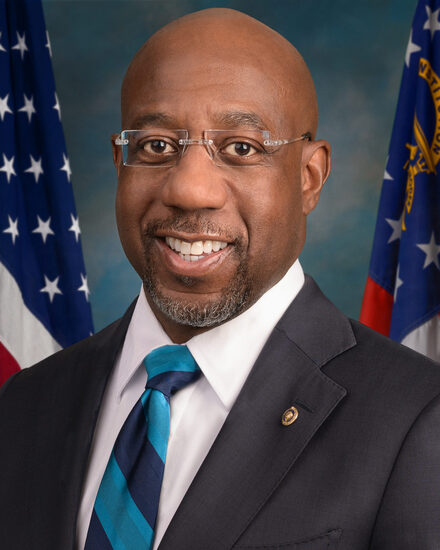
Raphael G. Warnock
Raphael G. Warnock Senate
D
Strong +
81% 16
Adam B. Schiff
Adam B. Schiff Senate
D
Support
76% 17
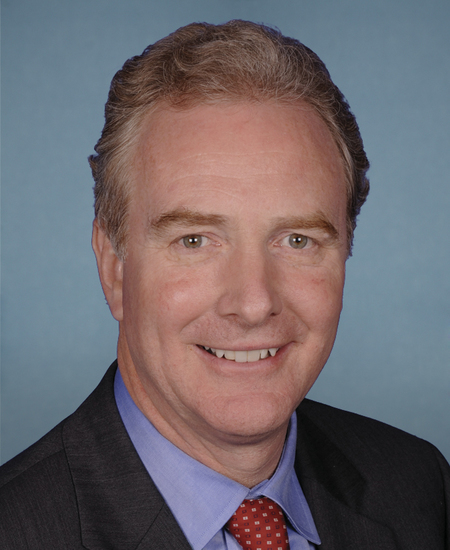
Chris Van Hollen
Chris Van Hollen Senate
D
Support
76% 17
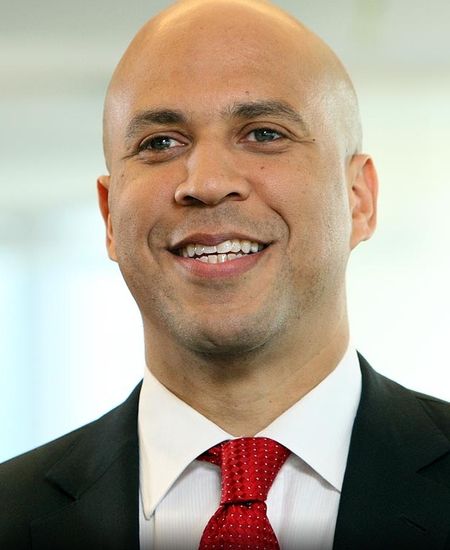
Cory A. Booker
Cory A. Booker Senate
D
Support
76% 17
Bill Hagerty
Bill Hagerty Senate
R
Strong −
13% 15
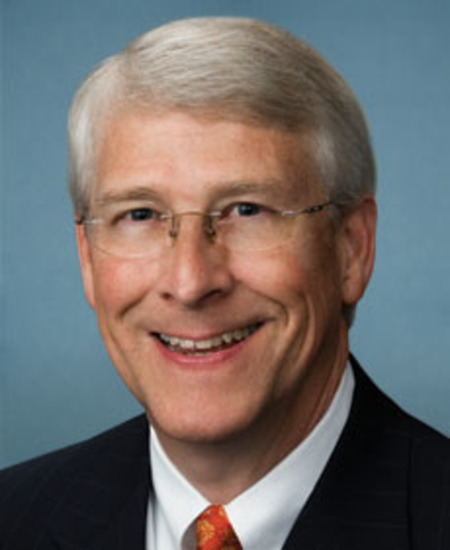
Roger F. Wicker
Roger F. Wicker Senate
R
Strong −
13% 15
James C. Justice
James C. Justice Senate
R
Strong −
19% 16
James E. Risch
James E. Risch Senate
R
Strong −
19% 16
Mitch McConnell
Mitch McConnell Senate
R
Strong −
19% 16
Showing 151–160 of 3,096 bills

All healthcare bills

passed · United States · Senate Jul 21, 2026

SRES 809: A resolution designating June 15, 2026, as "World Elder Abuse Awareness Day" and the month of June 2026 as "Elder Abuse Awareness Month".

This resolution designates June 15, 2026, as World Elder Abuse Awareness Day and the month of June 2026 as Elder Abuse Awareness Month. It formally recognizes the efforts of various professionals, including judges, social workers, and law enforcement, who work to prevent and address abuse against older adults. The bill also encourages the public and government agencies to continue collaborating on awareness campaigns and to report cases of elder abuse, neglect, and financial exploitation.
in committee · United States · Senate Jul 13, 2026

S 4946: Health and Location Data Protection Act of 2026

The Health and Location Data Protection Act of 2026 prohibits data brokers from buying, selling, or sharing personal location and health information, while allowing exceptions for authorized disclosures, HIPAA-compliant activities, and newsworthy public interest reporting. The Federal Trade Commission is tasked with defining specific data categories and enforcing these rules, with penalties including civil fines up to 15 percent of a company's revenue and the ability for the FTC, state attorneys general, and private individuals to sue for violations. This legislation applies to entities that trade data collected from others rather than directly from individuals, and it preempts only state laws that require the disclosure of data this bill forbids.
Sub-Topics Data Privacy
in committee · United States · House Jul 16, 2026

HR 9752: Protecting Home-Based Care for Rural Veterans Act of 2026

The Protecting Home-Based Care for Rural Veterans Act of 2026 aims to safeguard funding for home health services provided to veterans living in rural areas. It requires the Department of Veterans Affairs to restore any reimbursement rates for homemaker and home health aide services that were lowered after December 31, 2025, and prevents future rate cuts without notifying Congress at least 90 days in advance. Additionally, the bill mandates annual reports to Congress detailing the availability of service providers in different regions and the methods used to calculate payment rates. A one-time report must also be submitted within 90 days of the law's enactment to explain how these rates were determined and whether input was gathered from service providers.
in committee · United States · House Jul 22, 2026

HR 9862: Responsible Artificial Intelligence for Veterans Act of 2026

The Responsible Artificial Intelligence for Veterans Act of 2026 requires the Department of Veterans Affairs to hire an independent research center to evaluate artificial intelligence tools currently used or being developed for patient care within the Veterans Health Administration. This evaluation will focus on five specific high-risk systems to assess their safety, accuracy, fairness, and how well they integrate with existing medical workflows. The law mandates that the findings be reported to Congress within a year, followed by a detailed plan from the VA to address any identified risks or gaps in oversight. Additionally, a government auditor will review both the evaluation and the VA's response plan to ensure accountability, all without requesting new funding for the initiative.
in committee · United States · House Jul 22, 2026

HR 9833: Ensuring Kids Have Access to Medically Necessary Dental Care Act

This bill, titled the Ensuring Kids Have Access to Medically Necessary Dental Care Act, modifies the Children's Health Insurance Program to expand dental coverage for low-income children and pregnant women. It mandates that states remove any lifetime or annual dollar limits on dental benefits for eligible participants and requires states to offer dental-only supplemental coverage instead of allowing them to opt out. The changes take effect six months after the law is enacted, ensuring that these specific groups receive consistent access to necessary dental services without financial caps.
Sub-Topics Children's Health Insurance Medicaid Tags Children
in committee · United States · Senate Jul 23, 2026

S 5109: Training Rural Law Enforcement Officers Act of 2026

This bill allows rural law enforcement agencies with fewer than 50 officers to receive free training grants from the Department of Justice. Instead of applying directly, these agencies can pool their funding with neighboring departments to hire accredited nonprofit organizations to deliver the training. The program specifically covers topics such as de-escalation, officer wellness, leadership, and handling situations involving mental health crises or domestic violence. By simplifying the application process and removing reporting burdens, the legislation aims to help smaller agencies access resources they previously lacked.
Sub-Topics Domestic Violence Law Enforcement Mental Health Tags Rural Communities
in committee · United States · House Jun 9, 2026

HR 9234: Careworker Visa Act of 2026

The Careworker Visa Act of 2026 establishes a new visa category for foreign nationals to work as caregivers in private homes or small businesses with fewer than 25 employees, addressing a shortage of childcare, eldercare, and disability support workers. To qualify, employers must be certified by the Department of Labor, pay a prevailing wage determined by local standards, and file a petition that includes proof of financial stability and tax compliance. The visa allows workers to stay for initial three-year periods that can be renewed, includes a 90-day grace period for changing employers, and provides a pathway to permanent residency after meeting specific criteria. The legislation also strengthens protections against wage theft and retaliation by creating a dedicated office to handle complaints and prohibiting employers from using immigration status to control workers.
Sub-Topics Labor Standards
in committee · United States · House Jul 22, 2026

HR 9842: State Offices of Women’s Health Support and Expansion Act

This bill establishes a federal grant program to help states create or maintain dedicated offices focused on women's health. The funding, totaling $55 million annually from 2027 to 2031, is split evenly between all states and a formula based on factors like maternal mortality and poverty rates. Recipients must use the money for public education, data collection, and addressing social issues like housing and food insecurity, while also forming community advisory panels. The legislation includes strict rules prohibiting the use of funds to discourage reproductive health services and mandates strong privacy protections for any data collected.
Sub-Topics Women's Health
in committee · United States · House Jul 23, 2026

HR 9940: Disability Community Act of 2026

The Disability Community Act of 2026 updates federal Medicaid terminology to replace the outdated phrase "mentally retarded" with "intellectual or developmental disabilities" throughout relevant laws and regulations. This change affects how states and facilities are referred to in official documents, ensuring language aligns with current medical and social standards. Additionally, the bill increases federal funding for specific Medicaid services provided to individuals with intellectual and developmental disabilities during 2027, 2028, and 2029. These funds are intended to cover costs associated with complying with existing federal regulations regarding care and services.
Sub-Topics Medicaid Tags People with Disabilities
in committee · United States · House Jul 16, 2026

HR 9747: Welcome Back to the Health Care Workforce Act

The Welcome Back to the Health Care Workforce Act establishes a grant program to help internationally educated health care professionals integrate into the U.S. health care system. Under this bill, the Secretary of Health and Human Services would award funds to eligible groups, such as hospitals, universities, and government agencies, after consulting with the Labor and Education departments. Recipients must use at least 20 percent of the money for system-wide improvements like mentoring networks and employer education, while the remaining funds can support individual needs such as licensing fees, language training, and living expenses. Priority is given to projects that address workforce shortages in rural areas or communities with significant gaps in health care staffing. The act also requires annual reporting on the number of professionals supported and their employment outcomes, with funding authorized through fiscal year 2031.
Showing 151 to 160 of 3,096 bills
Previous 1 15 16 17 310 Next