Issue · Healthcare

Healthcare

Every healthcare bill, vote, and legislator stance in United States, automatically classified by Maddy, our AI policy reader.

Total bills
3,230
119th Congress
Top supporter
Darline Graham
82% support rate
Top opponent
Rick Scott
19% support rate
Ranked legislators
10
5 support · 5 oppose
Key legislators

Who's moving healthcare in United States

Legislators moving healthcare in United States
Legislator Party Stance Support rate Decisive votes
Darline Graham
Darline Graham Senate
R
Strong +
82% 11
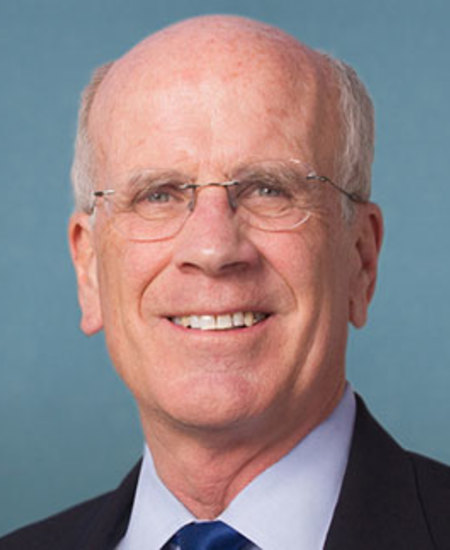
Peter Welch
Peter Welch Senate
D
Strong +
81% 27
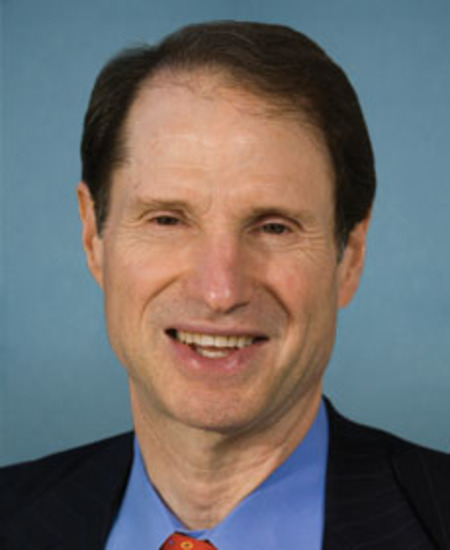
Ron Wyden
Ron Wyden Senate
D
Support
78% 27
Alex Padilla
Alex Padilla Senate
D
Support
77% 26
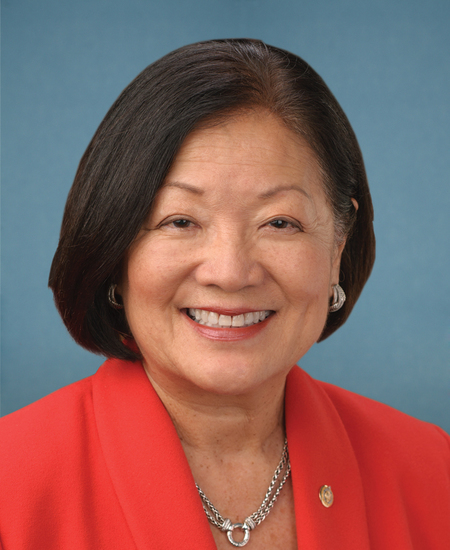
Mazie K. Hirono
Mazie K. Hirono Senate
D
Support
74% 27
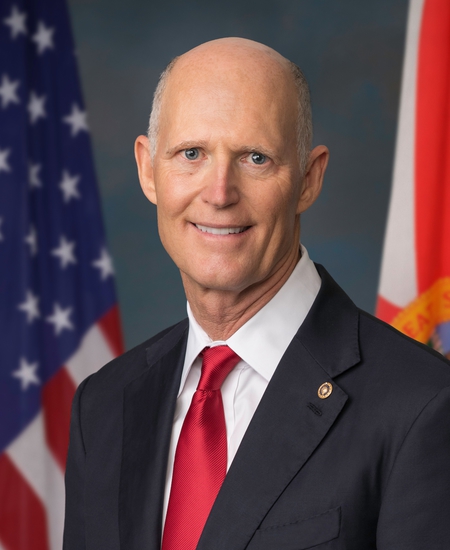
Rick Scott
Rick Scott Senate
R
Strong −
19% 27
Ashley Moody
Ashley Moody Senate
R
Oppose
22% 27
Rand Paul
Rand Paul Senate
R
Oppose
22% 27
Brad Knott
Brad Knott House · District 13
R
Oppose
28% 18
Pat Harrigan
Pat Harrigan House · District 10
R
Oppose
28% 18
Showing 1,581–1,590 of 3,230 bills

All healthcare bills

in committee · United States · House Sep 10, 2025

HR 5252: HOPE Act

HR 5252, the HOPE Act, amends the 21st Century Cures Act to allow states and tribes using federal grant funds to purchase and distribute public access opioid overdose reversal kits. These kits contain opioid reversal medication and clear instructions for use. The bill specifically permits grant funds previously designated for prevention to also cover acquiring, making available, and maintaining these kits. It directly affects state and tribal health agencies administering the relevant federal grants.
Sub-Topics Substance Abuse
in committee · United States · House May 6, 2025

HR 3218: Reproductive Data Privacy and Protection Act

HR 3218, the Reproductive Data Privacy and Protection Act, requires law enforcement and government agencies to swear under oath that they will not use reproductive or sexual health information in investigations or legal proceedings. It amends federal wiretap laws (18 U.S.C. § 2518) and communication disclosure rules (18 U.S.C. § 2703) to mandate this protection. The bill defines "reproductive or sexual health information" broadly to include details about abortion, contraception, IVF, pregnancy, sexual health conditions, and related medical services. This directly affects law enforcement, courts, and service providers by legally restricting how sensitive health data can be used in investigations. The law aims to prevent government use of such data to target individuals seeking or providing reproductive care.
in committee · United States · House Feb 11, 2025

HR 1201: Doctors in our Borders Act

Doctors in our Borders Act This bill increases the number of Conrad 30 waivers available each year from 30 to 100. Typically, a J-1 visa holder (nonimmigrant exchange visitor) must leave the United States for two years after finishing the exchange visitor program, including J-1 visa holders who entered the United States to receive graduate medical training. The Conrad 30 waiver program waives this requirement for eligible foreign medical graduates who agree to practice medicine in an underserved area or for an underserved population in the United States.
Sub-Topics Medical Licensing
in committee · United States · House May 12, 2025

HR 3027: Green Star Families Act

HR 3027, the Green Star Families Act, establishes a free counseling program for the next of kin (like spouses, children, or parents) and former volunteer caregivers who provided unpaid care for at least three months to veterans who died by suicide. The bill requires the Department of Veterans Affairs to provide counseling services that are reasonably accessible and comparable to existing VA services, potentially partnering with state or private organizations. It mandates that the VA implement this program within 90 days of the bill's enactment. The law directly affects veterans' families and unpaid caregivers who lose a veteran to suicide, offering them accessible mental health support through the VA system.
in committee · United States · House Dec 18, 2025

HR 6867: NIH Clinical Trial Integrity Act

The NIH Clinical Trial Integrity Act requires sponsors of clinical trials approved by the National Institutes of Health (NIH) to set and meet specific goals for including participants from diverse racial, ethnic, age, and sex groups. This includes submitting detailed plans for recruitment and retention - such as using telemedicine for follow-ups or flexible scheduling - and reporting annual demographic data without personally identifiable information. Trials failing to meet these goals must develop a community-informed strategic plan to improve participation, which the NIH will publish. The bill also mandates a national awareness campaign to promote diverse trial participation and a study on reducing cost barriers for participants.
Sub-Topics Telehealth
in committee · United States · House Jul 25, 2025

HR 4768: Health Care Fairness for Military Families Act of 2025

This bill updates the TRICARE Young Adult Program to make healthcare coverage more accessible for military dependents. It directly affects young adults (ages 21-26) who are children of active-duty service members, by eliminating a separate premium they previously paid for coverage. Key changes include removing an extra cost for young adults and adjusting eligibility rules to simplify enrollment. These amendments aim to reduce out-of-pocket expenses and streamline access to health insurance under the program.
Sub-Topics Insurance
in committee · United States · House Jun 26, 2025

HR 4191: MAPS Act

The MAPS Act requires the U.S. Department of Health and Human Services to maintain an Essential Medicines List focusing on drugs critical for public health emergencies, high-risk shortages, and chronic conditions. It mandates annual risk assessments of supply chains for these medicines, identifying vulnerabilities like single-source suppliers or foreign dependencies, and requires mapping of manufacturing and distribution pathways. The law directs HHS to publish the list and submit annual reports to Congress on supply chain risks, including cybersecurity threats and gaps in domestic manufacturing. This directly affects national health security planning and federal efforts to prevent drug shortages impacting patients and emergency response systems.
Sub-Topics Public Health
in committee · United States · House May 15, 2025

HR 3443: When Minutes Count for Emergency Medical Patients Act

HR 3443 creates a new Medicare payment model to provide supplemental funding for ground and air ambulance services that administer specific life-saving medications (like epinephrine, lidocaine, and blood products) during emergencies. It directly affects EMS agencies serving Medicare beneficiaries by requiring them to apply for participation, meet data reporting standards (including patient outcomes and service metrics), and receive monthly or quarterly supplemental payments based on costs for maintaining medication supplies and data systems. The model runs for at least 5 years, with a requirement for a congressional report analyzing whether the payments improve medication access, patient outcomes, and care quality - especially for rural and underserved communities. The bill also mandates a MedPAC report on EMS payment structures and EMTALA guidance to reduce "wall time" delays in hospital handoffs.
Sub-Topics Hospitals Medicare Tags Public Safety
in committee · United States · House May 9, 2025

HR 3316: Stop Mental Health Stigma in Our Communities Act of 2025

HR 3316, the Stop Mental Health Stigma in Our Communities Act of 2025, requires the HHS Secretary to develop a national outreach strategy and conduct two systematic reviews targeting mental health disparities in Asian American, Native Hawaiian, and Pacific Islander (AANHPI) communities. The strategy mandates culturally tailored materials to reduce stigma, increase awareness of mental health services, and engage community members, funded at $3 million annually from 2026-2030. It also directs a year-long review of AANHPI youth mental health crises (including suicide rates) and a review of AANHPI behavioral health workforce shortages, both requiring disaggregated data reporting. The bill directly affects AANHPI individuals - particularly youth and underserved subgroups - by mandating federal action to address systemic barriers like language gaps and underrepresentation in care.
Sub-Topics Mental Health
in committee · United States · House Mar 3, 2025

HR 1796: Sickle Cell Disease and Other Heritable Blood Disorders Research, Surveillance, Prevention, and Treatment Act of 2025

This bill increases federal funding for sickle cell disease programs from $4.455 million annually (2019-2023) to $8.205 million annually (2025-2029). It revises existing law to expand the focus from "prevention and treatment of sickle cell disease" to specifically include "treatment of sickle cell disease and the prevention and treatment of complications." These changes directly affect patients with sickle cell disease and related blood disorders by prioritizing care for complications and increasing available resources. The bill amends Section 1106(b) of the Public Health Service Act to implement these funding and policy adjustments.
Sub-Topics Public Health
Showing 1,581 to 1,590 of 3,230 bills