Issue · Healthcare

Healthcare

Every healthcare bill, vote, and legislator stance in United States, automatically classified by Maddy, our AI policy reader.

Total bills
3,230
119th Congress
Top supporter
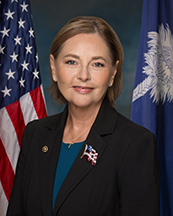
Darline Graham
82% support rate
Top opponent
Rick Scott
19% support rate
Ranked legislators
10
5 support · 5 oppose
Key legislators

Who's moving healthcare in United States

Legislators moving healthcare in United States
Legislator Party Stance Support rate Decisive votes
Darline Graham
Darline Graham Senate
R
Strong +
82% 11
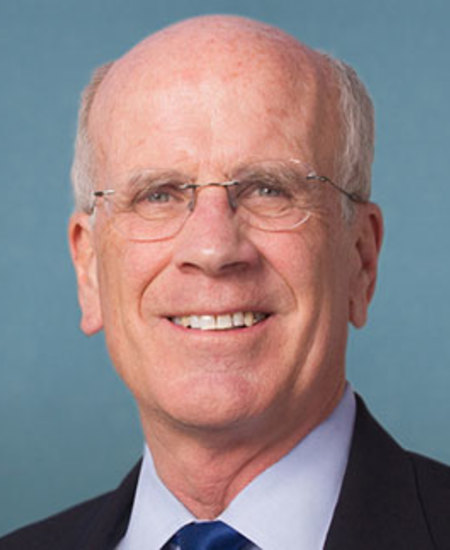
Peter Welch
Peter Welch Senate
D
Strong +
81% 27
Ron Wyden
Ron Wyden Senate
D
Support
78% 27
Alex Padilla
Alex Padilla Senate
D
Support
77% 26
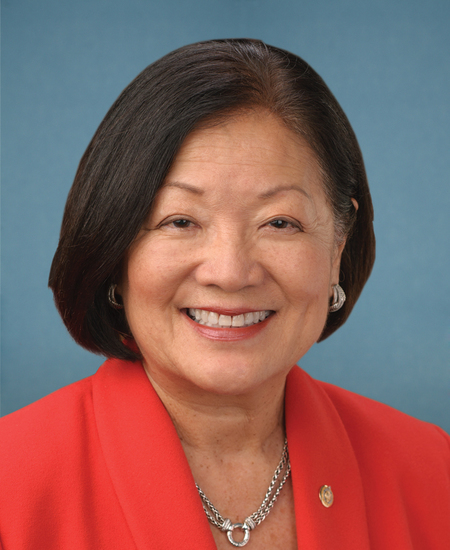
Mazie K. Hirono
Mazie K. Hirono Senate
D
Support
74% 27
Rick Scott
Rick Scott Senate
R
Strong −
19% 27
Ashley Moody
Ashley Moody Senate
R
Oppose
22% 27
Rand Paul
Rand Paul Senate
R
Oppose
22% 27
Brad Knott
Brad Knott House · District 13
R
Oppose
28% 18
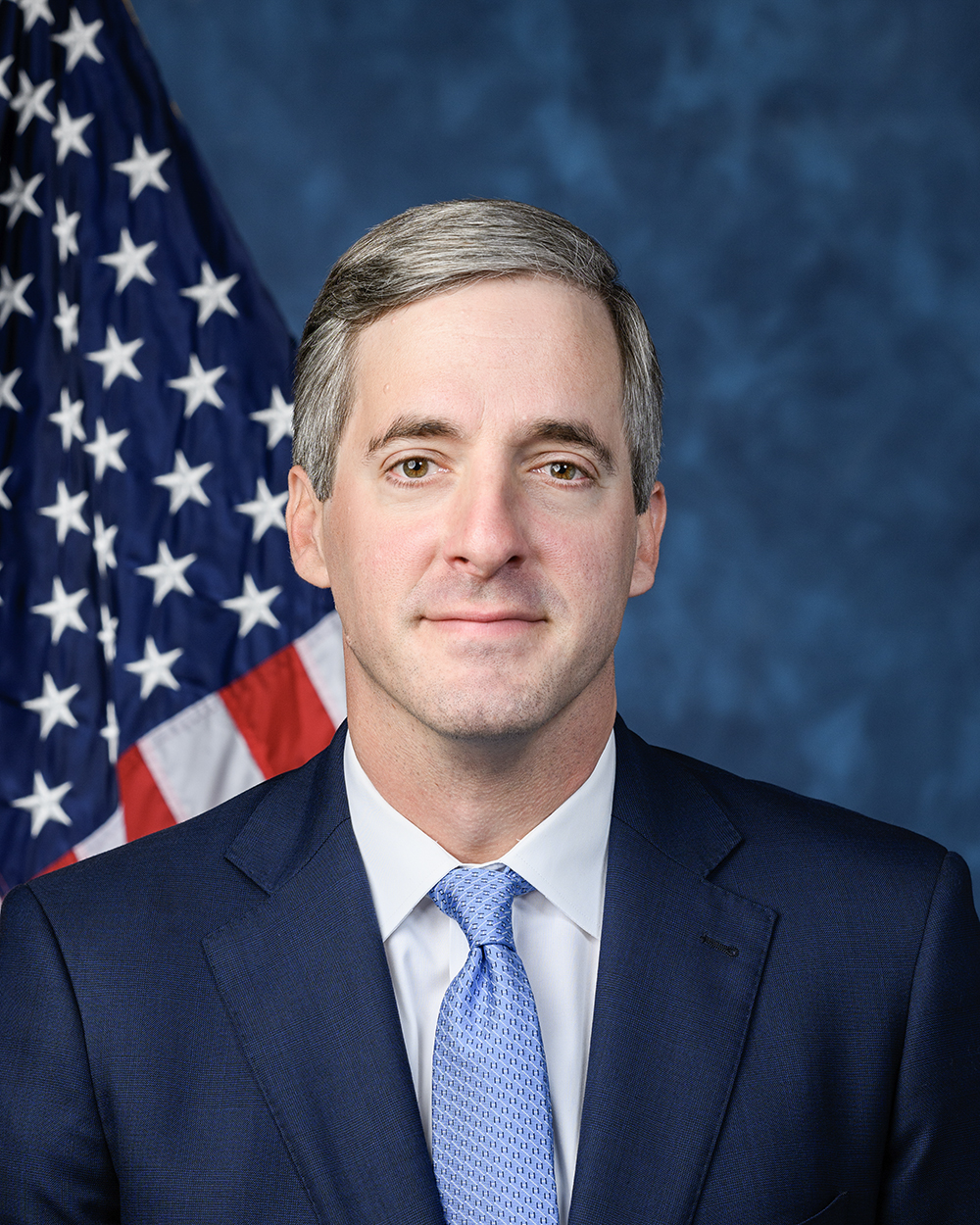
Pat Harrigan
Pat Harrigan House · District 10
R
Oppose
28% 18
Showing 1,561–1,570 of 3,230 bills

All healthcare bills

in committee · United States · House Jun 5, 2025

HR 3778: PEAKS Act

The PEAKS Act (HR 3778) modifies rules for critical access hospitals (CAHs) in mountainous or remote areas with limited road access. It changes ambulance service fee schedules to use a 15-mile drive limit (instead of 35 miles) in such locations, aligning with terrain challenges. The bill also allows CAHs that met the 15-mile distance requirement at their last certification to be deemed compliant through 2025, provided they have a new facility 10-15 miles away. These changes, effective January 1, 2026, aim to help CAHs maintain their status and funding eligibility. Regulations must be issued within one year of enactment.
Sub-Topics Hospitals
passed · United States · House May 20, 2026

HR 3726: Fisher House Availability Act of 2026

This bill expands access to Fisher Houses - temporary lodging near VA medical facilities - for veterans receiving care at non-VA locations who travel significant distances, and for family members providing support during treatment. It adds specific rules allowing these groups to use available space in Fisher Houses on a space-available basis, without changing existing funding or facility construction. Fisher Houses are privately donated facilities managed by the Fisher House Foundation and located near VA medical centers. The bill clarifies eligibility under current VA lodging programs but does not create new housing or alter costs.
in committee · United States · House Feb 27, 2025

HR 1683: Protecting Rural Seniors’ Access to Care Act

HR 1683 blocks the implementation of a new federal staffing rule for nursing homes (published May 2024) and creates an advisory panel focused on rural nursing home workforce challenges. The bill directly affects rural skilled nursing facilities and seniors who rely on care in these facilities by halting the rule and requiring the panel to assess staffing shortages in rural and underserved areas. The panel, composed of 17 members including rural representatives from nursing staff, facilities, and state boards, must report within 60 days on workforce barriers and recommend solutions to reduce regulatory burdens. Subsequent annual reports will track progress on strengthening the nursing home workforce, particularly in rural communities.
in committee · United States · House Aug 13, 2025

HR 4961: Public Utility Remediation and Enhancement for Water Act

HR 4961, the Public Utility Remediation and Enhancement for Water Act, creates a federal grant program to help municipal water systems address harmful chemicals like PFAS (perfluoroalkyl substances) in drinking water. The bill authorizes $200 million annually (2026-2028) to fund 75% of costs for planning, building, or upgrading treatment systems to prevent or treat these emerging contaminants. It directly affects publicly owned water treatment facilities by providing financial support to comply with federal water pollution standards for these chemicals. The program requires states to manage grants similarly to existing water fund programs, with non-federal funds covering the remaining 25% through local or private sources.
in committee · United States · House May 29, 2025

HR 3655: STAR Plus Scholarship Act

HR 3655, the STAR Plus Scholarship Act, creates a federal scholarship program to address shortages in mental health and substance use disorder treatment workforces. It provides tuition and educational expense coverage to students enrolled in approved programs leading to careers as psychiatrists, social workers, addiction counselors, or other mental health professionals. In exchange, recipients must work full-time in designated mental health professional shortage areas or counties with high overdose death rates for one year per scholarship year. The program authorizes $75 million annually (2026-2030) and prioritizes applicants from underrepresented groups or those likely to continue serving in shortage areas after their obligation ends.
in committee · United States · House May 23, 2025

HR 3594: Gold Star Spouses Health Care Enhancement Act

The Gold Star Spouses Health Care Enhancement Act removes a three-year waiting period that previously prevented surviving spouses of military members who died in the line of duty (known as Gold Star spouses) from immediately accessing TRICARE Prime medical and dental benefits. The bill amends existing law to eliminate this time limit, allowing these spouses to qualify for coverage without delay, regardless of when their military spouse died. This change applies retroactively to all affected spouses, even if the death occurred before the bill's enactment. The legislation directly expands health care access for Gold Star spouses by removing a key barrier to receiving military health benefits.
in committee · United States · House Feb 13, 2026

HR 7580: Nutrition First Act of 2026

The Nutrition First Act of 2026 amends the Food and Nutrition Act of 2008 to redefine "eligible food" for programs like SNAP and WIC. It excludes sugar-sweetened beverages (like soda), most candies, high-sugar desserts, and energy drinks from qualifying, while allowing milk-based drinks, high-juice beverages, and some prepared foods. This directly affects participants in federal nutrition assistance programs by changing which foods count toward their benefits. The bill specifies exact exclusions (e.g., beverages where sugar is listed as a top ingredient) and exceptions (e.g., milk drinks or products requiring preparation). It takes effect 180 days after enactment, modifying existing program rules without creating new benefits.
in committee · United States · House May 21, 2025

HR 3546: Prescription Drug Price Relief Act of 2025

HR 3546, the Prescription Drug Price Relief Act of 2025, directs the Secretary of Health and Human Services to determine if brand-name drug prices are "excessive" by comparing U.S. prices to median prices in Canada, the UK, Germany, France, and Japan, or by evaluating factors like patient population size, drug value, and R&D costs. If a price is deemed excessive, the bill automatically voids the manufacturer’s government-granted drug exclusivity (like patent protections) and allows any company to produce generic versions using the original drug data. New manufacturers must pay a reasonable royalty (capped at IRS average rates for pharma) and sell the drug at a price below the "excessive" level. The bill also requires drug manufacturers to submit detailed annual pricing reports with penalties for non-compliance and creates a public database tracking all excessive price determinations and licensing activity.
Sub-Topics Prescription Drugs
in committee · United States · House Jan 28, 2025

HR 779: Stop Sexually Violent Predators Act

This bill requires states to submit annual lists of individuals convicted of sexually violent offenses and deemed "sexually dangerous" under existing law to the Attorney General. The Attorney General must then review these lists to determine if federal prosecution is warranted. It also blocks Medicaid and Medicare funding for these individuals (unless receiving involuntary treatment in a hospital or nursing facility), directly affecting their access to healthcare coverage. The law targets a specific subset of offenders already classified under current federal standards, with no broader changes to sentencing or general sex offender registration.
in committee · United States · House May 15, 2025

HR 3471: Certified Nursing Assistant Workforce Improvement Act

This bill changes the training requirements for certified nursing assistants (CNAs) in nursing and skilled nursing facilities. It requires the Health and Human Services Secretary to revise federal regulations so that registered nurses supervising CNA training need only 2 years of general nursing experience - not specifically in long-term care facilities. This change directly affects nursing facilities that train CNAs and the registered nurses who supervise that training. The key provision broadens the pool of eligible supervisors by removing the prior requirement for long-term care experience, making it easier for facilities to meet training needs.
Showing 1,561 to 1,570 of 3,230 bills