Issue · Healthcare

Healthcare

Every healthcare bill, vote, and legislator stance in United States, automatically classified by Maddy, our AI policy reader.

Total bills
240
119th Congress
Top supporter
Darline Graham
100% support rate
Top opponent
Ashley Moody
18% support rate
Ranked legislators
10
5 support · 5 oppose
Key legislators

Who's moving healthcare in United States

Legislators moving healthcare in United States
Legislator Party Stance Support rate Decisive votes
Darline Graham
Darline Graham Senate
R
Strong +
100% 6
AA
Alan Armstrong Senate
R
Strong +
88% 8
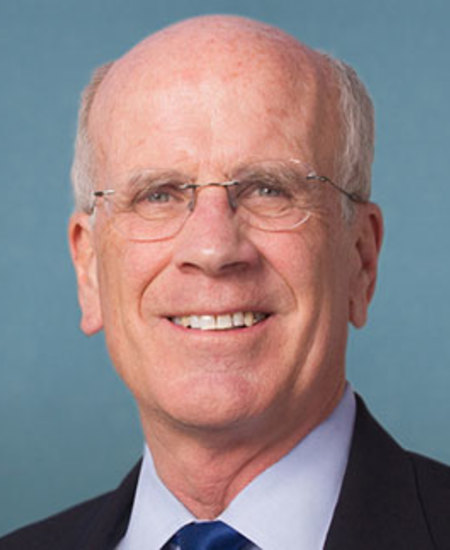
Peter Welch
Peter Welch Senate
D
Strong +
82% 22
Ron Wyden
Ron Wyden Senate
D
Support
77% 22
Alex Padilla
Alex Padilla Senate
D
Support
76% 21
Ashley Moody
Ashley Moody Senate
R
Strong −
18% 22
Rick Scott
Rick Scott Senate
R
Strong −
18% 22
Rand Paul
Rand Paul Senate
R
Oppose
23% 22
Brad Knott
Brad Knott House · District 13
R
Oppose
28% 18
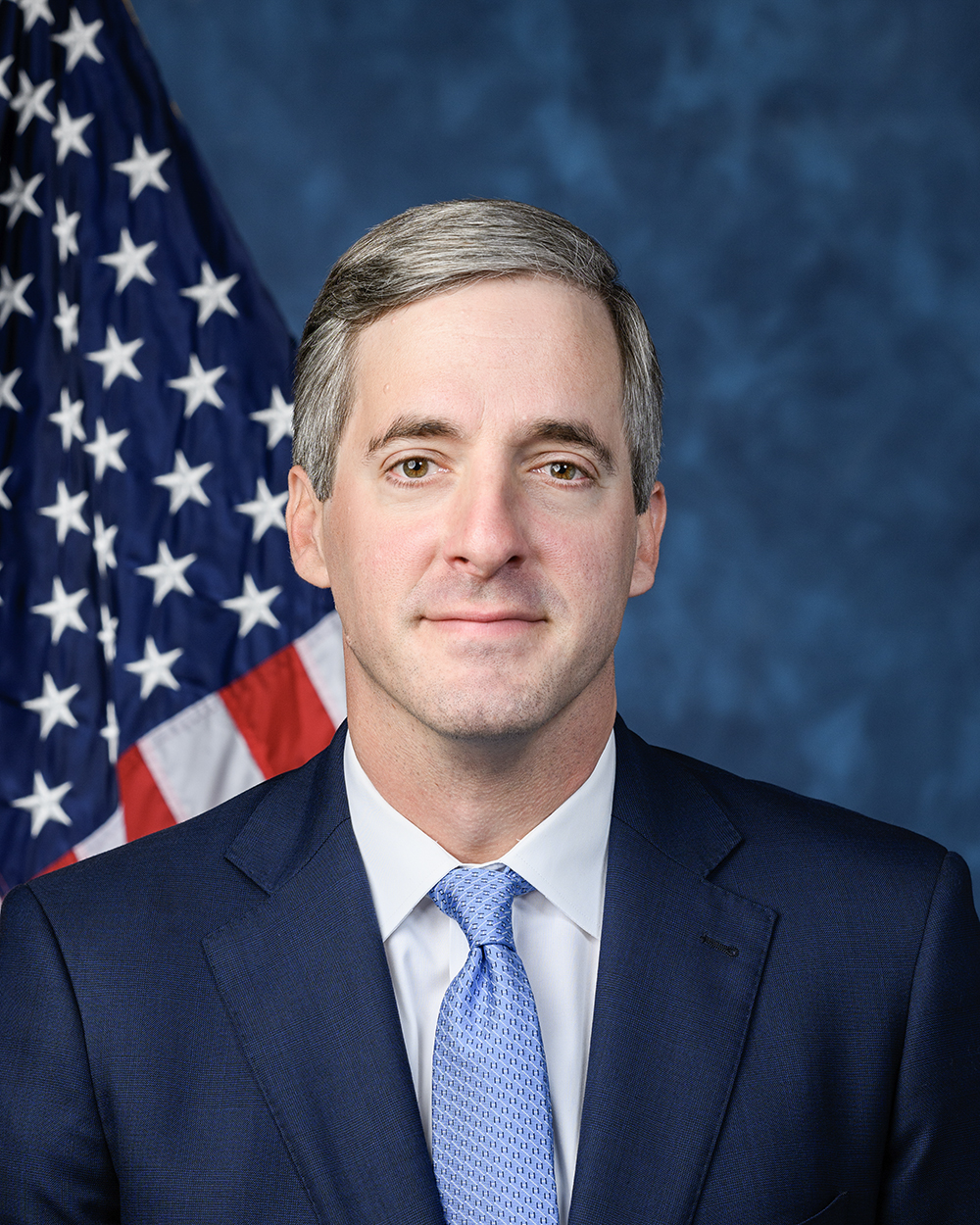
Pat Harrigan
Pat Harrigan House · District 10
R
Oppose
28% 18
Showing 141–150 of 240 bills

All healthcare bills

in committee · United States · House Jan 23, 2025

HR 682: Heartbeat Protection Act of 2025

HR 682, the Heartbeat Protection Act of 2025, prohibits physicians from performing abortions without first checking for a detectable fetal heartbeat according to standard medical practice and informing the patient of the results. It directly affects physicians and clinics performing abortions, requiring them to document heartbeat checks and comply with strict exceptions for life-threatening conditions, rape (with 48-hour documentation of counseling/treatment), or incest involving minors (with proof of prior report to authorities). Violations could result in fines or up to five years in prison, though the bill explicitly states it does not create or recognize a right to abortion. The law adds detailed documentation requirements for exceptions and mandates retention of medical records per federal health privacy rules.
Sub-Topics Women's Health
in committee · United States · House Jul 15, 2026

HR 7651: Chloe Cole Act of 2026

HR 7651, the Chloe Cole Act of 2026, prohibits healthcare providers from performing certain medical interventions on minors under 18 aimed at altering physical development to align with gender identity. These "covered interventions" include puberty blockers, hormone treatments, and specific surgeries, but exclude medically necessary care for conditions like disorders of sexual development or traumatic injuries. The bill creates a federal civil lawsuit right for affected minors or their parents against providers who perform such interventions, allowing claims for damages including emotional distress and punitive awards, with strict liability for providers after the law's enactment. It explicitly allows exceptions for legitimate medical treatments and requires providers to prove such exceptions apply if challenged.
in committee · United States · House Jan 2, 2026

HR 6937: End H-1B Now Act

This bill would gradually phase out the H-1B visa program, reducing annual caps from 10,000 in fiscal year 2026 to zero by 2035. It eliminates H-1B eligibility for fashion models, requires applicants to maintain foreign residence, and restricts specialty occupation visas to only physicians, surgeons, and nurses. Additionally, the bill prohibits Medicare funding for medical residency programs training foreign nationals. These changes directly affect foreign workers seeking H-1B visas, employers who sponsor them, and healthcare training programs receiving federal funding.
Sub-Topics Medicare Enforcement
in committee · United States · House Nov 20, 2025

HR 6191: No Taxpayer Funded Abortion Travel for Illegal Aliens Act

This bill prohibits federal funds from being used to cover any abortion-related expenses for individuals classified as "illegal aliens" under immigration law. It specifically blocks taxpayer money from paying for travel, lodging, meals, childcare, translation, doula care, or patient education services connected to abortion access. The law directly affects non-citizens who are inadmissible or deportable under specific immigration statutes (as defined in the Immigration and Nationality Act). It applies to all federal programs and funds, restricting assistance for abortion services beyond the procedure itself.
Sub-Topics Women's Health
signed · United States · Senate Jul 16, 2025

S 331: HALT Fentanyl Act

Halt All Lethal Trafficking of Fentanyl Act or the HALT Fentanyl Act This act permanently places fentanyl-related substances as a class into schedule I of the Controlled Substances Act. A schedule I controlled substance is a drug, substance, or chemical that has a high potential for abuse; has no currently accepted medical value; and is subject to regulatory controls and administrative, civil, and criminal penalties under the Controlled Substances Act. Under the act, offenses involving fentanyl-related substances are triggered by the same quantity thresholds and subject to the same penalties as offenses involving fentanyl analogues (e.g., offenses involving 100 grams or more trigger a 10-year mandatory minimum prison term). Additionally, the act establishes a new, alternative registration process for certain schedule I research. The act also makes several other changes to registration requirements for conducting research with controlled substances, including permitting a single registration for related research sites in certain circumstances, waiving the requirement for a new inspection in certain situations, and allowing a registered researcher to perform certain manufacturing activities with small quantities of a substance without obtaining a manufacturing registration. Finally, the act expresses the sense that Congress agrees with the interpretation of the Controlled Substances Act in United States v. McCray , a 2018 case decided by the U.S. District Court for the Western District of New York. In that case, the court held that butyryl fentanyl, a controlled substance, can be considered an analogue of fentanyl even though, under the Controlled Substances Act, the term controlled substance analogue specifically excludes a controlled substance.
in committee · United States · Senate Mar 12, 2025

S 987: Protecting Life and Integrity in Research Act of 2025

This bill prohibits federal agencies from funding, supporting, or conducting research using human fetal tissue obtained from induced abortions. It allows federal research on tissue from miscarriages or stillbirths (defined as loss before 20 weeks or at 20+ weeks, respectively) and permits development of new cell lines not derived from abortion tissue. The bill amends the Public Health Service Act to restrict permissible tissue sources to miscarriage/stillbirth and revises definitions accordingly. It also repeals a prior provision allowing research on abortion-derived tissue and adds new restrictions on soliciting or accepting such tissue.
in committee · United States · House Jan 21, 2025

HR 584: No Medicaid for Illegal Immigrants Act of 2025

HR 584, the "No Medicaid for Illegal Immigrants Act of 2025," would amend the Social Security Act to prohibit states from providing Medicaid coverage to non-citizens who are not lawfully admitted for permanent residence or permanently residing in the U.S. under legal status. This bill directly affects undocumented immigrants who currently qualify for Medicaid in some states. The key provision inserts a new requirement that states cannot offer Medicaid benefits (except for specific emergency care) to these individuals under any state Medicaid plan or waiver. The change would prevent federal Medicaid funding from being used for this group, effectively eliminating their eligibility.
in committee · United States · Senate Mar 14, 2025

S 1082: Safeguarding Medicaid Act

The Safeguarding Medicaid Act (S 1082) requires all Medicaid applicants and recipients in every state and territory to undergo an asset test, removing previous exemptions for people who are aged, blind, or disabled. It sets the resource limit for eligibility at the same level used for Supplemental Security Income (SSI) benefits, meaning individuals with assets above this threshold would be ineligible for Medicaid. The bill also mandates states to implement electronic asset verification systems within one year of enactment and report annually on the number of asset checks conducted during eligibility renewals and new applications. This affects all Medicaid applicants and recipients nationwide, with states required to track and report savings from these verification efforts to the federal government.
Sub-Topics Medicaid Medicare
in committee · United States · House Jan 21, 2026

HR 7177: Protecting Girls with Turner Syndrome Act of 2026

HR 7177, the Protecting Girls with Turner Syndrome Act of 2026, prohibits abortions performed specifically because of a prenatal diagnosis or test result indicating Turner syndrome (a chromosomal condition involving missing or partially missing X chromosomes). It requires healthcare providers to ask pregnant women about such diagnoses before performing abortions and to inform them of the prohibition. Violations could lead to criminal penalties (up to 5 years in prison) or civil lawsuits allowing affected parties - such as the woman, father, or maternal grandparent - to seek damages, including punitive awards. The bill also mandates privacy protections for women involved in such cases and requires medical professionals to report suspected violations.
in committee · United States · Senate May 6, 2025

S 1631: Restoring Safeguards for Dangerous Abortion Drugs Act

This bill would require the FDA to replace current regulations for mifepristone (the drug sold as Mifeprex) with the 2011 risk management plan, reversing recent changes. It bans the importation of mifepristone into the U.S. (including by mail) and creates a federal civil liability for entities that illegally import or transport the drug, allowing individuals harmed by the drug to sue for damages. The law directly affects drug manufacturers, importers, telehealth providers, and pharmacies that handle mifepristone, and would make it illegal to import the drug regardless of state laws. It does not change how the drug is prescribed or dispensed within the U.S. but targets its importation and imposes new legal consequences for violations.
Showing 141 to 150 of 240 bills
Previous 1 … 14 15 16 … 24 Next