Issue · Healthcare

Healthcare

Every healthcare bill, vote, and legislator stance in United States, automatically classified by Maddy, our AI policy reader.

Total bills
3,230
119th Congress
Top supporter
Darline Graham
82% support rate
Top opponent
Rick Scott
19% support rate
Ranked legislators
10
5 support · 5 oppose
Key legislators

Who's moving healthcare in United States

Legislators moving healthcare in United States
Legislator Party Stance Support rate Decisive votes
Darline Graham
Darline Graham Senate
R
Strong +
82% 11
Peter Welch
Peter Welch Senate
D
Strong +
81% 27
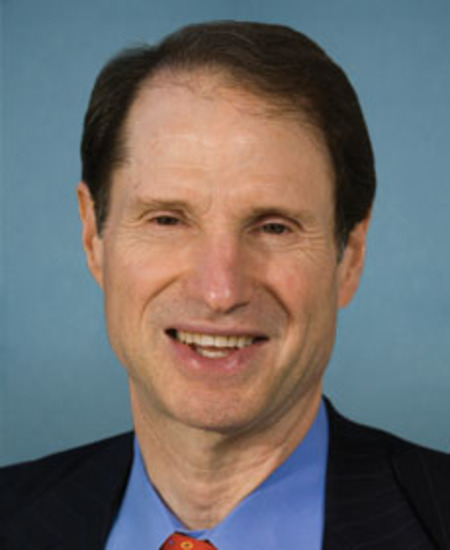
Ron Wyden
Ron Wyden Senate
D
Support
78% 27
Alex Padilla
Alex Padilla Senate
D
Support
77% 26
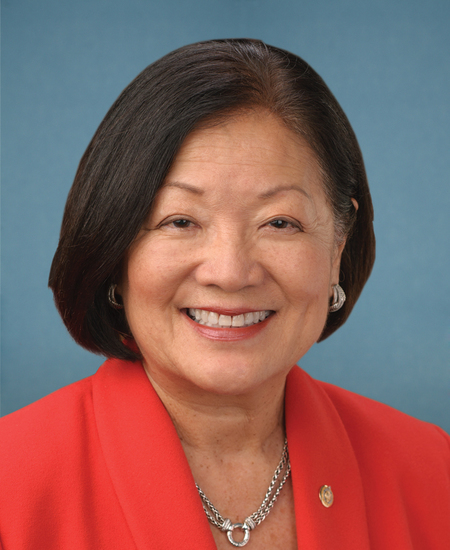
Mazie K. Hirono
Mazie K. Hirono Senate
D
Support
74% 27
Rick Scott
Rick Scott Senate
R
Strong −
19% 27
Ashley Moody
Ashley Moody Senate
R
Oppose
22% 27
Rand Paul
Rand Paul Senate
R
Oppose
22% 27
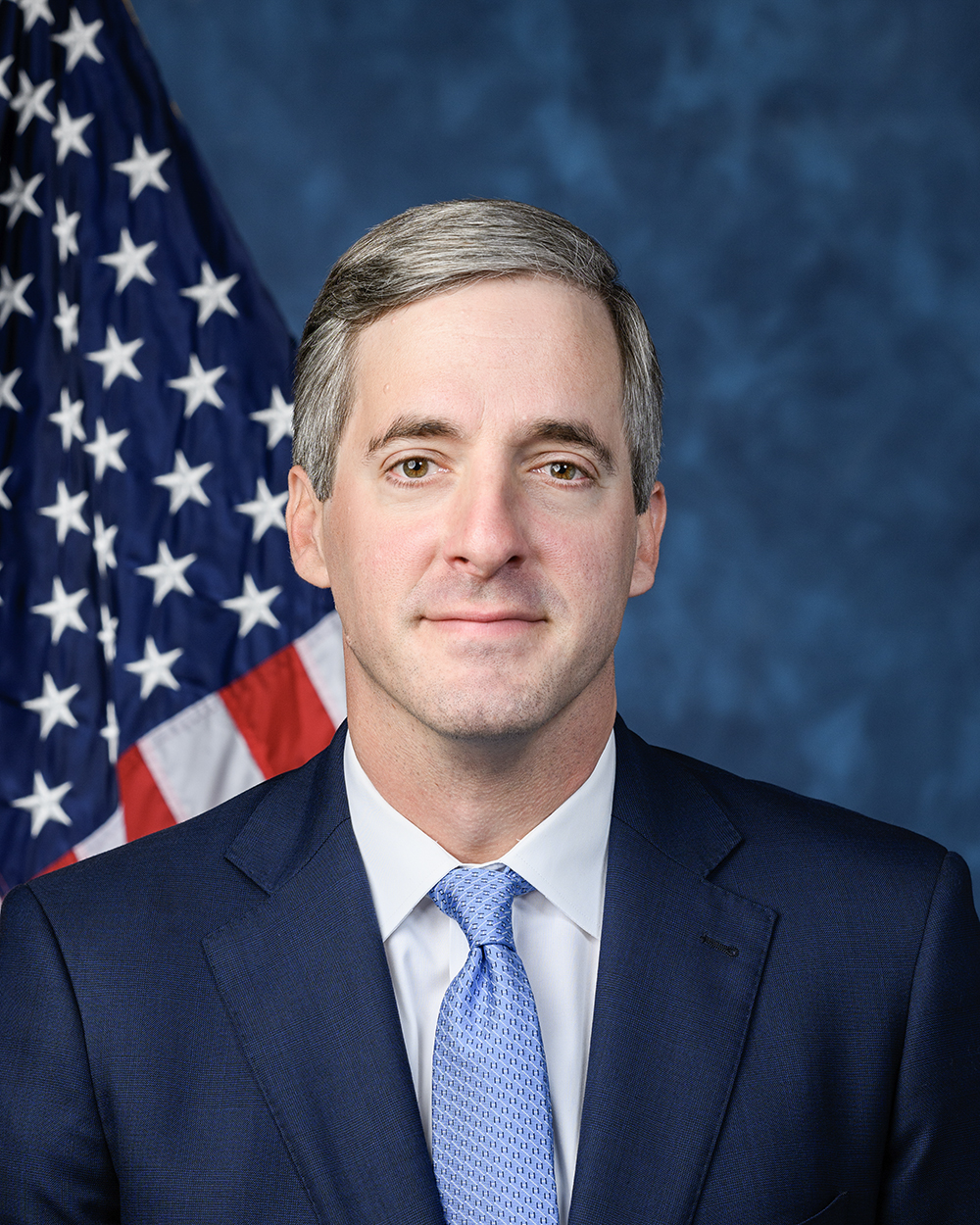
Brad Knott
Brad Knott House · District 13
R
Oppose
28% 18
Pat Harrigan
Pat Harrigan House · District 10
R
Oppose
28% 18
Showing 1,451–1,460 of 3,230 bills

All healthcare bills

in committee · United States · House Jul 23, 2025

HR 4681: SPARC Act

The SPARC Act (HR 4681) creates a federal loan repayment program for specialty physicians and non-physician health care providers (like nurse practitioners) who commit to working in rural areas with shortages of these specialists. It covers up to $250,000 in repayment for eligible education loans (including federal student loans) over a 6-year service commitment in designated rural communities. Providers must work full-time without gaps exceeding one year, and non-physician providers are limited to 15% of annual funding. The program requires annual reports to Congress on provider locations and impact, while preventing double benefits with other federal loan forgiveness programs.
in committee · United States · House May 23, 2025

HR 3601: National ACERT Grant Program Authorization Act

This bill authorizes a new federal grant program to help communities address children's exposure to trauma. It provides $10 million annually (2026-2029) for grants to states, local governments, tribes, and community groups to establish "adverse childhood experiences response teams." These teams would coordinate services by creating trauma-informed protocols, building partnerships with mental health providers, training first responders, and improving access to care for affected children. The program focuses on cross-system collaboration between law enforcement, schools, health services, and social programs to support children exposed to trauma.
in committee · United States · House Mar 14, 2025

HR 2120: ROCR Value Based Program Act

Radiation Oncology Case Rate Value Based Program Act of 2025 or the ROCR Value Based Program Act This bill establishes a specialized payment program under Medicare for providers and suppliers of radiation oncology services.  Specifically, the Centers for Medicare & Medicaid Services (CMS) must establish a program under which radiation therapy providers (i.e., hospital outpatient departments) and suppliers (i.e., physician group practices and freestanding radiation therapy centers) receive payments for each episode of care provided to individuals with specified types of cancer. An episode of care  means the period beginning on the day radiation therapy planning is furnished to the individual and ending (1) for individuals with bone or brain metastases, 30 days later; and (2) for individuals with other cancer types, 90 days later. Participation in the program is mandatory for providers and suppliers that participate in Medicare, unless the provider or supplier is part of a state-based Center for Medicare & Medicaid Innovation model or qualifies for a significant hardship exemption. The CMS must set payment rates for the program based on national payment rates with specified adjustments (e.g., geographic adjustments). Providers and suppliers who provide certain transportation services for individuals under their care may receive an additional payment. Providers and suppliers must be accredited in accordance with certain standards, subject to payment reductions. The Government Accountability Office must report on (1) implementation of the program, and (2) underserved areas that are in need of more or newer radiation therapy resources.
in committee · United States · House Mar 24, 2025

HR 2304: Ensuring Access to Affordable and Quality Home Care for Seniors and People with Disabilities Act

This bill clarifies and preserves existing labor law exemptions for home care workers under the Fair Labor Standards Act. It specifically defines "companionship services" to include non-medical in-home care (like bathing, meal prep, and medication reminders) and ensures these services remain exempt from overtime pay requirements, even when provided through third-party agencies. The bill directly affects home care aides, agencies employing them, and the seniors/disabled individuals receiving care. It does not create new benefits or funding but maintains current labor exemptions for this workforce.
in committee · United States · House Sep 30, 2025

HR 5646: Restoring Safeguards for Dangerous Abortion Drugs Act

This bill requires the FDA to reinstate the 2011 safety program for mifepristone (the drug sold as Mifeprex) and bans its importation into the U.S. It creates federal liability for harm caused by illegal importers of the drug, allowing lawsuits for bodily injury or mental health harm resulting from unauthorized importation. The law applies specifically to telehealth providers, pharmacies, or others who knowingly import mifepristone across state lines. It takes effect 90 days after enactment.
in committee · United States · House Jul 23, 2025

HR 4742: GIVE MILK Act

HR 4742, the GIVE MILK Act, amends the WIC program to allow participants (low-income pregnant women, infants, and children) to choose their milk type - nonfat, low-fat, reduced fat, or whole milk - instead of receiving a default type. This change directly affects WIC recipients by giving them flexibility to align milk choices with medical guidelines, such as whole milk for children 12-24 months and low-fat/skim for older children. The bill requires the USDA to implement this election process by updating regulations, ensuring participants receive the milk type they select. It aims to support children’s nutritional needs by making dairy options more accessible based on established dietary recommendations.
Sub-Topics Children's Health
in committee · United States · House Jun 12, 2025

HR 3955: RAPID Reserve Act

The RAPID Reserve Act creates a federal program requiring drug manufacturers to maintain 6-month reserves of critical medicines with vulnerable supply chains - such as those concentrated in single regions or with few producers. Eligible manufacturers (with FDA-registered facilities and strong quality records) must store these reserves domestically or in OECD countries and share them during emergencies, like shortages or public health crises. The program prioritizes domestic production, allocates $500 million for fiscal year 2026, and mandates HHS to publish a list of covered drugs and report on the program’s effectiveness. It directly affects drug manufacturers and distributors selected to participate in the reserve system.
in committee · United States · House Mar 11, 2025

HR 2029: Stop Comstock Act

HR 2029, the "Stop Comstock Act," amends federal obscenity laws to remove outdated restrictions on abortion and contraception. It deletes references to "indecent" materials and abortion-related language from Title 18 (e.g., removing "or means for procuring abortion" from section 552 and revising definitions in sections 1461 and 1462). The bill clarifies that federal law does not prohibit the distribution of materials related to abortion or contraceptives, updating how "obscene" is defined. These changes directly affect federal enforcement of obscenity laws, particularly regarding medical information and devices. The bill focuses on modernizing statutory language to align with current legal standards for protected speech and healthcare access.
Sub-Topics Women's Health
in committee · United States · House Mar 11, 2025

HR 2083: Veterans First Act of 2025

HR 2083, the Veterans First Act of 2025, redirects $2 billion from unobligated USAID funds to the Department of Veterans Affairs. This funding provides grants to states for constructing, remodeling, or modifying state-run nursing homes and domiciliary facilities that care for veterans. The bill directly affects veterans receiving care in these state facilities and the states operating them. Key provisions include permanently rescinding $2 billion from USAID and appropriating it specifically for physical infrastructure improvements at veteran care facilities under federal authorization.
in committee · United States · House May 4, 2026

HR 3863: VA Mental Health Outreach and Engagement Act

This bill requires the VA to offer veterans receiving disability compensation for service-connected mental health conditions at least one annual mental health consultation to assess needs and discuss care options. It also mandates VA outreach about available mental health services, including the consultations themselves. The law adds a requirement for the VA to conduct this annual outreach, directly affecting veterans already receiving such disability benefits. A separate provision directs the GAO to report within two years on how many veterans received these consultations and any barriers they faced.
Showing 1,451 to 1,460 of 3,230 bills