Issue · Healthcare

Healthcare

Every healthcare bill, vote, and legislator stance in United States, automatically classified by Maddy, our AI policy reader.

Total bills
3,150
119th Congress
Top supporter
Darline Graham
82% support rate
Top opponent
Rick Scott
19% support rate
Ranked legislators
10
5 support · 5 oppose
Key legislators

Who's moving healthcare in United States

Legislators moving healthcare in United States
Legislator Party Stance Support rate Decisive votes
Darline Graham
Darline Graham Senate
R
Strong +
82% 11
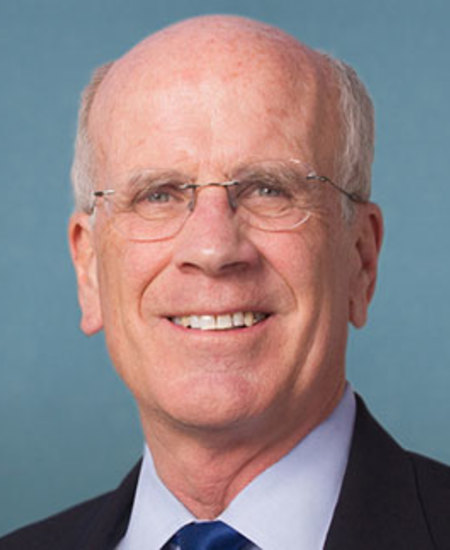
Peter Welch
Peter Welch Senate
D
Strong +
81% 27
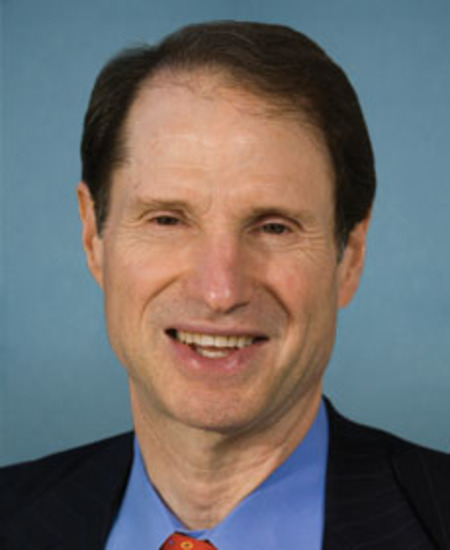
Ron Wyden
Ron Wyden Senate
D
Support
78% 27
Alex Padilla
Alex Padilla Senate
D
Support
77% 26
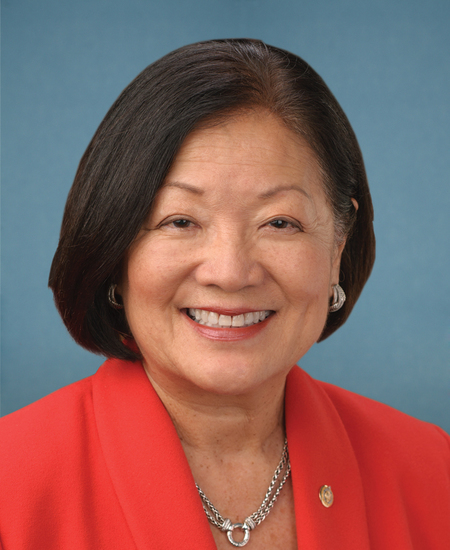
Mazie K. Hirono
Mazie K. Hirono Senate
D
Support
74% 27
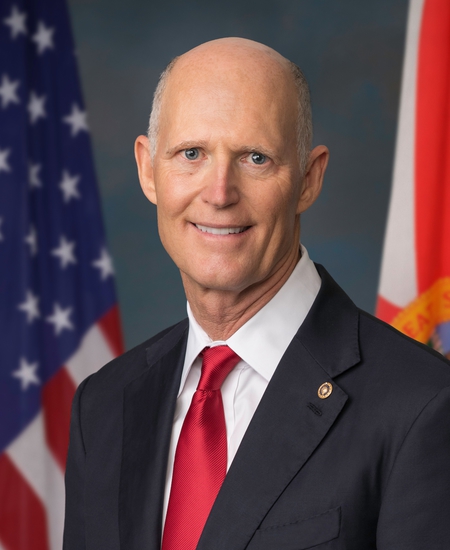
Rick Scott
Rick Scott Senate
R
Strong −
19% 27
Ashley Moody
Ashley Moody Senate
R
Oppose
22% 27
Rand Paul
Rand Paul Senate
R
Oppose
22% 27
Brad Knott
Brad Knott House · District 13
R
Oppose
28% 18
Pat Harrigan
Pat Harrigan House · District 10
R
Oppose
28% 18
Showing 1,231–1,240 of 3,150 bills

All healthcare bills

in committee · United States · House Feb 26, 2025

HR 1639: BOAT Act

HR 1639, the BOAT Act, makes it a federal crime to perform an abortion resulting in fetal death on U.S. ships or in U.S. waters (admiralty jurisdiction), punishable by up to 5 years in prison. The law includes exceptions for abortions necessary to save a pregnant woman's life (including pregnancy-related conditions), abortions following adult rape (requiring 48-hour counseling or medical treatment), or abortions following rape/incest involving minors (requiring prior reporting to authorities). It also creates civil lawsuits allowing women who had abortions in violation of the law to seek triple the abortion cost, medical damages, and attorney fees. The bill directly affects healthcare providers performing abortions on U.S. vessels or in U.S. waters and the women receiving such care.
Sub-Topics Women's Health
in committee · United States · House Jan 28, 2025

HR 797: Ultrasounds Save Lives Act of 2025

HR 797, the Ultrasounds Save Lives Act of 2025, requires abortion providers to perform an ultrasound before an abortion (except in medical emergencies) and share the results with the patient. It mandates a specific informed consent form detailing the fetus's gestational age, medical risks, developmental stage (including heartbeat and organ development), and provider penalties for non-compliance. Violations trigger civil penalties of $100,000-$250,000 per incident, plus private lawsuits allowing patients to seek triple the abortion cost in damages. The law applies to licensed medical providers and those legally authorized to perform abortions, with exceptions only when ultrasound poses a direct risk to the patient's life or major bodily function.
Sub-Topics Women's Health
in committee · United States · House Jan 22, 2025

HR 629: Ending Chemical Abortions Act of 2025

HR 629, the "Ending Chemical Abortions Act of 2025," would criminalize the prescription, distribution, or sale of drugs used for chemical abortions (like mifepristone and misoprostol) under federal law, with penalties up to 25 years in prison. It directly affects healthcare providers who prescribe or dispense these drugs, while exempting contraceptive use before pregnancy, treatment of miscarriages, and life-threatening pregnancy conditions certified by a physician. The bill defines "abortion" as intentionally ending a pregnancy, excludes women from prosecution, and redefines "unborn child" to begin at fertilization. This legislation would replace existing federal abortion-related provisions and apply nationwide, making chemical abortion drugs subject to new criminal penalties.
in committee · United States · House Mar 20, 2025

HR 1452: Ending the Cycle of Dependency Act of 2025

This bill would change work requirements for food stamp benefits (SNAP) and establish new work requirements for Medicaid. For SNAP, it removes exemptions for people over 60 and adds exemptions for children under 6. For Medicaid, it requires adults to work 80 hours per month, do community service, or join a work program to maintain coverage, with exemptions for pregnant people, caregivers of young children, students, and others. States could stop Medicaid benefits for individuals who fail to meet this requirement for three consecutive months.
Sub-Topics Medicaid
in committee · United States · House Feb 24, 2026

HR 1957: End Veteran Homelessness Act of 2025

End Veteran Homelessness Act of 2025 This bill requires the Department of Veterans Affairs (VA) to furnish case management to certain veterans who are eligible for the HUD-Veterans Affairs Supportive Housing (HUD-VASH) program administered by the Department of Housing and Urban Development (HUD) and the VA. Specifically, the VA must furnish case management to veterans who are eligible for HUD-VASH that the VA determines require case management. The VA must prioritize vulnerable homeless veterans in assigning case managers and providing services. The VA must take certain actions if a veteran refuses case management. HUD or a public housing authority may not revoke assistance solely on the basis that a veteran has refused case management. Additionally, a veteran may not be evicted or penalized by the owner of a property solely on the basis that they have refused case management or cannot be provided case management for health and safety reasons. The Government Accountability Office must report to Congress on veterans who are served by the HUD-VASH program, case managers and case management services provided under the program, and metrics about housing stability for veterans participating in federal housing assistance programs. The bill also provides statutory authority to expand eligibility for the HUD-VASH program to any veteran who is homeless, at risk of homelessness, or receiving assistance under another housing assistance program if the VA determines a voucher under HUD-VASH is more appropriate. (Currently, assistance is statutorily limited to certain veterans who have chronic mental illness or substance use disorders.)
in committee · United States · House Feb 7, 2025

HR 1120: Abolish the Fogarty International Center Act of 2025

This bill would abolish the Fogarty International Center for Advanced Study in the Health Sciences. If enacted, it would end the center's operations and funding, directly affecting its staff and ongoing international health research programs. The legislation specifically targets the elimination of this National Institutes of Health division without altering broader health research policies.
in committee · United States · House Feb 12, 2025

HR 1244: Reducing Drug Prices for Seniors Act

HR 1244, the "Reducing Drug Prices for Seniors Act," requires Medicare Part D plans to calculate coinsurance for covered drugs based on the plan's actual acquisition cost (the negotiated net price paid by the plan) rather than the drug's wholesale price, starting in 2026. This change directly affects Medicare Part D beneficiaries who pay coinsurance after meeting their deductible but before reaching the out-of-pocket threshold. The bill mandates that plans use the actual cost reported in the Detailed DIR Report, excluding certain drugs covered under specific exceptions. This policy aims to lower out-of-pocket costs for seniors by aligning coinsurance with the price the plan actually pays for medications.
Sub-Topics Medicare Prescription Drugs Tags Seniors
in committee · United States · House Feb 3, 2025

HR 136: Veteran Overmedication and Suicide Prevention Act of 2025

This bill requires the Department of Veterans Affairs (VA) to commission an independent review by the National Academies of Sciences, Engineering, and Medicine into the suicides and violent/accidental deaths of veterans treated by the VA during a five-year period ending in 2025. The review will analyze medication use (including drugs with serious safety warnings), treatment approaches for conditions like PTSD, mental health staffing levels, and data-sharing practices across VA facilities and state programs. It mandates a detailed report on findings, including patterns in overprescribing, effectiveness of non-medication treatments, and facility-specific prescription rates, to be submitted to Congress and made public within 30 days of completion. The bill directly affects veterans who died by suicide or violent/accidental death while receiving VA care during the specified period.
in committee · United States · House Jan 3, 2025

HR 182: Default Prevention Act

HR 182, the Default Prevention Act, establishes a priority system for paying U.S. government obligations when the national debt limit is reached. It requires the Treasury to first pay Tier I obligations (including Social Security, Medicare, and interest on public debt), then Tier II (defense and veterans benefits), followed by Tier III, Tier IV (federal employee pay and travel expenses), and finally Tier V (Congressional salaries), only if higher-tier payments can still be fully covered. The bill mandates weekly reports to Congress detailing payments made and unpaid across each tier. This directly affects beneficiaries of Social Security/Medicare, veterans, defense programs, federal employees, and Congress by defining which payments must be prioritized during a debt limit crisis.
Sub-Topics Medicare
in committee · United States · House Jan 23, 2025

HR 653: Protect Minors from Medical Malpractice Act of 2025

This bill allows minors injured by gender-transition procedures to sue medical practitioners for physical, psychological, or emotional harm, with a 30-year window from their 18th birthday to file. It applies only when the procedure involves interstate commerce (e.g., travel, payments, or communications across state lines). Additionally, the bill prohibits federal funding for states requiring medical providers to perform such procedures on minors, while clarifying that providers cannot be forced to conduct them. The law defines "gender-transition procedure" broadly but includes exceptions for intersex conditions, medical emergencies, or treating complications.
Showing 1,231 to 1,240 of 3,150 bills