Issue · Healthcare

Healthcare

Every healthcare bill, vote, and legislator stance in United States, automatically classified by Maddy, our AI policy reader.

Total bills
3,150
119th Congress
Top supporter
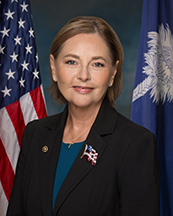
Darline Graham
82% support rate
Top opponent
Rick Scott
19% support rate
Ranked legislators
10
5 support · 5 oppose
Key legislators

Who's moving healthcare in United States

Legislators moving healthcare in United States
Legislator Party Stance Support rate Decisive votes
Darline Graham
Darline Graham Senate
R
Strong +
82% 11
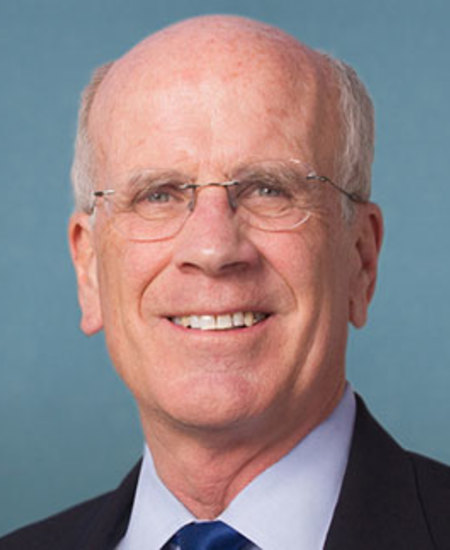
Peter Welch
Peter Welch Senate
D
Strong +
81% 27
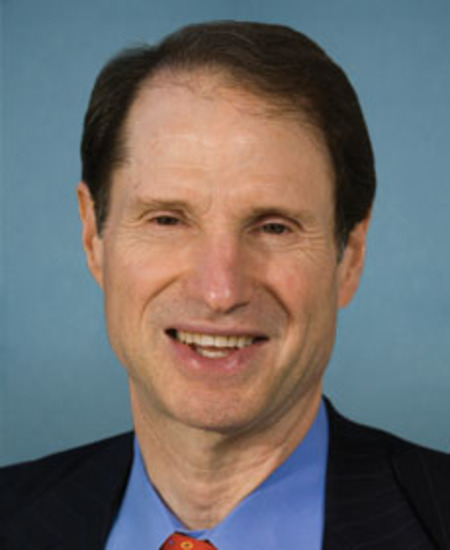
Ron Wyden
Ron Wyden Senate
D
Support
78% 27
Alex Padilla
Alex Padilla Senate
D
Support
77% 26
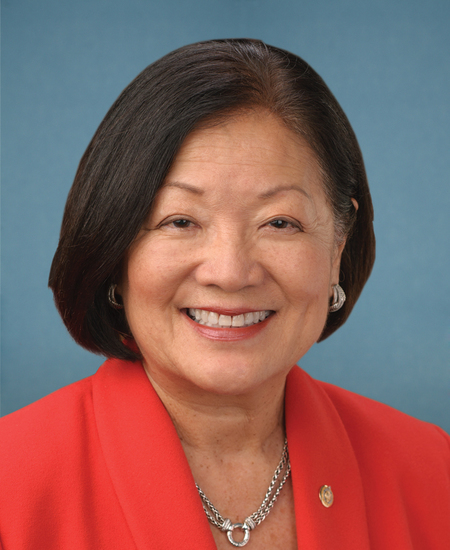
Mazie K. Hirono
Mazie K. Hirono Senate
D
Support
74% 27
Rick Scott
Rick Scott Senate
R
Strong −
19% 27
Ashley Moody
Ashley Moody Senate
R
Oppose
22% 27
Rand Paul
Rand Paul Senate
R
Oppose
22% 27
Brad Knott
Brad Knott House · District 13
R
Oppose
28% 18
Pat Harrigan
Pat Harrigan House · District 10
R
Oppose
28% 18
Showing 1,161–1,170 of 3,150 bills

All healthcare bills

in committee · United States · House Mar 17, 2026

HRES 1120: Supporting the recognition of March 14, 2026, as "Black Midwives Day" and the longstanding and invaluable contributions of Black midwives to maternal and infant health in the United States.

This resolution supports recognizing March 14, 2026, as Black Midwives Day to honor the contributions of Black midwives to maternal and infant health. It highlights the importance of midwifery in addressing maternal health disparities and the maternity care desert crisis affecting millions of women. The resolution calls for federal and state governments to take actions such as increasing funding for midwifery education, removing regulatory barriers, and expanding insurance coverage for midwifely care. It also encourages efforts to decriminalize midwifery practices and promote culturally competent care to improve health outcomes for Black mothers and infants.
in committee · United States · House Mar 17, 2026

HRES 1118: Expressing support for the designation of the third week of March as "National CACFP Week".

This resolution expresses support for designating the third week of March as National CACFP Week to raise awareness of the Child and Adult Care Food Program. The bill directly affects childcare centers, family daycare homes, emergency shelters, after-school programs, and adult daycare centers that provide meals to children and adults. It acknowledges the program's role in improving health outcomes and reducing costs for care providers while urging continued funding and administrative support for the initiative.
Tags Children
in committee · United States · House Mar 16, 2026

HRES 1117: Expressing support for the designation of March as "Multiple System Atrophy Awareness Month" to strengthen public awareness of this neurodegenerative disorder.

This resolution expresses support for designating March as Multiple System Atrophy Awareness Month to increase public understanding of this rare neurodegenerative disorder. The bill highlights that Multiple System Atrophy affects 25,000 to 75,000 Americans annually, causes symptoms like difficulty walking and speaking, and currently has no known cure or treatment. By raising awareness, the resolution aims to reduce misdiagnoses and encourage research funding to develop potential therapies for those affected.
in committee · United States · Senate Mar 17, 2026

SRES 646: A resolution recognizing March 14, 2026, as "Black Midwives Day" and the longstanding and invaluable contributions of Black midwives to maternal and infant health in the United States.

This resolution formally recognizes March 14, 2026, as Black Midwives Day to honor the contributions of Black midwives to maternal and infant health in the United States. It highlights the importance of midwifery in addressing gaps in healthcare access and reducing maternal mortality rates, which are disproportionately high among Black women. The bill encourages federal, state, and local governments to take actions such as diversifying the perinatal workforce, removing regulatory barriers for midwives, and expanding insurance coverage for midwifery services. It also calls for increased funding for education and mentorship programs to support Black midwives and promote culturally competent care.
in committee · United States · House Mar 19, 2026

HRES 1127: Expressing support for the designation of the week of March 22, 2026, through March 28, 2026, as "National Cleaning Week".

This resolution expresses support for designating the week of March 22 through March 28, 2026, as National Cleaning Week. It directly affects the cleaning industry, frontline workers, and the general public by formally recognizing the importance of routine cleaning for public health and safety. The bill highlights findings that proper cleaning reduces virus transmission and acknowledges the essential services provided by cleaning professionals in schools, hospitals, and workplaces. It does not create new laws or funding but serves as a symbolic gesture to promote awareness of hygiene practices.
Sub-Topics Public Health
in committee · United States · House Mar 19, 2026

HR 8000: END 7-OH Act

This bill proposes to add 7-hydroxymitragynine to Schedule I of the Controlled Substances Act, classifying it as a controlled substance. The legislation specifically excludes naturally occurring 7-hydroxymitragynine found in kratom plants from this classification while including synthetic versions. This change would require federal regulation of synthetic forms of the compound but would not affect kratom products containing the substance in its natural state. The bill directly impacts pharmaceutical manufacturers and synthetic drug producers who would need to comply with new federal scheduling requirements.
Sub-Topics Drug Policy
in committee · United States · House Apr 10, 2025

HR 2850: Youth Sports Facilities Act of 2025

HR 2850, the Youth Sports Facilities Act of 2025, amends the Public Works and Economic Development Act of 1965 to expand eligibility for federal grants to include youth sports facilities. It specifically requires these facilities to address sedentary lifestyles and obesity, prioritize low-income rural youth in underserved communities, and serve children lacking access to physical education spaces or living in areas with high opioid use or violence. The bill mandates that grant-funded projects must benefit highly rural communities with limited tax revenue and support economic development through youth sports infrastructure. It directly affects communities and children in rural, underserved, or high-risk areas by directing federal funding toward building or improving local sports facilities. The key mechanism is modifying existing grant criteria to prioritize these specific community needs through new eligibility requirements.
Sub-Topics Revenue Substance Abuse Tags Rural Communities
in committee · United States · House Nov 20, 2025

HR 6245: PLAY Act

The PLAY Act establishes a federal task force led by the Health and Human Services and Interior Departments to coordinate efforts improving access to safe, community-based play spaces for children under 18. The task force will identify barriers to playground access, develop recommendations for agencies to collaborate on child wellness infrastructure (like playgrounds and outdoor learning areas), and report findings to Congress within one year. It does not fund new playgrounds but focuses on interagency coordination and evidence-based strategies to promote physical activity and health through existing public lands and community spaces. This bill directly affects federal agencies with jurisdiction over public lands, parks, and community health programs.
Sub-Topics Children's Health
in committee · United States · House Apr 8, 2025

HR 2747: Healthy Affordable Housing Act

HR 2747, the Healthy Affordable Housing Act, creates a HUD grant and loan program to fund affordable housing developments in neighborhoods lacking such housing. It requires new or preserved affordable units to be located within one mile of at least two specific community amenities, such as health centers, grocery stores accepting food assistance, childcare providers, pharmacies, or public transit. The program authorizes $100 million annually (2025-2029) for eligible entities like local governments, tribes, or housing organizations, with preference given to projects near multiple required amenities. HUD must also conduct 10-year resident surveys to evaluate benefits of proximity to these amenities and report findings to Congress.
in committee · United States · House Feb 20, 2026

HR 7610: To amend the Internal Revenue Code of 1986 to establish a credit for adult child caregivers.

HR 7610 creates a new $2,000 annual tax credit for adult children who provide care to elderly relatives living in the same household. To qualify, the caregiver must be 18+ (or 16+ emancipated), live with the relative for at least 6 months, and provide 10+ hours weekly of assistance with daily living tasks (like meal prep, managing money, or mobility). The elderly relative must be 55+, unable to perform key activities independently (such as bathing or shopping), and require care for at least 180 days. The credit phases out for single filers earning over $75,000 (or $150,000 for joint filers) and applies only to tax years beginning after December 31, 2026.
Sub-Topics Tax Credits Tags Seniors
Showing 1,161 to 1,170 of 3,150 bills