

Issue · Healthcare
Healthcare
Every healthcare bill, vote, and legislator stance in United States, automatically classified by Maddy, our AI policy reader.
Total bills
3,150
119th Congress
Top supporter
Darline Graham
82% support rate
Top opponent
Rick Scott
19% support rate
Ranked legislators
10
5 support · 5 oppose
Key legislators
Who's moving healthcare in United States
| Legislator | Party | Stance | Support rate | Decisive votes |
|---|---|---|---|---|

Darline Graham
Senate
|
R |
Strong +
|
82% | 11 |

Peter Welch
Senate
|
D |
Strong +
|
81% | 27 |

Ron Wyden
Senate
|
D |
Support
|
78% | 27 |

Alex Padilla
Senate
|
D |
Support
|
77% | 26 |
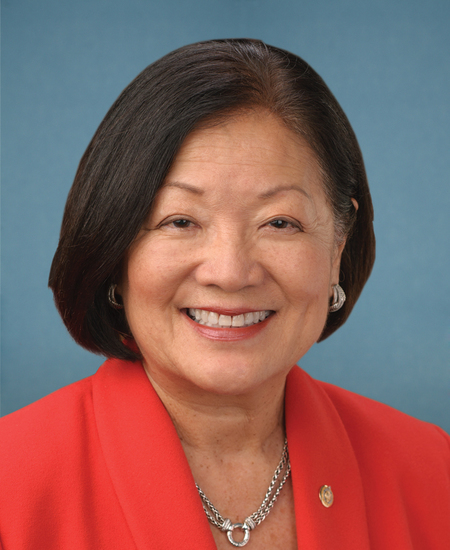
Mazie K. Hirono
Senate
|
D |
Support
|
74% | 27 |

Rick Scott
Senate
|
R |
Strong −
|
19% | 27 |

Ashley Moody
Senate
|
R |
Oppose
|
22% | 27 |

Rand Paul
Senate
|
R |
Oppose
|
22% | 27 |
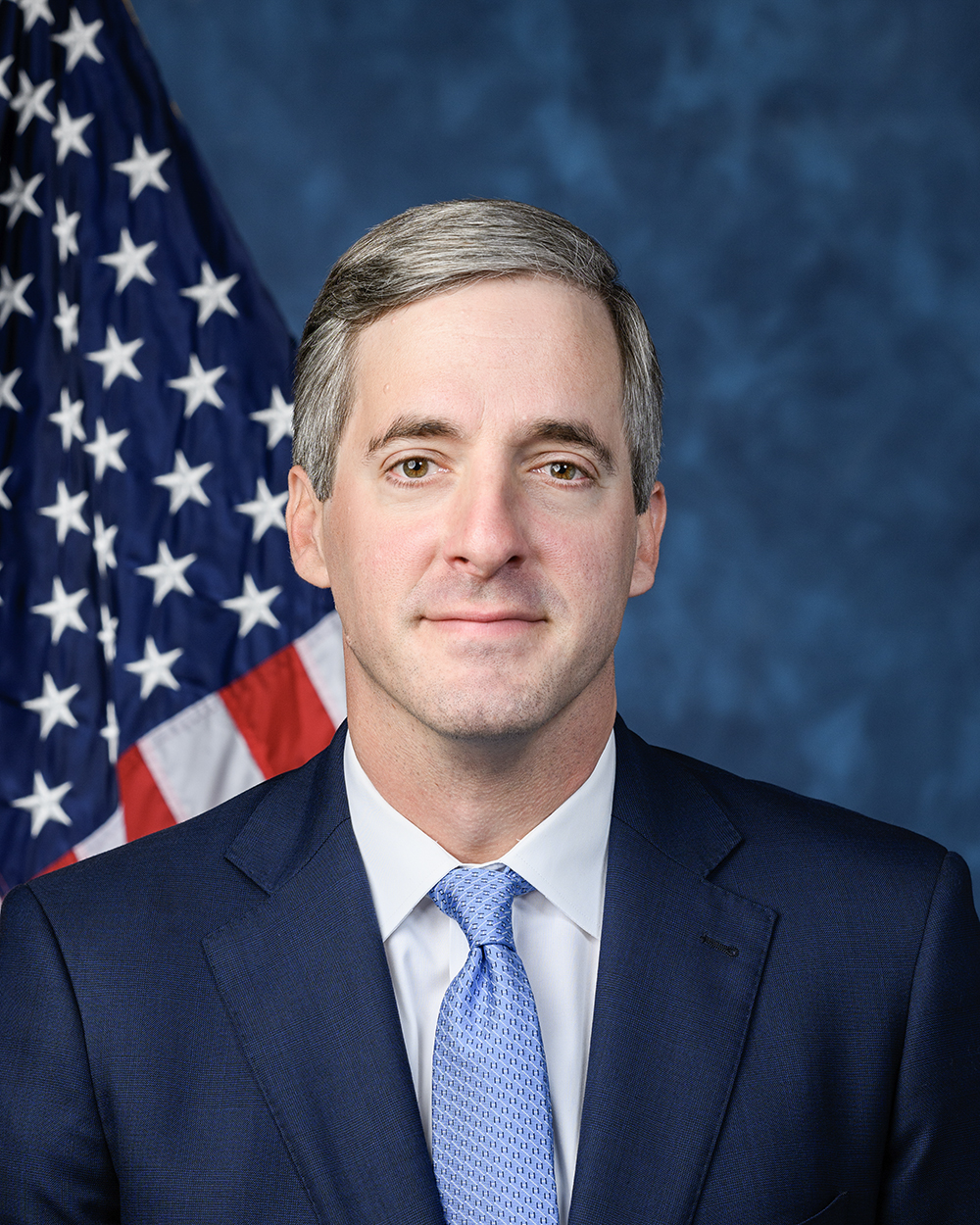
Brad Knott
House · District 13
|
R |
Oppose
|
28% | 18 |
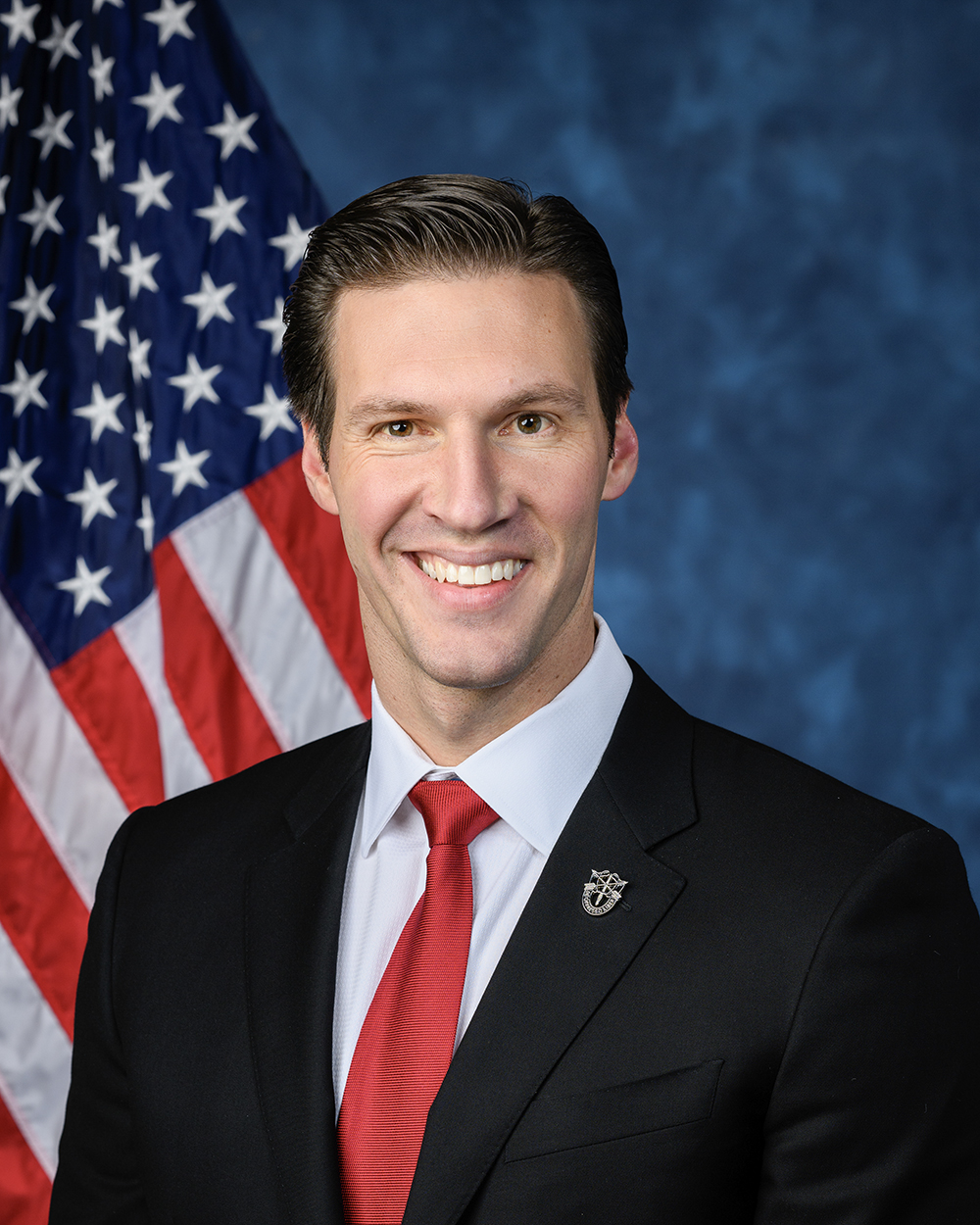
Pat Harrigan
House · District 10
|
R |
Oppose
|
28% | 18 |
Showing 1,001–1,010 of 3,150
bills
All healthcare bills
HR 3835: Veterans Appeals Efficiency Act of 2025
Topics
✓ HealthcareSupports HealthcareBill improves VA healthcare appeals efficiency, enhancing patient access to timely medical decisions and reducing administrative barriers for veterans seeking care.
✓ VeteransSupports VeteransBill mandates VA to improve appeals efficiency, reduce processing times, and prevent case dismissals, directly enhancing veterans' access to benefits and services.
S 3702: Dignity for Detained Immigrants Act
Topics
✓ Criminal JusticeSupports Criminal JusticeBill establishes ABA-based standards for detention facilities, prohibits solitary confinement, phases out private detention, and mandates inspections - directly advancing corrections reform and civil rights protections within criminal justice.
✓ HealthcareSupports HealthcareBill mandates ABA standards for detention facilities, prohibits solitary confinement, and requires health protections for detained immigrants, advancing healthcare access and patient rights.
✓ ImmigrationSupports ImmigrationPhases out private detention, mandates inspections, prohibits solitary confinement - directly protects detained immigrants' rights and improves conditions.
HR 585: Supporting Veteran Families in Need Act
Topics
✓ Budget & TaxesSupports Budget & TaxesEstablishes permanent funding authority for veteran family assistance, ensuring automatic annual appropriations without requiring new budget approvals, directly advancing fiscal support for essential program funding.
✓ HealthcareSupports HealthcareBill establishes permanent funding for financial assistance to low-income veteran families, which supports healthcare access and stability for vulnerable populations.
✓ HousingSupports HousingBill establishes permanent funding for financial assistance to very low-income veteran families in permanent housing, directly advancing affordable housing support for a vulnerable population.
✓ VeteransSupports VeteransEstablishes permanent funding for financial assistance to low-income veteran families, directly expanding benefits without annual appropriations.
S 831: REP VA Act
Topics
✓ HealthcareSupports HealthcareBill improves VA healthcare access by standardizing phone numbers and expanding call centers across time zones, directly enhancing patient access to health services.
✓ VeteransSupports VeteransMandates VA to improve phone communication accessibility for veterans, directly enhancing service access and reducing confusion in benefit inquiries.
HR 6412: Independence Investment Fund Act
Topics
✓ Budget & TaxesSupports Budget & TaxesCreates Treasury fund for investments with goal of financial self-sustainability, advancing responsible fiscal management of government spending.
✓ HealthcareSupports HealthcareBill prioritizes biotechnology investments, which directly supports healthcare innovation and development of medical technologies.
✓ TechnologySupports TechnologyBill creates Treasury fund for equity investments in U.S. tech companies developing critical emerging technologies (prioritizing biotech) to strengthen national security and economic security through direct funding.
S 1664: RESEARCHER Act
Topics
✓ HealthcareSupports HealthcareBill mandates federal agencies improve access to healthcare for graduate students and postdoctoral researchers, directly strengthening healthcare access.
✓ HousingSupports HousingBill mandates improved housing access for researchers, aligning with housing support indicators for specific populations.
✓ Labor & EmploymentSupports Labor & EmploymentBill mandates increased stipends, healthcare, housing, and childcare access for graduate students and postdocs, directly protecting worker benefits and addressing financial instability.
S 1098: Opioid Overdose Data Collection Enhancement Act
Sub-Topics
Substance Abuse
HR 5994: Every Veteran Counts Act of 2025
Topics
✓ HealthcareSupports HealthcareBill requires VA to create database of veteran demographic data including gender identity and sexual orientation, improving data collection for healthcare services and protecting patient rights.
✓ VeteransSupports VeteransRequires VA to collect anonymized veteran demographic data for improved service targeting, advancing understanding of veteran needs across key categories.
HR 7667: TRICARE Fairness for National Guard and Reserve Retirees Act
Topics
✓ HealthcareSupports HealthcareBill expands TRICARE eligibility for National Guard and Reserve retirees, improving healthcare access and benefits for this group.
✓ VeteransSupports VeteransExpands TRICARE eligibility for National Guard/Reserve retirees by removing age barrier, directly improving healthcare access for veterans