Issue · Healthcare

Healthcare (Insurance)

Every healthcare bill, vote, and legislator stance in United States, automatically classified by Maddy, our AI policy reader.

Total bills
250
119th Congress
Top supporter
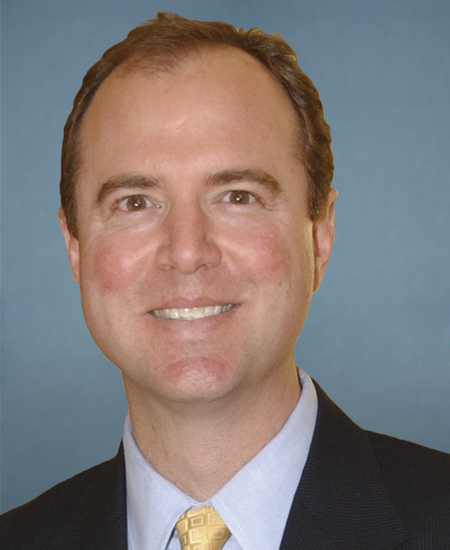
Adam B. Schiff
90% support rate
Top opponent
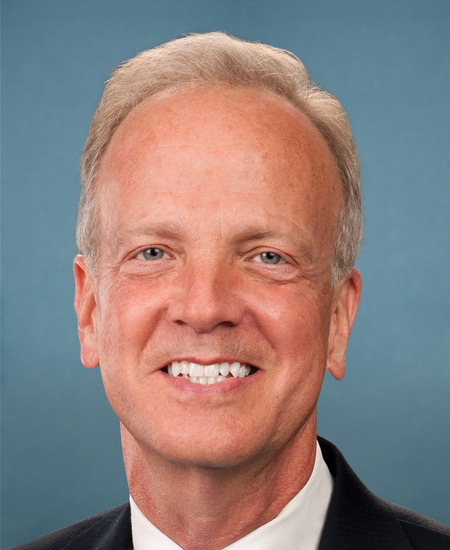
Jerry Moran
0% support rate
Ranked legislators
10
5 support · 5 oppose
Key legislators

Who's moving insurance in United States

Legislators moving insurance in United States
Legislator Party Stance Support rate Decisive votes
Adam B. Schiff
Adam B. Schiff Senate
D
Strong +
90% 10
Alex Padilla
Alex Padilla Senate
D
Strong +
90% 10
Amy Klobuchar
Amy Klobuchar Senate
D
Strong +
90% 10
Andy Kim
Andy Kim Senate
D
Strong +
90% 10
Angela D. Alsobrooks
Angela D. Alsobrooks Senate
D
Strong +
90% 10
Jerry Moran
Jerry Moran Senate
R
Strong −
0% 8
Ashley Moody
Ashley Moody Senate
R
Strong −
10% 10
Bernie Moreno
Bernie Moreno Senate
R
Strong −
10% 10
Bill Hagerty
Bill Hagerty Senate
R
Strong −
10% 10
Chuck Grassley
Chuck Grassley Senate
R
Strong −
10% 10
Showing 91–100 of 250 bills

All healthcare bills

in committee · United States · House Jul 22, 2025

HR 4606: Ally’s Act

HR 4606, the Ally’s Act, requires private health insurance plans (including employer-sponsored plans and individual coverage) to cover hearing implants and related services. It directly affects people with hearing loss who need cochlear implants, bone conduction devices, or external sound processors, as determined by a physician or audiologist. The bill mandates coverage for devices, maintenance, repairs, upgrades every 5 years, hearing assessments, surgery, and rehabilitation - without separate cost-sharing or stricter limits than other medical services. Insurers cannot deny coverage if a provider deems the service medically necessary. The law applies to all applicable health plans and takes effect for plan years beginning January 1, 2026.
Sub-Topics Insurance
in committee · United States · House Jul 17, 2025

HR 4484: ADAPT Act

HR 4484 (ADAPT Act) adds Medicare coverage for psychological services provided by supervised trainees - doctoral interns or postdoctoral residents in APA-accredited programs under licensed psychologists' supervision. It requires a new billing code (GC modifier) for these services and directs the Health Secretary to issue Medicaid/CHIP guidance to states on implementing similar coverage, including recommended billing codes and state examples. The bill directly affects trainees seeking licensure and their supervising psychologists by enabling federal billing for their services. States would use the guidance to adjust coverage policies for trainee services under Medicaid and CHIP programs.
in committee · United States · House Apr 7, 2025

HR 2667: Flexible Savings Arrangements for a Healthy Robust America Act

This bill modifies tax rules for health savings accounts (HSAs) to help employees transition from health flexible spending accounts (FSAs) or health reimbursement arrangements (HRAs) to HSAs when switching to a high-deductible health plan. It allows employees to transfer unused FSA/HRA funds directly to an HSA during the plan year, with limits based on existing HSA contribution rules. Employers must report these transfers on employees' W-2 forms as taxable compensation. The changes apply to transfers made after December 2025 and primarily affect workers using employer-sponsored health benefits who switch coverage types.
Sub-Topics Insurance
in committee · United States · House Mar 11, 2025

HR 2079: Insurance Fraud Accountability Act

HR 2079, the Insurance Fraud Accountability Act, targets fraud by insurance agents and brokers during enrollment in Affordable Care Act health plans. It imposes new civil penalties of $10,000-$50,000 for negligent provision of incorrect information and up to $200,000 for knowing fraud, plus criminal penalties of up to 10 years in prison for willful fraud. The bill requires a new verification process for agent/broker enrollments, including documentation of consent, delayed commission payments until enrollment issues are resolved, and consumer notifications about changes. These provisions directly affect agents, brokers, and marketing organizations involved in health plan enrollment through federal or state exchanges, aiming to prevent fraudulent enrollment practices.
Sub-Topics Insurance Tags Consumer Protection
in committee · United States · House Sep 22, 2025

HR 5261: Veterans Emergency Care Reimbursement Act of 2025

This bill modifies reimbursement rules for veterans receiving emergency care at non-VA facilities. It ensures veterans with private health insurance won't be charged more than $100 for copayments on emergency treatment claims, excluding deductibles or coinsurance. The change applies to all claims submitted since February 2012, including those from the Wolfe v. McDonough class action case. This directly affects veterans who had private insurance coverage when seeking emergency care outside VA facilities.
in committee · United States · Senate Jan 23, 2025

S 229: DTC Act of 2025

The DTC Act of 2025 requires pharmaceutical companies to disclose the wholesale acquisition cost (WAC) for a 30-day supply (or typical treatment course) of prescription drugs in direct-to-consumer advertisements. This applies to drugs covered by Medicare or Medicaid, excluding those with a WAC under $35 per 30-day supply. The bill mandates clear, conspicuous display of the WAC in ads, along with a note that actual patient costs may vary based on insurance coverage. It takes effect July 1, 2026, and includes penalties for noncompliance, such as civil fines up to $100,000 per violation. The law aims to increase price transparency for consumers seeing drug ads, particularly affecting patients with high-deductible plans or Medicare beneficiaries.
in committee · United States · House Nov 20, 2025

HR 6242: Healthy MOM Act

The Healthy MOM Act (HR 6242) would require health insurance plans to provide a special enrollment period for pregnant individuals beginning when pregnancy is reported to the insurer. It mandates that group health plans and health insurance issuers cover maternity care, including childbirth and postpartum care, for all dependents regardless of age. The bill would extend Medicaid coverage for pregnant individuals and infants to 12 months postpartum (instead of ending at 60 days postpartum) and make this 12-month coverage permanent. These provisions would directly affect pregnant individuals, women with dependent children who are pregnant, and health insurance plans and Medicaid programs.
in committee · United States · House May 8, 2025

HR 3277: Ensuring Lasting Smiles Act

HR 3277, the Ensuring Lasting Smiles Act, requires group health plans and health insurance issuers to cover medically necessary outpatient and inpatient treatments for congenital anomalies or birth defects primarily affecting the eyes, ears, teeth, mouth, or jaw. This includes reconstructive procedures, dental/orthodontic support during treatment, and follow-up care, but excludes purely cosmetic surgery not tied to a medical diagnosis. Cost-sharing (like copays) for these services must not be stricter than for other medical benefits. The law takes effect for plan years beginning January 1, 2026, and mandates insurers to provide notice about this coverage to beneficiaries.
Sub-Topics Insurance
in committee · United States · House Nov 20, 2025

HR 6210: Senior Savings Protection Act

HR 6210, the Senior Savings Protection Act, extends mandatory annual funding for key senior assistance programs through fiscal year 2030. It allocates $15 million each year for State Health Insurance Assistance Programs, $15 million for Area Agencies on Aging, $5 million for Aging and Disability Resource Centers, and $15 million for outreach coordination efforts. These funds directly support low-income seniors by expanding access to counseling, benefits enrollment help, and program information through state and local agencies. The bill makes no new eligibility rules but ensures sustained financial support for existing services that help seniors navigate healthcare and social programs.
Sub-Topics Insurance Tags Seniors
in committee · United States · House Sep 4, 2025

HR 5139: EPIPEN Act

The EPIPEN Act (HR 5139) requires most health insurance plans to cover epinephrine delivery systems (like EpiPens, nasal sprays, or sublingual devices approved by the FDA) without applying deductibles and limiting out-of-pocket costs to $60 per package of two devices. It directly affects people with severe allergies who rely on these emergency treatments, ensuring they pay no more than $60 per two-device package. The bill mandates that any cost-sharing payments count toward the plan’s annual out-of-pocket maximum, though plans may charge higher fees for out-of-network providers. The requirements will take effect for plan years beginning January 1, 2026.
Sub-Topics Insurance
Showing 91 to 100 of 250 bills
Previous 1 … 9 10 11 … 25 Next