

Issue · Environment
Environment (Coastal & Flood Protection)
Every environment bill, vote, and legislator stance in United States, automatically classified by Maddy, our AI policy reader.
Total bills
15
119th Congress
Top supporter
David Schweikert
78% support rate
Top opponent
Eleanor Holmes Norton
0% support rate
Ranked legislators
10
5 support · 5 oppose
Key legislators
Who's moving coastal & flood protection in United States
| Legislator | Party | Stance | Support rate | Votes |
|---|---|---|---|---|
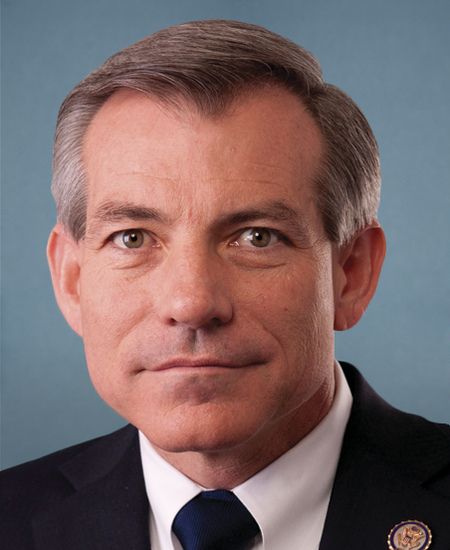
David Schweikert
House · District 1
|
R |
Support
|
78% | 18 |

Lauren Boebert
House · District 4
|
R |
Support
|
78% | 18 |
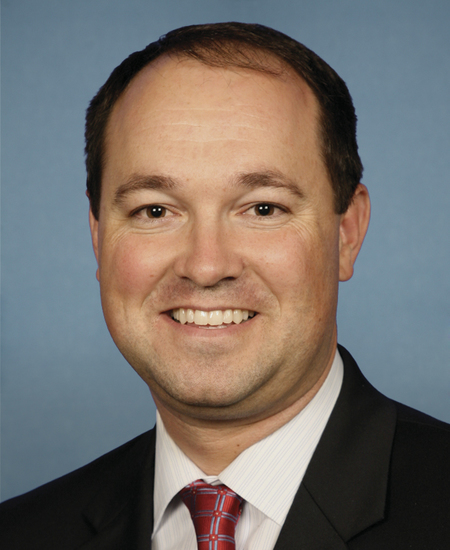
Marlin A. Stutzman
House · District 3
|
R |
Support
|
76% | 17 |

Mary E. Miller
House · District 15
|
R |
Support
|
76% | 17 |

Adelita S. Grijalva
House · District 7
|
D |
Support
|
75% | 4 |

Eleanor Holmes Norton
House · District At-Large
|
D |
Strong −
|
0% | 11 |

Pablo José Hernández
House · District At-Large
|
D |
Strong −
|
0% | 10 |
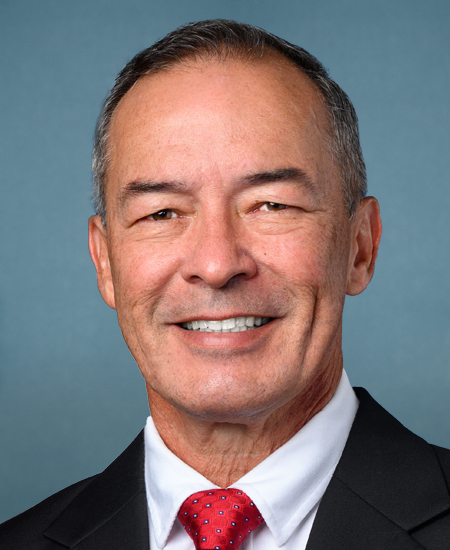
James C. Moylan
House · District At-Large
|
R |
Strong −
|
0% | 8 |

Stacey E. Plaskett
House · District At-Large
|
D |
Strong −
|
0% | 8 |

Susan M. Collins
Senate
|
R |
Strong −
|
0% | 4 |
Showing 1–10 of 15
bills
All environment bills
HJRES 60: Providing for congressional disapproval under chapter 8 of title 5, United States Code, of the rule submitted by the National Park Service relating to "Glen Canyon National Recreation Area: Motor Vehicles".
Topics
✗ EnvironmentOpposes EnvironmentBill nullifies NPS rule limiting off-road vehicles, weakening environmental protections in Glen Canyon National Recreation Area
✓ TransportationSupports TransportationBill overturns rule limiting off-road vehicle access in Glen Canyon recreation area, supporting broader vehicle use under transportation regulations.
HR 2817: Coastal Broadband Deployment Act
Topics
✗ EnvironmentOpposes EnvironmentExempts broadband projects in floodplains from NEPA environmental reviews, directly weakening federal environmental review requirements for infrastructure deployments.
✓ TechnologySupports TechnologyRemoves environmental review barriers for broadband deployment, directly expanding internet access infrastructure in floodplains.
HRES 879: Providing for consideration of the joint resolution (S.J. Res. 80) providing for congressional disapproval under chapter 8 of title 5, United States Code, of the rule submitted by the Bureau of Land Management relating to National Petroleum Reserve in Alaska Integrated Activity Plan Record of Decision; providing for consideration of the joint resolution (H.J. Res. 130) providing for congressional disapproval under chapter 8 of title 5, United States Code, of the rule submitted by the Bureau of Land Management relating to Buffalo Field Office Record of Decision and Approved Resource Management Plan Amendment; providing for consideration of the joint resolution (H.J. Res. 131) providing for congressional disapproval under chapter 8 of title 5, United States Code, of the rule submitted by the Bureau of Land Management relating to Coastal Plain Oil and Gas Leasing Program Record of Decision; providing for consideration of the concurrent resolution (H. Con. Res. 58) denouncing the horrors of socialism; providing for consideration of the bill (H.R. 1949) to repeal restrictions on the export and import of natural gas; providing for consideration of the bill (H.R. 3109) to require the Secretary of Energy to direct the National Petroleum Council to issue a report with respect to petrochemical refineries in the United States, and for other purposes; providing for consideration of the bill (H.R. 5107) to repeal the Comprehensive Policing and Justice Reform Amendment Act of 2022 enacted by the District of Columbia Council; providing for consideration of the bill (H.R. 5214) to require mandatory pretrial and post conviction detention for crimes of violence and dangerous crimes and require mandatory cash bail for certain offenses that pose a threat to public safety or order in the District of Columbia, and for other purposes; and for other purposes.
Topics
✗ Criminal JusticeOpposes Criminal JusticeEnables consideration of H.R. 5107 (repealing DC's criminal justice reform) and H.R. 5214 (mandating pretrial detention/cash bail), both opposing reform.
✗ EnergyOpposes EnergyBlocks BLM oil/gas rules in Alaska and repeals natural gas export restrictions, advancing fossil fuel development over renewable energy policies.
✗ EnvironmentOpposes EnvironmentBill enables disapproval of BLM rules restricting oil/gas drilling in Alaska (National Petroleum Reserve, Coastal Plain), removing environmental safeguards for industry interests.
HR 2073: Defending our Dams Act
Topics
✓ EnergySupports EnergyBill blocks federal funding for evaluating dam removal alternatives including power replacements, protecting existing hydropower infrastructure. Hydropower is renewable energy, so this supports current energy production.
✗ EnvironmentOpposes EnvironmentBlocks federal funding for dam removal studies, preventing evaluation of environmental benefits like salmon habitat restoration and ecosystem recovery, prioritizing current dam operations over conservation.
✓ TransportationSupports TransportationBill blocks federal funding for dam removal studies affecting navigation, protecting existing waterway transportation infrastructure critical for river-based transit and commerce.
HR 674: Northeast Fisheries Heritage Protection Act of 2025
Topics
✗ EnergyOpposes EnergyBill explicitly prohibits new offshore wind energy development, directly restricting renewable energy infrastructure in a designated area.
✗ EnvironmentOpposes EnvironmentBlocks offshore wind energy development (clean energy) to protect fishing industry, opposing climate action and environmental progress
✗ Labor & EmploymentOpposes Labor & EmploymentBill restricts offshore wind development in a fishing zone, limiting job opportunities for commercial fishermen and coastal communities dependent on fisheries.
HR 1885: Town of North Topsail Beach Coastal Barrier Resources System Map Amendment Act of 2025
Topics
✗ EnvironmentOpposes EnvironmentRemoves parcels from CBRS conservation system, lifting federal development restrictions and weakening environmental protections
✓ HousingSupports HousingRemoves federal development restrictions on parcels zoned for non-conservation uses, enabling housing construction by lifting CBRS barriers.
HR 1462: To amend the Internal Revenue Code of 1986 to disallow the production tax credit and investment tax credit for offshore wind facilities placed in service in the inland navigable waters of the United States or the coastal waters of the United States.
Topics
✗ Budget & TaxesOpposes Budget & TaxesBill disallows tax credits (ITC/PTC) for offshore wind projects, restricting tax incentives and reducing government spending on renewable energy subsidies.
✗ EnergyOpposes EnergyRemoves tax credits (ITC/PTC) for offshore wind in coastal/inland waters, blocking renewable energy development by eliminating federal incentives for projects after 2025.
✗ EnvironmentOpposes EnvironmentRemoves tax credits for offshore wind (clean energy), defunding renewable projects and weakening environmental protection efforts by hindering development of coastal wind energy.
HR 2187: To amend the Internal Revenue Code of 1986 to disallow the production tax credit and investment tax credit for offshore wind facilities placed in service in the inland navigable waters of the United States or the coastal waters of the United States.
Topics
✗ Budget & TaxesOpposes Budget & TaxesRemoves federal tax credits (Section 48, 45, 45Y) for offshore wind projects, restricting tax incentives under tax law.
✗ EnergyOpposes EnergyRemoves tax credits for offshore wind projects, directly restricting renewable energy development in coastal/inland waters.
✗ EnvironmentOpposes EnvironmentBill disallows tax credits for offshore wind projects (a clean energy source) in coastal/inland waters, directly restricting development of renewable energy infrastructure that advances climate goals.
HR 5085: To exempt Federal actions related to the construction of infill housing from the requirements of the National Environmental Policy Act of 1969, and for other purposes.
Topics
✗ EnvironmentOpposes EnvironmentExempts infill housing from NEPA environmental reviews, weakening federal environmental assessment requirements for construction projects.
✓ HousingSupports HousingExempts infill housing from NEPA reviews, streamlining approvals for urban development projects that meet criteria, advancing housing construction.
Sub-Topics
Coastal & Flood Protection
Forestry
Natural Disasters
Affordable Housing
Building Codes
Zoning
Tags
Emergency Management