Issue · Environment

Environment (Wildlife)

Every environment bill, vote, and legislator stance in United States, automatically classified by Maddy, our AI policy reader.

Total bills
135
119th Congress
Top supporter
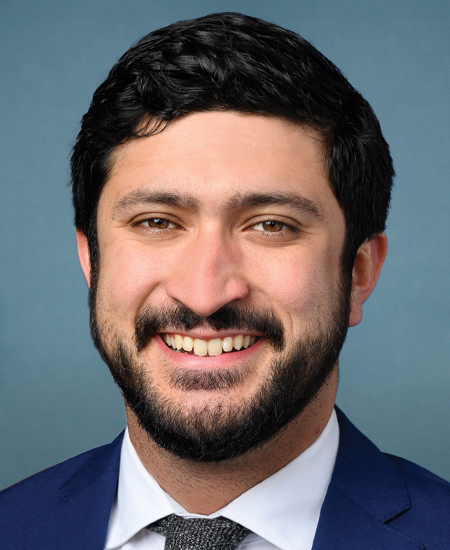
Greg Casar
83% support rate
Top opponent
Susan M. Collins
0% support rate
Ranked legislators
10
5 support · 5 oppose
Key legislators

Who's moving wildlife in United States

Legislators moving wildlife in United States
Legislator Party Stance Support rate Votes
Greg Casar
Greg Casar House · District 35
D
Strong +
83% 12
Judy Chu
Judy Chu House · District 28
D
Strong +
81% 16
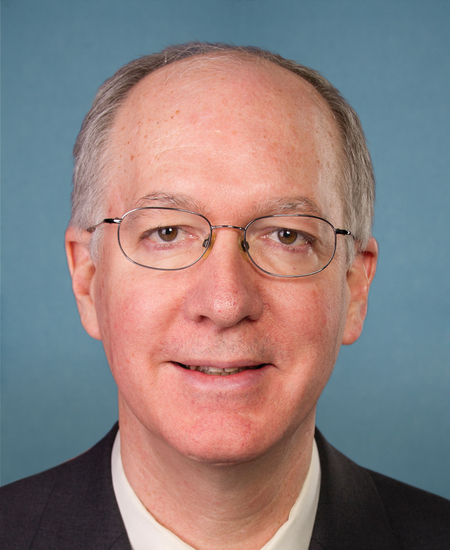
Bill Foster
Bill Foster House · District 11
D
Strong +
80% 15
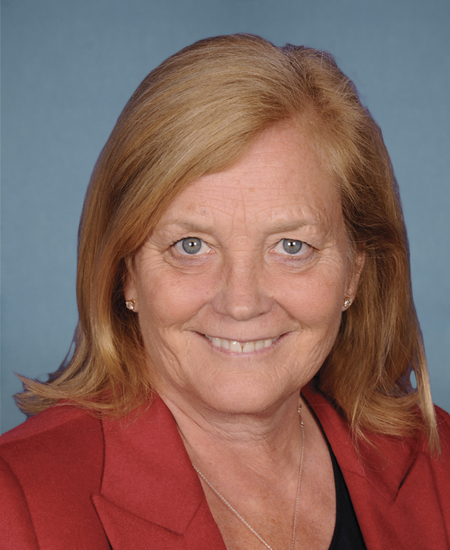
Chellie Pingree
Chellie Pingree House · District 1
D
Strong +
80% 15
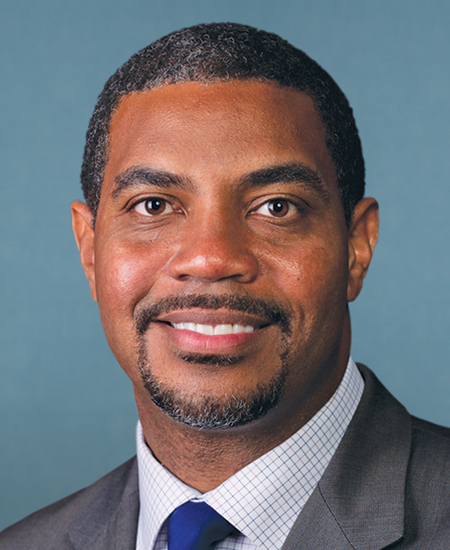
Steven Horsford
Steven Horsford House · District 4
D
Strong +
80% 15
Susan M. Collins
Susan M. Collins Senate
R
Strong −
0% 5
Aaron Bean
Aaron Bean House · District 4
R
Strong −
19% 16
Clay Fuller
Clay Fuller House · District 14
R
Strong −
20% 5
John Fetterman
John Fetterman Senate
D
Strong −
20% 5
Andrew Ogles
Andrew Ogles House · District 5
R
Oppose
21% 14
Showing 71–80 of 135 bills

All environment bills

in committee · United States · Senate Mar 27, 2025

S 1193: America’s Red Rock Wilderness Act

The America's Red Rock Wilderness Act (S 1193) would designate approximately 3.3 million acres across nine distinct wilderness areas in Utah as protected wilderness. These areas include the Great Basin, Grand Staircase-Escalante, Moab-La Sal Canyons, Henry Mountains, Glen Canyon, San Juan, Canyonlands Basin, San Rafael Swell, and Book Cliffs-Greater Dinosaur regions. The bill would manage these areas under the Wilderness Act, preserving them for recreation, wildlife habitat, and cultural values while allowing continued livestock grazing under existing regulations. It also includes provisions to protect Tribal rights and water rights within the designated wilderness areas, with specific administrative guidelines for roads, land management, and Tribal consultation.
passed · United States · House Jan 24, 2025

HR 375: Continued Rapid Ohia Death Response Act of 2025

This bill continues federal efforts to combat Rapid Ohia Death, a fungal disease threatening Hawaii's native ohia trees (Metrosideros polymorpha). It mandates ongoing research on disease transmission, management of invasive animals (like goats) that spread the disease, and funding for forest restoration through collaboration between federal agencies (Interior, Agriculture), Hawaii state, and local stakeholders. The key provisions require the U.S. Geological Survey and Forest Service to sustain research, partner on land management, and provide financial assistance to prevent disease spread and restore native forests. The bill directly affects Hawaii's ecosystems, particularly the culturally significant ohia tree species and the state's native forest habitats.
in committee · United States · House Jan 6, 2026

HR 6939: Bycatch Reduction and Research Act of 2026

The Bycatch Reduction and Research Act of 2026 establishes a Bycatch Reduction and Research Task Force to guide research on reducing bycatch of Alaska-origin salmon. It requires new salmon migration research through tagging and genetic analysis, along with ecosystem studies on habitat impacts in the Bering Sea, Aleutian Islands, and Gulf of Alaska. The bill creates a Flume Tank Assistance Fund to support testing of fishing gear that reduces bycatch and habitat damage, and mandates improved electronic monitoring systems for fisheries. It also reauthorizes a Bycatch Reduction Engineering Program with $4 million annually and establishes a Bycatch Mitigation and Habitat Protection Assistance Fund administered by the National Fish and Wildlife Foundation.
Sub-Topics Wildlife
passed · United States · House Dec 16, 2025

HR 1098: To reauthorize the Junior Duck Stamp Conservation and Design Program Act of 1994.

HR 1098 reauthorizes the Junior Duck Stamp Conservation and Design Program, which engages students aged 9-15 in creating artwork for conservation-themed duck stamps. The bill increases annual funding for the program from $350,000 to $550,000 (2025-2031) and boosts specific allocations for design competitions ($200,000) and habitat conservation ($350,000). It also updates the definition of "State" to properly include Guam in the program's scope. The changes directly affect participating students, state wildlife agencies, and conservation groups receiving program funds.
in committee · United States · House Jan 3, 2025

HR 181: To amend the Endangered Species Act of 1973 to provide that artificially propagated animals shall be treated the same under that Act as naturally propagated animals, and for other purposes.

This bill would amend the Endangered Species Act to require that captive-bred (artificially propagated) animals receive identical protections as wild (naturally propagated) animals under the law. It mandates that the Secretary of the Interior must authorize using captive-bred animals to offset harm to endangered species in conservation projects (mitigation). These changes apply to all species listed under the Act, regardless of when they were designated as endangered or threatened. The bill does not alter species listing criteria or habitat protections but ensures consistent treatment of captive and wild populations.
Sub-Topics Conservation Wildlife
in committee · United States · House Mar 27, 2025

HR 2420: Northern Rockies Ecosystem Protection Act of 2025

# Northern Rockies Ecosystem Protection Act (2023) - Summary This comprehensive environmental protection bill designates and protects vast areas across the Northern Rockies region of Idaho, Montana, Wyoming, Oregon, and Washington. ## Key Provisions 1. **Wilderness Designations**: - Creates numerous new wilderness areas totaling millions of acres across the region - Includes specific designations like Yellowstone, Glacier/Northern Continental Divide, Hells Canyon, Salmon/Selway, and Cabinet-Yaak ecosystems - Includes 108 specific wilderness areas identified in the bill (from Anaconda-Pintler to McCullough Peaks) 2. **Biological Connecting Corridors**: - Designates approximately 2.9 million acres as biological corridors - These corridors connect larger ecosystem areas to facilitate wildlife migration - Prohibits timber harvesting, mining, oil/gas development, and new road construction in these corridors 3. **Wild and Scenic Rivers**: - Adds 78 new river segments to the Wild and Scenic Rivers system - Protects rivers like the South Fork Payette, Salmon River, Yaak River, and many others - Specifies exact segments for protection 4. **Wildland Restoration**: - Designates 9 recovery areas totaling approximately 1,023,000 acres - Requires restoration of damaged lands to natural conditions - Prohibits certain activities in these recovery areas 5. **Implementation**: - Requires an interagency team to monitor and evaluate implementation - Mandates geographic information system for monitoring the Northern Rockies Bioregion - Requires annual reports to Congress on implementation progress 6. **Special Protections**: - Maintains existing water rights of the United States - Protects Indian Tribe treaty rights and cultural access to protected areas - Requires consultation with Tribes regarding management plans This bill represents a comprehensive effort to protect biodiversity, maintain ecosystem connectivity, and restore damaged lands across a significant portion of the Northern Rockies region.
in committee · United States · House Feb 20, 2026

HR 7629: Pittman-Robertson Wildlife Restoration Act and Dingell-Johnson Sport Fish Restoration Act District of Columbia Equality Act of 2026

This bill amends two federal conservation funding programs to include the District of Columbia as a "State" for eligibility purposes. It updates the Pittman-Robertson Wildlife Restoration Act and Dingell-Johnson Sport Fish Restoration Act by adding "the District of Columbia" to the definition of "State" in both acts' key sections. This change would allow DC to receive annual federal funds for wildlife and sport fish conservation programs that were previously restricted to states. The bill directly affects DC's ability to access these specific conservation funding streams. The amendment is purely definitional and does not alter existing funding formulas or amounts.
Sub-Topics Conservation Wildlife
in committee · United States · Senate May 14, 2025

S 1765: Connecticut River Watershed Partnership Act

The Connecticut River Watershed Partnership Act establishes a federal program to coordinate habitat restoration, water quality improvement, and public access projects across the Connecticut River watershed (encompassing Connecticut, Maine, Massachusetts, New Hampshire, and Vermont). It creates a competitive grant program providing matching funds to states, tribes, nonprofits, and universities, with enhanced federal funding (up to 90%) for projects serving environmental justice communities - defined as communities of color, low-income areas, or Tribal groups facing disproportionate environmental risks. The program requires consultation with tribal governments, local entities, and affected communities to implement watershed-wide strategies focused on ecosystem health, climate resilience, and equitable access to natural spaces. It mandates annual congressional reports and authorizes funding for 2026-2030, prioritizing projects that restore fish/wildlife habitat, improve water quality, and support community engagement.
in committee · United States · House Apr 29, 2025

HR 3067: Arctic Refuge Protection Act

HR 3067, the Arctic Refuge Protection Act, repeals the existing oil and gas program for the Arctic National Wildlife Refuge (ANWR) and designates approximately 1.56 million acres of the refuge's Coastal Plain as wilderness. This directly affects federal management of the ANWR, halting potential oil drilling in the designated area. The bill requires the Secretary of the Interior to administer the newly designated wilderness area under the Wilderness Act, treating it as part of the existing wilderness within ANWR. The change prevents future oil and gas development on this specific portion of the refuge.
in committee · United States · House Feb 2, 2026

HR 6693: SALAMANDER Act

The SALAMANDER Act streamlines permitting for post-disaster recovery projects involving waterways (like rebuilding roads, bridges, or coastal infrastructure after hurricanes or floods) by creating pre-approved general permits. It directly affects communities recovering from federally declared disasters and the Army Corps of Engineers, which implements these permits. Key provisions require upfront coordination with wildlife agencies to agree on "best management practices" that protect endangered species and critical habitats, replacing individual environmental reviews under the Endangered Species Act for 18 months after a disaster declaration. This reduces delays while maintaining environmental safeguards, with the Corps required to work with state agencies and establish national guidelines for consistent use.
Sub-Topics Coastal & Flood Protection Natural Disasters Wildlife Tags Emergency Management
Showing 71 to 80 of 135 bills
Previous 1 7 8 9 14 Next