Issue · Environment

Environment

Every environment bill, vote, and legislator stance in United States, automatically classified by Maddy, our AI policy reader.

Total bills
1,501
119th Congress
Top supporter
Aisha Wahab
100% support rate
Top opponent
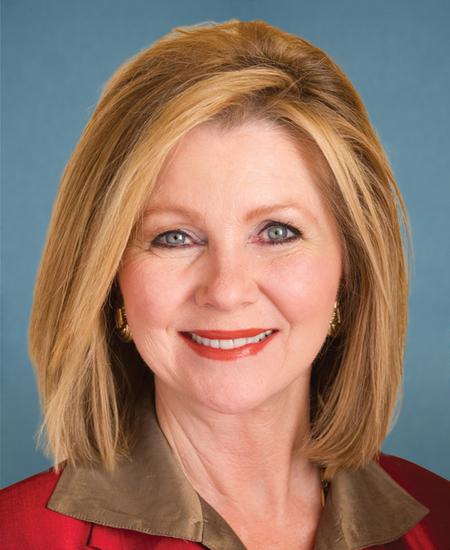
Marsha Blackburn
11% support rate
Ranked legislators
10
5 support · 5 oppose
Key legislators

Who's moving environment in United States

Legislators moving environment in United States
Legislator Party Stance Support rate Decisive votes
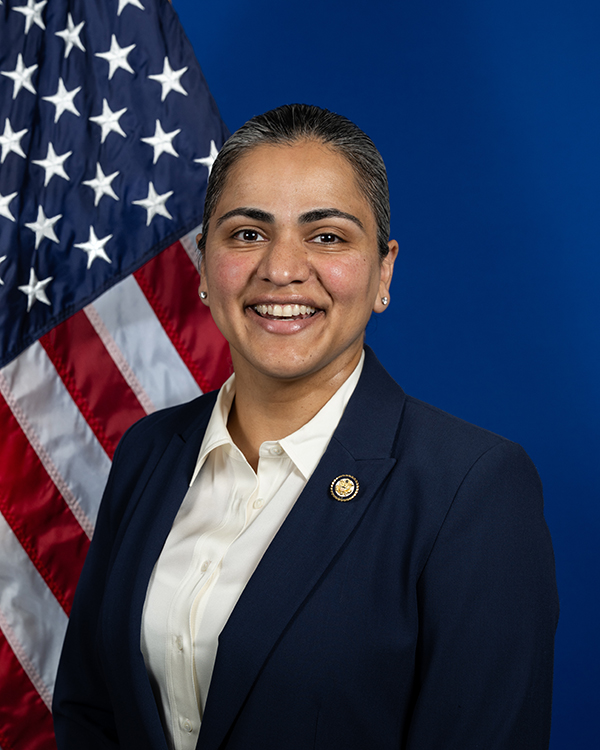
Aisha Wahab
Aisha Wahab House · District 14
D
Strong +
100% 7
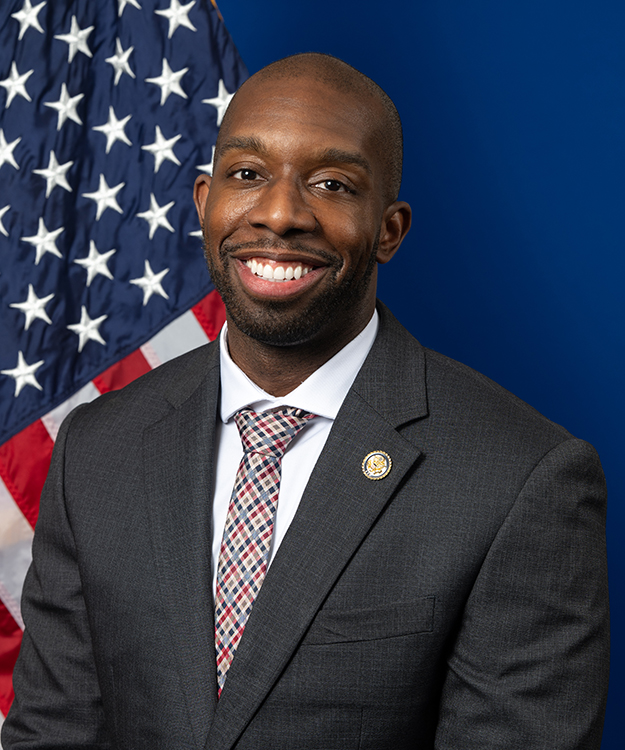
Everton Blair Jr.
Everton Blair Jr. House · District 13
D
Strong +
89% 9
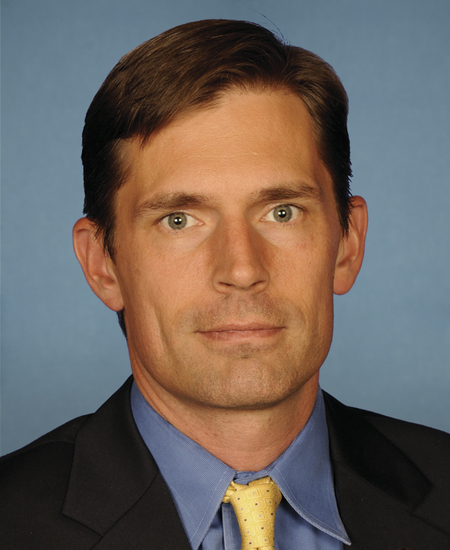
Martin Heinrich
Martin Heinrich Senate
D
Strong +
84% 37
Adam B. Schiff
Adam B. Schiff Senate
D
Support
79% 53
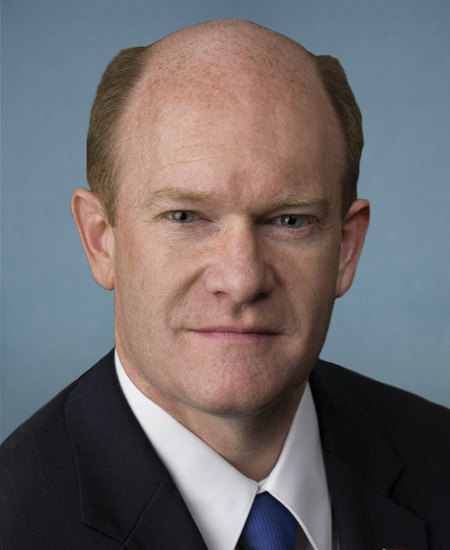
Christopher A. Coons
Christopher A. Coons Senate
D
Support
79% 52
Marsha Blackburn
Marsha Blackburn Senate
R
Strong −
11% 36
Ted Budd
Ted Budd Senate
R
Strong −
20% 40
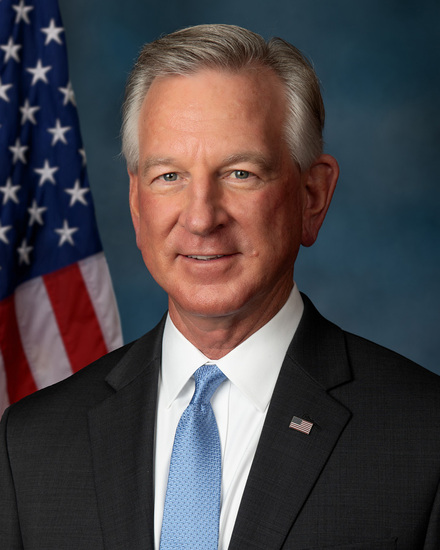
Tommy Tuberville
Tommy Tuberville Senate
R
Oppose
21% 53
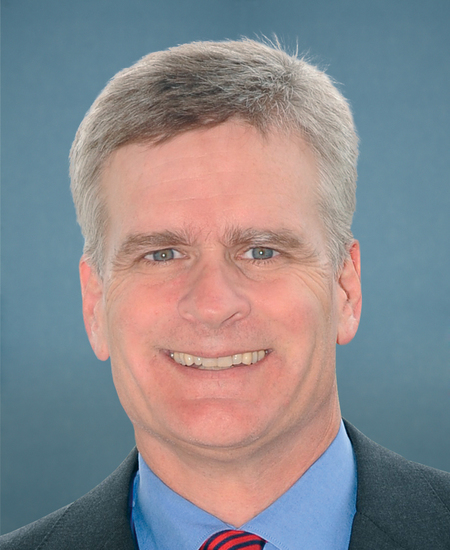
Bill Cassidy
Bill Cassidy Senate
R
Oppose
22% 54
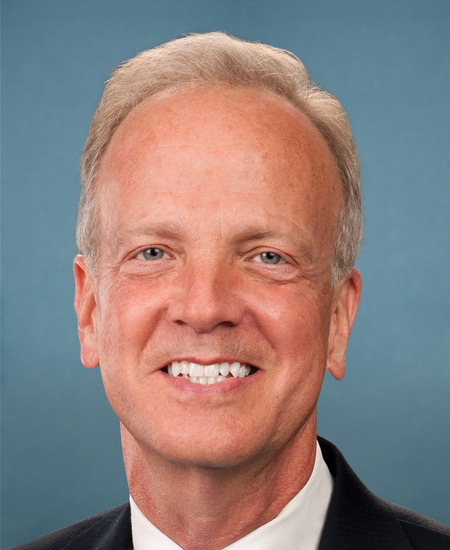
Jerry Moran
Jerry Moran Senate
R
Oppose
23% 53
Showing 771–780 of 1,501 bills

All environment bills

in committee · United States · House Feb 12, 2025

HR 231: Colorado River Basin System Conservation Extension Act of 2025

HR 231 extends the Colorado River Basin conservation pilot program through 2026 and the overall program through 2027. It updates the end dates in the existing 2015 law from 2024 (for the pilot phase) to 2026, and from 2025 (for the full program) to 2027. This extension applies to participating states in the Colorado River Basin, allowing continued water conservation efforts under the current program structure. The bill makes no new policy changes but prolongs the existing framework for water savings initiatives.
Sub-Topics Conservation
in committee · United States · House Jan 13, 2026

HR 6415: Native American Seeds Act of 2025

This bill requires the Secretary of the Interior to collaborate with tribes within one year of enactment to identify seeds of cultural significance and support tribal efforts to protect them. It mandates federal support for tribal seed banks, traditional agriculture systems, and the confidentiality of culturally sensitive seed information provided by tribes. The bill explicitly prohibits disclosure of such confidential information and states that existing funding must cover these activities - no new funds are authorized. It directly affects tribal nations by safeguarding their traditional seed knowledge and agricultural practices.
Tags Tribal Nations
passed · United States · House Jun 9, 2026

HR 6338: Stop Illegal Fishing Act

This bill authorizes U.S. sanctions against foreign individuals, entities, and vessels involved in illegal, unreported, and unregulated fishing (IUU fishing), particularly targeting China as the primary perpetrator. It requires freezing assets and denying visas to those who own, captain, or operate vessels engaged in IUU fishing, while mandating annual reports on sanctions implementation. Exceptions include humanitarian aid, national security activities, and compliance with international agreements. The policy aims to protect global fisheries, coastal communities, and marine ecosystems from harmful fishing practices.
in committee · United States · House Mar 25, 2026

HR 5639: Co-Location Energy Act

HR 5639, the Co-Location Energy Act, allows the Secretary of the Interior to permit solar and wind energy development on existing federal energy leases for oil, gas, coal, or geothermal projects. It requires leaseholder consent before evaluating or issuing permits for renewable energy systems on these leased areas. The bill mandates the Secretary to determine within 180 days whether such renewable projects qualify for simplified environmental reviews under the National Environmental Policy Act. This legislation directly affects federal leaseholders and renewable energy developers seeking to co-locate projects on currently leased federal lands.
Sub-Topics Oil & Gas Solar Wind
in committee · United States · House Mar 18, 2025

HR 2188: COST Act

HR 2188 (COST Act) requires two studies to inform federal fleet decisions. The Comptroller General must analyze the costs of replacing gasoline-powered federal vehicles with electric or E85 flex-fuel vehicles, including necessary infrastructure. The Energy Secretary must compare lifecycle greenhouse gas emissions of conventional gasoline, E85 flex-fuel, and electric vehicles using established models. Both studies must be completed within one year of enactment, providing data for future federal vehicle fleet policies without changing existing regulations.
passed · United States · House Mar 17, 2026

HR 831: Lower Colorado River Multi-Species Conservation Program Amendment Act of 2025

Lower Colorado River Multi-Species Conservation Program Amendment Act of 2025 This bill establishes an interest-bearing account for the nonfederal contributions for the Lower Colorado River Multi-Species Conservation Program, a cooperative effort between federal and nonfederal entities in Arizona, California, and Nevada. The program works to recover multiple species listed under the Endangered Species Act. Currently, the pace of funding exceeds the pace of work. The bill allows the nonfederal contributions deposited in the fund to be made available, without further appropriation, for the program in the future. However, amounts derived from interest earned on amounts in the fund are subject to the availability of appropriations.
Sub-Topics Conservation Wildlife
in committee · United States · House Sep 16, 2025

HR 5373: Alan Reinstein Ban Asbestos Now Act of 2025

HR 5373, the Alan Reinstein Ban Asbestos Now Act of 2025, prohibits the manufacture, processing, use, and distribution in commerce of specific types of asbestos (including chrysotile and crocidolite) after its enactment. It directly affects manufacturers, distributors, and users of commercial asbestos, with two key exceptions: the chlor-alkali industry can continue using asbestos for diaphragms until January 1, 2030, and the President may grant limited national security exemptions (up to 3 years, extendable once). The bill explicitly states it does not alter existing regulations for cosmetics or other products containing asbestos as an impurity. It defines "commercial asbestos" to exclude products where asbestos is only an impurity, ensuring no overlap with current cosmetic safety rules.
in committee · United States · House Jan 15, 2025

HR 403: Preventing Our Next Natural Disaster Act

This bill amends the Robert T. Stafford Disaster Relief Act to prioritize disaster resilience funding for vulnerable communities. It defines "environmental justice communities" (communities of color, low-income, or Tribal areas facing higher environmental risks) and "small impoverished communities" (under 50,000 people, economically disadvantaged), requiring FEMA to prioritize these groups for assistance. The bill increases federal funding coverage to 90% for mitigation projects in these communities (up from 75%) and mandates that projects account for future climate risks in design. It also creates a new federal database to track disaster spending and requires FEMA to provide outreach support to help eligible communities apply for funding.
in committee · United States · House Aug 1, 2025

HR 4870: Greater Yellowstone Recreation Enhancement And Tourism Act

HR 4870 designates five specific river segments in Montana - including the Madison River (42 miles), Gallatin River (39.5 miles), and three tributaries - as protected components of the National Wild and Scenic Rivers System under the Secretary of Agriculture. The bill preserves public access, private property rights, and existing infrastructure like dams while protecting current water rights and hydroelectric operations at Hebgen and Madison Dams. It explicitly ensures no impact on existing dam operations, licensing, or hydropower generation, and prohibits expanding dams into designated segments. The legislation directly affects Montana residents, recreational users, agricultural communities, and existing dam operators within the Greater Yellowstone Ecosystem.
in committee · United States · House Jun 5, 2025

HR 3771: Protecting Coasts and Cities from Severe Weather Act

This bill establishes a federal program to improve coastal flood and storm surge forecasting through better models, data, and community preparedness. It directs the Under Secretary of Commerce to prioritize real-time prediction of ocean-driven flooding, incorporate sensor data (like urban heat mapping), and develop probabilistic forecasts for use by emergency managers and communities. The program also requires identifying and filling "data voids" in vulnerable coastal areas to enhance weather observations and emergency response tools, with pilot projects focusing on critical infrastructure like dams and power plants. Key mechanisms include annual budget submissions to Congress and interagency coordination with FEMA and the National Weather Service to implement these improvements.
Sub-Topics Coastal & Flood Protection Natural Disasters Tags Emergency Management
Showing 771 to 780 of 1,501 bills
Previous 1 … 77 78 79 … 151 Next