Issue · Environment

Environment (Wildlife)

Every environment bill, vote, and legislator stance in United States, automatically classified by Maddy, our AI policy reader.

Total bills
135
119th Congress
Top supporter
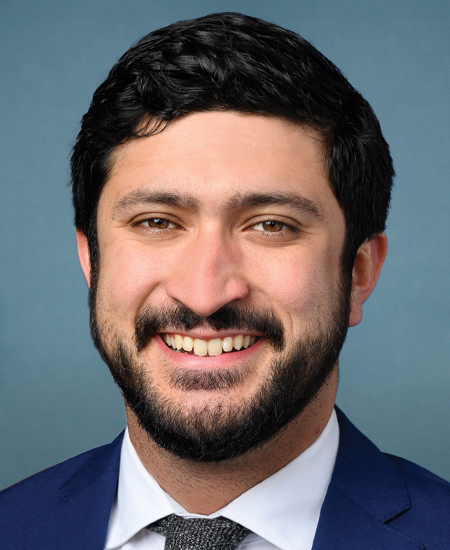
Greg Casar
83% support rate
Top opponent
Susan M. Collins
0% support rate
Ranked legislators
10
5 support · 5 oppose
Key legislators

Who's moving wildlife in United States

Legislators moving wildlife in United States
Legislator Party Stance Support rate Votes
Greg Casar
Greg Casar House · District 35
D
Strong +
83% 12
Judy Chu
Judy Chu House · District 28
D
Strong +
81% 16
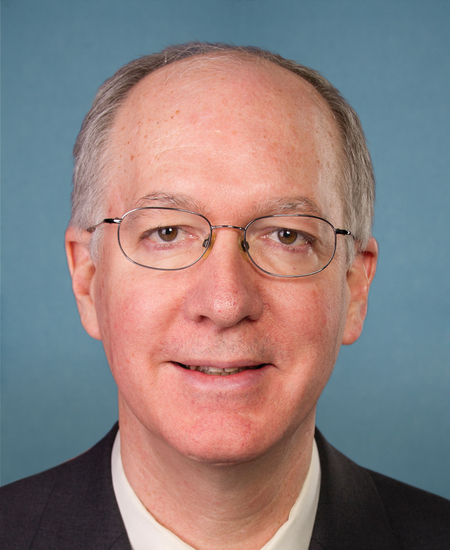
Bill Foster
Bill Foster House · District 11
D
Strong +
80% 15
Chellie Pingree
Chellie Pingree House · District 1
D
Strong +
80% 15
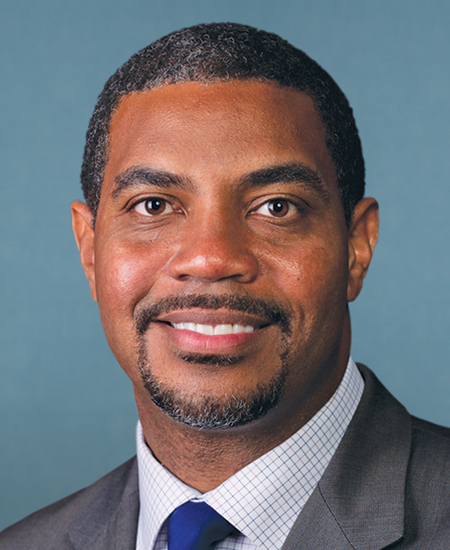
Steven Horsford
Steven Horsford House · District 4
D
Strong +
80% 15
Susan M. Collins
Susan M. Collins Senate
R
Strong −
0% 5
Aaron Bean
Aaron Bean House · District 4
R
Strong −
19% 16
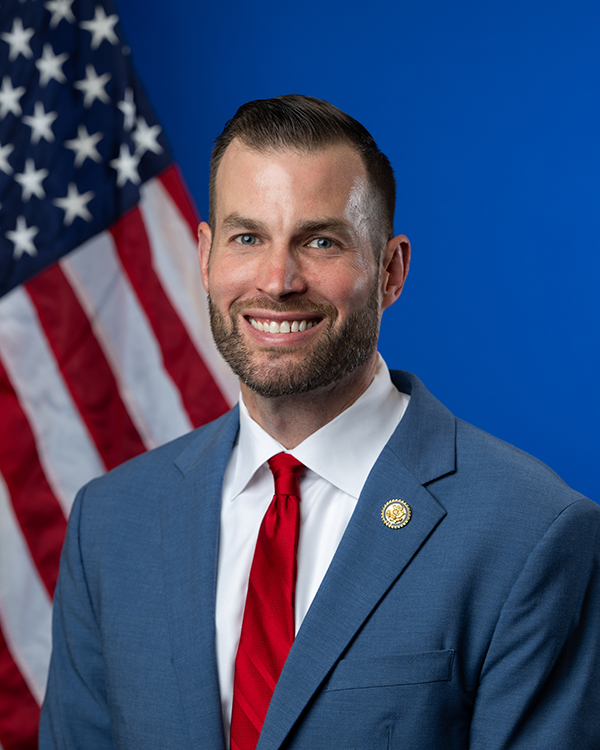
Clay Fuller
Clay Fuller House · District 14
R
Strong −
20% 5
John Fetterman
John Fetterman Senate
D
Strong −
20% 5
Andrew Ogles
Andrew Ogles House · District 5
R
Oppose
21% 14
Showing 61–70 of 135 bills

All environment bills

passed · United States · House Jun 3, 2026

HR 5682: To take certain land in the State of California into trust for the benefit of the Pechanga Band of Indians, and for other purposes.

This bill transfers approximately 1,261 acres of federal land in Riverside County, California (administered by the Bureau of Land Management) into trust for the Pechanga Band of Indians, making it part of their reservation under federal management. The land must remain open space, be used only for cultural/wildlife preservation, and cannot be used for any gambling (including class II or III gaming). The bill preserves existing water rights and service agreements, requires tribes to report MOU terminations to Congress and the Interior Department, and prohibits development that conflicts with open space or conservation goals.
Sub-Topics Conservation Public Lands Wildlife Tags Tribal Nations
in committee · United States · House Jan 23, 2025

HR 717: Wildlife Movement Through Partnerships Act of 2025

HR 717 establishes a grant program to fund projects improving habitat connectivity for migratory wildlife, primarily benefiting big game species like deer, elk, and pronghorn. The bill provides federal funding (with up to 90% federal share) for states, tribes, nonprofits, and landowners to implement habitat improvements such as fence modifications, wildlife crossings, and habitat restoration in identified movement areas. Projects must include support from state or tribal wildlife agencies, and at least 50% of funding must target big game movement areas. The program coordinates with existing initiatives like the Migratory Big Game Initiative and requires annual reporting on conservation outcomes.
in committee · United States · House Jul 15, 2025

HR 3858: Sport Fish Restoration, Recreational Boating Safety, and Wildlife Restoration Act of 2025

This bill extends funding deadlines for sport fish restoration and recreational boating programs through 2031, updating prior expiration dates. It clarifies funding for interstate fisheries commissions and adds new definitions for alternative marine fuel infrastructure, including facilities dispensing fuels derived from recycled oils or plant materials. The bill also establishes a 3% tax rate (down from 10%) for portable, electronically-aerated bait containers sold by manufacturers. These changes primarily affect recreational boaters, sport fishing programs, and facilities seeking to install alternative fuel infrastructure.
Sub-Topics Wildlife
in committee · United States · House May 13, 2025

HR 3329: Wildlife Corridors and USDA Conservation Programs Act of 2025

This bill establishes a program to identify and protect "American wildlife corridors" - connected habitats that allow wildlife to move freely across landscapes. The Secretary of Agriculture, working with wildlife agencies, must identify these areas within one year, create maps, and submit reports to Congress. Landowners enrolled in USDA conservation programs can receive priority enrollment or contract modifications if they help maintain these corridors through practices like habitat restoration and wildlife monitoring. The law directly affects farmers and ranchers participating in USDA conservation programs by offering new incentives to support wildlife movement and habitat connectivity.
Sub-Topics Conservation Wildlife
in committee · United States · House Jul 22, 2025

HR 180: Endangered Species Transparency and Reasonableness Act of 2025

The Endangered Species Transparency and Reasonableness Act of 2025 requires federal agencies to publish online the scientific data used to list species as endangered or threatened, with limited exceptions for state privacy laws or classified defense information. It also mandates a monthly updated, searchable database of federal spending on lawsuits related to the Endangered Species Act, including case details, involved agencies, and funds expended. This bill directly affects agencies like the Department of the Interior, Environmental Protection Agency, and National Marine Fisheries Service, as well as states, tribes, and local governments that provide data or are involved in litigation. The law aims to increase transparency in species listing decisions and federal spending on legal disputes under the Endangered Species Act.
Sub-Topics Conservation Wildlife Tags Government Transparency
in committee · United States · House Jan 17, 2026

HR 7143: Roadside Pollinator Program Amendments Act

This bill amends a federal program to promote pollinator-friendly vegetation along roadsides and highway rights-of-way. It expands eligibility to include 501(c)(3) nonprofits managing such projects and requires consultation with the Fish and Wildlife Service before finalizing plans. The bill increases annual funding from $150,000 to $500,000 for program administration and raises the annual funding cap for projects from $2 million to $5 million (for fiscal years 2026-2031). These changes directly affect state transportation departments, federal land agencies, and qualifying nonprofit organizations managing roadside vegetation. The key policy shift is broadening partnership opportunities while increasing funding and clarifying consultation requirements.
in committee · United States · Senate Feb 4, 2026

S 291: Lower Colorado River Multi-Species Conservation Program Amendment Act of 2025

Lower Colorado River Multi-Species Conservation Program Amendment Act of 2025 This bill establishes an interest-bearing account for the nonfederal contributions for the Lower Colorado River Multi-Species Conservation Program, a cooperative effort between federal and nonfederal entities in Arizona, California, and Nevada. The program works to recover multiple species listed under the Endangered Species Act.
Sub-Topics Conservation Wildlife
in committee · United States · House Jun 24, 2025

HR 4108: Refuge From Cruel Trapping Act

HR 4108, the Refuge From Cruel Trapping Act, bans the possession or use of body-gripping traps (traps that kill or severely injure wildlife) in National Wildlife Refuges. It directly affects visitors, hunters, and trappers using such traps within refuge boundaries, with limited exceptions for federal agencies managing invasive species or endangered wildlife, dismantling traps, Alaska-specific use, and tribal subsistence hunting. The bill includes penalties of up to $500 per trap, potential jail time, and forfeiture of traps or captured wildlife for violations. It requires the Secretary of the Interior to issue implementing regulations within 120 days but takes effect 120 days after enactment.
Sub-Topics Conservation Wildlife
in committee · United States · House Dec 2, 2025

HR 5564: To amend the Federal Insecticide, Fungicide, and Rodenticide Act to provide for improved coordination between the Administrator of the Environmental Protection Agency and the Secretary of Agriculture, and for other purposes.

This bill requires the Environmental Protection Agency (EPA) to coordinate closely with the U.S. Department of Agriculture (USDA) when making decisions about pesticide safety rules. It mandates that the EPA conduct economic analyses of costs for farmers, state agencies, and businesses affected by pesticide safety measures, and share data on pesticide use and alternatives. The EPA must also coordinate with USDA and other agencies (like Interior and Commerce) on Endangered Species Act protections related to pesticides. These changes directly affect pesticide manufacturers, farmers, state agricultural agencies, and federal agencies involved in pesticide regulation.
Sub-Topics Wildlife Tags Agriculture
in committee · United States · House Jun 24, 2025

HR 3538: Wildlife Confiscations Network Act of 2025

HR 3538, the Wildlife Confiscations Network Act of 2025, establishes a national network to handle the care of live wildlife seized at U.S. borders due to illegal trafficking. It creates a coordinated system where Federal wildlife law enforcement (like the U.S. Fish and Wildlife Service) can partner with qualified facilities - including zoos, sanctuaries, and rehabilitation centers - to provide immediate care, maintain evidence integrity, and manage long-term placement for confiscated animals. The bill expands a successful Southern California pilot that already placed over 4,100 animals by creating a centralized database and single point of contact for law enforcement. It authorizes $5 million annually (2026-2030) to support this network, directly affecting border agencies and participating care facilities while addressing capacity gaps at ports of entry.
Sub-Topics Wildlife
Showing 61 to 70 of 135 bills
Previous 1 6 7 8 14 Next