Issue · Environment

Environment (Coastal & Flood Protection)

Every environment bill, vote, and legislator stance in United States, automatically classified by Maddy, our AI policy reader.

Total bills
135
119th Congress
Top supporter
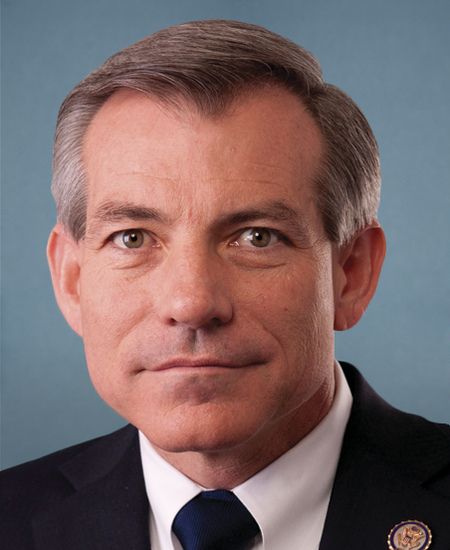
David Schweikert
78% support rate
Top opponent
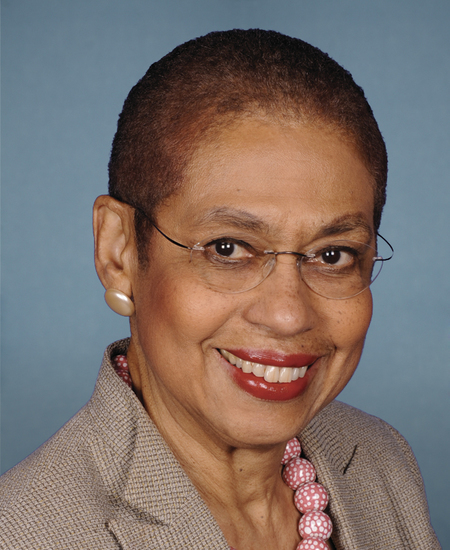
Eleanor Holmes Norton
0% support rate
Ranked legislators
10
5 support · 5 oppose
Key legislators

Who's moving coastal & flood protection in United States

Legislators moving coastal & flood protection in United States
Legislator Party Stance Support rate Decisive votes
David Schweikert
David Schweikert House · District 1
R
Support
78% 18
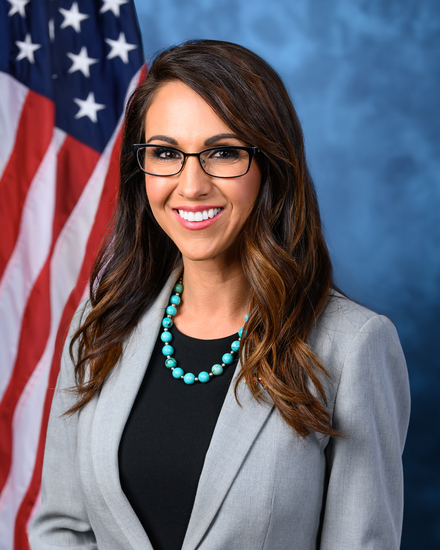
Lauren Boebert
Lauren Boebert House · District 4
R
Support
78% 18
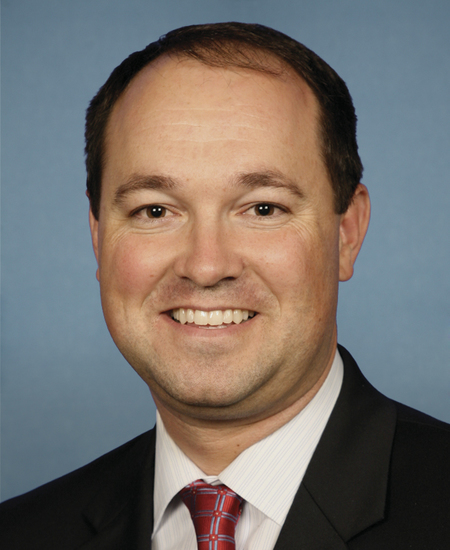
Marlin A. Stutzman
Marlin A. Stutzman House · District 3
R
Support
76% 17
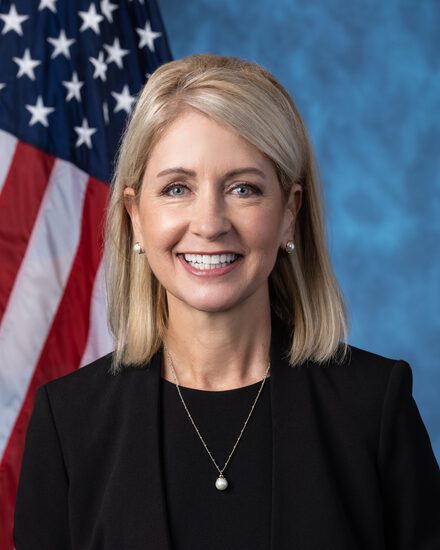
Mary E. Miller
Mary E. Miller House · District 15
R
Support
76% 17
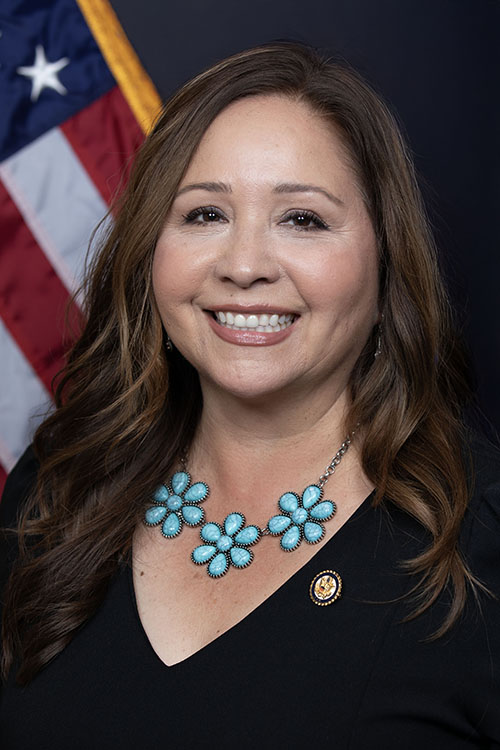
Adelita S. Grijalva
Adelita S. Grijalva House · District 7
D
Support
75% 4
Eleanor Holmes Norton
Eleanor Holmes Norton House · District At-Large
D
Strong −
0% 11
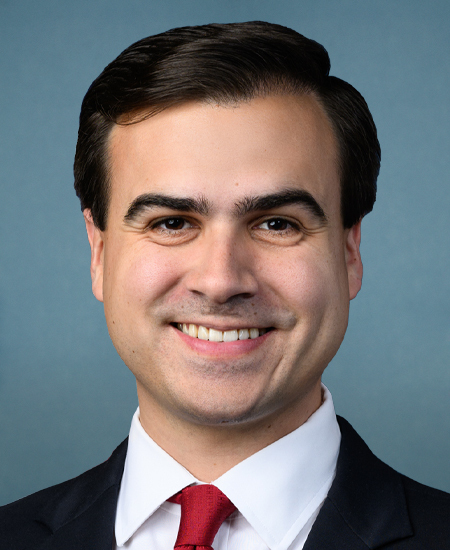
Pablo José Hernández
Pablo José Hernández House · District At-Large
D
Strong −
0% 10
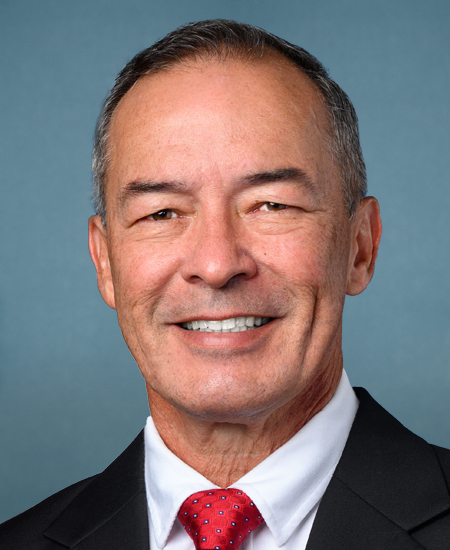
James C. Moylan
James C. Moylan House · District At-Large
R
Strong −
0% 8
Stacey E. Plaskett
Stacey E. Plaskett House · District At-Large
D
Strong −
0% 8
Susan M. Collins
Susan M. Collins Senate
R
Strong −
0% 4
Showing 61–70 of 135 bills

All environment bills

in committee · United States · House Jun 7, 2025

HR 3817: Toxic Health Threat Warning Act of 2025

HR 3817, the Toxic Health Threat Warning Act of 2025, requires the Secretary of the Army to test water released from flood control structures for cyanotoxins before any release. If cyanotoxin levels exceed 8 parts per billion, the Secretary must notify the public and local governments about the release and potential health risks. This law directly affects communities and local governments downstream of flood control structures where water is released. The key provision mandates testing and public notification when toxin levels surpass the established threshold, aiming to prevent exposure to harmful cyanotoxins.
passed · United States · House Mar 17, 2026

HR 2294: To reauthorize the Integrated Coastal and Ocean Observation System Act of 2009.

HR 2294 reauthorizes the Integrated Coastal and Ocean Observation System Act of 2009, extending funding and updating governance for the nation's ocean and coastal observation network. It changes references from "Council" to "Committee" throughout the law and adds requirements for federal agencies to collaborate with regional coastal observing systems on data sharing. The bill specifically directs agencies to conduct operational oceanography measurements and establishes $56 million annually for fiscal years 2026 through 2030 to support this system. This bill directly affects federal agencies managing ocean observation programs and regional coastal data networks.
in committee · United States · House Apr 24, 2025

HR 2991: Ocean Acidification Research Partnerships Act

This bill establishes a federal grant program to fund collaborative research between the seafood industry (including shellfish growers, commercial fishermen, and supply chain businesses) and academic institutions on ocean acidification. Projects must meet specific criteria, such as fostering mutual partnerships, incorporating industry expertise, and delivering shared benefits to both sectors. The program prioritizes research addressing vulnerable coastal communities, demonstrating local stakeholder support, or utilizing industry resources for monitoring. It authorizes $5 million annually from 2026 to 2030, with federal funds covering up to 85% of project costs.
in committee · United States · House Jun 17, 2025

HR 4047: Coastal Communities Ocean Acidification Act of 2025

HR 4047, the Coastal Communities Ocean Acidification Act of 2025, amends the 2009 Federal Ocean Acidification Research and Monitoring Act to improve collaboration on ocean acidification issues. The bill requires the National Oceanic and Atmospheric Administration (NOAA) to establish ongoing input mechanisms for affected industries, coastal stakeholders, fishery councils, Indigenous groups (including Indian Tribes and Native Hawaiian organizations), and non-Federal scientists. It mandates specific tribal representation on the Advisory Board, directs NOAA to coordinate with tribes on vulnerability assessments and research planning, and prioritizes underserved coastal communities in resource allocation. These changes aim to integrate community and tribal knowledge into federal research and management efforts related to ocean acidification impacts on coastal economies and ecosystems.
Sub-Topics Coastal & Flood Protection Tags Tribal Nations
in committee · United States · House Jun 6, 2025

HR 3814: Puerto Rico BEACHES Act

The Puerto Rico BEACHES Act (HR 3814) requires the U.S. Comptroller General to study how coastal erosion - impacting beaches, dunes, and wetlands - affects tourism, fisheries, and coastal businesses across Puerto Rico. The study must coordinate with Puerto Rico’s natural resources, economic development, and tourism agencies, and include specific recommendations for mitigating environmental impacts on these industries. The report will analyze erosion challenges in defined coastal areas, including wetlands, bays, and estuaries, as specified in the bill. This is a procedural study bill focused solely on assessment, not on implementing new policies or funding.
in committee · United States · House Jan 13, 2026

HR 5280: Protecting Farmers from Natural Disasters Act of 2025

HR 5280, the *Protecting Farmers from Natural Disasters Act of 2025*, amends the Agricultural Credit Act of 1978 to allow the Secretary of Agriculture to permit restoration of farmland above pre-disaster conditions if it benefits the long-term health and protection of the watershed. This directly affects farmers seeking disaster recovery assistance and gives the Secretary discretion to approve such restoration projects. The key provision replaces an existing requirement with a new standard focused on watershed sustainability, rather than strictly returning land to its pre-disaster state. The bill makes a specific policy change to existing disaster recovery rules without creating new programs or funding.
passed · United States · House Jun 9, 2026

HR 6338: Stop Illegal Fishing Act

This bill authorizes U.S. sanctions against foreign individuals, entities, and vessels involved in illegal, unreported, and unregulated fishing (IUU fishing), particularly targeting China as the primary perpetrator. It requires freezing assets and denying visas to those who own, captain, or operate vessels engaged in IUU fishing, while mandating annual reports on sanctions implementation. Exceptions include humanitarian aid, national security activities, and compliance with international agreements. The policy aims to protect global fisheries, coastal communities, and marine ecosystems from harmful fishing practices.
in committee · United States · House Jan 15, 2025

HR 403: Preventing Our Next Natural Disaster Act

This bill amends the Robert T. Stafford Disaster Relief Act to prioritize disaster resilience funding for vulnerable communities. It defines "environmental justice communities" (communities of color, low-income, or Tribal areas facing higher environmental risks) and "small impoverished communities" (under 50,000 people, economically disadvantaged), requiring FEMA to prioritize these groups for assistance. The bill increases federal funding coverage to 90% for mitigation projects in these communities (up from 75%) and mandates that projects account for future climate risks in design. It also creates a new federal database to track disaster spending and requires FEMA to provide outreach support to help eligible communities apply for funding.
in committee · United States · House Jun 5, 2025

HR 3771: Protecting Coasts and Cities from Severe Weather Act

This bill establishes a federal program to improve coastal flood and storm surge forecasting through better models, data, and community preparedness. It directs the Under Secretary of Commerce to prioritize real-time prediction of ocean-driven flooding, incorporate sensor data (like urban heat mapping), and develop probabilistic forecasts for use by emergency managers and communities. The program also requires identifying and filling "data voids" in vulnerable coastal areas to enhance weather observations and emergency response tools, with pilot projects focusing on critical infrastructure like dams and power plants. Key mechanisms include annual budget submissions to Congress and interagency coordination with FEMA and the National Weather Service to implement these improvements.
Sub-Topics Coastal & Flood Protection Natural Disasters Tags Emergency Management
passed · United States · House Jun 10, 2025

HR 1948: To authorize the International Boundary and Water Commission to accept funds for activities relating to wastewater treatment and flood control works, and for other purposes.

HR 1948 authorizes the International Boundary and Water Commission (IBWC) to accept funds from federal or non-federal entities - including grants or agreements - to study, design, construct, operate, or maintain wastewater treatment facilities, water conservation projects, and flood control works along the U.S.-Mexico border. The bill requires these funds to be deposited into a specific U.S. Treasury account and imposes a $5 million annual limit on reimbursing non-federal partners for project costs. It also prohibits accepting funds from entities tied to "foreign countries of concern" (as defined in other law) and mandates annual reports to Congress detailing how funds were used. This bill directly affects the IBWC’s funding mechanisms and entities providing financial support for border water infrastructure projects.
Showing 61 to 70 of 135 bills
Previous 1 … 6 7 8 … 14 Next