Issue · Environment

Environment

Every environment bill, vote, and legislator stance in United States, automatically classified by Maddy, our AI policy reader.

Total bills
2,003
119th Congress
Top supporter
Aisha Wahab
100% support rate
Top opponent
Marsha Blackburn
11% support rate
Ranked legislators
10
5 support · 5 oppose
Key legislators

Who's moving environment in United States

Legislators moving environment in United States
Legislator Party Stance Support rate Decisive votes
Aisha Wahab
Aisha Wahab House · District 14
D
Strong +
100% 7
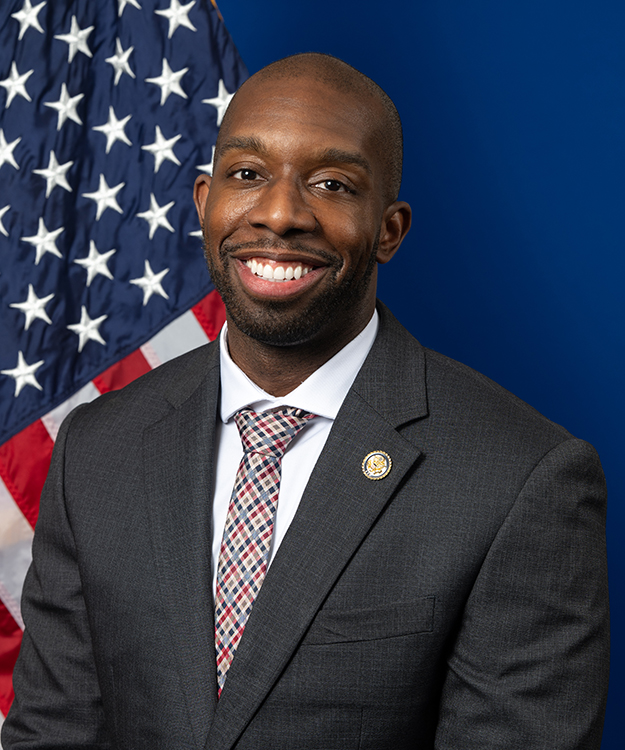
Everton Blair Jr.
Everton Blair Jr. House · District 13
D
Strong +
89% 9
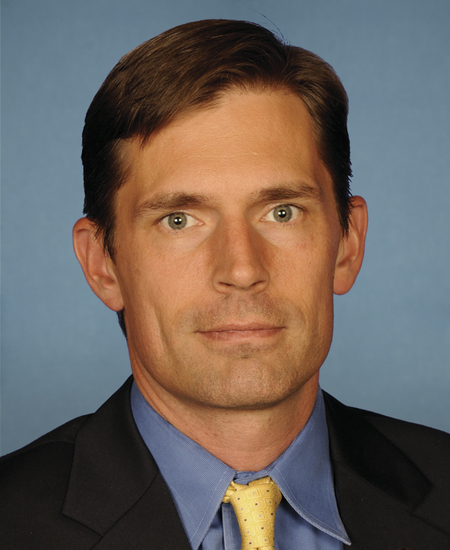
Martin Heinrich
Martin Heinrich Senate
D
Strong +
84% 37
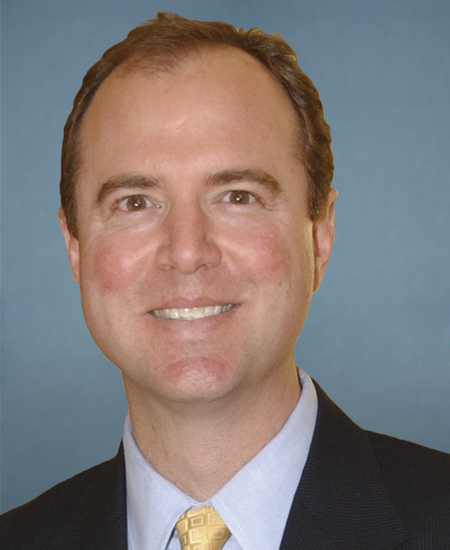
Adam B. Schiff
Adam B. Schiff Senate
D
Support
79% 53
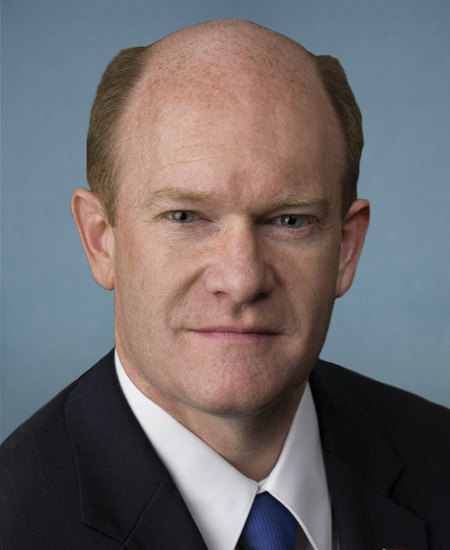
Christopher A. Coons
Christopher A. Coons Senate
D
Support
79% 52
Marsha Blackburn
Marsha Blackburn Senate
R
Strong −
11% 36
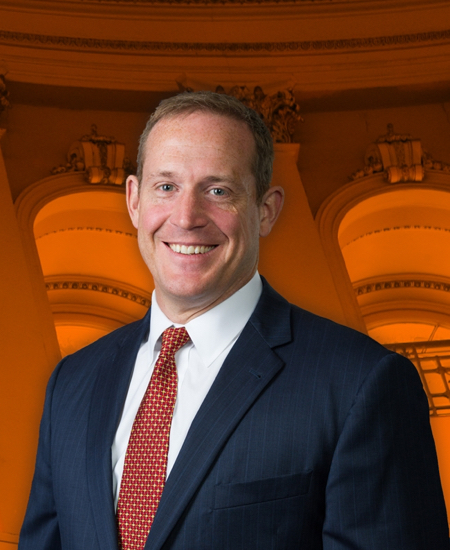
Ted Budd
Ted Budd Senate
R
Strong −
20% 40
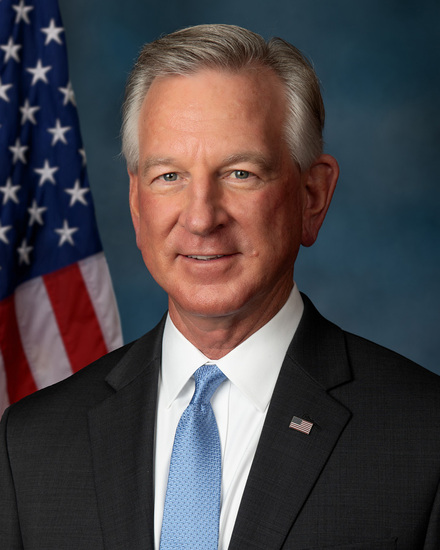
Tommy Tuberville
Tommy Tuberville Senate
R
Oppose
21% 53
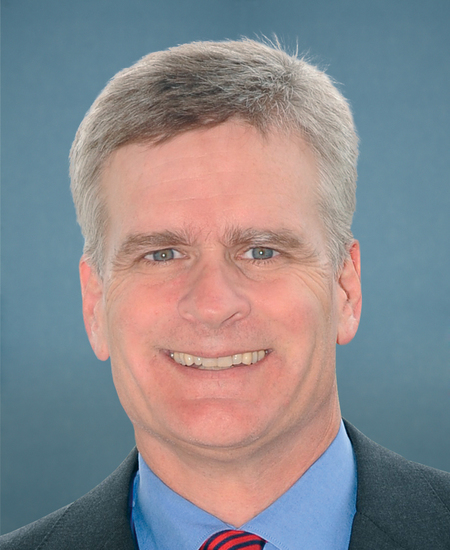
Bill Cassidy
Bill Cassidy Senate
R
Oppose
22% 54
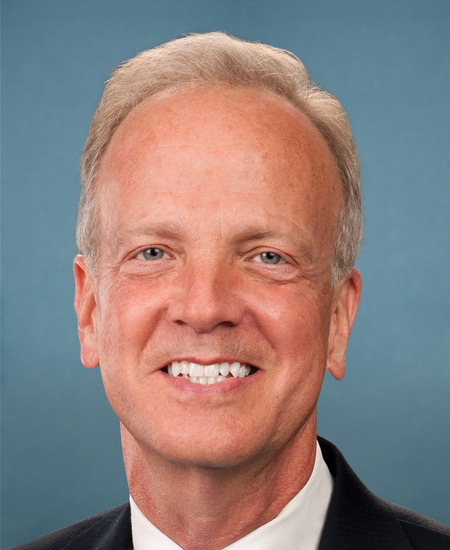
Jerry Moran
Jerry Moran Senate
R
Oppose
23% 53
Showing 601–610 of 2,003 bills

All environment bills

in committee · United States · Senate Sep 15, 2025

S 2797: Capital for Beginning Farmers and Ranchers Act of 2025

This bill creates a pilot program for development loans to help beginning farmers and ranchers make long-term investments. It defines "development expenditures" to cover items like equipment, soil health improvements, business systems, and market access - things that benefit the farm beyond a single year. Loans under this program can be up to $100,000 with repayment terms of 3-10 years, interest rates of 0-3%, and require annual interest payments. The program also mandates borrower training on farm management, bookkeeping, and risk management, with evaluations and biennial reports to Congress.
Tags Agriculture
in committee · United States · Senate Feb 11, 2026

S 544: Mining Regulatory Clarity Act

Mining Regulatory Clarity Act This bill allows mining operators to use federal lands for activities ancillary to mining, such as waste disposal, regardless of whether those lands contain mineral deposits valuable enough to be mined (mineral validity). It also establishes the Abandoned Hardrock Mine Fund. The bill addresses a 2022 decision in the U.S. Court of Appeals for the Ninth Circuit related to the Rosemont Copper Mine in Arizona (commonly known as the Rosemont decision , described further in CRS Report R48166 ). The court held that mining claims are only allowed where mineral validity has been established and that mill site claims are more appropriate means for establishing a mining waste disposal site under the Mining Act. The bill allows a mining operator to (1) locate and include within its plan of operations as many mill site claims (e.g., areas for waste rock disposal) as are reasonably necessary for its operations, and (2) use or occupy public land in accordance with an approved plan of operations. Additionally, the bill requires any revenue generated from fees for such mill site claims to be deposited into the Abandoned Hardrock Mine Fund. The Department of the Interior must use the fund for certain abandoned hardrock mine reclamation activities.
in committee · United States · Senate Oct 7, 2025

SJRES 61: A joint resolution providing for congressional disapproval under chapter 8 of title 5, United States Code, of the rule submitted by the Bureau of Land Management relating to "Miles City Field Office Record of Decision and Approved Resource Management Plan Amendment".

This bill (SJRES 61) is a procedural resolution seeking congressional disapproval of a specific rule issued by the Bureau of Land Management (BLM) regarding the Miles City Field Office's resource management plan. It targets a November 2024 BLM rule amendment to the Miles City Field Office's Resource Management Plan, which the Government Accountability Office determined qualifies as a "rule" under the Congressional Review Act. If passed, the resolution would nullify this BLM rule, preventing it from taking effect. The resolution directly affects land management decisions at the Miles City Field Office in Montana.
Sub-Topics Public Lands
in committee · United States · Senate Aug 1, 2025

S 2664: Skilled Workforce Act

S 2664, the Skilled Workforce Act, creates a 30% federal tax credit for businesses investing in training facilities that address workforce shortages in high-demand industries like high-tech manufacturing, clean energy, construction, and advanced transportation. The credit applies to eligible institutions (such as community colleges, career schools, and public secondary schools) partnering with businesses to build or upgrade facilities for skills-based training programs. Projects must be certified by Treasury and Commerce, with a total funding cap of $500 million, prioritizing rural schools and those serving underserved communities. The credit cannot be combined with other tax benefits for the same investment and applies to property placed in service after the bill's enactment.
in committee · United States · House Jan 8, 2026

HR 2250: National Landslide Preparedness Act Reauthorization Act of 2025

This bill reauthorizes the National Landslide Preparedness Act through 2030, updating definitions and expanding program requirements. It adds specific definitions for "atmospheric river," "atmospheric river flooding event," and "extreme precipitation event" to guide risk assessments. Key provisions require the Secretary to assess risks from these events in the national strategy, expand eligibility for grants to include Tribal organizations and Native Hawaiian groups, and dedicate $10 million of the $35 million total funding for landslide early warning systems in high-risk areas. The bill directly affects federal agencies (USGS, Commerce), state/local governments, tribes, Native Hawaiian organizations, and communities facing landslide hazards.
Sub-Topics Natural Disasters
in committee · United States · House May 29, 2025

HR 3630: IBEM Act of 2025

This bill updates the International Bridge Act of 1972 to modernize border crossing permits. It expands the definition of "international bridge" to include land ports of entry on the U.S.-Mexico and U.S.-Canada borders, covering both bridges and border crossings. Crucially, it removes the requirement for environmental reviews under the National Environmental Policy Act (NEPA) for Presidential permits related to these projects. The bill directly affects developers and agencies seeking permits for border infrastructure projects by streamlining the approval process.
in committee · United States · House May 13, 2025

HR 3325: CHEERS Act

The CHEERS Act creates a new tax deduction for restaurants, bars, and entertainment venues that purchase energy-efficient draft beer equipment. It amends tax code Section 179D to treat stainless steel or aluminum draft containers and tap systems as "qualified energy-efficient property," allowing businesses to deduct these costs. The deduction applies only to equipment used specifically for distributing and selling alcohol in eligible venues, meeting existing energy efficiency standards. The provision takes effect for equipment placed in service after December 31, 2024.
Sub-Topics Energy Efficiency
in committee · United States · House Jun 26, 2025

HR 4194: Limiting Liability for Critical Infrastructure Manufacturers Act

HR 4194 would shield manufacturers of critical infrastructure equipment from lawsuits related to wildfires caused by their products, unless they intentionally caused harm through willful misconduct. This law applies to companies defined as critical infrastructure manufacturers under existing federal law (per the Cyber Incident Reporting Act of 2022). It creates legal immunity for these manufacturers against both federal and state lawsuits regarding wildfire-related losses, but requires proof of intentional wrongdoing to override the protection. The bill directly affects companies producing essential infrastructure equipment like power grid components and communication systems.
Sub-Topics Forestry
in committee · United States · Senate Feb 3, 2026

S 3768: ABODE Act

S 3768 (ABODE Act) creates a HUD grant program for developers to build or rehabilitate affordable homes for households earning no more than 50% of area median income. Grants require projects to reduce development costs while meeting specific energy efficiency, resiliency, and accessibility standards - particularly for people with disabilities. Priority is given to projects in areas with severe housing shortages or using universal design. HUD must report to Congress within two years on funded projects, home pricing, and cost savings from the efficiency measures.
Sub-Topics Energy Efficiency Affordable Housing Building Codes Housing Finance Tags People with Disabilities
in committee · United States · Senate Dec 9, 2025

S 2970: A bill to authorize the use of off-highway vehicles in certain areas of the Capitol Reef National Park, Utah.

This bill authorizes the use of off-highway vehicles (OHVs) on specific designated roads within Capitol Reef National Park in Utah. It defines "covered roads" as portions of 12 named park roads and states that Utah's existing laws governing motor vehicles (including OHVs) will apply to these routes. The bill directly affects OHV users traveling on those designated park roads by allowing their use under Utah state law, without creating new federal regulations for the park.
Sub-Topics Parks & Recreation
Showing 601 to 610 of 2,003 bills
Previous 1 … 60 61 62 … 201 Next