Issue · Environment

Environment

Every environment bill, vote, and legislator stance in United States, automatically classified by Maddy, our AI policy reader.

Total bills
2,003
119th Congress
Top supporter
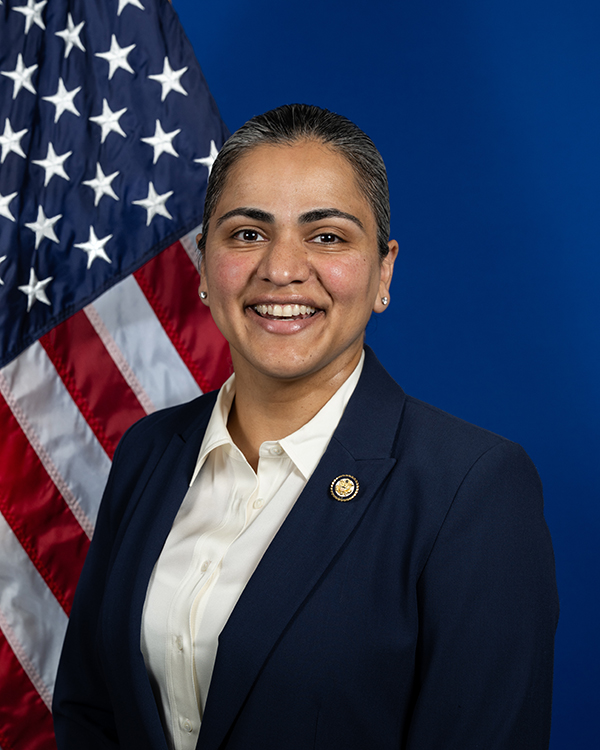
Aisha Wahab
100% support rate
Top opponent
Marsha Blackburn
11% support rate
Ranked legislators
10
5 support · 5 oppose
Key legislators

Who's moving environment in United States

Legislators moving environment in United States
Legislator Party Stance Support rate Decisive votes
Aisha Wahab
Aisha Wahab House · District 14
D
Strong +
100% 7
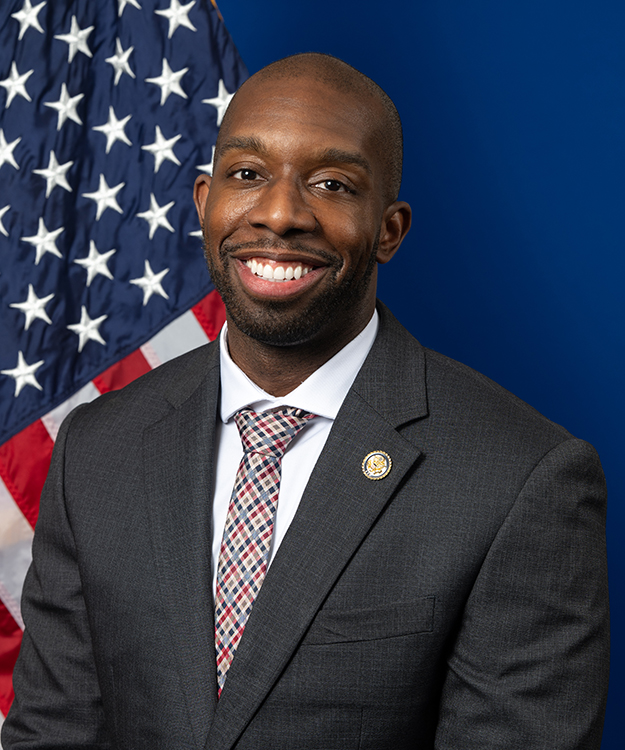
Everton Blair Jr.
Everton Blair Jr. House · District 13
D
Strong +
89% 9
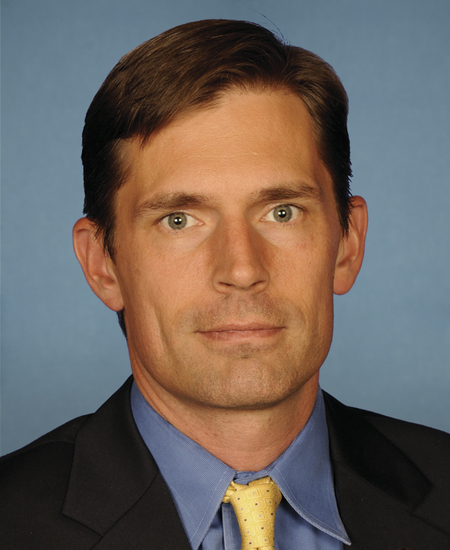
Martin Heinrich
Martin Heinrich Senate
D
Strong +
84% 37
Adam B. Schiff
Adam B. Schiff Senate
D
Support
79% 53
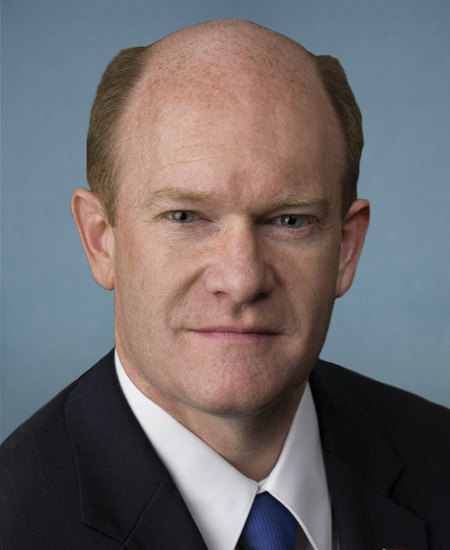
Christopher A. Coons
Christopher A. Coons Senate
D
Support
79% 52
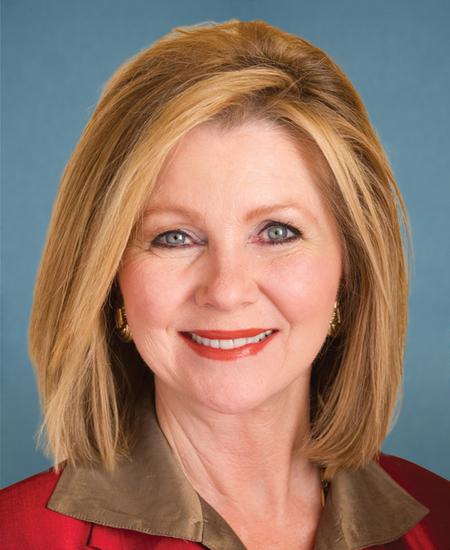
Marsha Blackburn
Marsha Blackburn Senate
R
Strong −
11% 36
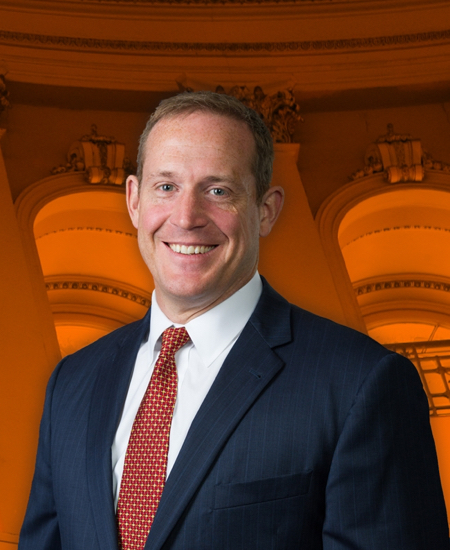
Ted Budd
Ted Budd Senate
R
Strong −
20% 40
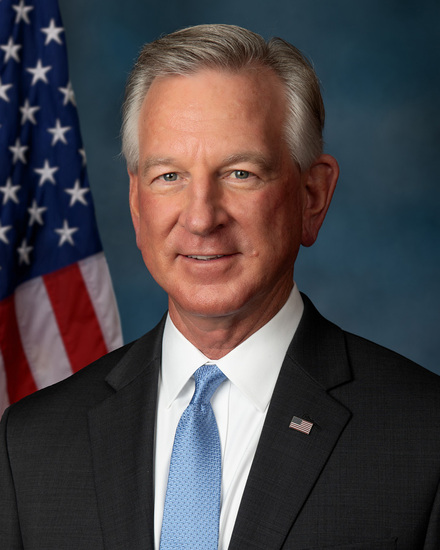
Tommy Tuberville
Tommy Tuberville Senate
R
Oppose
21% 53
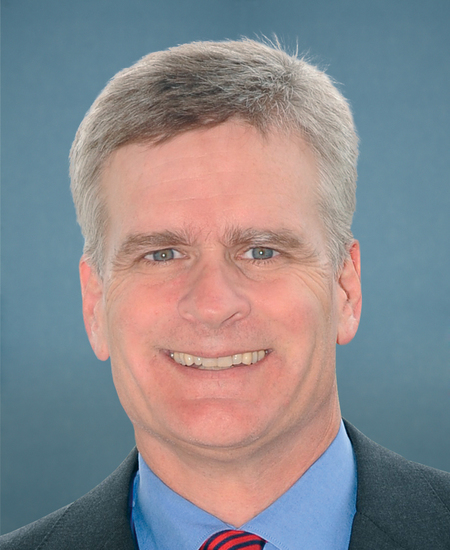
Bill Cassidy
Bill Cassidy Senate
R
Oppose
22% 54
Jerry Moran
Jerry Moran Senate
R
Oppose
23% 53
Showing 571–580 of 2,003 bills

All environment bills

in committee · United States · House Sep 26, 2025

HR 5614: If You See It, Squish It Act of 2025

HR 5614, the "If You See It, Squish It Act of 2025," directs the Secretary of Agriculture to launch a national public awareness campaign about spotted lanternflies. The campaign requires placing TV, radio, and billboard ads in high-incidence areas to inform the public that spotted lanternflies are invasive pests threatening agriculture and to encourage people to kill any they encounter. It specifically mandates these public service announcements and allows the Secretary to use additional awareness tools. This bill directly affects residents in regions with spotted lanternfly infestations by providing information on identifying and addressing the pest.
in committee · United States · House Sep 11, 2025

HR 5332: Liquid Cooling for AI Act of 2025

This bill (HR 5332) mandates a federal review of liquid cooling technologies for data centers, requiring the Government Accountability Office (GAO) to assess their research needs, costs, benefits, and market adoption within 90 days. The study will evaluate how liquid cooling compares to air cooling for efficiency, safety, and heat reuse, including waste heat capture for secondary uses. It directly affects federal agencies operating data centers (like the Department of Energy) by informing future infrastructure decisions. The GAO report and subsequent Department of Energy assessment will guide potential policy but do not fund or require adoption of liquid cooling.
in committee · United States · Senate Apr 9, 2025

S 1398: Organic Imports Verification Act of 2025

This bill requires the U.S. Department of Agriculture to conduct annual residue testing on imported organic feedstuffs shipped in bulk with a national organic program certificate, and to submit yearly reports to Congress detailing testing methods, results, and corrective actions. It directly affects importers of bulk organic feedstuffs by mandating compliance with new verification standards and prohibiting shipments that test above allowed levels of banned chemicals from being sold or labeled as organic. The Secretary of Agriculture must develop annual risk-based testing protocols (considering factors like shipment frequency and chemical risks) and take mandatory corrective actions when violations occur. The law does not change organic production standards but adds verification steps for specific imported feedstuffs to ensure compliance with existing organic regulations.
in committee · United States · Senate Jul 23, 2026

S 1981: Strategic Grazing to Reduce Risk of Wildfire Act

This bill requires the Secretaries of Agriculture and Interior to develop a strategy within 18 months for using livestock grazing to reduce wildfire risks on federal lands. The strategy must include targeted grazing in high-risk areas (like the wildland-urban interface), controlling invasive grasses such as cheatgrass, and using technologies like virtual fencing to adjust grazing placement. It affects federal land managers, ranchers with grazing permits, and communities in fire-prone regions by integrating grazing into wildfire management plans. The bill does not change existing grazing programs but adds specific provisions for risk reduction during droughts, wildfires, or post-fire recovery. It mandates consultation with states, tribes, firefighting agencies, and local stakeholders to coordinate this approach.
Sub-Topics Forestry Public Lands
in committee · United States · Senate Jan 16, 2025

S 111: Red Snapper Act of 2025

The Red Snapper Act of 2025 (S 111) delays potential area closures for the South Atlantic snapper-grouper fishery until specific scientific data is reviewed. It requires the Secretary of Commerce to wait until the South Atlantic Great Red Snapper Count study is complete and its data is integrated into the next stock assessment before implementing any area or bottom closures. This directly affects recreational and commercial fishermen in the South Atlantic region, particularly in Florida, where red snapper fishing supports billions in economic output and tens of thousands of jobs. The bill aims to ensure management decisions are based on the latest fishery survey data rather than current seasonal restrictions.
Sub-Topics Conservation
in committee · United States · Senate Jul 22, 2026

S 1759: Supersonic Aviation Modernization Act

The Supersonic Aviation Modernization Act (S 1759) requires the Federal Aviation Administration (FAA) to update regulations within one year of enactment to permit civil aircraft to fly supersonically (Mach >1) in U.S. airspace without causing sonic booms to reach the ground. This directly affects commercial aircraft manufacturers and airlines seeking to operate new supersonic passenger or cargo planes. The key provision eliminates the current need for special authorization by mandating FAA rules that ensure no ground-level sonic booms occur during flight. The bill focuses solely on enabling regulated supersonic flight operations, not on environmental impacts or economic outcomes.
Sub-Topics Airports Freight
in committee · United States · House Jun 26, 2025

HR 4162: Community Solar Consumer Choice Act of 2025

HR 4162, the Community Solar Consumer Choice Act of 2025, requires electric utilities (excluding Tribal utilities) to offer community solar programs that provide equitable access to all ratepayers, with a focus on low- and moderate-income households. The bill establishes a federal program to help states develop community solar access through technical assistance, data sharing, and support for innovative financing models. Utilities must implement these programs within two years, allowing multiple ownership structures for solar facilities and ensuring low-income subscribers can benefit. The law directly affects utilities, low-income consumers, and state regulators, aiming to expand shared solar power access without requiring new infrastructure.
Sub-Topics Solar
in committee · United States · Senate Jul 16, 2026

S 3383: Unlocking Native Lands and Opportunities for Commerce and Key Economic Developments Act of 2025

This bill modifies federal laws governing tribal land leases and rights-of-way to streamline economic development on tribal lands. It allows tribes to grant land use agreements (rights-of-way) over tribal land without federal approval, provided they have tribal regulations approved by the Secretary of the Interior. Tribes must submit these regulations for review within 180 days, including environmental assessments, but the bill exempts tribes from federal environmental laws like NEPA during this process. The bill directly affects Native American tribes, developers seeking access to tribal land, and the federal government’s oversight role under trust responsibilities. It aims to accelerate commerce and economic projects while maintaining tribal sovereignty and federal trust obligations.
Tags Tribal Nations
in committee · United States · Senate Jun 18, 2025

S 2108: VARIANCE Act

S 2108 (VARIANCE Act) allows commercial trucks transporting specific dry bulk goods to exceed standard axle weight limits by up to 10% (110% of the maximum). It directly affects trucking companies hauling homogeneous, unpackaged dry bulk cargo (like grain or sand) in trailers designed for that purpose. The bill amends federal law to permit this weight variance for dry bulk goods only, while still requiring compliance with the overall gross vehicle weight limit. This change applies solely to vehicles carrying defined dry bulk goods in purpose-built trailers, not to other cargo or vehicles.
in committee · United States · House Dec 17, 2025

HR 6784: Home Lead Safety Tax Credit Act of 2025

HR 6784 creates a federal tax credit allowing homeowners to claim 50% of costs for removing lead hazards in homes built before 1978, directly affecting owners of older properties. The credit covers certified lead abatement (up to $3,000 per home) or interim safety measures (up to $1,000), with a lifetime cap of $4,000 per residence. Homeowners must use certified professionals, provide documentation of completed work meeting federal standards, and cannot double-dip with state/local credits. The credit expires after December 31, 2028, and applies to costs incurred after December 31, 2024.
Showing 571 to 580 of 2,003 bills
Previous 1 … 57 58 59 … 201 Next