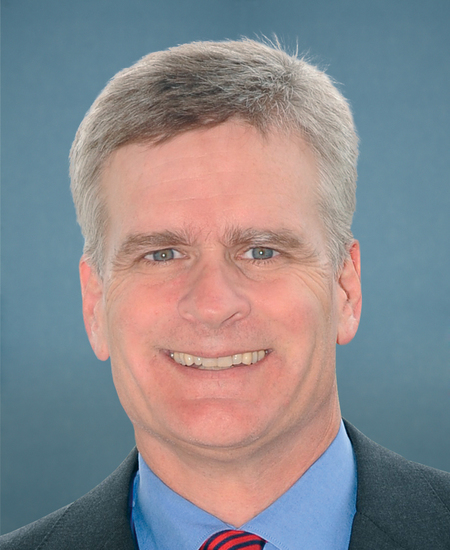
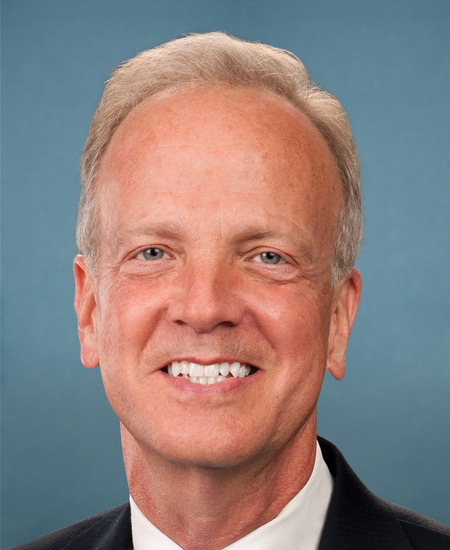
The FISH Act of 2025 establishes a public "IUU vessel list" of foreign fishing vessels, fleets, and their beneficial owners engaged in illegal, unreported, or unregulated fishing or fishing involving forced labor. It prohibits listed vessels from accessing U.S. ports, using U.S. port services, or having their seafood imported into the United States. The bill requires the Secretary of Commerce to develop procedures for adding vessels to the list based on clear evidence, including information from international organizations or U.S. authorities. It also authorizes sanctions against entities involved in IUU fishing or forced labor practices in the fishing industry, aiming to prevent seafood from illegal fishing operations from entering U.S. commerce.
This bill establishes an Office of Food Loss and Waste within the Department of Agriculture to coordinate national efforts to reduce food loss and waste. It creates a grant program for states, local governments, and tribal entities to collect data on food waste policies and develop model approaches to reduce food loss. The legislation requires federal contractors to report on their food waste reduction efforts and establishes a national education campaign to help consumers understand food waste, food safety, and composting. The bill aims to achieve a 50% reduction in food loss and waste by 2030 compared to 2016 levels through coordinated government action and public education. It authorizes $1.5 million annually for the Office and additional funds for related programs through 2030.
S 549, the Maritime Fuel Tax Parity Act, expands a federal tax exemption for alternative motorboat fuels to cover vessels operating exclusively between Atlantic or Pacific U.S. ports (including territories). It amends the tax code to include these specific vessels under the existing exemption for fuel used by vessels described in section 4042(c)(1). The change applies to fuel sold for use after December 31, 2025, directly affecting commercial vessels limited to coast-to-coast U.S. trade. This policy modifies tax treatment without altering broader fuel regulations or creating new requirements.
HR 2831, the Small Business Energy Loan Enhancement Act, doubles the maximum loan amounts for certain small business energy projects under the Small Business Investment Act of 1958, raising the cap from $5.5 million to $10 million for two specific loan categories. This directly affects small businesses seeking financing for energy-related investments, such as efficiency upgrades or renewable energy installations. The bill requires the Small Business Administration (SBA) to annually report to Congress on which industries and geographic areas receive these loans. These changes aim to increase access to capital for qualifying energy projects without altering eligibility criteria.
HR 6805 establishes a federal program to accelerate the development and testing of next-generation nuclear reactors. It requires the Department of Energy to prioritize demonstration projects at least 10 sites for advanced reactor designs, including fourth-generation reactors (like sodium-cooled and molten salt types), small modular reactors under 500 megawatts, and specialized micro-reactors for remote or niche uses (up to 10 megawatts). The bill allows projects on any site, not just DOE-owned land, and mandates cost-sharing partnerships with private industry and research institutions to advance these technologies. This directly affects nuclear developers, energy companies, and research institutions participating in the demonstration program.
HR 7197, the Home Energy Relief Act, repeals restrictions that previously prevented homeowners from combining federal energy rebates with other grants. It allows households to stack HOMES rebates (for whole-home energy upgrades) and high-efficiency electric home rebates with other federal funding, directly benefiting homeowners seeking energy-efficient upgrades. The bill also adds a new "high-cost urban retrofit bonus" allowing states to provide up to 20% additional rebates for electrification projects in pre-1970 housing, while ensuring total rebates don’t exceed project costs. Finally, it requires annual reports to Congress tracking rebate recipients, energy savings, and recommendations for expanding access to low-income households.
HR 7282, the FRAMER Act, requires states to reimburse builders for the cost difference between their own energy efficiency standards and the Department of Housing and Urban Development’s (HUD) minimum standard for new homes built in Opportunity Zones. It directly affects residential builders in Opportunity Zones (designated tax-advantaged areas) by providing payments for exceeding HUD’s baseline energy requirements. The bill mandates that builders disclose to homebuyers the cost difference covered by the reimbursement and any price reduction tied to the payment. The program expires after 7 years, and the government must report annually on reimbursement amounts and cost differences across states and localities.
HR 4105, the VET Act of 2025, establishes a federal grant program to help veterans, active-duty service members transitioning out of the military, and their spouses secure jobs in the energy industry. The program provides grants to energy companies (including manufacturers of solar, wind, or nuclear equipment) to cover costs like job training, recruitment, and relocation for eligible individuals - prioritizing those with military energy experience, in opportunity zones, or facing barriers like homelessness. Grants are capped at $10,000 per hire, with a maximum $500,000 annual limit per company, funded at $60 million yearly from 2026-2031. Companies must report on job retention, employee satisfaction, and program outcomes to the Department of Labor, with a final evaluation due to Congress by 2030.
The CHEERS Act (S 1732) creates a new tax deduction for restaurants, bars, and entertainment venues that install energy-efficient draft beer systems. It amends tax code Section 179D to include "qualified energy-efficient draft property" - specifically stainless steel or aluminum containers and tap equipment used for alcohol distribution - as eligible for the same deductions previously available for broader energy-efficient building property. This allows businesses to deduct the cost of qualifying draft systems when they purchase or lease them, directly benefiting owners of establishments that serve alcohol. The provision applies to equipment placed in service after the bill's enactment date.
This bill allows the Secretary of the Interior to voluntarily acquire specific land within a defined "authorized acquisition area" (outside the current monument boundary) to expand Katahdin Woods and Waters National Monument in Maine. It prohibits the use of eminent domain for land purchases and requires boundary adjustments upon acquisition. The bill maintains existing hunting, fishing, and outdoor recreation rights on newly acquired land, and permits noncommercial hand-gathering of fiddlehead ferns under certain conditions. It also directs the Secretary to collaborate with local communities on public education about the area's history and management, while preserving existing timber access rights.