

Issue · Environment
Environment
Every environment bill, vote, and legislator stance in United States, automatically classified by Maddy, our AI policy reader.
Total bills
1,490
119th Congress
Top supporter
Aisha Wahab
100% support rate
Top opponent
Marsha Blackburn
11% support rate
Ranked legislators
10
5 support · 5 oppose
Key legislators
Who's moving environment in United States
| Legislator | Party | Stance | Support rate | Decisive votes |
|---|---|---|---|---|

Aisha Wahab
House · District 14
|
D |
Strong +
|
100% | 7 |
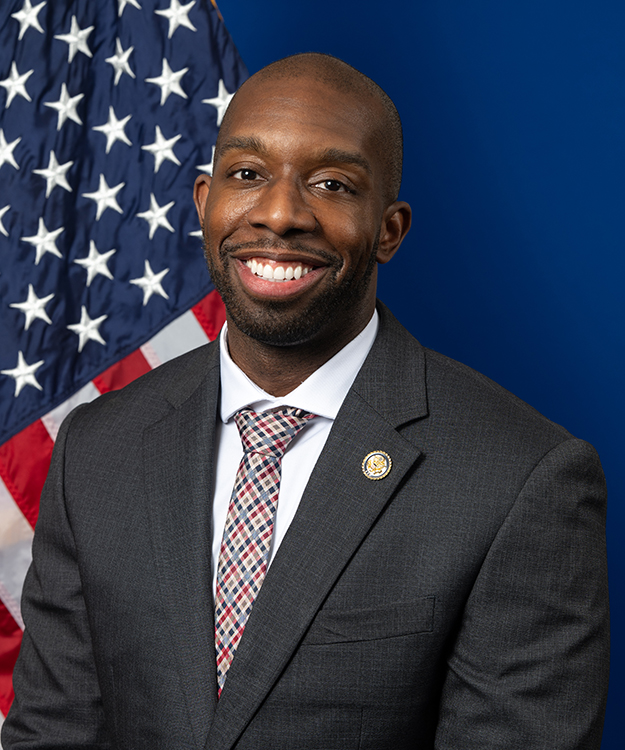
Everton Blair Jr.
House · District 13
|
D |
Strong +
|
89% | 9 |
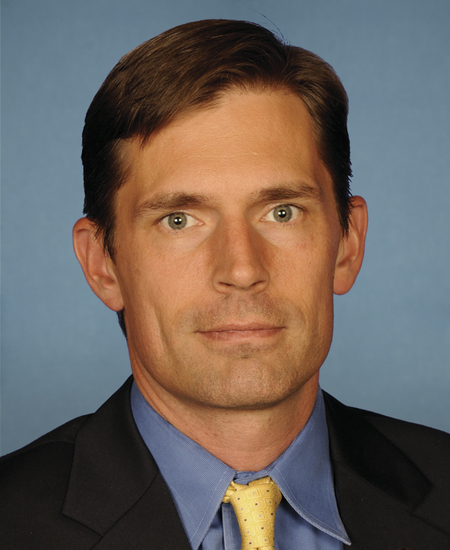
Martin Heinrich
Senate
|
D |
Strong +
|
84% | 37 |

Adam B. Schiff
Senate
|
D |
Support
|
79% | 53 |
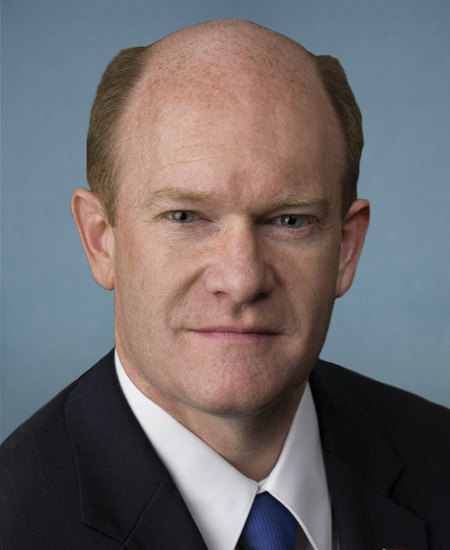
Christopher A. Coons
Senate
|
D |
Support
|
79% | 52 |

Marsha Blackburn
Senate
|
R |
Strong −
|
11% | 36 |

Ted Budd
Senate
|
R |
Strong −
|
20% | 40 |
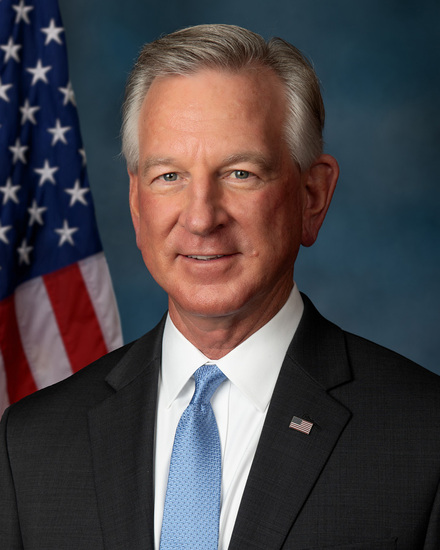
Tommy Tuberville
Senate
|
R |
Oppose
|
21% | 53 |

Bill Cassidy
Senate
|
R |
Oppose
|
22% | 54 |
Jerry Moran
Senate
|
R |
Oppose
|
23% | 53 |
Showing 461–470 of 1,490
bills
All environment bills
HR 5367: Capital for Beginning Farmers and Ranchers Act of 2025
Tags
Agriculture
HR 3098: FAIR Fleets Act
Topics
✓ EnergySupports EnergyBill mandates modernization of postal fleet with fuel-efficient vehicles, advancing energy efficiency and reducing fossil fuel dependence in government operations.
✓ EnvironmentSupports EnvironmentBill mandates modernization of postal fleet with fuel-efficient vehicles, which reduces emissions and supports environmental protection goals.
✓ TransportationSupports TransportationModernizes USPS fleet with fuel-efficient vehicles, expands service to underserved transportation areas including rural communities and tribal lands.
HR 1636: Securing our Radioactive Materials Act
HR 5825: Tribal Housing Innovation Act
Topics
✓ EnergySupports EnergyBill mandates sustainable housing features including solar panels and energy-efficient appliances, directly advancing renewable energy and efficiency standards.
✓ EnvironmentSupports EnvironmentBill funds sustainable housing with solar panels and energy-efficient features on tribal lands, directly advancing environmental protection and clean energy adoption.
✓ HousingSupports HousingBill allocates $150M annually for sustainable housing development on tribal lands, directly funding new residential units with energy-efficient features, advancing affordable housing access.
HR 5803: REACT Act
HR 948: SAFE HOME Act
Topics
✓ Budget & TaxesSupports Budget & TaxesRefundable tax credit reduces homeowner tax burden for wildfire mitigation, aligning with tax relief indicators for middle-income households in designated zones.
✓ EnvironmentSupports EnvironmentBill provides tax credits for wildfire mitigation, promoting vegetation clearing and fire-resistant construction that protects natural resources and reduces environmental damage from wildfires.
HR 6037: To reauthorize the West Valley demonstration project.
Topics
✓ Budget & TaxesSupports Budget & TaxesBill explicitly doubles annual funding for government-managed nuclear waste cleanup project, directly increasing budget allocation for a public service.
✓ EnvironmentSupports EnvironmentBill increases funding for nuclear waste cleanup, which reduces environmental hazards and protects natural resources by managing radioactive materials safely.
S 2797: Capital for Beginning Farmers and Ranchers Act of 2025
Tags
Agriculture
S 2664: Skilled Workforce Act
Topics
✓ Budget & TaxesSupports Budget & TaxesCreates 30% federal tax credit for businesses, directly reducing tax burden through fiscal policy to address workforce shortages.
✓ EducationSupports EducationBill provides 30% tax credit for businesses partnering with community colleges/public schools to fund training facilities, directly advancing educational infrastructure and skills-based programs.
✓ EnergySupports EnergyBill explicitly targets 'clean energy' as a high-demand industry for workforce training, creating tax incentives to build skilled labor capacity in this sector.
✓ EnvironmentSupports EnvironmentBill includes clean energy as a high-demand industry for workforce training, indirectly supporting environmental goals through clean energy sector development
✓ Labor & EmploymentSupports Labor & EmploymentFunds training partnerships to address workforce shortages in key industries, advancing employment standards through skills development.
✓ TechnologySupports TechnologyBill explicitly funds training for high-tech manufacturing workforce development via tax credits, directly advancing technology sector workforce needs.
✓ TransportationSupports TransportationBill provides tax credit for training in 'advanced transportation' sector, supporting workforce development for transportation industries as explicitly listed in summary.
Sub-Topics
Tax Credits
Tax Incentives
Career & Technical Education
Renewable Energy
Apprenticeships
Workforce Development