Issue · Environment

Environment

Every environment bill, vote, and legislator stance in United States, automatically classified by Maddy, our AI policy reader.

Total bills
496
119th Congress
Top supporter
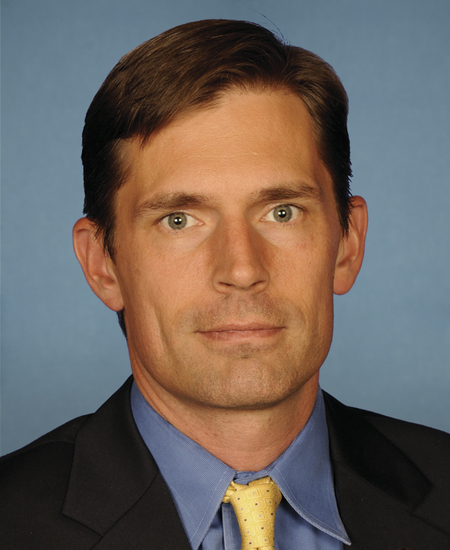
Martin Heinrich
84% support rate
Top opponent
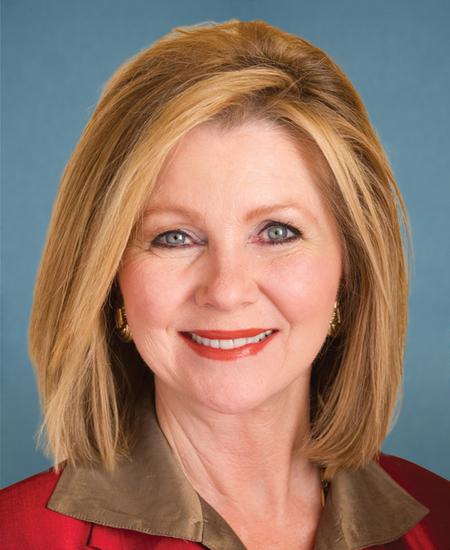
Marsha Blackburn
11% support rate
Ranked legislators
10
5 support · 5 oppose
Key legislators

Who's moving environment in United States

Legislators moving environment in United States
Legislator Party Stance Support rate Votes
Martin Heinrich
Martin Heinrich Senate
D
Strong +
84% 215
Adam B. Schiff
Adam B. Schiff Senate
D
Support
79% 231
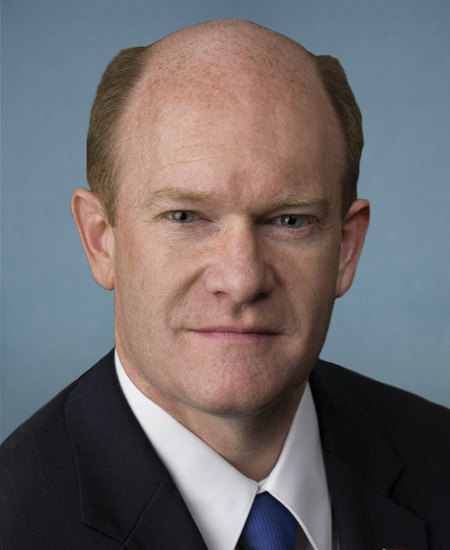
Christopher A. Coons
Christopher A. Coons Senate
D
Support
79% 229
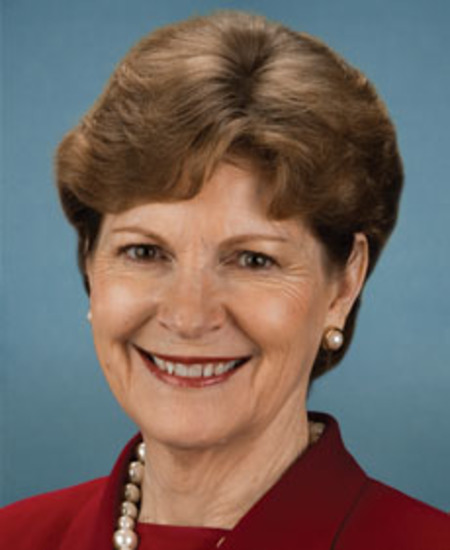
Jeanne Shaheen
Jeanne Shaheen Senate
D
Support
78% 232
Alex Padilla
Alex Padilla Senate
D
Support
78% 232
Marsha Blackburn
Marsha Blackburn Senate
R
Strong −
11% 211
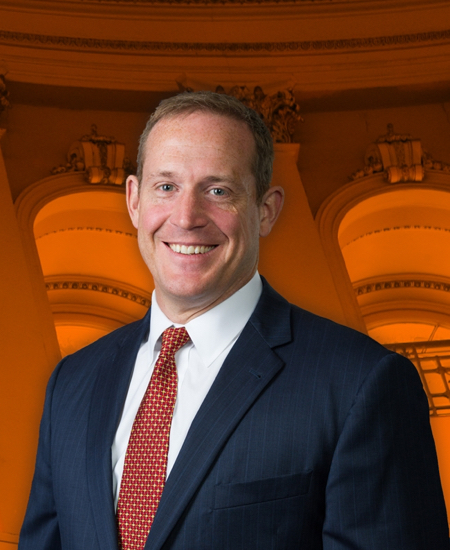
Ted Budd
Ted Budd Senate
R
Strong −
20% 220
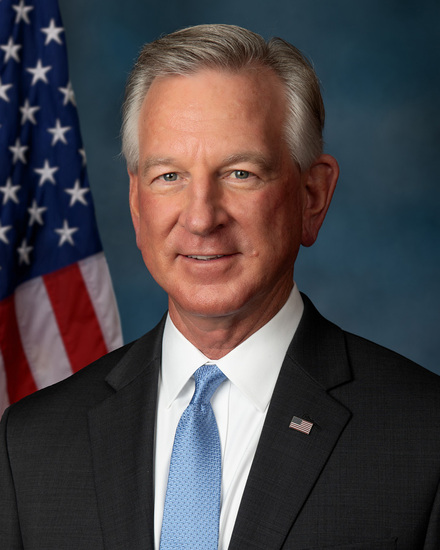
Tommy Tuberville
Tommy Tuberville Senate
R
Oppose
21% 229
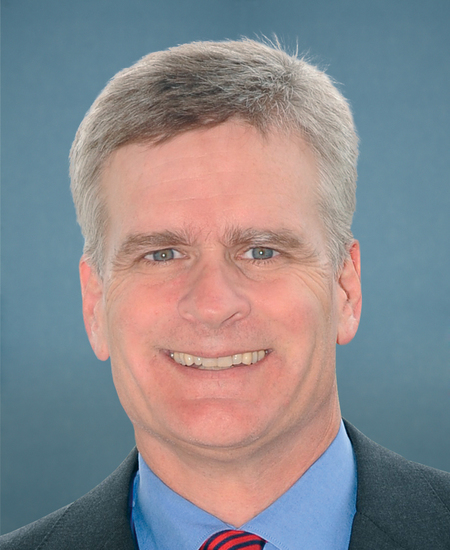
Bill Cassidy
Bill Cassidy Senate
R
Oppose
22% 221
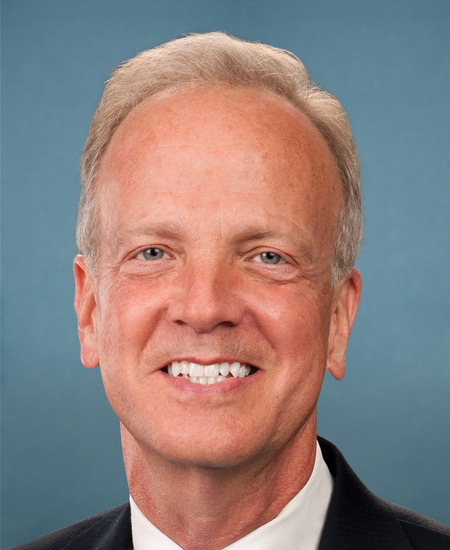
Jerry Moran
Jerry Moran Senate
R
Oppose
23% 228
Showing 431–440 of 496 bills

All environment bills

in committee · United States · House Dec 10, 2025

HR 6566: Recycling Technology Innovation Act

This bill amends the Clean Air Act to clarify when certain plastic conversion facilities are excluded from the definition of "solid waste incineration units." It directly affects companies operating facilities that transform plastic or post-use polymers (via methods like pyrolysis) into usable materials, provided at least 50% of the output by mass is a "product" (e.g., usable substances for sale or manufacturing), not energy or ash. Key mechanisms include adding a specific exclusion for qualifying conversion units (Section 2(A)(iv)) and creating a 180-day petition process for other similar units to seek exclusion (Section 2(B)). The bill defines "product" to exclude electricity, heat, or ash but include materials with commercial applications.
in committee · United States · Senate Jul 22, 2025

SJRES 66: A joint resolution providing for congressional disapproval under chapter 8 of title 5, United States Code, of the rule submitted by the Environmental Protection Agency relating to "National Emission Standards for Hazardous Air Pollutants for Coke Ovens: Pushing, Quenching, and Battery Stacks, and Coke Oven Batteries; Residual Risk and Technology Review, and Periodic Technology Review."

This joint resolution (SJRES 66) seeks to block an Environmental Protection Agency (EPA) rule that established new emission standards for hazardous air pollutants from specific coke oven operations at steel plants. It directly affects the EPA, which would no longer enforce the rule, and steel manufacturers operating coke ovens (used in steel production) who would avoid compliance with the proposed standards. The resolution uses a congressional disapproval process under federal law to nullify the EPA’s rule, which was published in the Federal Register on July 8, 2025. If passed, the rule would have no legal effect, halting its implementation.
in committee · United States · Senate Feb 12, 2026

S 3879: Spent Petroleum Catalyst Recycling and Critical Minerals and Metals Recovery Exemption Act

This bill exempts specific metal recovery processes from certain waste regulations. It clarifies that facilities recycling vanadium and other critical minerals from spent petroleum catalyst (used in oil refining) are not subject to the Boilers and Industrial Furnaces (BIF) requirements under the Solid Waste Disposal Act. The exemption covers the entire recycling chain: de-oiling, thermal treatment (e.g., roasting), and metallurgical recovery (e.g., furnaces). It also allows third-party transfers of spent catalyst for metals reclamation under existing transfer-based waste exclusions. This change aims to eliminate redundant regulations for environmentally safe domestic recovery of critical minerals like vanadium.
in committee · United States · House Aug 26, 2026

HR 6788: Montana Sportsmen Conservation Act

HR 6788, the Montana Sportsmen Conservation Act, removes wilderness study area designations for three specific Montana lands: the 81,000-acre Middle Fork Judith area (managed by the Forest Service) and the 11,380-acre Hoodoo Mountain and 11,580-acre Wales Creek areas (managed by the Bureau of Land Management). These areas were previously evaluated and determined unsuitable for wilderness designation under federal law, with land agencies confirming this through collaborative reviews in 2021 and 2020. The bill directs land managers to instead follow existing land and resource management plans for these areas, which were developed through multi-year stakeholder processes. This change aims to improve management by enhancing sportsmen access, public recreation, and wildlife habitat projects while maintaining current protections under environmental laws.
in committee · United States · House Jul 23, 2025

HJRES 111: Providing for congressional disapproval under chapter 8 of title 5, United States Code, of the rule submitted by the United States Fish and Wildlife Service relating to "Barred Owl Management Strategy".

HJRES 111 is a joint resolution seeking congressional disapproval of a U.S. Fish and Wildlife Service rule on barred owl management. The rule, published in September 2024, outlined strategies to reduce barred owl populations to protect the endangered spotted owl. Under the Congressional Review Act, this resolution would nullify the rule, preventing its implementation. If enacted, the rule would have no legal effect, and the agency could not enforce the barred owl management strategy.
Sub-Topics Wildlife
signed · United States · House Jun 12, 2025

HJRES 87: Providing congressional disapproval under chapter 8 of title 5, United States Code, of the rule submitted by the Environmental Protection Agency relating to "California State Motor Vehicle and Engine Pollution Control Standards; Heavy-Duty Vehicle and Engine Emission Warranty and Maintenance Provisions; Advanced Clean Trucks; Zero Emission Airport Shuttle; Zero-Emission Power Train Certification; Waiver of Preemption; Notice of Decision".

H.J. Res. 87 (Public Law 119-15) is a congressional disapproval resolution that prevents an Environmental Protection Agency (EPA) rule from taking effect. The rule, submitted by the EPA on April 6, 2023 (88 Fed. Reg. 20688), related to California’s authority to enforce stricter vehicle emission standards, including for heavy-duty trucks, zero-emission airport shuttles, and advanced clean truck requirements. By disapproving this rule, Congress blocks California from implementing these specific pollution controls under its existing waiver authority. This directly affects California’s ability to regulate motor vehicle emissions independently, as the rule would have allowed the state to enforce its own standards beyond federal requirements.
in committee · United States · Senate Sep 16, 2025

SJRES 60: A joint resolution providing for congressional disapproval under chapter 8 of title 5, United States Code, of the rule submitted by the Environmental Protection Agency relating to "Emissions Budget and Allowance Allocations for Indiana Under the Revised Cross-State Air Pollution Rule Update".

SJRES 60 is a joint resolution that would disapprove an Environmental Protection Agency (EPA) rule setting pollution emission limits and allocating allowances for Indiana under a revised cross-state air pollution plan. The rule, published in the Federal Register on May 20, 2025, would have required Indiana-based power plants and industrial facilities to adhere to specific emissions caps and manage pollution allowances. If passed, this resolution would cancel the EPA rule, preventing it from taking effect and halting its implementation. The resolution uses the congressional disapproval process under the Congressional Review Act to nullify the agency's regulation.
Sub-Topics Air Quality
in committee · United States · Senate Apr 4, 2025

SJRES 47: A joint resolution providing for congressional disapproval under chapter 8 of title 5, United States Code, of the rule submitted by the Environmental Protection Agency relating to "California State Motor Vehicle and Engine and Nonroad Engine Pollution Control Standards; The 'Omnibus' Low NOx Regulation; Waiver of Preemption; Notice of Decision".

This bill (SJRES 47) seeks congressional disapproval of an Environmental Protection Agency (EPA) rule that approved California's stricter vehicle pollution standards. Specifically, it targets the EPA's "Omnibus Low NOx Regulation" for motor vehicles and nonroad engines, which California had submitted for federal approval under waiver authority. If passed, the resolution would block this EPA rule from taking effect, preventing California's state-level pollution controls from being implemented under federal oversight.
in committee · United States · House Jan 3, 2025

HR 65: Armed Forces Endangered Species Exemption Act

This bill exempts military operations from key provisions of the Endangered Species Act. It prohibits designating military installations or lands used for defense purposes (like training or weapons testing) as "critical habitat" for endangered species and removes the requirement for the military to consult with wildlife agencies before such activities. Military personnel can now take, harm, or cause mortality to protected species during defense-related operations - including training, weapons testing, or other activities deemed necessary by the Secretary of Defense - without violating the law. These changes directly affect how the Department of Defense manages land use and species protection across all military bases and defense-related activities.
Sub-Topics Conservation Wildlife
passed · United States · House May 20, 2025

HRES 426: Providing for consideration of the joint resolution (S.J. Res. 13) providing for congressional disapproval under chapter 8 of title 5, United States Code, of the rule submitted by the Office of the Comptroller of the Currency of the Department of the Treasury relating to the review of applications under the Bank Merger Act; providing for consideration of the joint resolution (S.J. Res. 31) providing for congressional disapproval under chapter 8 of title 5, United States Code, of the rule submitted by the Environmental Protection Agency relating to "Review of Final Rule Reclassification of Major Sources as Area Sources Under Section 112 of the Clean Air Act"; and waiving a requirement of clause 6(a) of rule XIII with respect to consideration of certain resolutions reported from the Committee on Rules.

HRES 426 is a procedural resolution that allows the House to vote on two separate disapproval resolutions. It sets up consideration for S.J. Res. 13, which would reverse a Treasury rule affecting bank merger reviews, and S.J. Res. 31, which would reverse an EPA rule changing how pollution sources are regulated under the Clean Air Act. The resolution waives normal procedural hurdles to expedite these votes. It does not change policy but enables Congress to potentially block these specific federal rules. The affected parties would include financial institutions (for the bank rule) and industrial facilities subject to EPA regulations (for the Clean Air Act rule).
Sub-Topics Air Quality
Showing 431 to 440 of 496 bills
Previous 1 43 44 45 50 Next