Issue · Environment

Environment (Coastal & Flood Protection)

Every environment bill, vote, and legislator stance in United States, automatically classified by Maddy, our AI policy reader.

Total bills
135
119th Congress
Top supporter
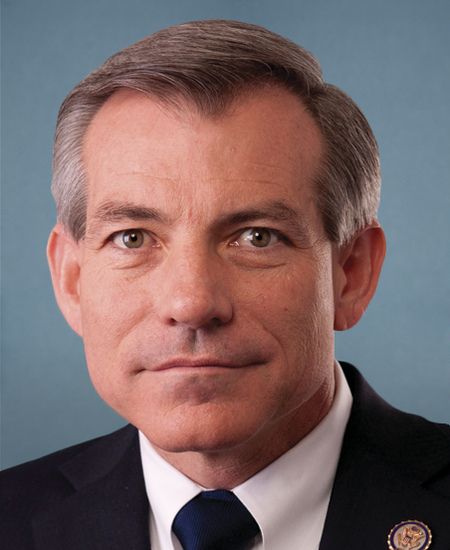
David Schweikert
78% support rate
Top opponent
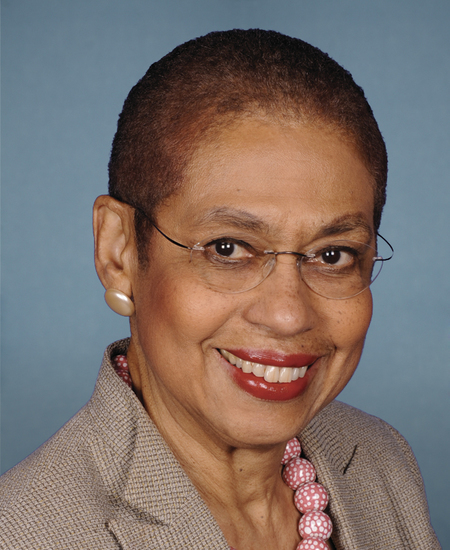
Eleanor Holmes Norton
0% support rate
Ranked legislators
10
5 support · 5 oppose
Key legislators

Who's moving coastal & flood protection in United States

Legislators moving coastal & flood protection in United States
Legislator Party Stance Support rate Decisive votes
David Schweikert
David Schweikert House · District 1
R
Support
78% 18
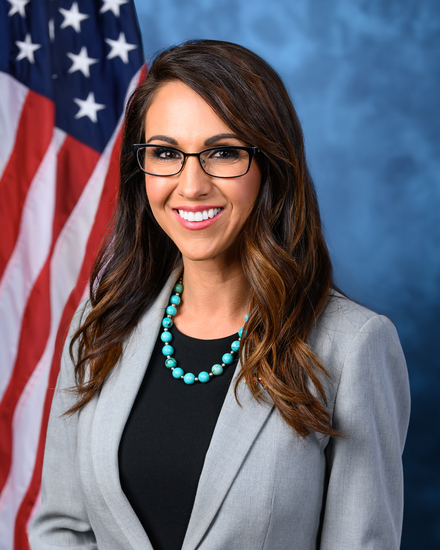
Lauren Boebert
Lauren Boebert House · District 4
R
Support
78% 18
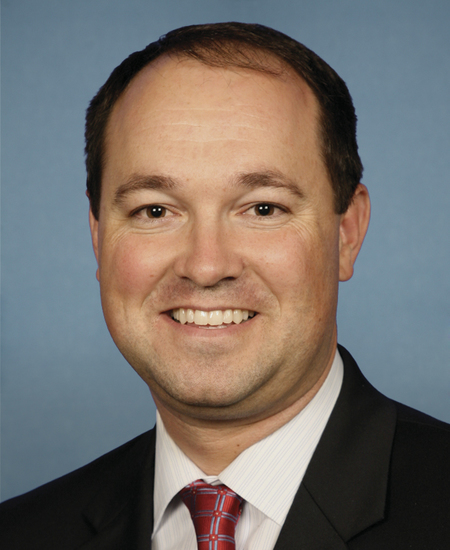
Marlin A. Stutzman
Marlin A. Stutzman House · District 3
R
Support
76% 17
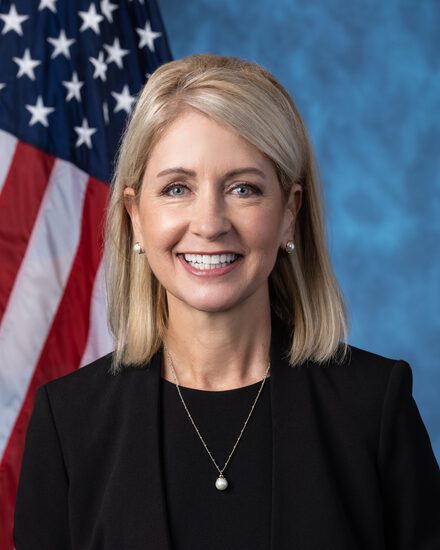
Mary E. Miller
Mary E. Miller House · District 15
R
Support
76% 17
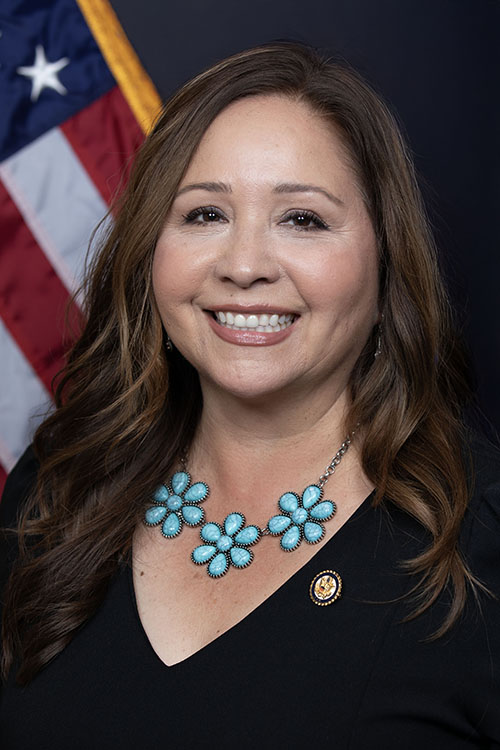
Adelita S. Grijalva
Adelita S. Grijalva House · District 7
D
Support
75% 4
Eleanor Holmes Norton
Eleanor Holmes Norton House · District At-Large
D
Strong −
0% 11
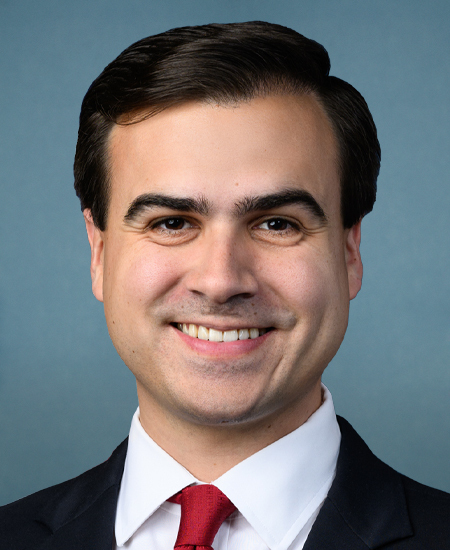
Pablo José Hernández
Pablo José Hernández House · District At-Large
D
Strong −
0% 10
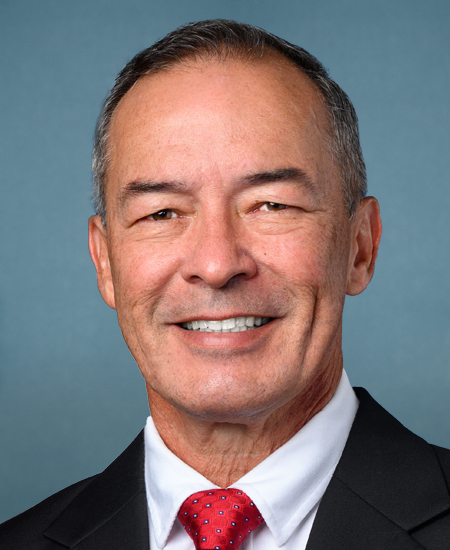
James C. Moylan
James C. Moylan House · District At-Large
R
Strong −
0% 8
Stacey E. Plaskett
Stacey E. Plaskett House · District At-Large
D
Strong −
0% 8
Susan M. Collins
Susan M. Collins Senate
R
Strong −
0% 4
Showing 31–40 of 135 bills

All environment bills

in committee · United States · Senate Feb 3, 2025

S 374: Direct Property Acquisitions Act

S 374 (Direct Property Acquisitions Act) establishes a 48-month pilot program allowing selected local governments to apply directly to FEMA for disaster mitigation funds - specifically for buying flood-prone properties or demolishing homes - instead of through their state governments. It affects only "covered communities" (local governments meeting FEMA criteria for self-sufficiency in hazard mitigation, with state approval and demonstrated need). The program requires FEMA to select no more than two communities per FEMA region (max one per state), provide written justification for selections, and submit annual reports to Congress evaluating the pilot’s impact on processing speed and potential long-term changes. The pilot expires 8 years after selection, with no guarantee of permanent adoption.
Sub-Topics Coastal & Flood Protection Natural Disasters Tags Emergency Management
in committee · United States · House Apr 14, 2025

HR 2907: Save BRIC Act

HR 2907, the Save BRIC Act, aims to reinstate the Building Resilient Infrastructure and Communities (BRIC) program by amending the Stafford Act to require communities to use federal disaster mitigation funds for proactive resilience projects. It directly affects communities that lost over $4 billion in BRIC grants after the program's 2025 cancellation, mandating that these funds be used for activities like elevating flood-prone structures, hardening buildings, and planning to reduce disaster impacts. The bill cites evidence that every $1 invested in pre-disaster mitigation saves up to $13 in recovery costs, reversing the previous policy that allowed grant clawbacks.
Sub-Topics Coastal & Flood Protection Natural Disasters Tags Emergency Management
in committee · United States · House Oct 31, 2025

HR 4256: Digital Coast Reauthorization Act of 2025

This bill extends the Digital Coast program through 2030, amending the existing Digital Coast Act. It requires NOAA to make coastal data "fully and freely available" (not just accessible) and explicitly includes underground infrastructure data in the types of information collected. The changes directly affect NOAA, which manages the program, and entities relying on its coastal data for planning and development. The bill focuses on updating program requirements rather than creating new policies.
in committee · United States · Senate Jan 30, 2025

S 336: Disaster Mitigation and Tax Parity Act of 2025

This bill excludes certain state-funded payments for disaster-resistant property improvements from taxable income. Homeowners who receive payments from state programs to make upgrades (like reinforcing roofs against windstorms or elevating homes to reduce flood damage) will not have those amounts counted as taxable income. The law specifically covers payments for "qualified catastrophe mitigation payments" made to reduce damage from windstorms, earthquakes, floods, or wildfires. It applies to payments received under state-established programs, including those managed by state insurance agencies or entities ensuring property insurance markets.
in committee · United States · Senate Dec 18, 2025

S 3579: Bycatch Reduction and Research Act of 2025

This bill establishes the Bycatch Reduction and Research Task Force to study Alaska salmon migration and bycatch, requiring research on salmon tagging, genetic sampling, and ecosystem impacts in the Bering Sea, Aleutian Islands, and Gulf of Alaska. It creates a new Bycatch Mitigation and Habitat Protection Assistance Fund to help commercial fishermen purchase or modify gear designed to reduce bycatch and habitat damage. The bill also mandates improved electronic monitoring systems, streamlined permit processes for innovative gear, and annual reports on research findings and data integration strategies. These provisions directly affect Alaskan commercial fisheries, salmon management, and coastal communities relying on sustainable fishing practices. The legislation requires final reports within three years detailing research outcomes and recommendations for reducing salmon bycatch.
in committee · United States · House Feb 6, 2025

HR 1105: Disaster Resiliency and Coverage Act of 2025

The Disaster Resiliency and Coverage Act of 2025 creates a federal program that provides grants to states and tribal governments to help homeowners in high-risk disaster areas make their homes more resilient. The program covers specific mitigation activities like reinforcing roofs, installing flood barriers, and creating fire-resistant features, with a $10,000 per household limit. Homeowners must have an adjusted gross income under $250,000 ($500,000 for joint returns) to qualify. The bill also includes tax benefits, allowing these grant amounts to be excluded from gross income and providing a 30% tax credit for qualifying mitigation expenditures.
in committee · United States · House May 15, 2025

HR 3451: To amend the National Trails System Act to direct the Secretary of the Interior to conduct a study on the feasibility of designating the Bonneville Shoreline Trail.

This bill directs the Secretary of the Interior to study whether the Bonneville Shoreline Trail should be officially designated as part of the National Trails System. The study will assess the feasibility of designating this 280-mile trail system, which follows the historic shoreline of ancient Lake Bonneville from the Idaho-Utah border to Nephi, Utah. The bill does not create the trail or change current management but requires a federal evaluation to inform future decisions. This study would determine if the trail meets criteria for formal designation under the National Trails System Act.
passed · United States · House Sep 10, 2025

HR 4553: Energy and Water Development and Related Agencies Appropriations Act, 2026

Energy and Water Development and Related Agencies Appropriations Act, 2026 This bill provides FY2026 appropriations for U.S. Army Corps of Engineers civil works projects, the Department of the Interior's Bureau of Reclamation, the Department of Energy (DOE), and several independent agencies. The bill provides appropriations for U.S. Army Corps of Engineers civil works projects, including for Investigations, Construction, Mississippi River and Tributaries, Operation and Maintenance, the Regulatory Program, Flood Control and Coastal Emergencies, Expenses, the Office of the Assistant Secretary of the Army for Civil Works, and the Water Infrastructure Finance and Innovation Program. The bill provides appropriations to the Department of the Interior for the Central Utah Project and the Bureau of Reclamation. The bill provides appropriations to DOE for energy programs, including Energy Efficiency and Renewable Energy; Cybersecurity, Energy Security, and Emergency Response; Electricity; Grid Deployment; Nuclear Energy; Fossil Energy; Naval Petroleum and Oil Shale Reserves; the Strategic Petroleum Reserve; the Northeast Home Heating Oil Reserve; the Energy Information Administration; Non-Defense Environmental Cleanup; the Uranium Enrichment Decontamination and Decommissioning Fund; Science; Nuclear Waste Disposal; the Advanced Research Projects Agency—Energy; the Title 17 Innovative Technology Loan Guarantee Program; the Advanced Technology Vehicles Manufacturing Loan Program; the Tribal Energy Loan Guarantee Program; Indian Energy Policy and Programs; Departmental Administration; and the Office of the Inspector General. The bill also provides appropriations to DOE for Atomic Energy Defense Activities of the National Nuclear Security Administration, Environmental and Other Defense Activities, and the Power Marketing Administrations. The bill provides appropriations to several independent agencies, including the Federal Energy Regulatory Commission and the Nuclear Regulatory Commission. The bill also sets forth requirements and restrictions for using funds provided by this and other appropriations acts.
in committee · United States · Senate May 1, 2025

S 1545: Repeatedly Flooded Communities Preparation Act

This bill requires communities participating in the National Flood Insurance Program that repeatedly experience severe flooding to develop and implement flood mitigation plans. Specifically, it targets communities with at least 50 properties having multiple flood insurance claims totaling over $1,000 each in a 10-year period, or those with unmitigated severe flood damage to public/private facilities. Communities must assess flood risks, create community-specific plans for reducing those risks, and submit them to FEMA for review, with public access to these plans. Failure to comply may result in sanctions, including suspension from the flood insurance program, while FEMA must provide data assistance and consider compliance when distributing mitigation grants.
Sub-Topics Coastal & Flood Protection Natural Disasters Tags Emergency Management
in committee · United States · House Oct 14, 2025

HR 5746: MARA Act of 2025

The MARA Act of 2025 establishes a framework for developing sustainable offshore aquaculture (seafood farming in U.S. ocean waters beyond coastal zones). It creates an Office of Aquaculture within NOAA to coordinate research, permit demonstration projects, and develop environmental standards. The bill requires demonstration projects to use native species, minimize environmental impacts, and collaborate with educational institutions, while collecting socioeconomic data. It also creates Aquaculture Centers of Excellence to train workers and support workforce development in coastal communities, aiming to expand domestic seafood production and reduce the U.S. seafood trade deficit.
Showing 31 to 40 of 135 bills
Previous 1 … 3 4 5 … 14 Next